Christian Walls of Madrid
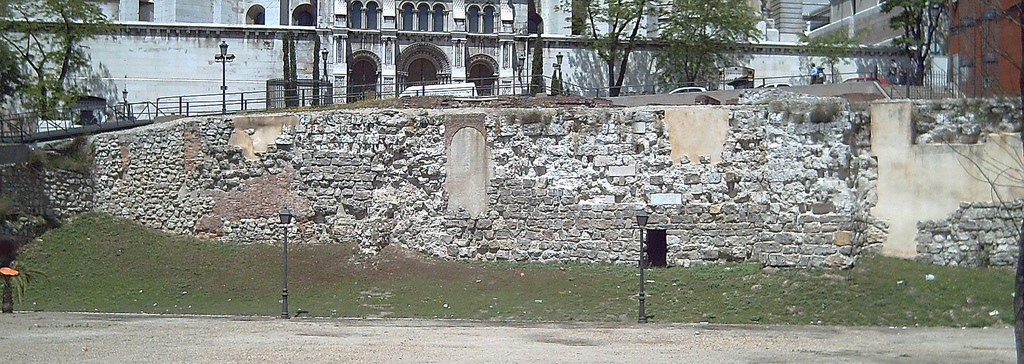
The Christian Walls of Madrid, also known as the Medieval Walls, represent a significant phase in the defensive architecture of Madrid, Spain. Constructed between the 11th and 12th centuries, these walls were built following the city's transition to the Crown of Castile after the Reconquista. They served as an extension to the original 9th-century Muslim Walls, expanding the city's fortifications to encompass the new districts that emerged during this period of Christian consolidation.
Historical context and purpose
After Madrid was captured from Muslim control, the need arose to protect the growing Christian population and the newly established districts. The Christian Walls were constructed primarily as a defensive measure against potential invasions and internal unrest. Their erection reflected the military and political changes of the High Medieval period in the Iberian Peninsula, particularly the efforts of the Castilian monarchy to secure its expanding territories.
Architectural features and layout
The walls followed a bastioned fortress design, incorporating towers and gates strategically placed to control access and enhance defense. The fortifications enclosed a larger urban area than the earlier Muslim walls, accommodating the new Christian neighborhoods. The construction utilized local materials and techniques typical of the High Medieval period, with robust stone masonry forming thick walls designed to withstand sieges.
Key sections and surviving remains
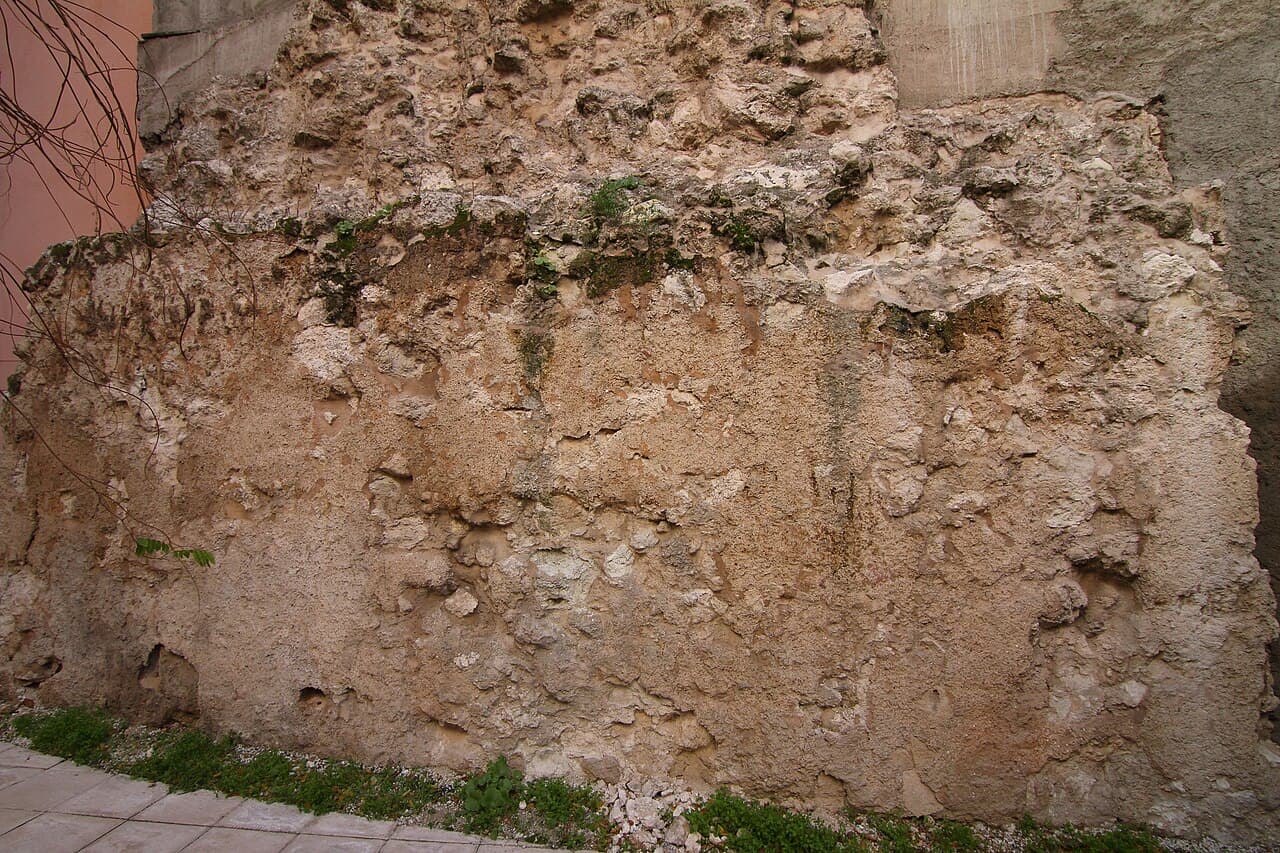
Despite the extensive demolition of the walls following the relocation of the royal court by Philip II in 1561, several sections remain visible today. Important surviving fragments are found along the streets of los Mancebos, Don Pedro, del Almendro, Escalinata, del Espejo, Mesón de Paños, and Cava Baja. Additional remnants are located in Plaza de Isabel II and within the underground parking garage at Plaza de Oriente.
Integration into the urban fabric
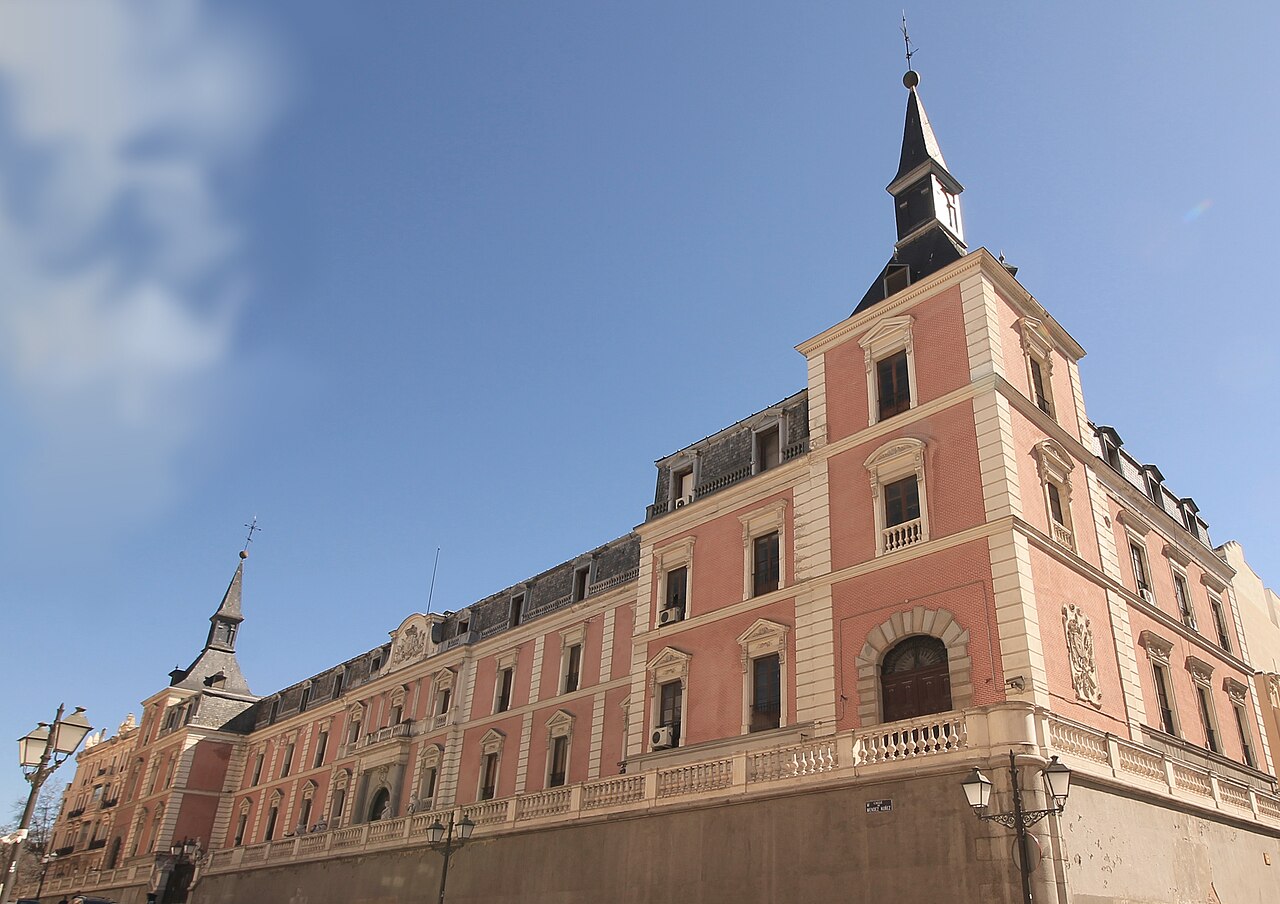
The remaining sections of the walls have been incorporated into the structures of buildings in El Madrid de los Austrias, the historic center named after the Habsburg dynasty. This integration reflects the layers of Madrid's urban development, where medieval fortifications coexist with later architectural styles and city planning.
Decline and preservation
The walls lost their military function after the court moved to Madrid, leading to their gradual demolition as the city expanded beyond the medieval boundaries. However, recognition of their historical and cultural value led to the designation of the surviving remains as a Historical and Artistic Monument in 1954. Conservation efforts aim to preserve these fragments as tangible links to Madrid's medieval past.
Significance in Spanish medieval fortifications
The Christian Walls of Madrid exemplify the transitional period of fortification architecture in Spain, bridging the Islamic defensive traditions with emerging Christian military styles. Their bastioned fortress characteristics illustrate adaptations to new warfare techniques and urban expansion needs during the High Medieval period.
Legacy and visitor experience
Today, visitors to Madrid can explore the historic center to view these remnants, which offer insight into the city's medieval defenses and urban evolution. The walls contribute to the cultural heritage of Madrid, providing a physical connection to the city's formative centuries.
Frequently asked questions (FAQ)
- When were the Christian Walls of Madrid built?
- The Christian Walls of Madrid were constructed between the 11th and 12th centuries following the city's capture by the Crown of Castile after the Reconquista.
- Where can I see the remains of the Christian Walls in Madrid?
- Surviving sections of the walls can be seen along the streets of los Mancebos, Don Pedro, del Almendro, Escalinata, del Espejo, Mesón de Paños, Cava Baja, Plaza de Isabel II, and in the underground parking garage of Plaza de Oriente.
- What led to the demolition of most of the walls?
- Most of the walls were demolished after King Philip II moved his court to Madrid in 1561, which reduced their military importance and allowed the city to expand beyond the medieval boundaries.
- Are the Christian Walls protected as a historic monument?
- Yes, the remaining sections of the Christian Walls were declared a Historical and Artistic Monument in 1954, ensuring their preservation and recognition as part of Madrid's heritage.
- What architectural style characterizes the Christian Walls of Madrid?
- The walls exhibit characteristics of a bastioned fortress typical of the High Medieval period, featuring robust stone masonry, towers, and gates for defense.
Photo gallery

Information
Current owner
Municipality of Madrid
Loading map...
Visitor reviews
No reviews yet. Been here? Write the first review and help other travelers!
Write the first reviewVisited this castle? Share your experience
Your review helps other travelers and adds first-hand knowledge to our encyclopedia.