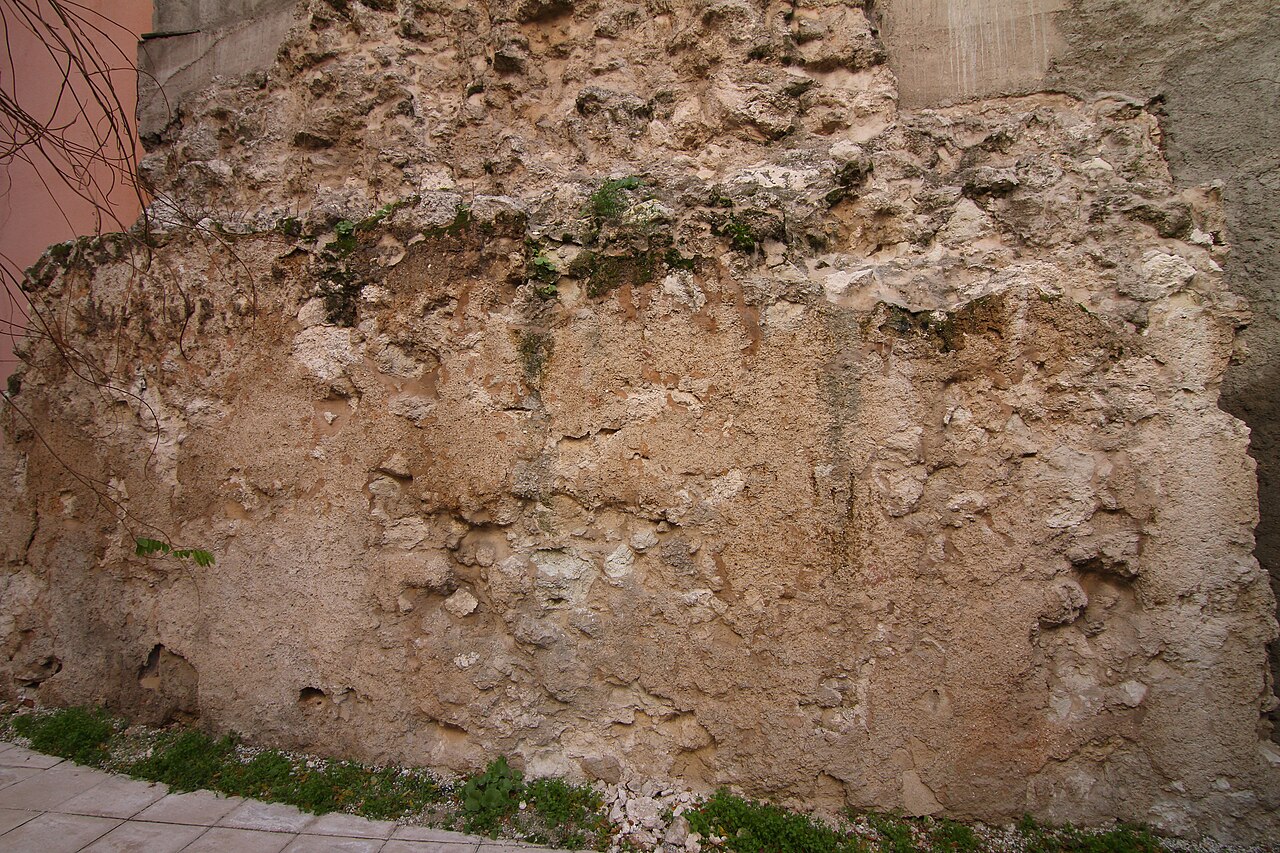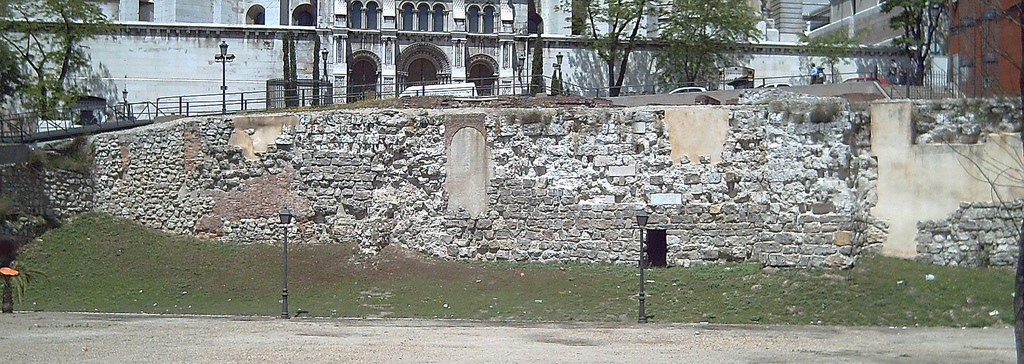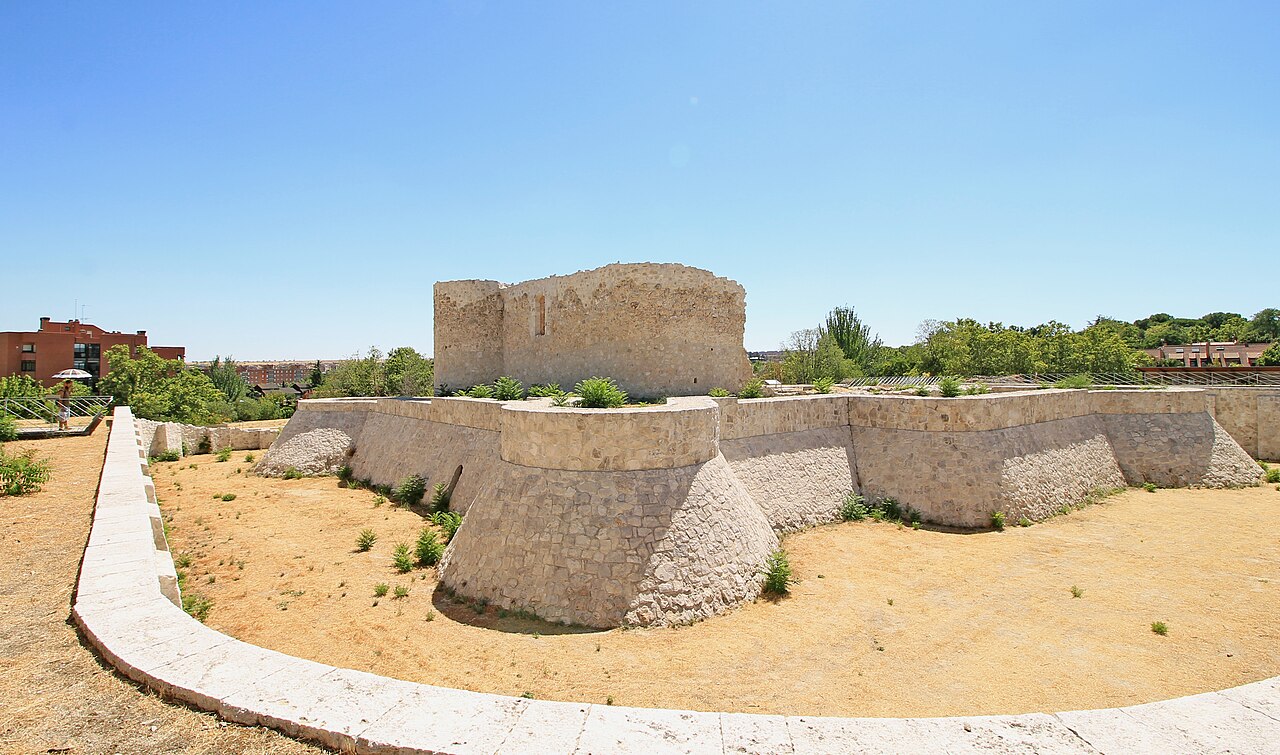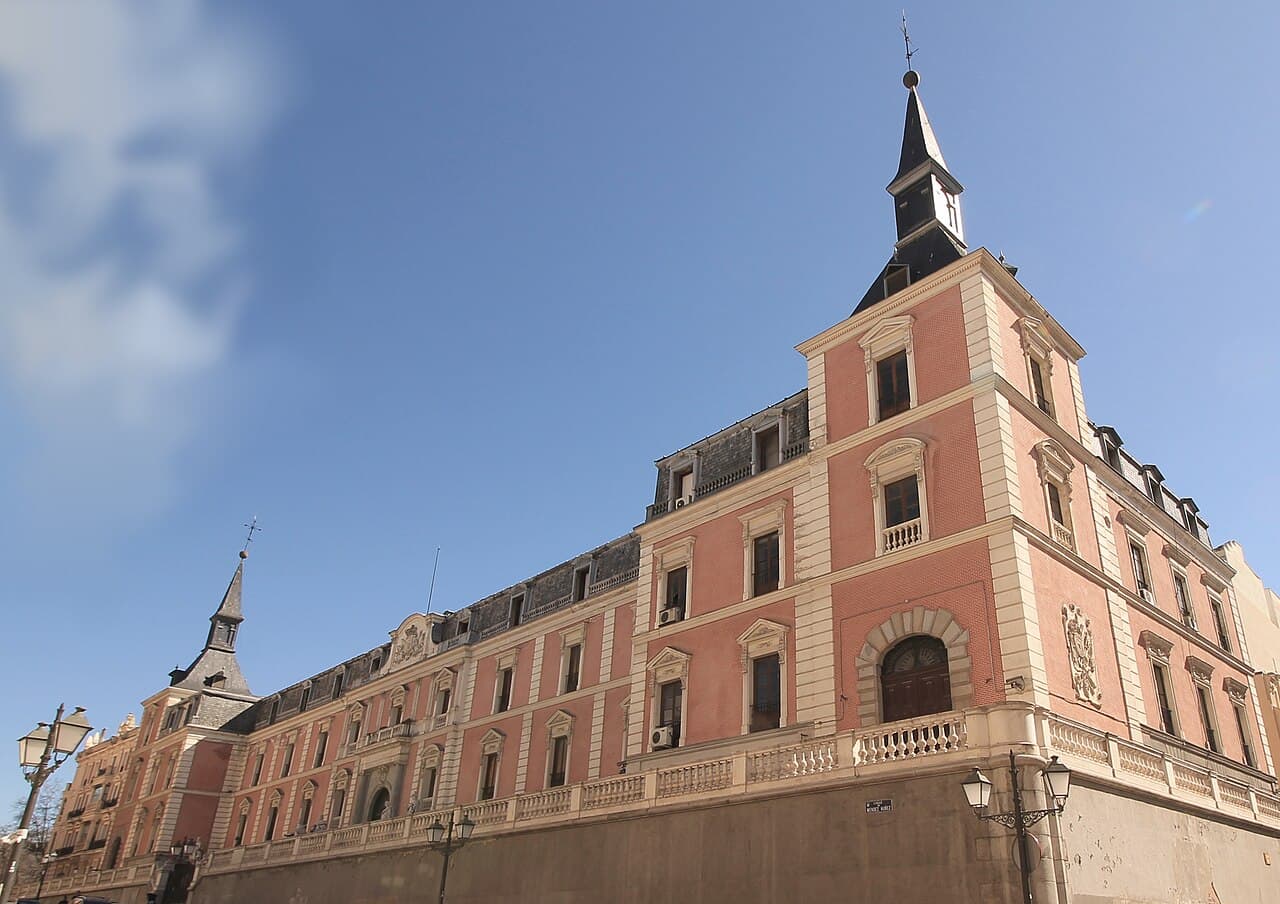
Buen Retiro Palace (Palacio del Buen Retiro) was a grand Renaissance palace complex constructed in the 17th century in Madrid, Spain. Commissioned by King Philip IV of Spain, it served as a secondary royal residence and a place of leisure and recreation, reflecting the monarch's desire for a retreat away from the formalities of the main royal court. The palace was located on the eastern outskirts of Madrid, then a modest city, marking an important expansion of urban space during the period.
Architectural design and construction
The palace was designed by the architect Alonso Carbonell (circa 1590–1660), who incorporated the Renaissance architectural style that was prevalent in Spain during the early 17th century. The complex was notable for its extensive gardens, fountains, and multiple buildings arranged to create a harmonious environment for royal leisure. Its layout included grand halls, galleries, and private chambers, all designed to accommodate both official functions and private enjoyment.
The palace's gardens were among its most celebrated features, designed in the formal Renaissance garden style with symmetrical paths, ornamental ponds, and sculptural elements. These gardens later evolved into what is today the famous Retiro Park, a major green space in Madrid.
Historical significance and royal use
Buen Retiro Palace played a significant role in the cultural life of the Spanish monarchy during the Baroque period, hosting numerous royal events, theatrical performances, and artistic exhibitions. The palace was a symbol of the Habsburg dynasty's power in Spain and reflected the wealth and artistic patronage of Philip IV's reign.
Despite its initial grandeur, the palace's importance declined after the 18th century. It suffered damage during the Peninsular War (1808–1814), when French troops occupied Madrid. Many parts of the palace were destroyed or severely damaged during the conflict and subsequent years, leading to its gradual demolition.
Decline and current state
Today, only fragments of the original Buen Retiro Palace remain, primarily incorporated into the Retiro Park in Madrid. The surviving structures and ruins provide a glimpse into the scale and splendor of the original complex. The park itself is a cherished public space, preserving the legacy of the palace's gardens and serving as a reminder of Madrid's historical expansion.
Archaeological efforts have uncovered parts of the palace foundations and some decorative elements, but the site is classified as archaeological ruins due to the limited preservation of the original buildings. Visitors to Retiro Park can explore the open spaces and some remaining architectural fragments, though the palace no longer stands as a complete structure.
Legacy and cultural impact
The Buen Retiro Palace influenced later Spanish architecture and urban planning, particularly in its integration of grand gardens with royal residences. Its transformation into Retiro Park has made it one of Madrid's most important cultural and recreational landmarks, attracting millions of visitors annually.
The palace's history reflects broader themes in Spanish history, including the rise and fall of royal power, the impact of war on cultural heritage, and the evolution of urban landscapes. It remains a subject of interest for historians and architects studying Renaissance and Baroque Spain.
Frequently asked questions (FAQ)
- What is the Buen Retiro Palace?
- The Buen Retiro Palace, originally built in the early 17th century, was a royal retreat for the Spanish monarchy. This magnificent structure showcases a blend of architectural styles, including Renaissance and Baroque influences, and is surrounded by stunning gardens that add to its historical charm.
- When was the Buen Retiro Palace constructed?
- The construction of the Buen Retiro Palace began in 1630 under the orders of King Philip IV of Spain. It was completed in 1640 and served as a place for royal leisure and cultural events until its decline in the 19th century.
- Can I visit the Buen Retiro Palace?
- Yes, visitors can explore the grounds and gardens of the Buen Retiro Palace. While the palace itself is not fully intact, the surrounding area is a popular destination for both tourists and locals seeking to enjoy its beauty and historical significance.
- What are the opening hours of the Buen Retiro Palace gardens?
- The gardens of the Buen Retiro Palace are typically open daily from 6:00 AM to 10:00 PM. However, it's advisable to check local listings for any updates or seasonal changes to the opening hours before your visit.
- Is it possible to access the Buen Retiro Palace with limited mobility?
- The gardens surrounding the Buen Retiro Palace are generally accessible for individuals with limited mobility. However, some areas may have uneven pathways, so it is recommended to plan your visit accordingly, considering accessible routes.
- What is the best time to visit the Buen Retiro Palace?
- The best time to visit the Buen Retiro Palace is during the spring and early autumn when the weather is mild and the gardens are in full bloom. Visiting early in the morning or late in the afternoon can also help you avoid larger crowds.
- Are there any nearby attractions to the Buen Retiro Palace?
- Yes, several attractions are located near the Buen Retiro Palace, including the renowned Prado Museum and the Crystal Palace. These sites offer additional cultural and historical experiences that complement your visit to the palace.
- How much are the ticket prices for visiting the Buen Retiro Palace gardens?
- Admission to the gardens of the Buen Retiro Palace is free, making it an accessible destination for everyone. However, if you wish to visit nearby museums or exhibitions, separate ticket prices may apply.
Photo gallery

Information
Loading map...
Visitor reviews
No reviews yet. Been here? Write the first review and help other travelers!
Write the first reviewVisited this castle? Share your experience
Your review helps other travelers and adds first-hand knowledge to our encyclopedia.