Siyu West Fort — Taiwan castle

Siyu West Fort

Siyu West Fort: historic bastioned fortress in Penghu, Taiwan
Xiyu Township, Penghu, Taiwan
Modern (19th–20th c.)
Well Preserved

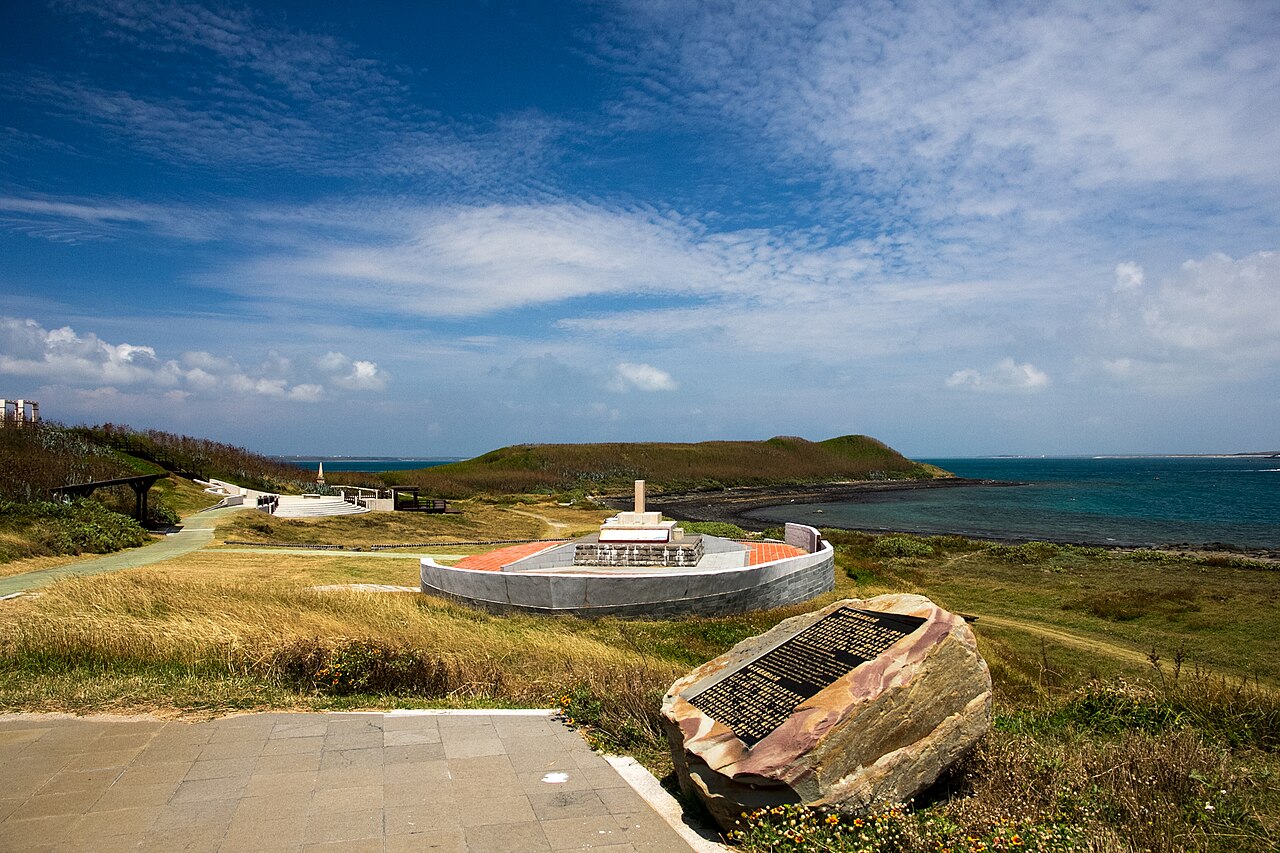
The Siyu West Fort, also known as the Xiyu Western Fort or Xiyu Western Battery, is a prominent 19th-century bastioned fortress located in Wai'an Village, Xiyu Township, Penghu, Taiwan. This coastal fortification was constructed during the modern period as part of Taiwan's strategic defense system against naval threats. The fort's design reflects the military architectural principles of the era, emphasizing robust fortifications capable of withstanding artillery bombardment and providing strategic control over the surrounding waters.

Historical background and strategic importance

Built in the 19th century, Siyu West Fort was an integral part of the Penghu archipelago's defensive network. The Penghu islands, situated in the Taiwan Strait, have historically been a critical maritime passage and a contested region due to their strategic location between Taiwan and mainland China. The fort's establishment was motivated by the need to protect the islands from foreign naval incursions and to secure maritime routes essential for trade and military movements.

The fort's location in Xiyu Township allowed it to oversee and control naval traffic through the strait. Its presence served as a deterrent against hostile forces and played a role in various military engagements during the late Qing dynasty and subsequent periods.

Architectural features and design

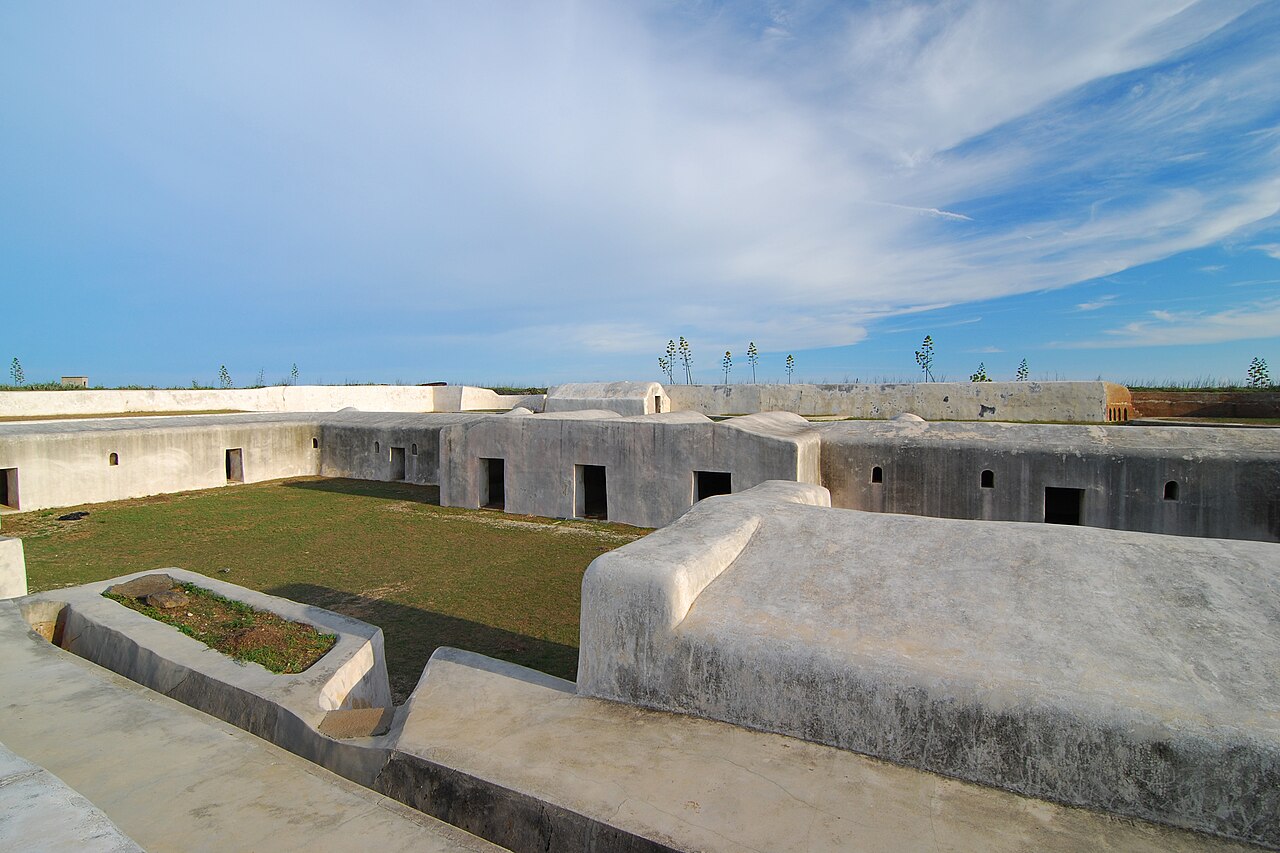
Siyu West Fort is classified as a bastioned fortress, a style characterized by angular bastions projecting from the main walls, allowing defensive artillery to cover adjacent walls and eliminate blind spots. This design was common in coastal fortifications built in the 18th and 19th centuries, combining European military engineering concepts with local adaptations.

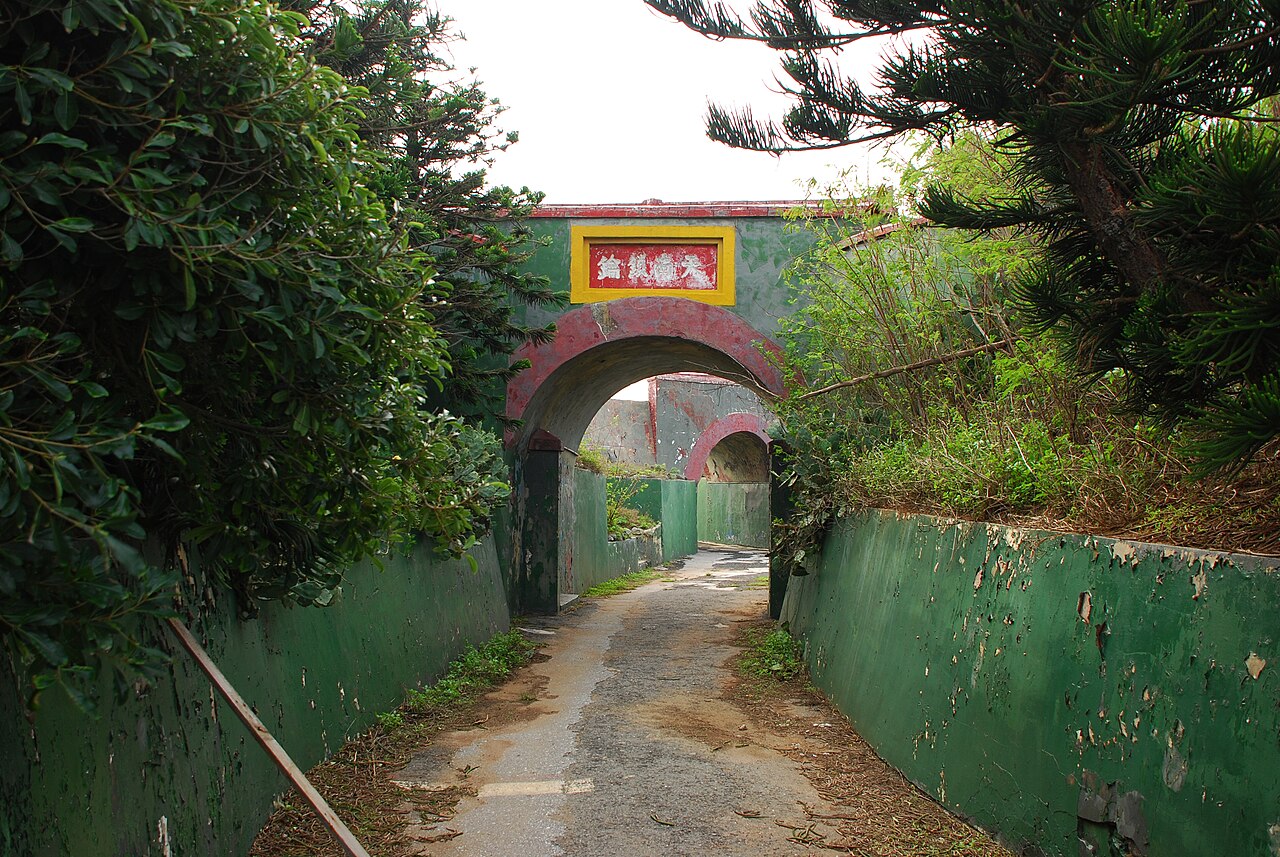
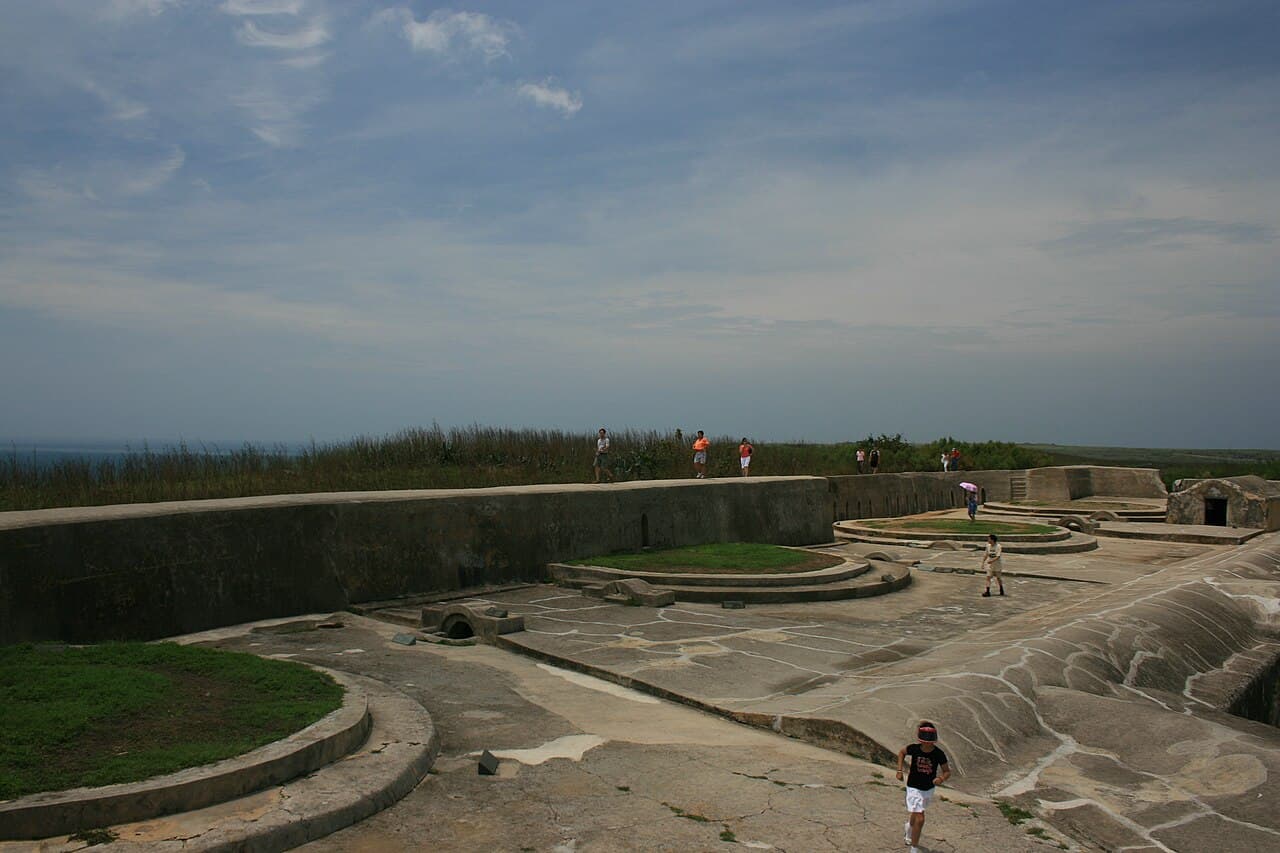
The fort's walls are constructed from durable materials suited to withstand both the tropical climate and artillery fire. Its layout includes bastions, gun emplacements, and protective parapets, arranged to maximize the field of fire over the sea approaches. The structure also includes internal chambers and storage areas for ammunition and provisions, reflecting the self-sufficient nature required for prolonged defense.

The fort's position near the coast is complemented by natural rocky outcrops, enhancing its defensive capabilities. Its design integrates both functional military architecture and the challenges posed by the maritime environment.

Preservation and current status

Today, Siyu West Fort is well preserved and serves as a cultural and historical site. It attracts visitors interested in military history and coastal defense architecture. Preservation efforts have maintained the integrity of its bastions and walls, allowing for a clear understanding of 19th-century fortification techniques in Taiwan.

The site is accessible to the public and often features informative displays about its historical context and architectural significance. Its preservation contributes to the appreciation of Taiwan's maritime heritage and the evolution of military architecture in the region.

Visiting Siyu West Fort

Visitors to Siyu West Fort can explore the bastioned walls and gun platforms, gaining insight into the strategic importance of the fort in Taiwan's coastal defense system. The fort's location in Penghu offers scenic views of the Taiwan Strait and surrounding islands, enhancing the visitor experience.

While the site maintains much of its original structure, visitors should be prepared for uneven terrain typical of historic fortifications. Guided tours and informational signage help contextualize the fort's role and construction.

Frequently asked questions (FAQ)

How do I get to Siyu West Fort?
Siyu West Fort is located in Xiyu Township, Taiwan. You can reach the fort by taking a bus from Magong City, which is the main urban area of Penghu. Alternatively, renting a scooter or bicycle is a popular option for exploring the area at your own pace.
What is the historical significance of Siyu West Fort?
Siyu West Fort was built during the Qing Dynasty to protect the area from foreign invasions and piracy. It is an important historical site that showcases Taiwan's military architecture and the strategic importance of Penghu during the 19th century. The fort also serves as a reminder of the island's rich cultural heritage.
When was Siyu West Fort constructed?
Siyu West Fort was constructed in the year 1886. It was part of a series of coastal fortifications built to defend against potential threats. The fort's construction reflects the architectural style of that era, combining both functionality and aesthetic elements.
Can I enter Siyu West Fort?
Yes, visitors are welcome to explore Siyu West Fort. The site is open to the public, allowing guests to walk through its historical structures and enjoy panoramic views of the surrounding landscape. Make sure to check for any specific regulations or hours of operation before your visit.
Why is it recommended to visit Siyu West Fort during the day?
Visiting Siyu West Fort during the day allows you to fully appreciate its historical architecture and the beautiful coastal scenery. Daylight provides the best lighting for photography and enhances the overall experience. Additionally, you can enjoy nearby attractions and local eateries after exploring the fort.
Is it possible to visit nearby attractions after touring Siyu West Fort?
Absolutely! After visiting Siyu West Fort, you can easily explore nearby attractions such as the beautiful beaches of Xiyu Township and the local fish markets. The area is rich in culture, offering various opportunities for sightseeing and dining, making it an ideal day trip.
What are the opening hours for Siyu West Fort?
Siyu West Fort is generally open to visitors from 8 AM to 5 PM daily. However, it's advisable to check local listings or the official website for any changes in hours, especially during holidays or special events. Plan your visit accordingly to ensure you have enough time to explore the fort and its surroundings.
Are there any ticket prices for entering Siyu West Fort?
Entry to Siyu West Fort is typically free of charge. This makes it an accessible destination for both locals and tourists who wish to experience Taiwan's history without any financial barriers. However, donations for the maintenance of the site are appreciated.

Photo gallery

Siyu West Fort
Click to view

Photo by Venation•CC BY-SA 3.0

1 photo • Click any image to view in full screen

Information

Bastioned Fortress

Address

Wai'an Village, Xiyu Township, Penghu, Taiwan

Loading map...

Visitor reviews

No reviews yet. Been here? Write the first review and help other travelers!

Write the first review

Visited this castle? Share your experience

Your review helps other travelers and adds first-hand knowledge to our encyclopedia.
Write a review

(5/5)

0/2000 characters

Your review will be visible after admin approval

Nearby castles

2.5 km
Siyu East Fort — Taiwan castle

Siyu East Fort

Xiyu Township, Taiwan

The Siyu East Fort, also known as the Xiyu Eastern Fort or Xiyu Eastern Battery (西嶼東臺), is a historic 19th-century bastioned fortress located in Wai'an Village, Xiyu Township, Penghu, Taiwan. This coastal defense structure was built during the modern period to protect the strategic waters around the Penghu archipelago, an important maritime gateway in the Taiwan Strait. Historical context and strategic importance Constructed in the 19th century, Siyu East Fort was part of a broader network of fortifications designed to defend against naval incursions during a time of increasing foreign maritime threats. The Penghu Islands, positioned between Taiwan and mainland China, have long held military significance due to their location along key shipping lanes. The fort's establishment reflects the military architectural responses to evolving artillery technology and regional geopolitical pressures of the late Qing dynasty era. Architectural features and design The fort exemplifies the bastioned fortress typology, characterized by angular bastions projecting from the main walls to provide overlapping fields of fire and eliminate blind spots. This design was a response to advances in artillery and siege tactics, allowing defenders to cover approaches with cannon fire effectively. Siyu East Fort features thick stone walls constructed to withstand bombardment, with embrasures for mounting cannons. The layout includes a central courtyard surrounded by defensive walls and bastions, which provided a protected space for troops and artillery. The fort's position directly on the coast enabled it to serve as a battery, controlling access to the harbor and deterring enemy ships. Defensive structures The bastions are equipped with gun ports designed for heavy artillery pieces typical of the 19th century. The walls incorporate loopholes and firing positions for infantry defense. The fort's entrance was likely fortified with a gatehouse and defensive barriers to control access. Role in regional defense and historical significance During its operational period, Siyu East Fort played a critical role in the defense of the Penghu Islands against potential naval threats. It was part of the coastal defense system guarding Taiwan and its surrounding waters, reflecting the military strategies of the late Qing dynasty and early modern period in East Asia. Although the fort no longer serves a military function, it remains an important cultural heritage site that illustrates the adaptation of Western-style fortification techniques in Taiwan during the 19th century. Its preservation offers valuable insights into the military history and architectural practices of the era. Current condition and visitor information Today, Siyu East Fort stands as a partially preserved historical site open to visitors interested in military architecture and Taiwanese history. The fort's coastal location provides scenic views of the surrounding sea and the Penghu archipelago. Visitors can explore the remains of the bastions, walls, and artillery positions, gaining an understanding of the fort's defensive capabilities. Interpretive signage and guided tours may be available to provide historical context and architectural details. The site is an accessible destination for those traveling to Penghu, offering a tangible connection to Taiwan's maritime defense heritage.

Modern (19th–20th c.)
Details
6.1 km
Fengguiwei Fort — Taiwan castle

Fengguiwei Fort

Magong, Taiwan

Fengguiwei Fort (Chinese: 風櫃尾城堡; pinyin: Fēngguìwěi Chéngbǎo; Pe̍h-ōe-jī: Hong-kūi-bóe Siâⁿ-pó) is a historic 17th-century bastioned fortress built by the Dutch East India Company during their colonial presence in Taiwan, specifically in the Penghu archipelago. Located in Magong, the largest city in Penghu County, Taiwan, the fort was strategically positioned atop a small hill on a peninsula overlooking Magong Harbor. This vantage point allowed the Dutch to control maritime traffic and defend their trading interests in the region during the Renaissance period. Historical background and strategic importance The construction of Fengguiwei Fort dates back to the 17th century, a time when European powers were expanding their influence in East Asia. The Dutch East India Company established several fortifications in Taiwan and the surrounding islands to secure their trade routes and assert dominance. Fengguiwei Fort was part of this network of coastal defenses designed to protect against rival colonial powers and local resistance. Its location in the Penghu archipelago was critical because the islands served as a maritime gateway between the Taiwan Strait and the South China Sea. The fort's presence helped the Dutch maintain control over shipping lanes and provided a base for naval operations. Architectural features and design Fengguiwei Fort is classified as a bastioned fortress, a style that became prominent in Europe during the Renaissance. This architectural design features angular bastions projecting from the walls, allowing defenders to cover adjacent walls with overlapping fields of fire, eliminating blind spots. The fort was constructed primarily from locally sourced stone and brick, materials chosen for their durability against artillery fire and the harsh coastal environment. The bastions were connected by curtain walls forming a roughly polygonal shape adapted to the terrain of the hilltop peninsula. Although much of the original structure has been lost over time, historical records and archaeological studies indicate that the fort included: Thick defensive walls with embrasures for cannons Guard towers at strategic points for surveillance Gates protected by additional fortifications Internal courtyards used for troop assembly and supplies Decline and present condition Following the Dutch departure from Taiwan in the late 17th century, Fengguiwei Fort gradually fell into disuse. Successive regimes and local developments led to the dismantling or decay of much of the fort's structure. Today, only fragments of the original walls and foundations remain visible. The site is recognized for its historical significance as one of the few remaining vestiges of Dutch colonial architecture in Taiwan. Preservation efforts have been limited, and the fort is classified as ruins. Visitors to Magong can explore the site to appreciate its historical context and panoramic views of the harbor and surrounding sea. Fengguiwei Fort in the context of Taiwanese heritage As a relic of the Renaissance-era European expansion into East Asia, Fengguiwei Fort offers insight into the military strategies and colonial ambitions of the Dutch in the 1600s. It complements other historical sites in Penghu and Taiwan that reflect the island's complex history of indigenous cultures, European colonization, and later Chinese administration. The fort's remains contribute to understanding the evolution of coastal defense architecture in Taiwan and the broader East Asian region. It also serves as a cultural landmark illustrating the early interactions between Western and Asian civilizations. Visiting Fengguiwei Fort While the fort is not extensively restored, it remains accessible to visitors interested in history and architecture. The site provides a quiet location for reflection on Taiwan's colonial past and offers scenic views of the Penghu islands. Visitors should prepare for limited facilities and bring appropriate footwear for uneven terrain. Interpretive signage may be sparse, so guided tours or supplementary materials can enhance the experience.

Renaissance (15th–17th c.)
Details
7 km
Jinguitou Fortress — Taiwan castle

Jinguitou Fortress

Magong City, Taiwan

The Jinguitou Fortress (traditional Chinese: 金龜頭砲臺; simplified Chinese: 金龟头炮台; pinyin: Jīnguītóu Pàotái) is a historic bastioned fortress situated in Magong City, on the Penghu archipelago in Taiwan. Constructed in the 19th century, this fortress was built during the modern period as part of coastal defense efforts to protect the strategic maritime routes and local settlements from naval threats. Historical context and strategic importance Located on the western coast of Taiwan, the Penghu islands have long held military significance due to their position controlling the Taiwan Strait. The Jinguitou Fortress was established in response to increasing naval threats during the 19th century, a time when regional powers were modernizing their military infrastructure. The fortress played a key role in defending Magong City and the surrounding waters from potential invasions and pirate incursions. Architectural design and features The fortress is classified as a bastioned fortress, a style characterized by angular bastions projecting from the main walls. This design allowed defenders to cover adjacent walls with overlapping fields of fire, eliminating blind spots and enhancing defensive capabilities against artillery and infantry assaults. The Jinguitou Fortress incorporates thick stone walls and earthworks typical of bastioned fortifications, designed to absorb cannon fire and provide sturdy platforms for mounted artillery. Layout and construction materials The fortress layout includes multiple bastions connected by curtain walls forming a polygonal shape adapted to the coastal terrain. The use of locally sourced stone and brick materials provided durability against the harsh maritime climate. The walls are punctuated by embrasures for cannons, and the interior housed barracks, ammunition storage, and command facilities. Defensive elements Key defensive features include a moat or ditch surrounding parts of the fortress, reinforced gates with heavy wooden doors, and strategically placed artillery positions. The bastions were designed for enfilading fire, allowing defenders to target attackers attempting to scale the walls or breach the gates. These elements reflect military engineering principles of the era, adapted for coastal defense. Role in regional conflicts and legacy Throughout the late 19th and early 20th centuries, the Jinguitou Fortress witnessed periods of military activity related to regional conflicts and colonial transitions in Taiwan. It served as a deterrent against foreign naval powers and played a part in the defense network during Japanese rule over Taiwan. Although it did not see major battles, its presence contributed to the security of the Penghu islands. Current condition and preservation Today, the Jinguitou Fortress stands as a partially preserved historical site. Some sections of the walls and bastions remain intact, offering visitors insight into 19th-century military architecture. Conservation efforts have aimed to stabilize the structure and promote it as a cultural heritage site, attracting tourists interested in Taiwan's coastal defense history. Visiting information and cultural significance Visitors to Magong City can explore the fortress grounds, which provide scenic views of the surrounding sea and the Penghu archipelago. The site is accessible to the public and often included in heritage tours highlighting Taiwan's military past. Interpretive signage and guided tours help explain the fortress's architectural features and historical context. The Jinguitou Fortress remains a valuable example of 19th-century bastioned fortifications in East Asia, illustrating the adaptation of European military designs to local geographic and strategic needs. Its preservation contributes to understanding Taiwan's complex history of defense and colonial influence.

Modern (19th–20th c.)
Details