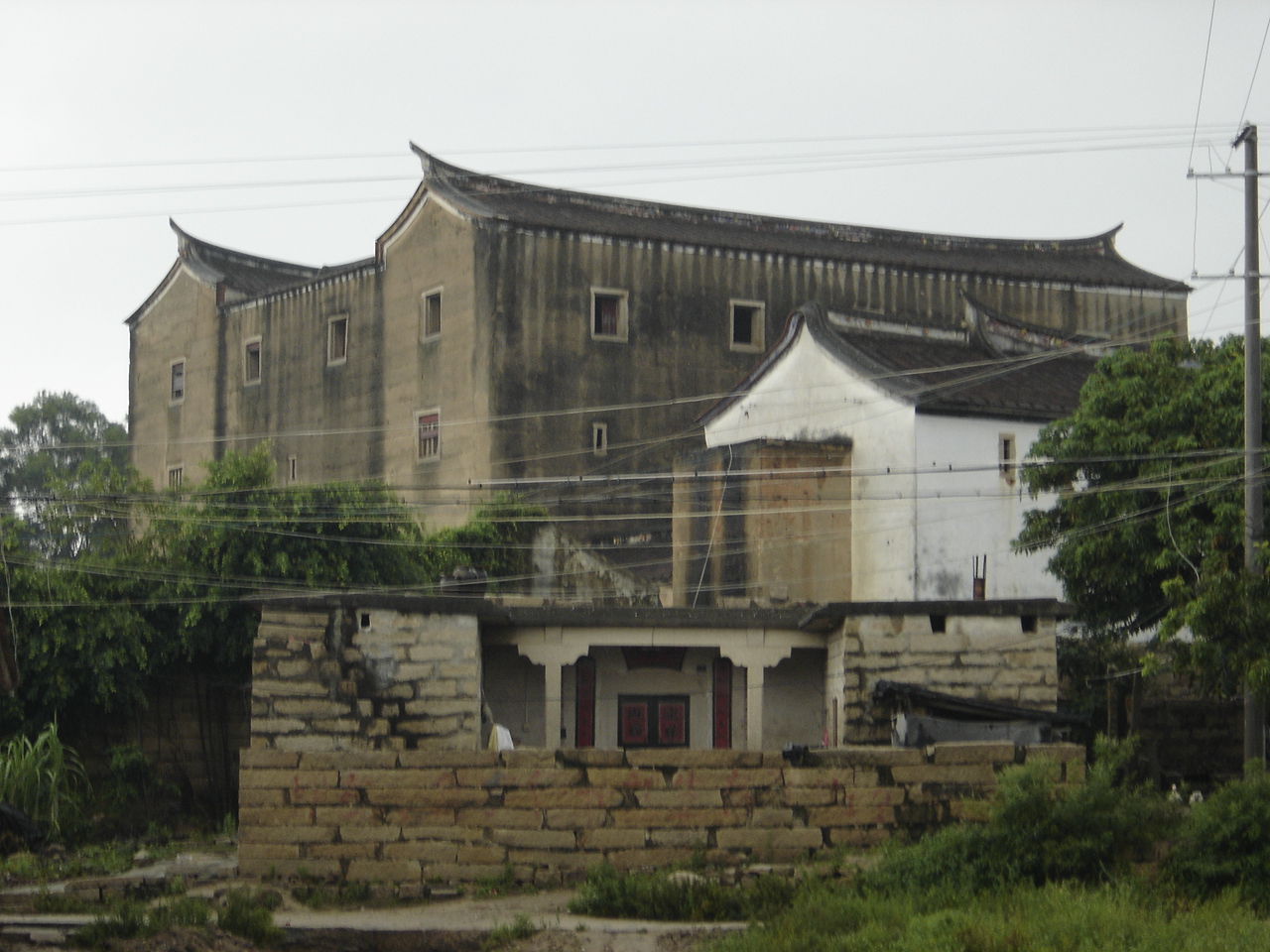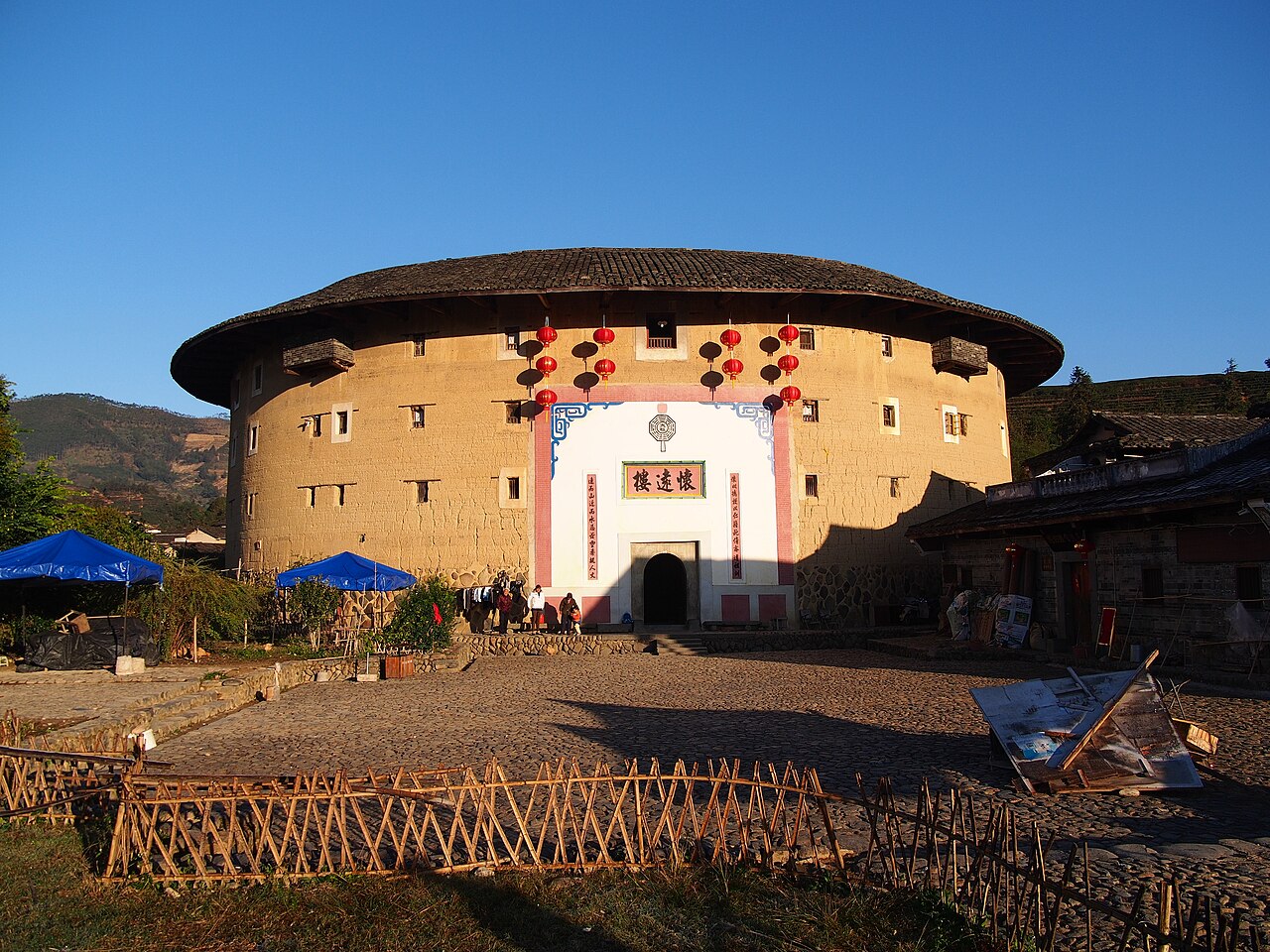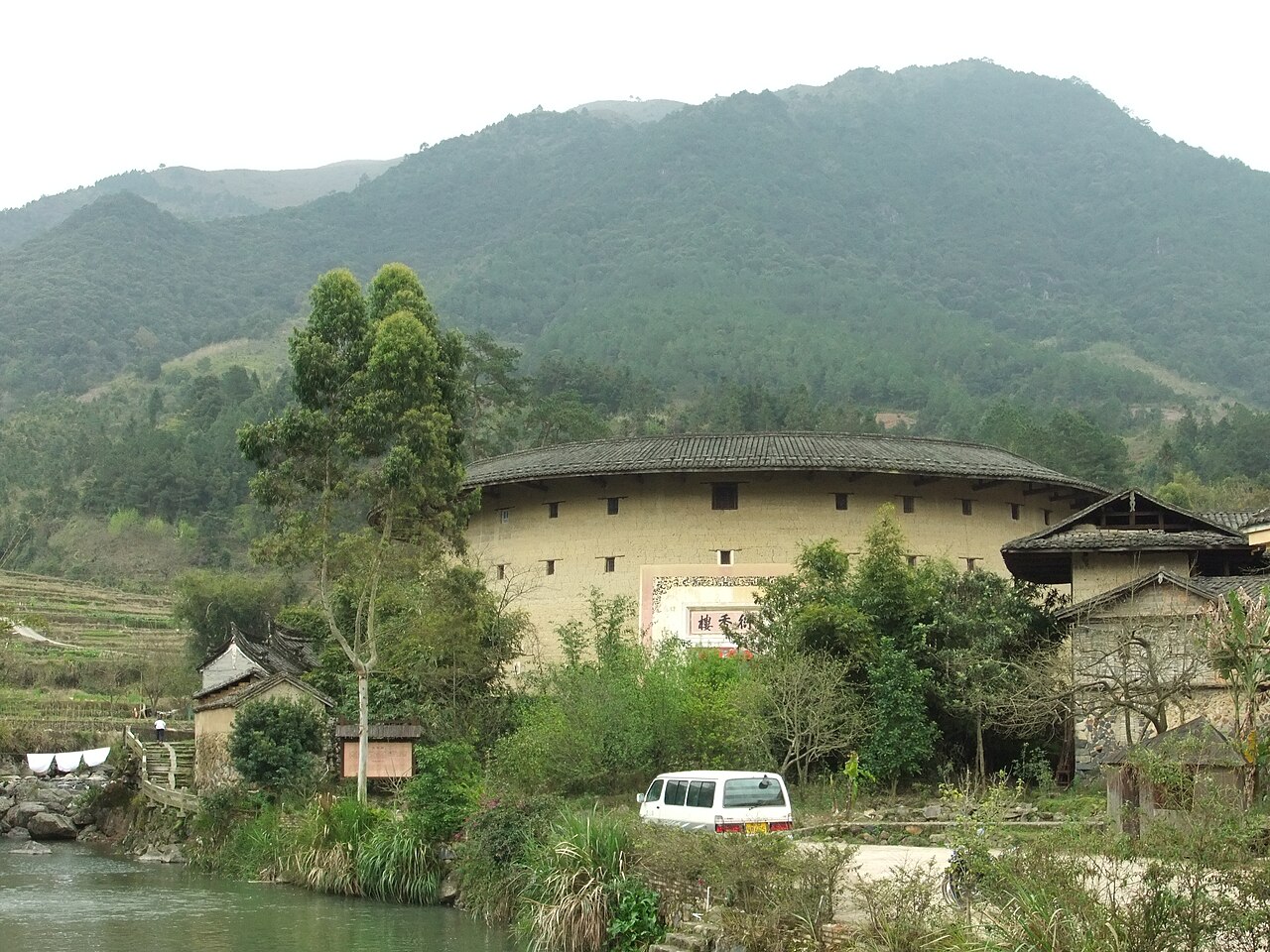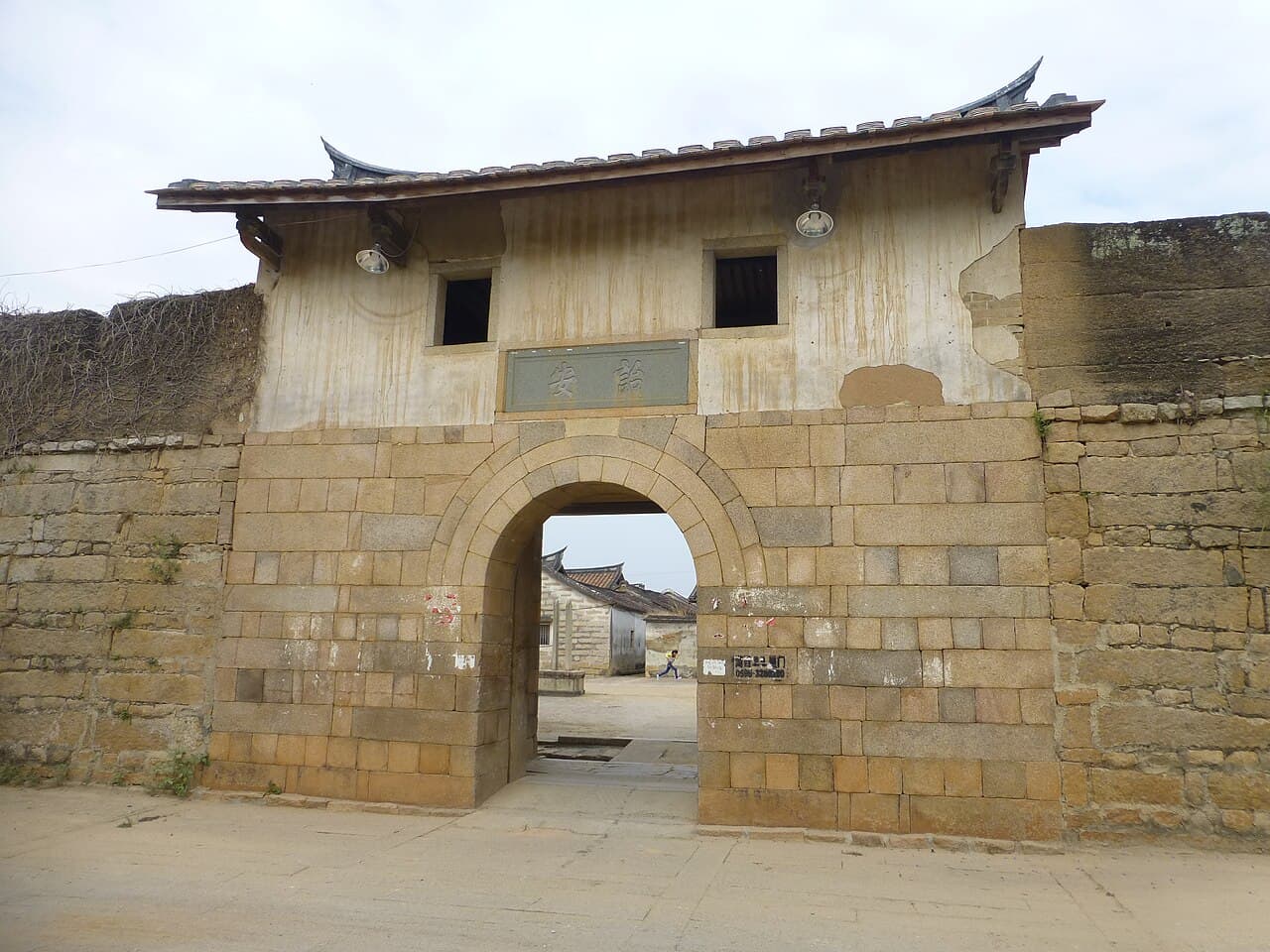
Yi'an Fortress is a notable example of a bastioned fortress located in China, reflecting the strategic military architecture that was employed to defend important territories. Although the exact city location remains uncertain, the fortress is recognized for its robust construction and historical significance within Chinese fortification traditions.
Historical context and significance
The fortress dates back to a period when bastioned fortifications were developed to improve defensive capabilities against artillery and siege warfare. Bastioned fortresses, characterized by angular bastions projecting outward from the curtain walls, allowed defenders to cover adjacent walls with overlapping fields of fire, minimizing blind spots. This design was a significant evolution from earlier medieval fortifications, enhancing the fortress's ability to withstand prolonged attacks.
While the precise construction date of Yi'an Fortress is not documented, bastioned fortresses in China typically emerged during the late medieval to early modern periods, influenced by both indigenous military engineering and external military innovations. The fortress likely played a role in regional defense and control, serving as a military stronghold and administrative center.
Architectural features and design
Yi'an Fortress exemplifies the bastioned fortress type, featuring prominent angular bastions designed to provide defensive coverage around the perimeter. The walls would have been thick and high, constructed from stone or brick, materials commonly used in Chinese fortifications to resist cannon fire and battering.
The layout of the fortress was likely geometric, with bastions placed at strategic intervals to cover each other with crossfire. The fortress would have included defensive elements such as curtain walls, moats, and gatehouses fortified to control access. Inside, there would have been courtyards, barracks, and storage facilities supporting the garrison stationed there.
Defensive innovations
The bastion design allowed for improved defense against artillery, a technology that became increasingly important in Chinese military architecture from the Ming dynasty onward. The fortress's walls and bastions were angled to deflect cannonballs and reduce the impact of direct hits. This architectural adaptation shows the integration of gunpowder weaponry into fortress design, marking a transition from purely medieval fortifications to early modern military architecture.
Cultural and strategic importance
As a bastioned fortress, Yi'an Fortress was more than a military installation; it was a symbol of territorial control and governance. It likely served as a regional command post, overseeing local defense and administration. Fortresses like Yi'an contributed to the stability of the region by deterring invasions and providing a secure base for troops.
The fortress's architecture reflects a blend of traditional Chinese fortification methods with the adoption of European-style bastions, a result of increased contact and exchange of military knowledge during the late medieval period.
Current condition and preservation
The current physical condition of Yi'an Fortress is not well-documented, and it may range from partially preserved to ruins. Many such fortresses in China have suffered from neglect or damage over centuries, though some have been restored or protected as cultural heritage sites. The fortress's preservation status influences its accessibility and the extent to which its architectural features can be studied or visited today.
Visitor information and accessibility
Due to the uncertain location and limited documentation, specific visiting hours, ticket prices, and access details for Yi'an Fortress are not available. Visitors interested in Chinese military architecture and bastioned fortresses may find it valuable to explore related sites with better documentation and accessibility.
Frequently asked questions (FAQ)
- What is the architectural style of Yi'an Fortress?
- Yi'an Fortress is a bastioned fortress, featuring angular bastions designed for improved defense against artillery, reflecting military architectural innovations from the late medieval to early modern periods.
- When was Yi'an Fortress likely built?
- The exact construction date is unknown, but bastioned fortresses in China typically emerged during the late medieval to early modern periods, influenced by both indigenous and external military engineering.
- Can I visit Yi'an Fortress today?
- Due to limited documentation and uncertain location, specific visitor information is unavailable. Some bastioned fortresses in China are preserved or restored, but access to Yi'an Fortress may be restricted or unknown.
- Why were bastioned fortresses important in Chinese military history?
- Bastioned fortresses allowed defenders to cover adjacent walls with overlapping fields of fire, improving defense against artillery and siege warfare, marking a significant advancement in military architecture.
Photo gallery

Information
Loading map...
Visitor reviews
No reviews yet. Been here? Write the first review and help other travelers!
Write the first reviewVisited this castle? Share your experience
Your review helps other travelers and adds first-hand knowledge to our encyclopedia.