Chiran Castle — Japan castle

Chiran Castle

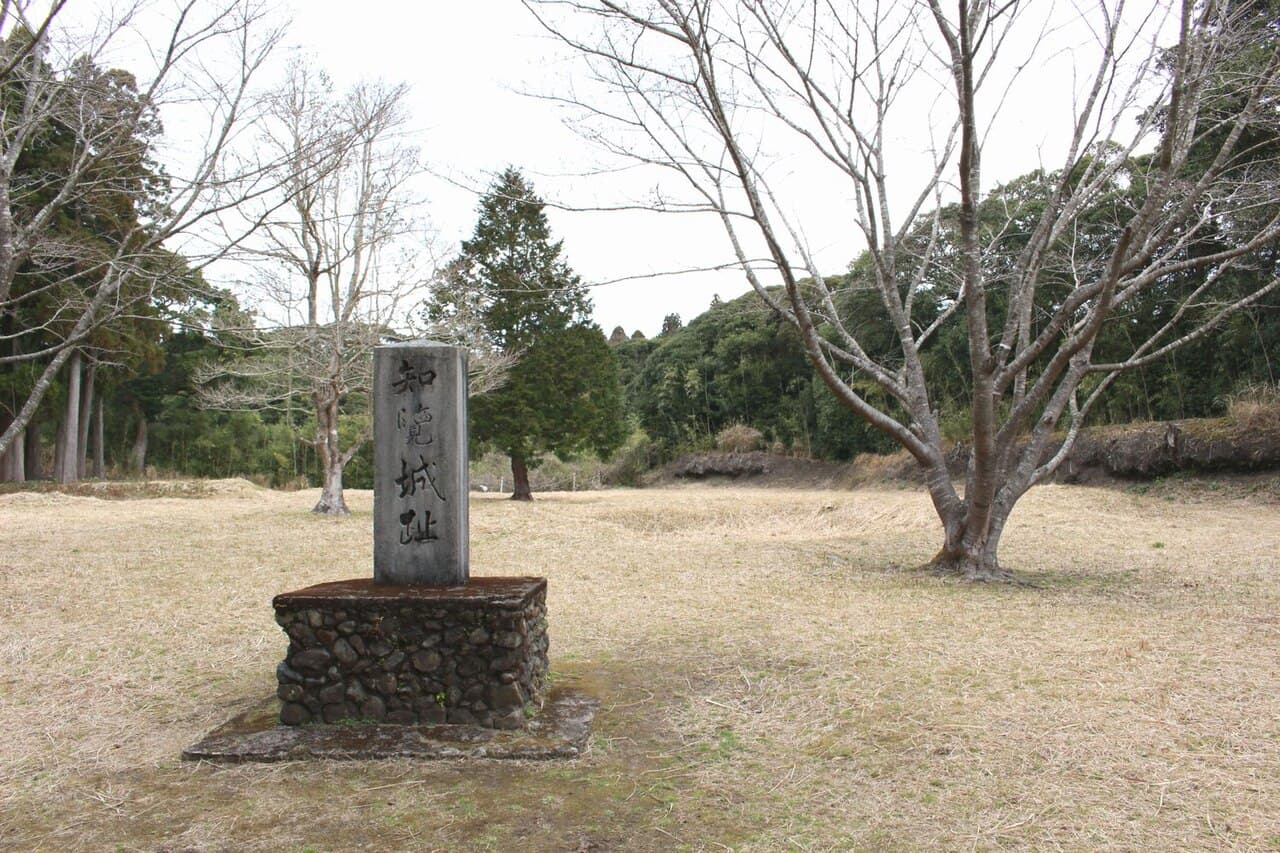
Chiran Castle ruins in Minamikyūshū, Japan
Minamikyūshū, Japan
Ruins

Chiran Castle (知覧城, Chiran-jō) is a historic site located in the Chiran area of Minamikyūshū city, in Kagoshima Prefecture, Japan. The castle, now in ruins, is recognized as a National Historic Site since 1993, reflecting its cultural and historical significance within the region.

The historical context of Chiran Castle

Chiran Castle was constructed during Japan's feudal period, serving as a strategic stronghold in the southern part of Kyushu. While precise construction dates are not definitively recorded, it is generally associated with the Sengoku period (mid-15th to early 17th century), a time marked by intense military conflict and territorial disputes among regional lords.

The castle was controlled by a local samurai clan, playing a role in the defense and administration of the surrounding area. Its location in Kagoshima Prefecture placed it within the sphere of influence of powerful clans such as the Shimazu, who dominated southern Kyushu during the late medieval period.

Architectural features and layout

As a typical hilltop castle (yamajiro style), Chiran Castle was strategically positioned to take advantage of natural terrain for defense. Its remnants reveal terraced stone walls and earthworks that formed multiple baileys (courtyards), which were common defensive features in Japanese castles of the period.

The castle likely included wooden buildings such as a main keep (tenshu) and residential quarters, but these have not survived. The stone foundations and earthen ramparts remain as evidence of its original complex structure.

Defensive elements

The castle's design incorporated natural slopes and man-made fortifications to resist sieges. Steep embankments, narrow pathways, and layered walls provided defense against attackers. The use of stone walls in terraces helped to stabilize the hillside and created formidable barriers.

Chiran Castle's role in regional history

During the turbulent Sengoku period, Chiran Castle was part of the network of fortifications that maintained control over strategic routes in southern Kyushu. The castle's occupants were involved in local power struggles and alliances that shaped the region's political landscape.

Following the unification of Japan under the Tokugawa shogunate in the early 17th century, many castles like Chiran were abandoned or dismantled as part of efforts to reduce military threats and consolidate power.

Preservation and archaeological significance

Today, Chiran Castle exists as an archaeological ruin, with its stone walls and earthworks accessible to visitors. The site provides valuable insight into Japanese castle construction techniques and feudal military architecture.

Excavations and surveys have helped document the castle's layout and historical context, contributing to the understanding of regional history in Kagoshima Prefecture. The designation as a National Historic Site underscores its importance as a cultural heritage asset.

Visiting Chiran Castle ruins

The ruins are open to the public, offering a glimpse into Japan's feudal past amidst natural surroundings. Visitors can explore the terraced stone walls and enjoy panoramic views of the surrounding landscape, which once served as a defensive advantage for the castle.

Interpretive signage and local guides provide information about the site's history and architecture, enhancing the visitor experience.

Frequently asked questions (FAQ)

How do I get to Chiran Castle?
Chiran Castle is located in Minamikyūshū, Japan, and can be easily accessed by car or public transportation. If traveling by train, the closest station is Chiran Station, from where you can take a bus or taxi to the castle.
What is the historical significance of Chiran Castle?
Chiran Castle, built in the early 17th century, played a crucial role during the Edo period as a military stronghold. Its strategic location provided an excellent vantage point for monitoring the surrounding area, making it an important site in Japanese history.
When was Chiran Castle constructed?
Chiran Castle was constructed in 1615, during the early years of the Edo period. It was designed to serve as a fortress for the Shimazu clan, who were influential in the region.
Can I take guided tours of Chiran Castle?
Yes, guided tours are available at Chiran Castle, which can enhance your understanding of its rich history and architectural features. It is recommended to check the castle's official website or inquire at the entrance for tour availability and scheduling.
Why is Chiran Castle known for its architecture?
Chiran Castle is recognized for its unique architectural style that blends traditional Japanese castle design with local influences. The castle features stunning stone walls, elegant wooden structures, and beautifully landscaped gardens, making it a picturesque historical site.
Is it possible to visit Chiran Castle year-round?
Yes, Chiran Castle is open to visitors year-round, although opening hours may vary by season. Always check the official website for the latest information on visiting hours and any seasonal events that may be taking place.
What are the ticket prices for Chiran Castle?
The entrance fee for Chiran Castle is relatively affordable, typically costing around 500 yen for adults. Discounts may be available for children and seniors, so it's a good idea to ask at the ticket counter upon arrival.
What is the best time to visit Chiran Castle?
The best time to visit Chiran Castle is during spring (March to May) when cherry blossoms are in full bloom, creating a breathtaking backdrop. Autumn (September to November) is also a great time, as the fall foliage adds vibrant colors to the scenery.
Are there any nearby attractions to Chiran Castle?
Yes, there are several nearby attractions, including the Chiran Samurai Residence and the Chiran Peace Museum. These sites offer additional insights into the region's history and culture, making them perfect complements to your visit to Chiran Castle.

Photo gallery

Chiran Castle
Click to view

Photo by Mizushimasea•CC BY-SA 4.0

1 photo • Click any image to view in full screen

Information

Archaeological Site / Ruins

Current owner

Municipality

Loading map...

Visitor reviews

No reviews yet. Been here? Write the first review and help other travelers!

Write the first review

Visited this castle? Share your experience

Your review helps other travelers and adds first-hand knowledge to our encyclopedia.
Write a review

(5/5)

0/2000 characters

Your review will be visible after admin approval

Nearby castles

27.7 km
Kagoshima Castle — Japan castle

Kagoshima Castle

Kagoshima City, Japan

Kagoshima Castle, also known as Tsurumaru Castle, is a historic lowland castle located in Kagoshima City, Japan. Construction began in 1601 and was completed over a decade, reflecting the architectural and political circumstances of early Edo period Japan. The castle served as the seat of power for the powerful Shimazu clan, who governed the Satsuma Domain for twelve generations until the castle's decommissioning in 1873. Historical context and significance The castle was built during a period of relative peace following the unification of Japan under Tokugawa Ieyasu. The Shimazu clan, one of the most influential daimyo families, sought to establish a strong administrative center in Kagoshima, the capital of their domain. Despite its strategic importance, Kagoshima Castle's design was notably modest compared to other Japanese castles of the era. This modesty is attributed to financial constraints and internal disagreements within the Shimazu family. Specifically, a conflict between Shimazu Iehisa, who advocated for the castle's construction, and his father, who opposed the expenditure, resulted in a simplified layout with limited fortifications. This pragmatic approach prioritized administrative functionality over military defense. Architectural features and layout Kagoshima Castle is classified as a lowland castle, situated at the foot of a mountain rather than on elevated terrain. The castle's layout consists primarily of two baileys: the honmaru (main bailey) and the ninomaru (secondary bailey). Unlike many contemporaneous castles, Kagoshima Castle lacked a main keep (tenshu) and yagura (turrets), which are typically prominent defensive and symbolic features. The castle featured a single main gate, known as the Ohtemon, which has been reconstructed in modern times. The presence of a palace and government offices within the castle grounds underscores its role as an administrative hub rather than a military fortress. The simplicity of the design reflects the Shimazu clan's focus on governance and resource management during the early 17th century. Defensive aspects Although Kagoshima Castle's fortifications were minimal, its location near the mountain provided natural defense advantages. The castle grounds were protected by stone walls and moats, typical of Japanese castles, but the absence of multiple gates and turrets suggests a lesser emphasis on withstanding prolonged sieges. Later history and current status The Shimazu clan maintained control of the castle and the surrounding domain through the Edo period, a time marked by stability and isolationist policies under the Tokugawa shogunate. The castle remained the political center of the Satsuma Domain until the Meiji Restoration, which led to the abolition of the feudal system. In 1873, Kagoshima Castle was officially decommissioned as part of the Meiji government's efforts to modernize and centralize Japan. Many of the original structures were dismantled or fell into disrepair over the following decades. Today, the castle is partially preserved, with some reconstructed elements such as the main gate. Modern use and cultural significance The castle grounds now host the Kagoshima History Museum, which educates visitors about the region's rich heritage and the legacy of the Shimazu clan. The site is a popular destination for tourists and history enthusiasts interested in Japan's feudal past and castle architecture. Visiting Kagoshima Castle Visitors to Kagoshima Castle can explore the reconstructed Ohtemon gate and the surrounding park area. The museum provides detailed exhibits on the castle's history and the broader cultural context of Kagoshima. The site offers insight into the unique characteristics of a lowland castle adapted to administrative needs rather than military dominance. Accessibility and visitor information The castle is located in Kagoshima City, easily accessible by public transportation. The grounds are open to the public, with the museum operating regular hours. Visitors are encouraged to explore the surrounding area, which includes other historic sites related to the Shimazu clan. Architectural legacy Kagoshima Castle represents a distinctive example of early Edo period castle architecture that balances simplicity with functionality. Its design reflects the political realities and financial limitations faced by the Shimazu clan, offering a contrast to the more elaborate castles built elsewhere in Japan during the same period. The castle's preservation and partial reconstruction efforts contribute to ongoing appreciation of Japan's feudal history and architectural heritage, making it a valuable cultural asset for Kagoshima and the nation.

Renaissance (15th–17th c.)
Details
64.3 km
Shibushi Castle — Japan castle

Shibushi Castle

Shibushi, Japan

Shibushi Castle (志布志城, Shibushi-jō) represents an important example of a hirajiro-style Japanese castle from the Muromachi to early Edo period. Located in Shibushi city within Kagoshima Prefecture, Japan, the castle's ruins have been recognized and protected as a National Historic Site since 2005. The architectural design and strategic significance As a hirajiro, or flatland castle, Shibushi Castle was constructed on relatively level terrain rather than on a hill or mountain, which was more common for Japanese castles. This style required extensive defensive features such as moats, earthen walls, and stone fortifications to compensate for the lack of natural elevation. The castle's layout likely included multiple baileys (maru) surrounded by moats and walls, which provided layered defense against attackers. During the Muromachi period (1336–1573), castle construction in Japan evolved to accommodate the increasing military conflicts of the era. Shibushi Castle's design reflects these changes, balancing residential functions with military needs. By the early Edo period (1603–1868), the castle would have been adapted to the new political stability under the Tokugawa shogunate, possibly reducing its military role while serving administrative purposes. Historical context and ownership Shibushi Castle was built during a period of frequent warfare and political upheaval in southern Japan. The Muromachi period saw the rise of regional warlords (daimyō) who controlled local territories through castles like Shibushi. Although specific records of the castle's builders or occupants are limited, it is known that castles in Kagoshima Prefecture were often associated with the powerful Shimazu clan, who dominated the region from the 15th century onward. Under the early Edo period, many castles were repurposed or dismantled as the Tokugawa shogunate sought to centralize power and reduce the military threat from regional lords. Shibushi Castle's decline into ruins likely occurred during this transition, contributing to its current archaeological status. Current state and archaeological significance Today, Shibushi Castle exists primarily as archaeological ruins. The site features remnants of its defensive earthworks, stone foundations, and moat traces, which provide valuable insights into Muromachi-era castle construction techniques and regional military architecture. The designation as a National Historic Site underscores its cultural importance and ensures ongoing preservation efforts. Excavations have revealed artifacts and structural details that help historians reconstruct the castle's layout and understand its role in local governance and defense. Visitors to the site can explore the ruins and appreciate the scale and complexity of a flatland castle adapted to the unique challenges of its environment. Visiting Shibushi Castle While the castle no longer stands intact, the ruins offer a compelling destination for those interested in Japanese history and castle architecture. The site is accessible within Shibushi city, and interpretive signage helps contextualize the remains. Visitors should prepare for outdoor walking and uneven terrain typical of archaeological sites. Shibushi Castle is a meaningful example of Japan's feudal past, illustrating the evolution of castle design from the turbulent Muromachi period through the early Edo period. Its preservation as a historic site allows continued study and appreciation of Japan's architectural and military heritage.

Details
90.7 km
Obi Castle — Japan castle

Obi Castle

Nichinan, Japan

Obi Castle stands as a significant hill castle in Nichinan, Japan, with origins tracing back to the Nanboku-cho Period when the Tsuchimochi clan first established a fortification on the site. Although its earliest foundations date to this era, the castle's prominence in historical records begins in the mid-15th century, reflecting the turbulent feudal conflicts of the time. Historical background and strategic importance The castle's strategic location made it a critical stronghold in the power struggles between the Shimazu and Ito clans. The Shimazu fortified Obi Castle to block the expansion of the Ito clan into the region, turning it into a focal point of military conflict. The Ito clan managed to capture Obi Castle once in 1567, but the Shimazu recaptured it in 1572. The castle remained under Shimazu control until the Kyushu campaigns led by Toyotomi Hideyoshi in 1587. Following Hideyoshi's victory, the loyal Ito clan was awarded Obi Castle, marking the beginning of their long rule and the development of the surrounding castle town. Architectural evolution and development In 1686, Ito Sukezane, a prominent lord of the Ito clan, initiated a comprehensive renovation of Obi Castle. This overhaul aimed to strengthen the castle against the frequent earthquakes in the region and to modernize its defenses and living quarters. The reconstruction reflected the architectural advancements of the period, emphasizing both resilience and functionality. The castle's design incorporated robust stone walls, fortified gates, and a series of baileys that enhanced its defensive capabilities. Castle town and cultural heritage Alongside the castle's physical expansion, the Ito clan fostered the growth of a vibrant castle town that flourished during the Edo Period. Obi became renowned for its well-preserved samurai residences, temples, warehouses, and museums, earning it the nickname of one of Japan's "little Kyotos." Visitors to Obi today can explore these historical structures, gaining insight into the lifestyle and culture of the Edo Period samurai class. Current condition and visitor experience Today, Obi Castle remains partially preserved, offering visitors a glimpse into its storied past through its surviving walls, gates, and reconstructed buildings. The castle and its surrounding historic district provide an immersive experience enriched by traditional architecture and cultural landmarks. The preservation efforts have maintained the castle's historical ambiance, making it a valuable cultural asset in the Miyazaki Prefecture. Significance in japanese castle architecture Obi Castle exemplifies the evolution of Japanese castle architecture from the Nanboku-cho through the Edo Period. Its transformation under the Ito clan illustrates the adaptation of fortifications to both military and environmental challenges, particularly earthquake resistance. The castle's layout, featuring multiple baileys and stone fortifications, reflects typical hill castle design principles intended to maximize natural terrain advantages. Exploring obi and its surroundings The Obi area is celebrated not only for its castle but also for its rich cultural landscape, including traditional samurai homes and historic temples. The preservation of these sites alongside Obi Castle creates a cohesive historical environment that attracts scholars, tourists, and cultural enthusiasts alike. This blend of military history and cultural heritage makes Obi a unique destination for those interested in Japan's feudal era.

Details