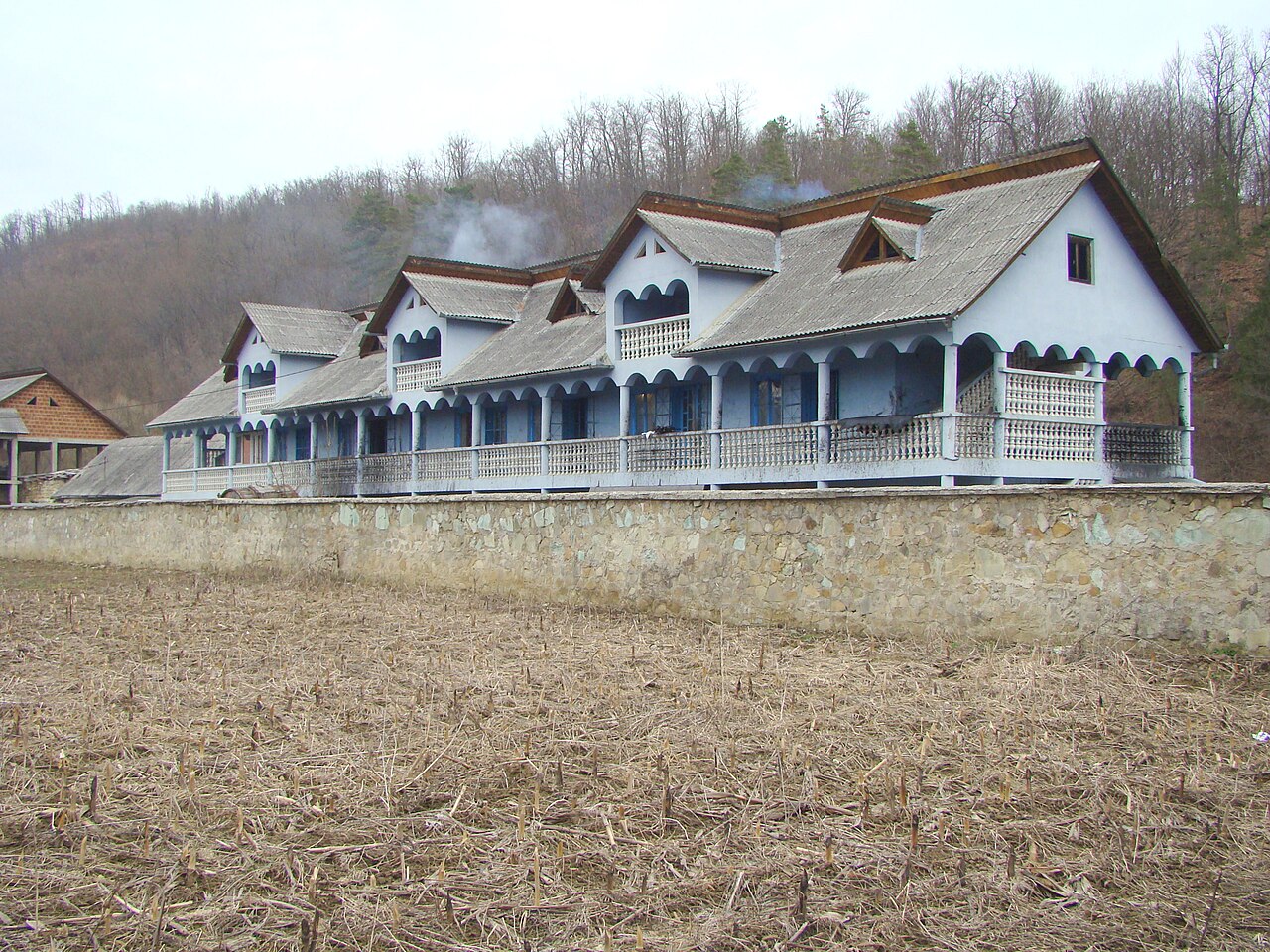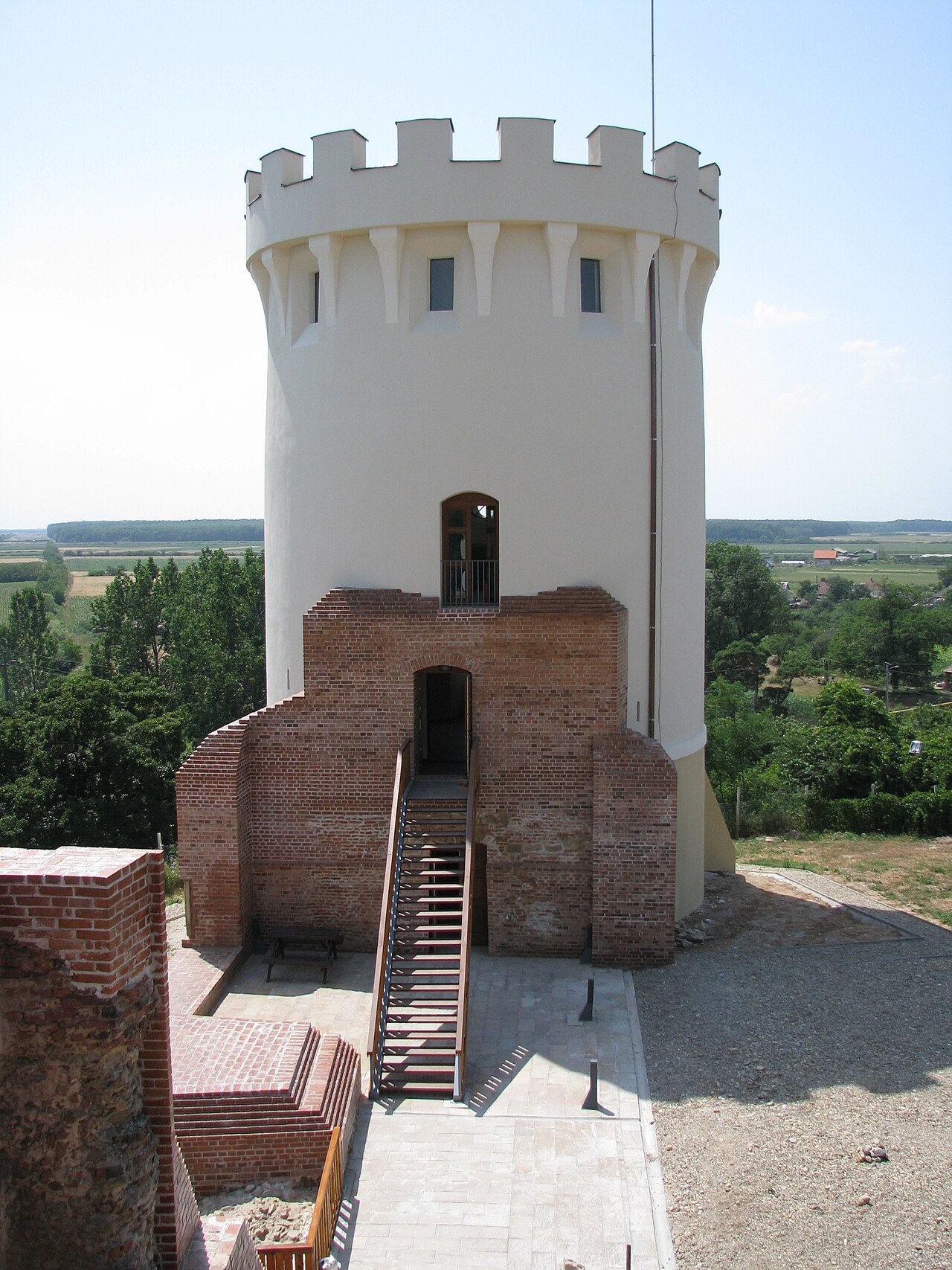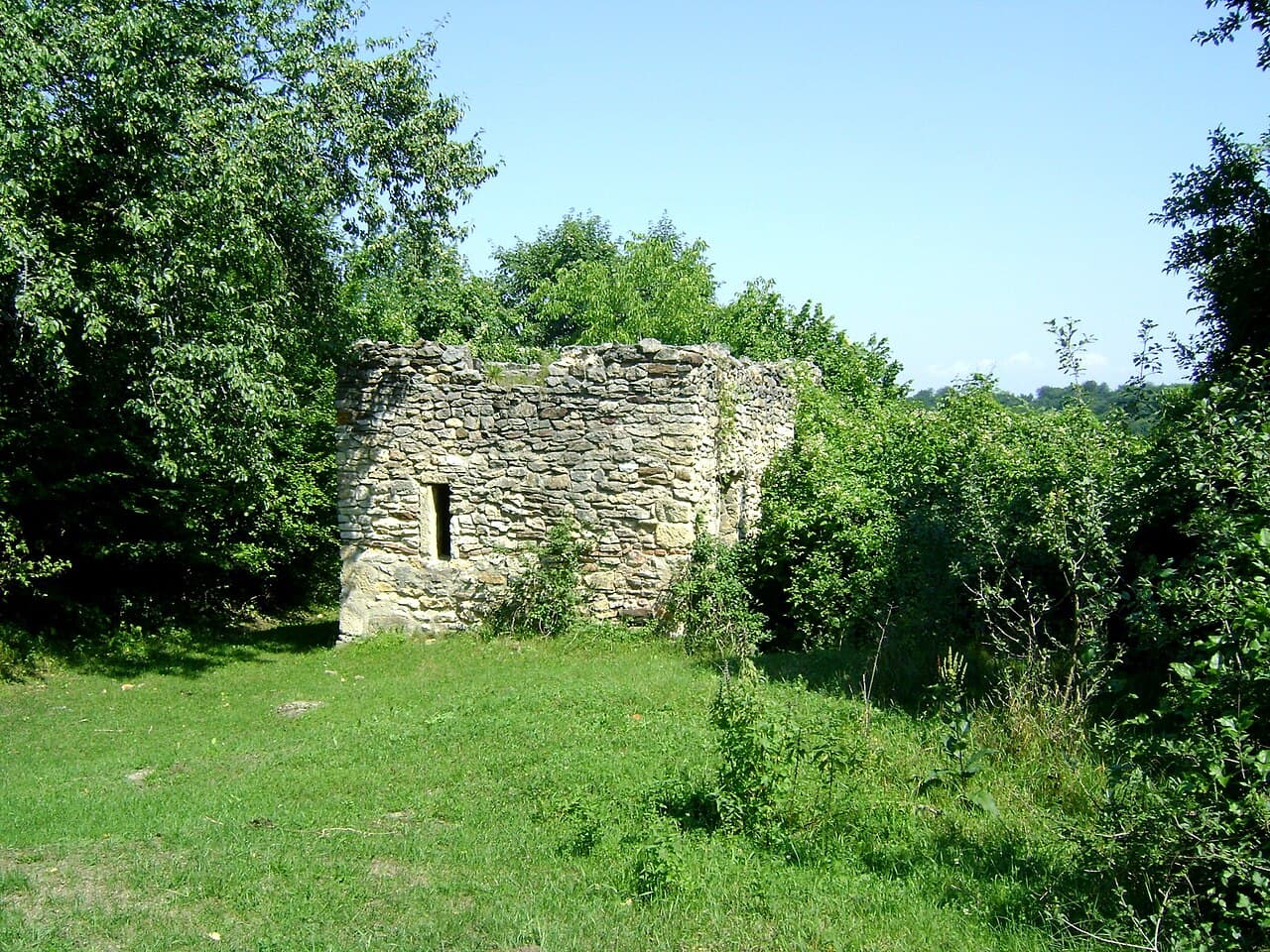
Chioar Fortress — Romania castle

Chioar Fortress

Chioar fortress: historic medieval ruins in romania
Ruins

Chioar Fortress is a significant medieval stronghold located in the historical region of Maramureș, Romania. Perched on a strategic hilltop, the fortress occupies a commanding position that allowed it to control the surrounding valleys and trade routes. Though today it stands as archaeological ruins, the site reveals important insights into medieval military architecture and regional history.

Historical background and strategic importance

The origins of Chioar Fortress date back to the late medieval period, likely constructed during the 14th or 15th century. It was built to serve as a defensive bastion against invasions and to assert control over the Maramureș region, which was a contested borderland throughout much of the Middle Ages. The fortress was part of a network of fortifications that protected local settlements and trade routes from incursions by neighboring powers.

Throughout its history, the fortress witnessed various conflicts and sieges, reflecting the turbulent political landscape of medieval Eastern Europe. Its position on a hill provided natural defenses, supplemented by man-made fortifications that enhanced its resilience against attackers.

Architectural features and layout

The remains of Chioar Fortress consist primarily of stone walls and foundations that outline the original perimeter. The fortress was designed as a hill castle, taking advantage of the elevated terrain for defense. The walls were thick and constructed from local stone, featuring defensive towers at key points to provide vantage points for archers and lookouts.

Although much of the superstructure has collapsed over time, archaeological studies have identified the locations of the main gate, inner courtyards, and residential quarters. The layout suggests a compact but functional design focused on defense and habitation, typical of late medieval military architecture in the region.

Cultural and heritage significance

Today, Chioar Fortress stands as an important cultural and historical landmark in Romania. Its ruins attract scholars and visitors interested in medieval history and architecture. The site offers a tangible connection to the region's past and serves as a reminder of the strategic importance of fortifications in medieval Eastern Europe.

Efforts to preserve the ruins focus on archaeological research and maintaining the site's integrity. The fortress is accessible to visitors who can explore the remains and enjoy panoramic views of the surrounding landscape, which adds to its appeal as a heritage tourism destination.

Visiting chioar fortress

Visitors to Chioar Fortress can explore the ruins and learn about its historical context through informational displays and guided tours available in the region. The site is open year-round, though accessibility may vary with weather conditions due to its hilltop location. It is recommended to wear suitable footwear for walking on uneven terrain.

The fortress is located near local villages that provide amenities and additional cultural experiences, making it a worthwhile stop for those interested in history, architecture, and natural scenery.

Frequently asked questions (FAQ)

How do I get to Chioar Fortress?
Chioar Fortress is located in Maramureș County, Romania. The easiest way to reach it is by car, as it is accessible via local roads. Public transportation options may be limited, so consider planning your trip around available bus services.
What is the historical significance of Chioar Fortress?
Chioar Fortress dates back to the 13th century and played a crucial role in the defense against invasions during the medieval period. It is an excellent example of Transylvanian fortifications and reflects the region's rich history and architectural heritage. The fortress has been recognized as a historical monument, attracting many visitors interested in Romania's medieval past.
When was Chioar Fortress built?
Chioar Fortress was built in the 13th century, specifically around the year 1241. It was constructed as a defensive stronghold and has undergone various renovations over the centuries. Today, it stands as a testament to the architectural styles and military needs of that era.
Can I visit Chioar Fortress year-round?
Yes, Chioar Fortress is open to visitors year-round, although the best time to visit is during the spring and summer months when the weather is pleasant. It's advisable to check local weather conditions and any seasonal events that may affect accessibility. Guided tours are often available during peak tourist seasons.
Why is Chioar Fortress a popular tourist attraction?
Chioar Fortress is popular due to its stunning medieval architecture and panoramic views of the surrounding landscape. The fortress offers visitors a glimpse into Romania's rich history and is a perfect spot for photography. Additionally, its location near other historical sites makes it a great addition to a travel itinerary.
Is it possible to explore Chioar Fortress on my own?
Yes, visitors can explore Chioar Fortress independently, although guided tours are also available for those who prefer more context about the site's history and architecture. Self-guided exploration allows you to take your time and fully appreciate the fortress's features. Be sure to wear comfortable shoes as the terrain can be uneven.
What are the opening hours for Chioar Fortress?
Chioar Fortress typically opens at 9 AM and closes at 7 PM during the summer months, while winter hours may vary. It's recommended to check the official website or local tourism information for the most current opening times, especially during holidays or special events. Planning your visit around these hours will ensure you have ample time to explore.
Are there any nearby attractions to visit along with Chioar Fortress?
Yes, there are several nearby attractions, including the Wooden Churches of Maramureș, which are UNESCO World Heritage Sites. Additionally, the picturesque landscapes and traditional villages in the region offer a unique cultural experience. Consider visiting local markets and museums to enrich your visit.
What are the ticket prices for Chioar Fortress?
Entry to Chioar Fortress is generally affordable, with ticket prices around 10 RON for adults and discounts available for students and seniors. Prices may vary during special events or guided tours, so it's best to check in advance. This makes it an accessible option for both locals and tourists alike.

Photo gallery

Chioar Fortress
Click to view

Photo by George basesteanu•CC BY-SA 4.0

1 photo • Click any image to view in full screen

Information

Archaeological Site / Ruins

Loading map...

Visitor reviews

No reviews yet. Been here? Write the first review and help other travelers!

Write the first review

Visited this castle? Share your experience

Your review helps other travelers and adds first-hand knowledge to our encyclopedia.
Write a review

(5/5)

0/2000 characters

Your review will be visible after admin approval

Nearby castles

48 km
Lónyai Castle — Romania castle

Lónyai Castle

Medieșu Aurit, Romania

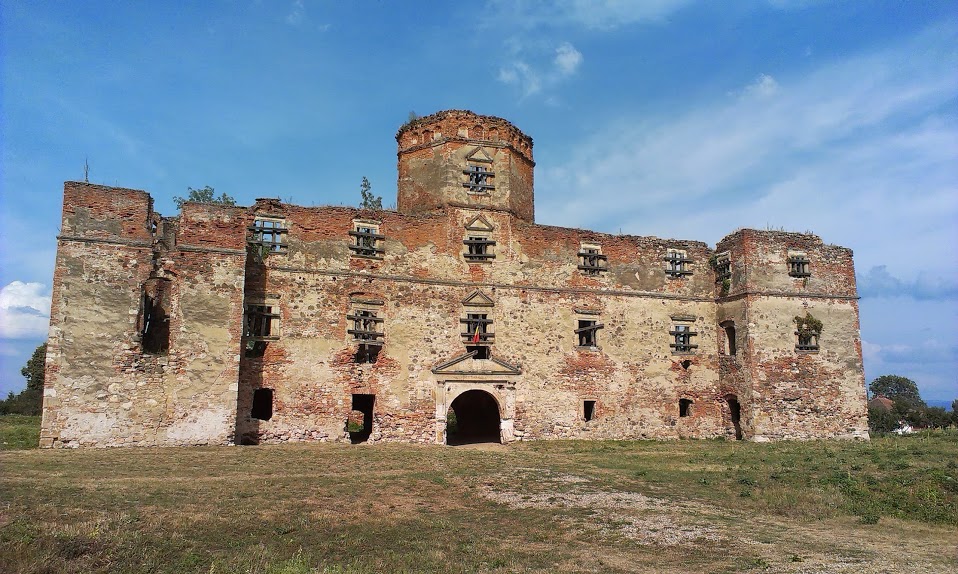
Lónyai Castle, located in the village of Medieșu Aurit in present-day Romania, stands as a remarkable example of a hill castle with a complex history spanning from the 13th century through the 18th century. Originally established by local Transylvanian nobility, the castle played a significant role in the region's medieval and early modern history, serving both military and residential purposes. Medieval origins and early ownership The first documented mention of the settlement associated with the castle appears in 1271, referred to as villa Megyes in a royal privilege granted by King Stephen V. By 1278, the castle property was owned by András, son of Jacob of the Kaplon clan. However, after András attacked King Ladislaus IV, ownership was revoked and transferred to Nicholas of the Pok clan, a prominent figure who served as voivode of Transylvania. The Pok family maintained control of the fortress for several generations. In the early 15th century, the castle became the seat of Simon Meggyesi and his brother János, who governed from 1429. By 1442, ownership had passed to Móricz Móriczhidai. Following the extinction of the Móriczhidai family line in 1493, the castle was seized by force by siblings András and István Báthory. This led to prolonged legal disputes lasting until 1520. During this period, the castle declined somewhat due to the Báthory family's limited residence, though it remained under their domain until 1626. Renaissance transformation under segismund lónyai A pivotal chapter in the castle's history began in 1630 when it was granted to Segismund Lónyai, whose mother, Kata Báthory of Somlya, linked him to the influential Báthory family. Segismund undertook extensive renovations, reinforcing the fortress with defensive walls, bastions, and drawbridges. He rebuilt the castle in the Renaissance architectural style, transforming it into a comfortable and fortified noble residence. A Latin inscription above the entrance commemorates this transformation, crediting Segismund as Count of Kraszna. Architectural features of the renaissance rebuild The Renaissance reconstruction introduced symmetrical layouts and elegant stonework typical of the period. The addition of bastions and defensive walls reflected contemporary military architectural trends aimed at resisting artillery attacks. Drawbridges enhanced the castle's defensibility, controlling access over moats or ditches. These features marked a significant evolution from the earlier medieval fortress, blending functionality with refined residential elements. Decline and conflict in the late 17th century After Segismund Lónyai's death in 1643, the estate passed to his daughter Anna Lónyai, who married John Kemény, a notable Transylvanian prince. In 1669, Anna instigated a local noble uprising against the German mercenary garrison stationed at nearby Satu Mare Castle, an act that led to charges of treason. As a consequence, her lands were confiscated, and the castle's bastions were deliberately demolished by explosion to prevent further military use. The castle suffered additional damage during the Rákóczi's War of Independence in 1707 when it was burned. Subsequently, the estate was absorbed into the royal treasury and administered as part of the Satu Mare Castle domain. 18th-century rebuilding and later ownership In 1732, Baron Ferenc Wesselényi inherited the property and initiated the construction of a new castle on the same site. This 18th-century building reused stones and materials from the medieval ruins, incorporating Renaissance stylistic elements alongside influences from northern European architecture. These influences are particularly evident in the design of gates, window frames, and interior finishes, reflecting a blend of local tradition and broader European trends. Ownership later passed to prominent noble families, including Countess Zsuzsanna Bethlen and Count Sámuel Teleki (1739–1822). Their descendants managed the estate until the early 20th century, after which it became part of the possessions of Queen Maria of Romania. 20th-century conflicts and current condition During World War II, German forces retreating through the region repurposed the castle as an ammunition depot. An explosion during this period destroyed the roof and caused significant structural damage, leaving the castle in ruins. Today, the castle remains roofless, with surviving walls and architectural details offering valuable insight into its layered history. Preservation and heritage status The remains of Lónyai Castle are recognized as a national historic monument in Romania, listed under the identifier LMI SM-II-a-A-05332 and registered with the RAN code 138093.04. The site attracts historians and visitors interested in Transylvanian noble heritage, Renaissance architecture, and military fortifications. The visible ruins reveal the footprint of the 17th-century fortifications added by Segismund Lónyai, including traces of bastions and defensive walls. The 18th-century reconstruction elements showcase a unique blend of Renaissance and northern European architectural features, particularly around gates and window frames. The Latin inscription above the entrance remains a poignant reminder of the castle's historical significance and its Renaissance transformation. Architectural and historical significance Lónyai Castle embodies the evolution of Transylvanian castle architecture from medieval fortifications to Renaissance noble residences. Its strategic hilltop location allowed for effective defense while providing a prestigious domicile for influential families. The castle's history reflects the turbulent political landscape of Transylvania, marked by noble conflicts, royal interventions, and wars of independence. Today, the ruins serve as a testament to the region's rich cultural heritage and architectural legacy. Preservation efforts focus on maintaining the structural remains and promoting awareness of the castle's historical and artistic value.

High Medieval (11th–13th c.)
Details
48.8 km
Károly Castle, Dobric — Romania castle

Károly Castle, Dobric

Dobric, Romania

Károly Castle, located in the village of Dobric in Romania, is a notable example of a hill castle that reflects the architectural and historical heritage of the region. Though not as widely known internationally as some other Romanian castles, Károly Castle holds local significance due to its strategic location and its representation of medieval fortification styles. Historical context and location The castle is situated on elevated terrain, characteristic of hill castles, which were often constructed to provide natural defense advantages. The elevation allowed defenders to monitor surrounding areas and control access routes, a common strategic feature in medieval fortifications across Europe. Dobric, the village where the castle stands, is located in Romania, a country with a rich history of fortifications influenced by various cultural and political changes over centuries. Károly Castle likely served as a local stronghold during periods of regional conflict and territorial defense. Architectural features As a hill castle, Károly Castle's design would have incorporated the natural topography to enhance its defensive capabilities. Typically, such castles include robust stone walls, towers for surveillance and defense, and a fortified gatehouse controlling entry. While specific architectural details of Károly Castle are less documented, it is reasonable to infer that it features some or all of these elements. The castle's construction period is believed to be within the medieval era, although exact dating is uncertain. The style likely reflects the regional influences of the time, possibly incorporating elements of Gothic or transitional medieval architecture, common in Romanian castles built between the 13th and 16th centuries. Preservation and current status The current condition of Károly Castle is not extensively documented, but many castles of similar type and age in Romania exist in states ranging from ruins to partially preserved. The castle's preservation status would impact its accessibility and the extent to which visitors can explore its structures. Efforts to maintain or restore such castles are often undertaken by local authorities or heritage organizations, aiming to protect cultural landmarks and promote tourism. The castle’s location in Dobric offers scenic views and a tangible connection to Romania’s medieval past. Significance and cultural heritage Károly Castle contributes to the cultural landscape of Romania by representing the medieval defensive architecture typical of the region. Its presence underscores the historical importance of fortifications in protecting local communities and controlling strategic territories. While it may not be as prominent as larger Romanian castles like Bran Castle or Corvin Castle, Károly Castle remains an important part of local heritage and offers insights into the architectural and historical developments of hill castles in Eastern Europe. Visitor information Information on visiting Károly Castle is limited, but visitors interested in medieval architecture and Romanian history may find the site worthwhile. The castle’s hilltop location provides opportunities for hiking and photography, especially for those interested in exploring lesser-known historical sites. Prospective visitors should check with local tourism offices or heritage organizations in Dobric or the surrounding region for up-to-date information on access, guided tours, and any preservation activities.

Details
55.3 km
Ardud fortress — Romania castle

Ardud fortress

, Romania

Ardud fortress is a notable example of a bastioned fortress located in Romania. This type of fortress is characterized by its angular bastions designed to provide defensive fire in multiple directions, a development in military architecture that became prominent in the early modern period. The fortress at Ardud reflects the strategic importance of fortifications in the region, serving as a military stronghold that controlled key routes and protected local settlements. Historical context and significance The fortress was constructed in a period when the evolution of artillery necessitated new defensive designs. Bastioned fortresses like Ardud emerged primarily in the 16th to 18th centuries, adapting to the increased use of cannon and gunpowder weaponry. This period, often referred to as the post-medieval military era, saw a shift from medieval castles to more complex fortifications capable of withstanding sustained artillery bombardment. Ardud fortress played a role in the defense system of the region, which was historically contested by various powers including the Ottoman Empire and the Habsburg Monarchy. Its location in Romania placed it at a crossroads of military and political conflicts, making it a valuable asset for controlling territorial influence. Architectural features of Ardud fortress The fortress is distinguished by its bastions, which are angular projections from the main walls allowing defenders to cover adjacent walls with gunfire, eliminating blind spots. These bastions are connected by curtain walls that form a polygonal or star-shaped layout, typical of bastioned fortifications designed for optimal defense. The walls of Ardud fortress are constructed of robust stone and brick, materials chosen for their durability against cannon fire. The fortress also includes elements such as moats or dry ditches surrounding the walls, which served as obstacles to attacking forces. Within the fortress, there would have been casemates or vaulted chambers for storing ammunition and housing troops, as well as gatehouses fortified to control access. The design emphasizes both defense and the ability to sustain a garrison during sieges. Preservation and current condition Today, Ardud fortress is recognized as a historical monument reflecting the military architecture of its era. Its condition varies, with some parts partially preserved or in need of restoration. Efforts to maintain and study the fortress contribute to understanding the region's military history and architectural heritage. Visiting Ardud fortress Visitors to Ardud fortress can explore the remnants of its bastioned walls and appreciate the strategic design that once made it a formidable defense point. The site offers insights into the technological advancements in fortification during the early modern period and the historical conflicts that shaped the region. Nearby attractions and accessibility The fortress is situated in an area with other historical sites and natural landscapes, providing a rich cultural experience for visitors. Accessibility may vary depending on local infrastructure, so planning ahead is advisable for those interested in exploring this bastioned fortress and its surroundings.

Post-Renaissance (17th–18th c.)
Details