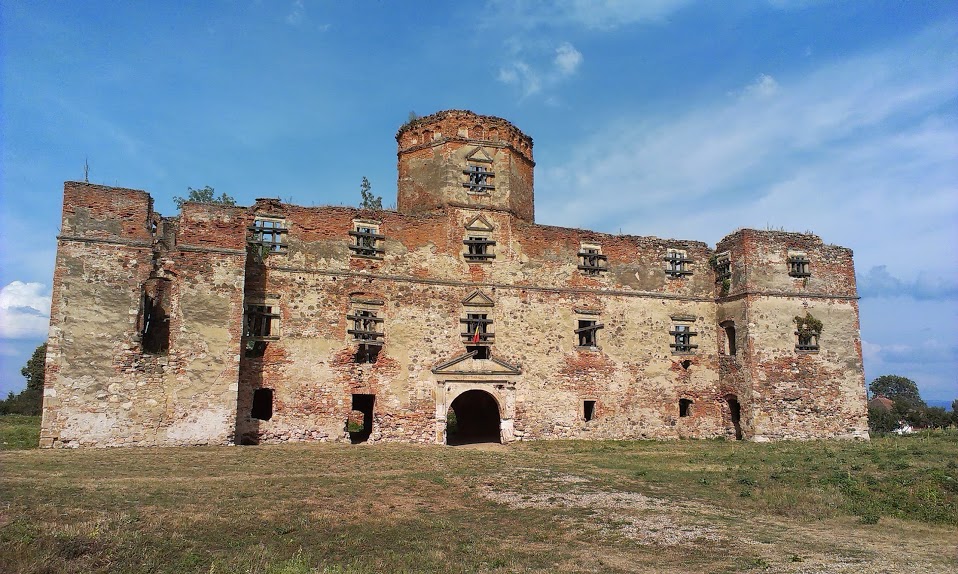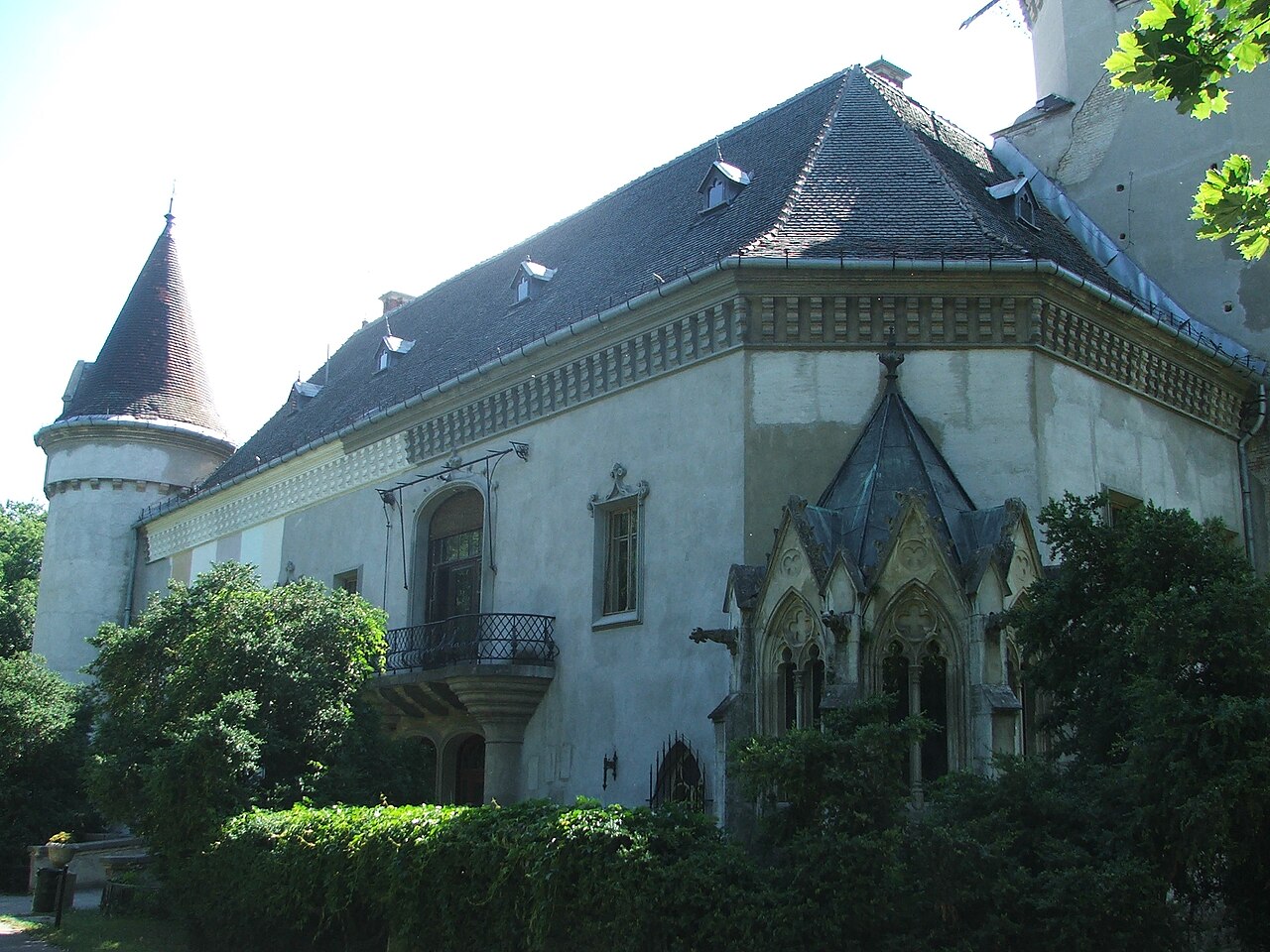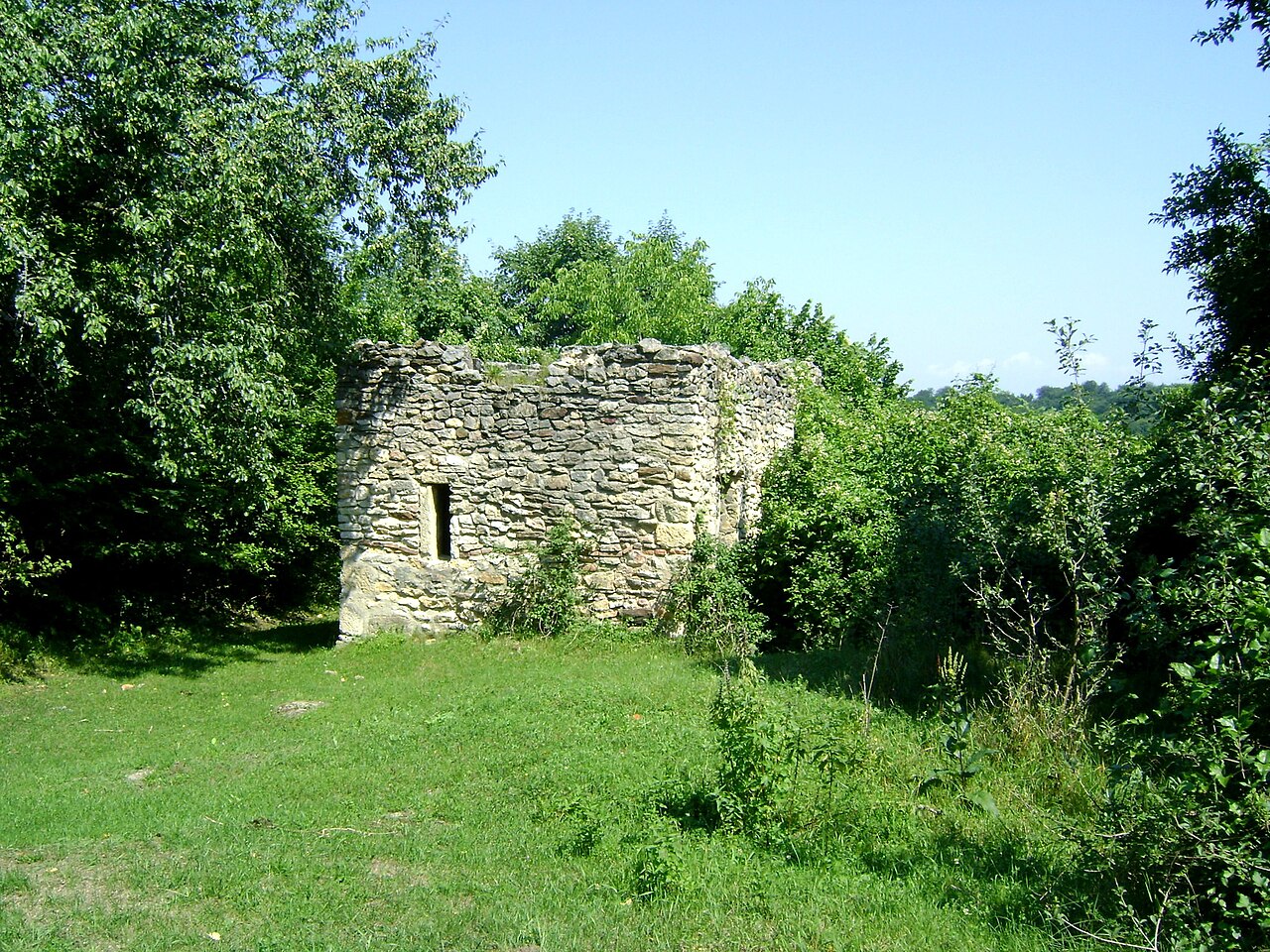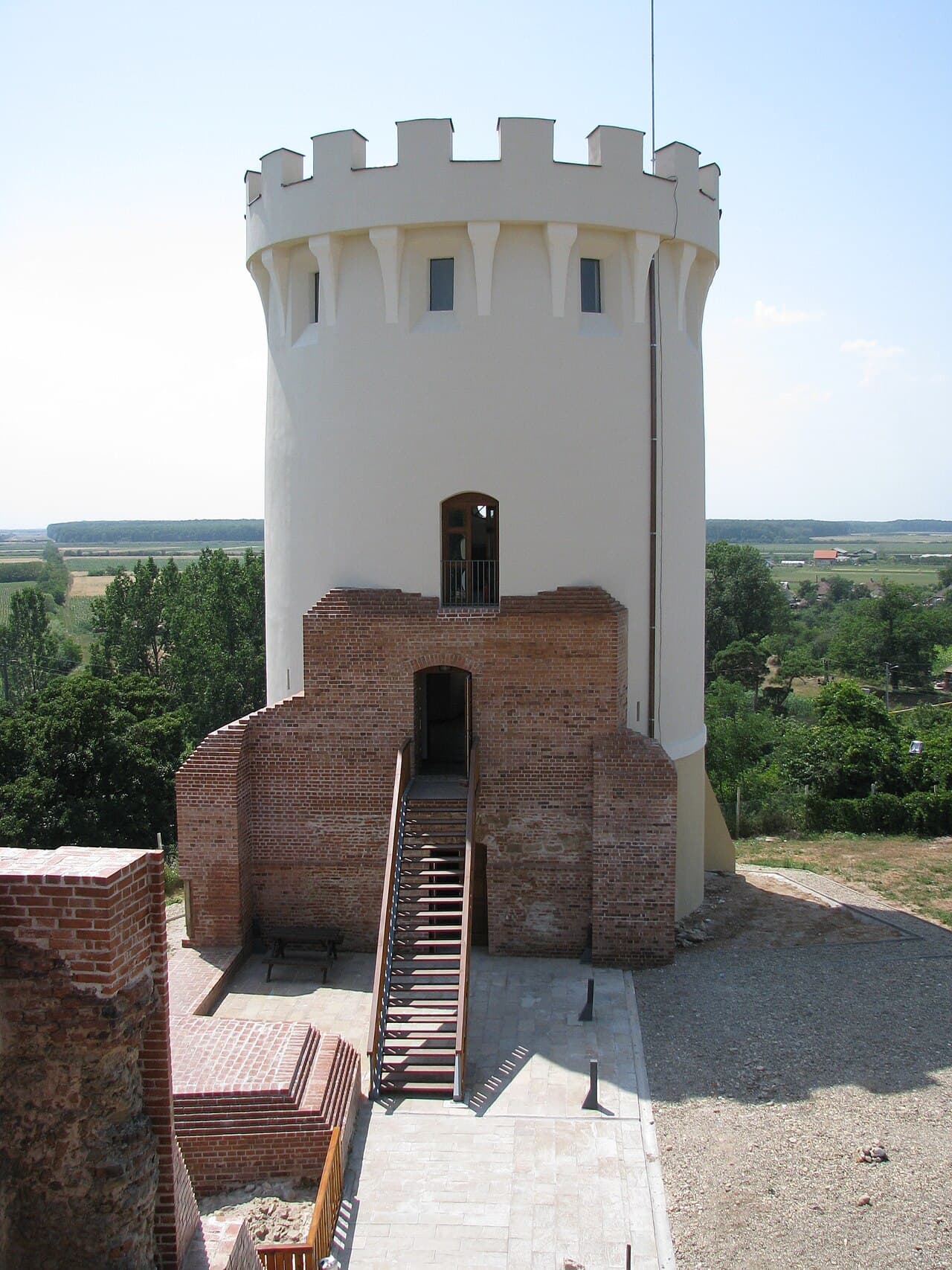
Ardud fortress is a notable example of a bastioned fortress located in Romania. This type of fortress is characterized by its angular bastions designed to provide defensive fire in multiple directions, a development in military architecture that became prominent in the early modern period. The fortress at Ardud reflects the strategic importance of fortifications in the region, serving as a military stronghold that controlled key routes and protected local settlements.
Historical context and significance
The fortress was constructed in a period when the evolution of artillery necessitated new defensive designs. Bastioned fortresses like Ardud emerged primarily in the 16th to 18th centuries, adapting to the increased use of cannon and gunpowder weaponry. This period, often referred to as the post-medieval military era, saw a shift from medieval castles to more complex fortifications capable of withstanding sustained artillery bombardment.
Ardud fortress played a role in the defense system of the region, which was historically contested by various powers including the Ottoman Empire and the Habsburg Monarchy. Its location in Romania placed it at a crossroads of military and political conflicts, making it a valuable asset for controlling territorial influence.
Architectural features of Ardud fortress
The fortress is distinguished by its bastions, which are angular projections from the main walls allowing defenders to cover adjacent walls with gunfire, eliminating blind spots. These bastions are connected by curtain walls that form a polygonal or star-shaped layout, typical of bastioned fortifications designed for optimal defense.
The walls of Ardud fortress are constructed of robust stone and brick, materials chosen for their durability against cannon fire. The fortress also includes elements such as moats or dry ditches surrounding the walls, which served as obstacles to attacking forces.
Within the fortress, there would have been casemates or vaulted chambers for storing ammunition and housing troops, as well as gatehouses fortified to control access. The design emphasizes both defense and the ability to sustain a garrison during sieges.
Preservation and current condition
Today, Ardud fortress is recognized as a historical monument reflecting the military architecture of its era. Its condition varies, with some parts partially preserved or in need of restoration. Efforts to maintain and study the fortress contribute to understanding the region's military history and architectural heritage.
Visiting Ardud fortress
Visitors to Ardud fortress can explore the remnants of its bastioned walls and appreciate the strategic design that once made it a formidable defense point. The site offers insights into the technological advancements in fortification during the early modern period and the historical conflicts that shaped the region.
Nearby attractions and accessibility
The fortress is situated in an area with other historical sites and natural landscapes, providing a rich cultural experience for visitors. Accessibility may vary depending on local infrastructure, so planning ahead is advisable for those interested in exploring this bastioned fortress and its surroundings.
Frequently asked questions (FAQ)
- When was Ardud fortress built?
- Ardud fortress was constructed during the post-medieval period, likely between the 16th and 18th centuries, reflecting the era's military architectural advancements.
- What architectural style characterizes Ardud fortress?
- Ardud fortress is characterized by bastioned fortification architecture, designed to withstand artillery attacks common in the post-Renaissance military era.
- Is Ardud fortress open to visitors?
- The fortress is accessible to visitors, though facilities and visiting hours may vary. It offers a historical experience of early modern military architecture.
- What is the current condition of Ardud fortress?
- The fortress is partially preserved, with some sections intact and others requiring restoration to maintain structural integrity.
- Why was the bastioned design important for Ardud fortress?
- The bastioned design allowed defenders to cover all approaches with gunfire, eliminating blind spots and improving the fortress's ability to resist artillery sieges.
Photo gallery

Information
Loading map...
Visitor reviews
No reviews yet. Been here? Write the first review and help other travelers!
Write the first reviewVisited this castle? Share your experience
Your review helps other travelers and adds first-hand knowledge to our encyclopedia.