Lónyai Castle
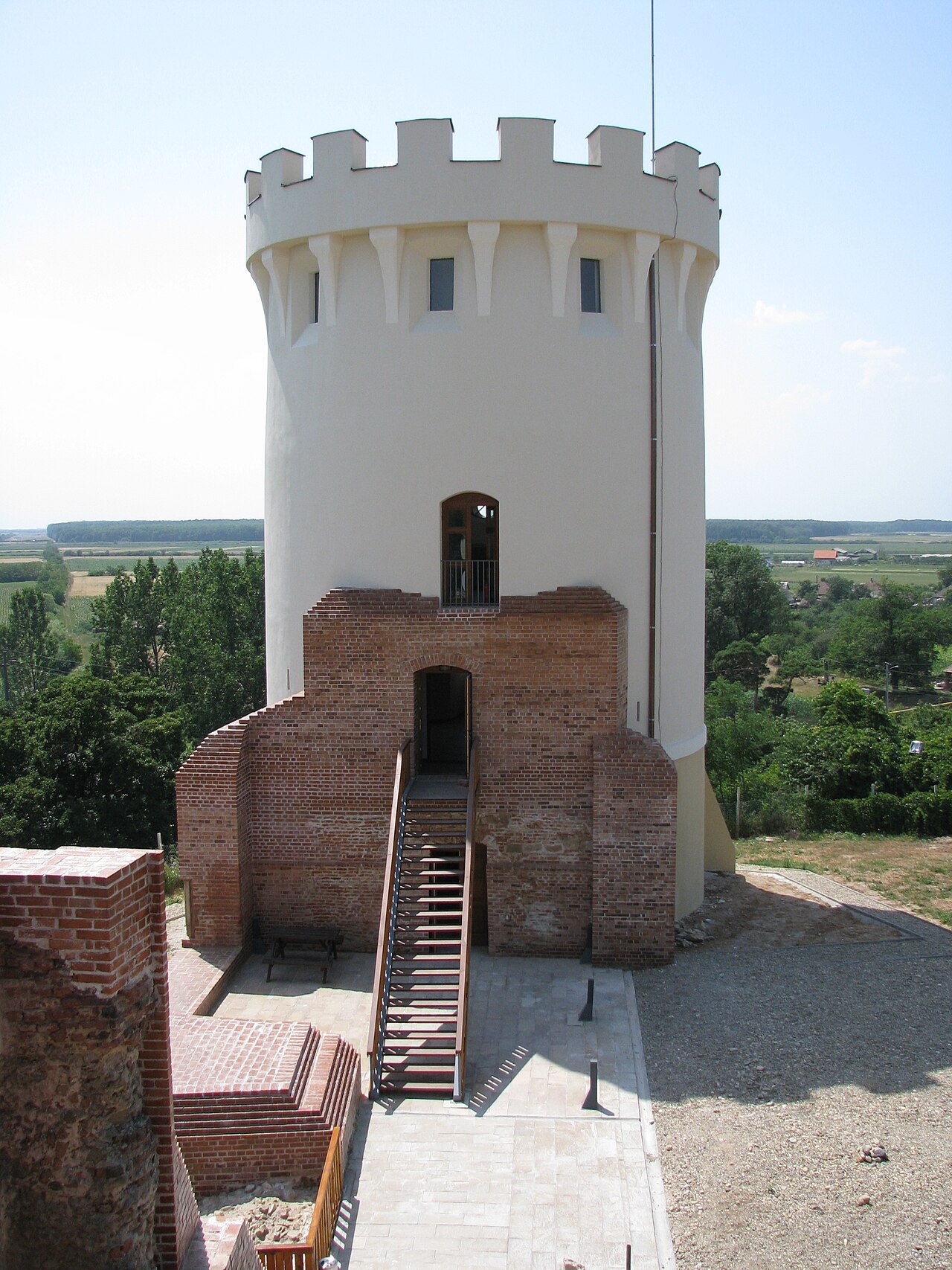
Lónyai Castle, located in the village of Medieșu Aurit in present-day Romania, stands as a remarkable example of a hill castle with a complex history spanning from the 13th century through the 18th century. Originally established by local Transylvanian nobility, the castle played a significant role in the region's medieval and early modern history, serving both military and residential purposes.
Medieval origins and early ownership
The first documented mention of the settlement associated with the castle appears in 1271, referred to as villa Megyes in a royal privilege granted by King Stephen V. By 1278, the castle property was owned by András, son of Jacob of the Kaplon clan. However, after András attacked King Ladislaus IV, ownership was revoked and transferred to Nicholas of the Pok clan, a prominent figure who served as voivode of Transylvania. The Pok family maintained control of the fortress for several generations.
In the early 15th century, the castle became the seat of Simon Meggyesi and his brother János, who governed from 1429. By 1442, ownership had passed to Móricz Móriczhidai. Following the extinction of the Móriczhidai family line in 1493, the castle was seized by force by siblings András and István Báthory. This led to prolonged legal disputes lasting until 1520. During this period, the castle declined somewhat due to the Báthory family's limited residence, though it remained under their domain until 1626.
Renaissance transformation under segismund lónyai
A pivotal chapter in the castle's history began in 1630 when it was granted to Segismund Lónyai, whose mother, Kata Báthory of Somlya, linked him to the influential Báthory family. Segismund undertook extensive renovations, reinforcing the fortress with defensive walls, bastions, and drawbridges. He rebuilt the castle in the Renaissance architectural style, transforming it into a comfortable and fortified noble residence. A Latin inscription above the entrance commemorates this transformation, crediting Segismund as Count of Kraszna.
Architectural features of the renaissance rebuild
The Renaissance reconstruction introduced symmetrical layouts and elegant stonework typical of the period. The addition of bastions and defensive walls reflected contemporary military architectural trends aimed at resisting artillery attacks. Drawbridges enhanced the castle's defensibility, controlling access over moats or ditches. These features marked a significant evolution from the earlier medieval fortress, blending functionality with refined residential elements.
Decline and conflict in the late 17th century
After Segismund Lónyai's death in 1643, the estate passed to his daughter Anna Lónyai, who married John Kemény, a notable Transylvanian prince. In 1669, Anna instigated a local noble uprising against the German mercenary garrison stationed at nearby Satu Mare Castle, an act that led to charges of treason. As a consequence, her lands were confiscated, and the castle's bastions were deliberately demolished by explosion to prevent further military use.
The castle suffered additional damage during the Rákóczi's War of Independence in 1707 when it was burned. Subsequently, the estate was absorbed into the royal treasury and administered as part of the Satu Mare Castle domain.
18th-century rebuilding and later ownership
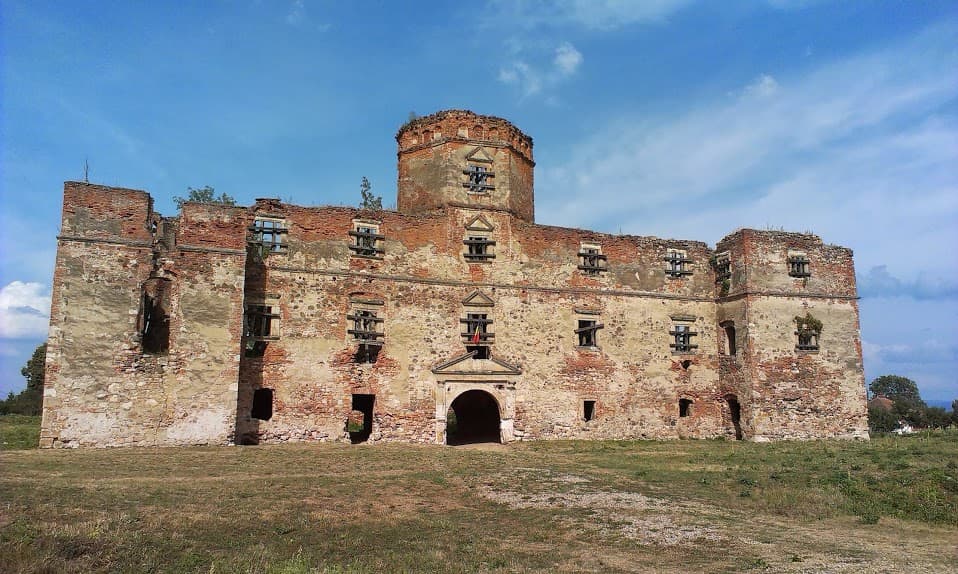
In 1732, Baron Ferenc Wesselényi inherited the property and initiated the construction of a new castle on the same site. This 18th-century building reused stones and materials from the medieval ruins, incorporating Renaissance stylistic elements alongside influences from northern European architecture. These influences are particularly evident in the design of gates, window frames, and interior finishes, reflecting a blend of local tradition and broader European trends.
Ownership later passed to prominent noble families, including Countess Zsuzsanna Bethlen and Count Sámuel Teleki (1739–1822). Their descendants managed the estate until the early 20th century, after which it became part of the possessions of Queen Maria of Romania.
20th-century conflicts and current condition
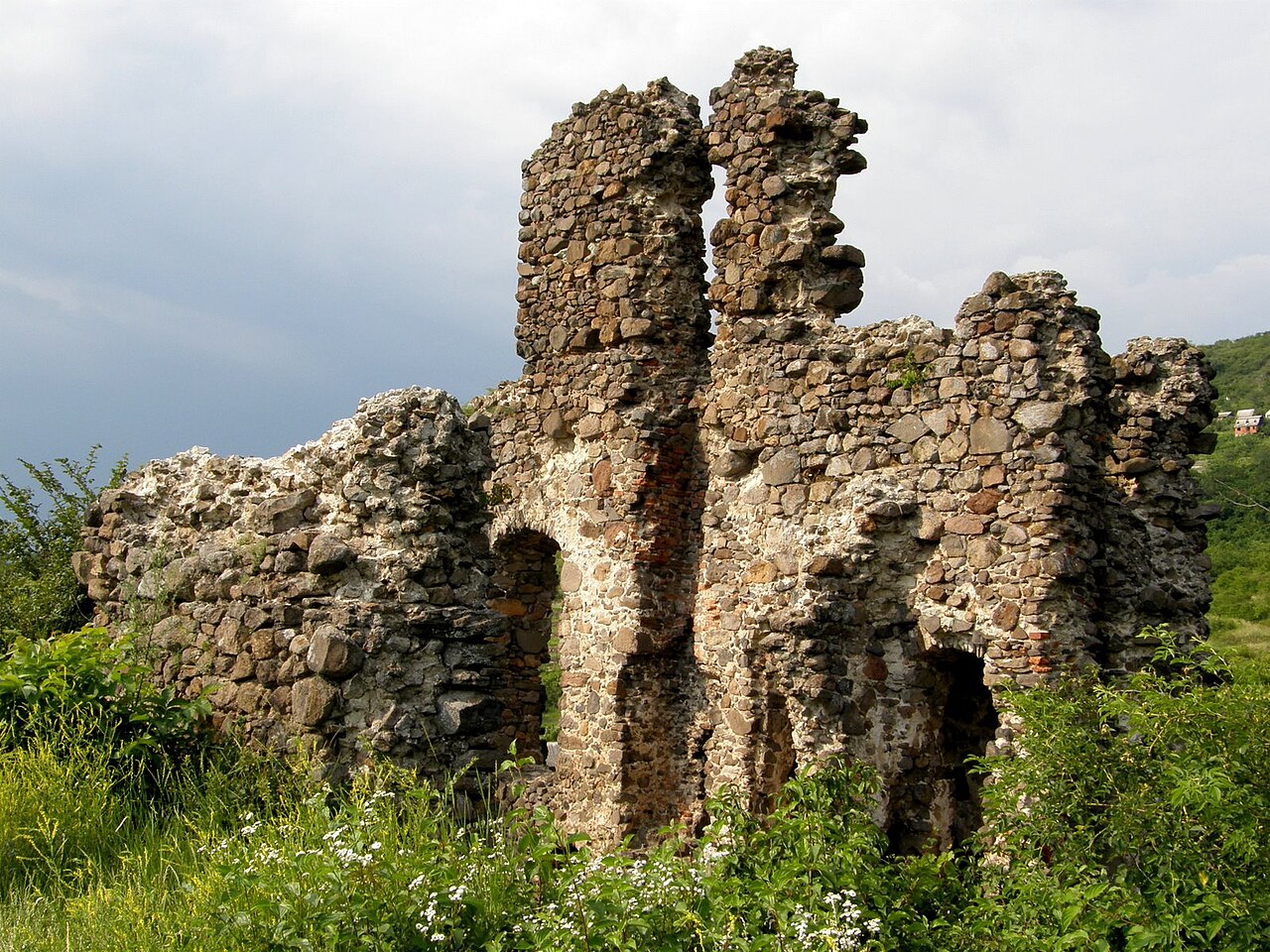
During World War II, German forces retreating through the region repurposed the castle as an ammunition depot. An explosion during this period destroyed the roof and caused significant structural damage, leaving the castle in ruins. Today, the castle remains roofless, with surviving walls and architectural details offering valuable insight into its layered history.
Preservation and heritage status
The remains of Lónyai Castle are recognized as a national historic monument in Romania, listed under the identifier LMI SM-II-a-A-05332 and registered with the RAN code 138093.04. The site attracts historians and visitors interested in Transylvanian noble heritage, Renaissance architecture, and military fortifications.
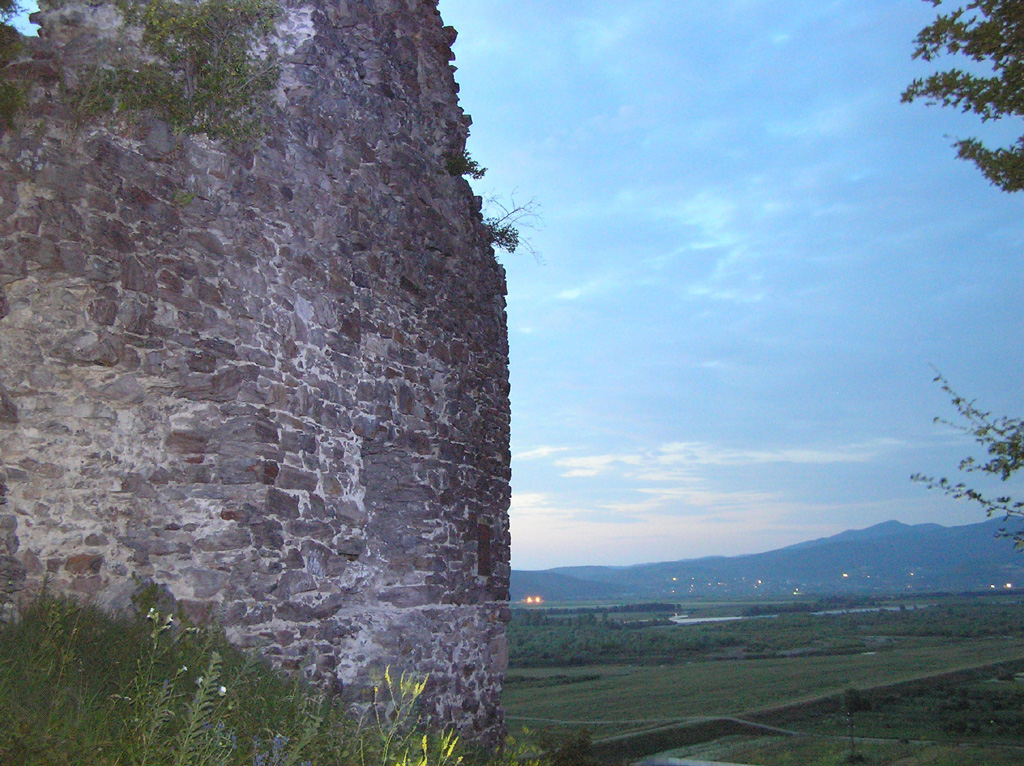
The visible ruins reveal the footprint of the 17th-century fortifications added by Segismund Lónyai, including traces of bastions and defensive walls. The 18th-century reconstruction elements showcase a unique blend of Renaissance and northern European architectural features, particularly around gates and window frames. The Latin inscription above the entrance remains a poignant reminder of the castle's historical significance and its Renaissance transformation.
Architectural and historical significance
Lónyai Castle embodies the evolution of Transylvanian castle architecture from medieval fortifications to Renaissance noble residences. Its strategic hilltop location allowed for effective defense while providing a prestigious domicile for influential families. The castle's history reflects the turbulent political landscape of Transylvania, marked by noble conflicts, royal interventions, and wars of independence.
Today, the ruins serve as a testament to the region's rich cultural heritage and architectural legacy. Preservation efforts focus on maintaining the structural remains and promoting awareness of the castle's historical and artistic value.
Frequently asked questions (FAQ)
- When was Lónyai Castle originally built?
- Lónyai Castle was originally established in the 13th century, with the first recorded mention of the settlement in 1271.
- What architectural style characterizes Lónyai Castle?
- The castle is primarily known for its Renaissance architectural style, especially following the 17th-century reconstruction by Segismund Lónyai.
- What caused the castle to fall into ruins?
- The castle suffered significant damage due to explosions after accusations of treason in the late 17th century and further destruction during World War II when the roof was destroyed by an ammunition depot explosion.
- Can visitors see the Latin inscription at Lónyai Castle?
- Yes, the Latin inscription above the castle's entrance commemorates the Renaissance rebuild by Segismund Lónyai and remains visible among the ruins.
- Who were the notable owners of Lónyai Castle?
- Notable owners included the Kaplon clan, the Pok clan, the Báthory family, Segismund Lónyai, and later noble families such as the Wesselényi, Bethlen, and Teleki families.
Photo gallery

Information
Loading map...
Visitor reviews
No reviews yet. Been here? Write the first review and help other travelers!
Write the first reviewVisited this castle? Share your experience
Your review helps other travelers and adds first-hand knowledge to our encyclopedia.