Jinli Qala
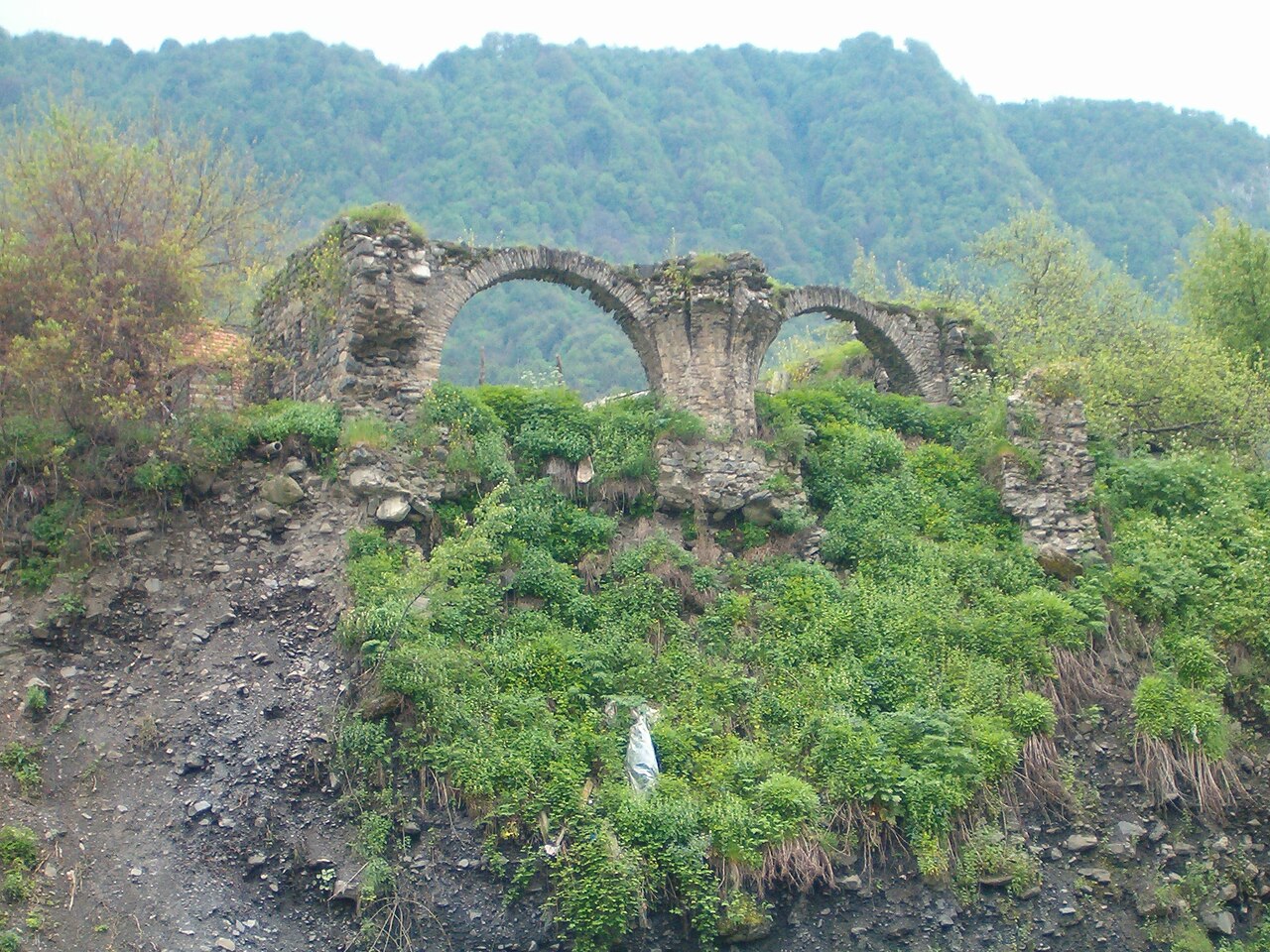
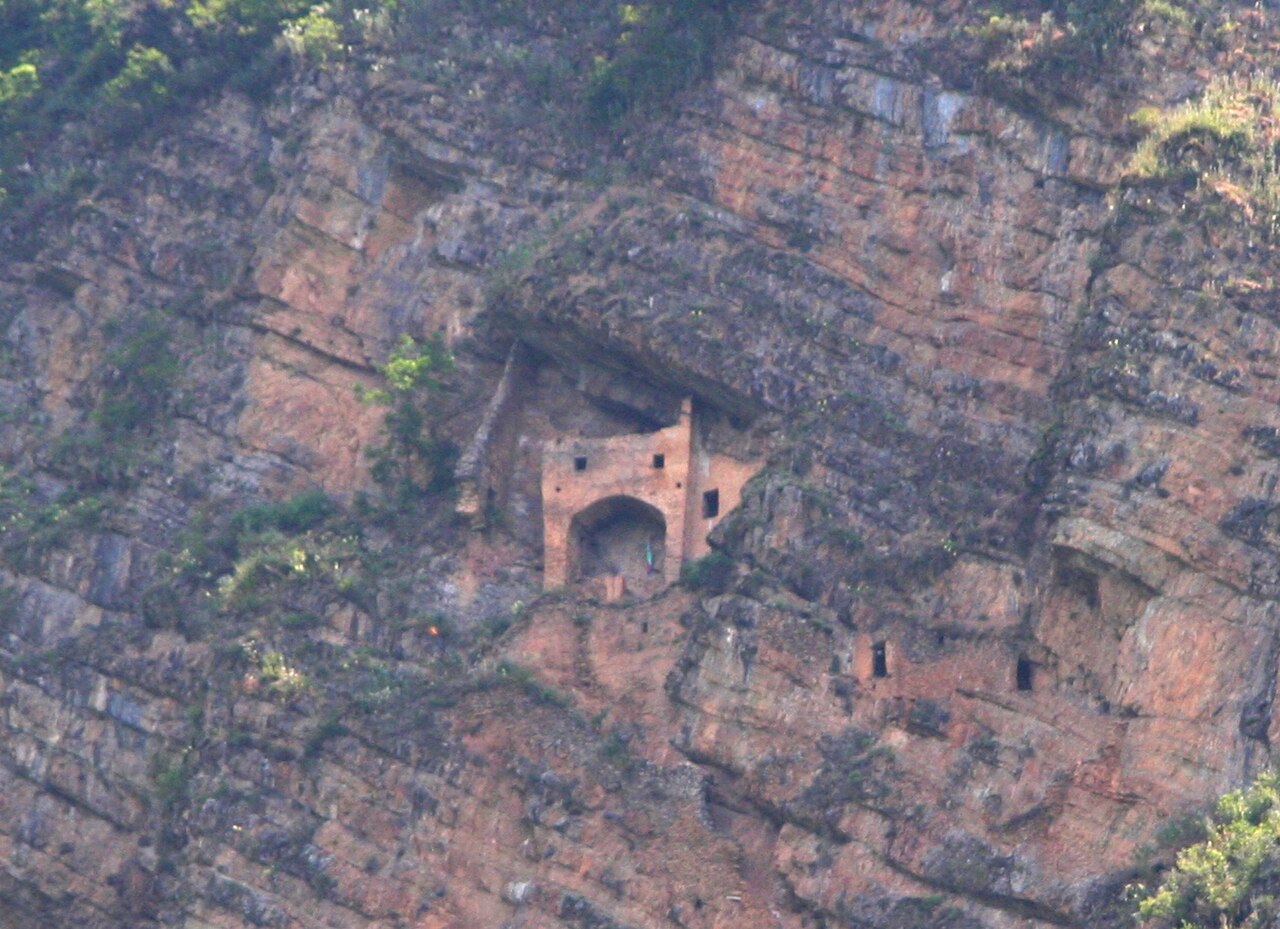
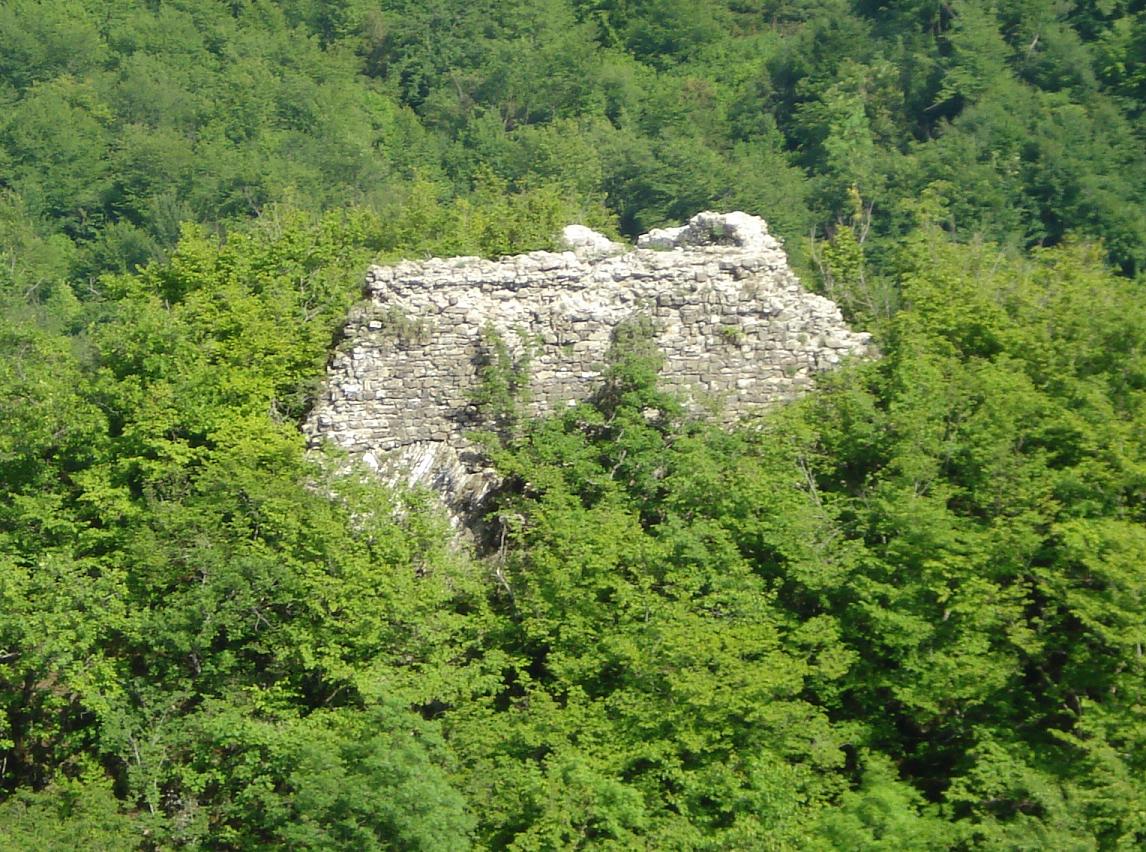
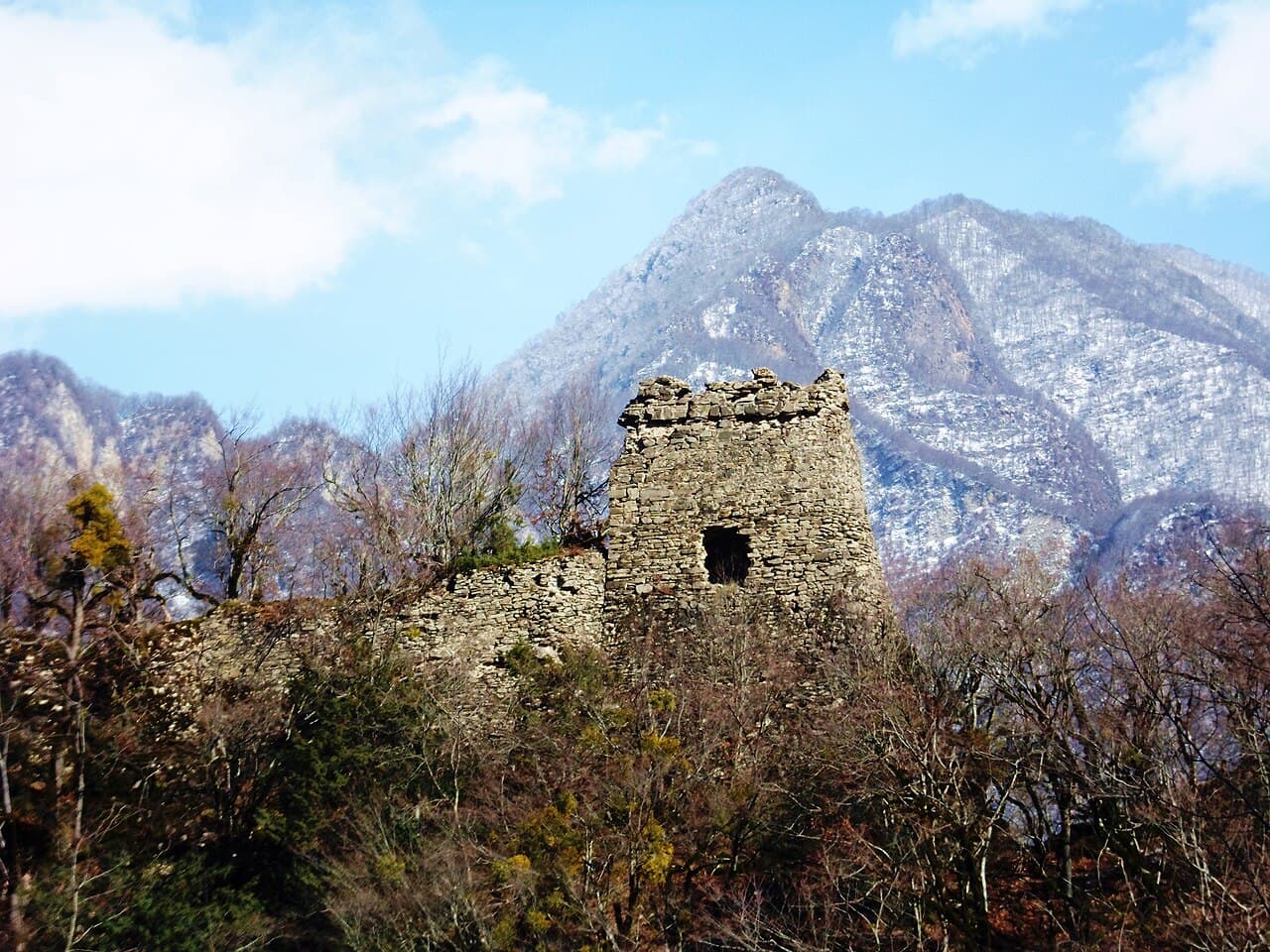
Jinli Castle, also known as Jinli-Gala (Azerbaijani: Cinli qala), is a historic fortress situated near the village of İlisu in the Gakh region of Azerbaijan. This bastioned fortress is recognized as an architectural monument of local importance by the Cabinet of Ministers of the Republic of Azerbaijan. Although there is some debate regarding its exact period of construction, the fortress is generally believed to have been built during the Early Medieval period, specifically between the 7th and 9th centuries. Some sources propose a later date in the 18th century, possibly linked to the era of frequent invasions and internal conflicts in the region, while others suggest the fortress saw use in the early 19th century amid clashes between Russian forces and local mountain populations.
Historical context and significance
The Gakh region where Jinli Qala is located has historically been a strategic area in the Caucasus, often contested due to its mountainous terrain and position along important trade and military routes. The fortress likely served as a defensive stronghold to protect local communities and control access through the region. Its construction during the early medieval centuries corresponds with a period of frequent regional conflicts and shifting powers, necessitating fortified structures for defense.
Later historical events, including the expansion of the Russian Empire into the Caucasus in the 18th and 19th centuries, may have led to the fortress's reuse or refurbishment, reflecting its ongoing military importance. The fortress's endurance through these centuries highlights its robust construction and strategic placement.
Architectural features and design
As a bastioned fortress, Jinli Qala exhibits key defensive architectural elements typical of fortifications designed to withstand sieges and attacks. The bastion design incorporates projecting parts of the fortress walls, allowing defenders to cover adjacent walls with crossfire, reducing blind spots. This design was a significant advancement in military architecture, improving the fortress's defensive capabilities against artillery and infantry assaults.
The fortress is constructed primarily from local stone, with thick walls designed to resist battering and provide shelter for defenders. Though detailed architectural surveys are limited, the fortress likely included towers, gates, and possibly moats or natural defensive barriers afforded by the mountainous landscape. The positioning near İlisu village suggests a commanding view of the surrounding terrain, critical for early warning and defense.
Structural layout
The layout of Jinli Qala would have been influenced by the natural topography, integrating the fortress into the hillside or rocky outcrop to maximize defense. Bastions placed at key points along the walls would provide overlapping fields of fire. The interior space would have accommodated garrison quarters, storage rooms, and possibly a central courtyard for assembling troops and supplies.
Cultural and heritage importance
Jinli Qala is recognized as an important cultural monument within Azerbaijan, reflecting the region's complex history of defense and settlement. Its designation as an architectural monument of local importance underlines its value for understanding medieval military architecture and regional history. The fortress contributes to the cultural landscape of Gakh, attracting scholars and visitors interested in Azerbaijan's historical fortifications.
Preservation efforts, though limited, aim to maintain the fortress's structural integrity and promote awareness of its historical significance. Its location near İlisu village makes it accessible for cultural tourism, offering insight into the defensive strategies employed in the Caucasus across centuries.
Current condition and preservation
Today, Jinli Qala stands as a partially preserved fortress, with some sections of its walls and bastions remaining intact while others have succumbed to natural decay and time. The fortress's mountainous setting has helped protect it from extensive damage, but exposure to the elements and lack of comprehensive restoration have left parts in ruins.
Ongoing interest in the site by local authorities and historians supports its conservation, though detailed restoration projects have been limited. Visitors to the site can observe the fortress's defensive features and appreciate its historical context within the rugged landscape of the Gakh region.
Visiting jinli qala
While Jinli Qala is not a major tourist destination with extensive visitor facilities, it offers a unique glimpse into Azerbaijan's medieval fortifications. Access is generally possible from İlisu village, with visitors advised to prepare for hiking and uneven terrain typical of mountain fortresses.
There are no formal visiting hours or entrance fees, reflecting the site's status as a local heritage monument rather than a fully developed tourist site. Visitors should respect the fragile state of the ruins and the surrounding natural environment during their visit.
Frequently asked questions
- When was Jinli Qala built? The fortress is believed to have been constructed between the 7th and 9th centuries, though some sources suggest later use or rebuilding in the 18th or early 19th centuries.
- What type of castle is Jinli Qala? It is a bastioned fortress, designed with projecting bastions for improved defense.
- Is Jinli Qala open to visitors? Yes, it is accessible to visitors, though there are no formal facilities or entrance fees.
- Where is Jinli Qala located? It is located near the village of İlisu in the Gakh region of Azerbaijan.
- What is the current condition of Jinli Qala? The fortress is partially preserved, with some walls and bastions still standing while other parts are in ruins.
Frequently asked questions (FAQ)
- When was Jinli Qala built?
- The fortress is believed to have been constructed between the 7th and 9th centuries, though some sources suggest later use or rebuilding in the 18th or early 19th centuries.
- What type of castle is Jinli Qala?
- It is a bastioned fortress, designed with projecting bastions for improved defense.
- Is Jinli Qala open to visitors?
- Yes, it is accessible to visitors, though there are no formal facilities or entrance fees.
- Where is Jinli Qala located?
- It is located near the village of İlisu in the Gakh region of Azerbaijan.
- What is the current condition of Jinli Qala?
- The fortress is partially preserved, with some walls and bastions still standing while other parts are in ruins.
Photo gallery

Information
Loading map...
Visitor reviews
No reviews yet. Been here? Write the first review and help other travelers!
Write the first reviewVisited this castle? Share your experience
Your review helps other travelers and adds first-hand knowledge to our encyclopedia.