Chilham Castle
Chilham Castle stands as a remarkable example of English heritage, combining a Norman polygonal keep dating from 1174 with a distinctive Jacobean manor house constructed in the early 17th century. Located in the village of Chilham near Canterbury in Kent, this historic site commands exceptional views across the valley of the River Stour. The castle's origins trace back to the High Medieval period, with archaeological evidence revealing its foundation atop an earlier Anglo-Saxon fortification from the 7th century, underscoring the site's long-standing strategic significance.
The norman keep: architecture and historical significance
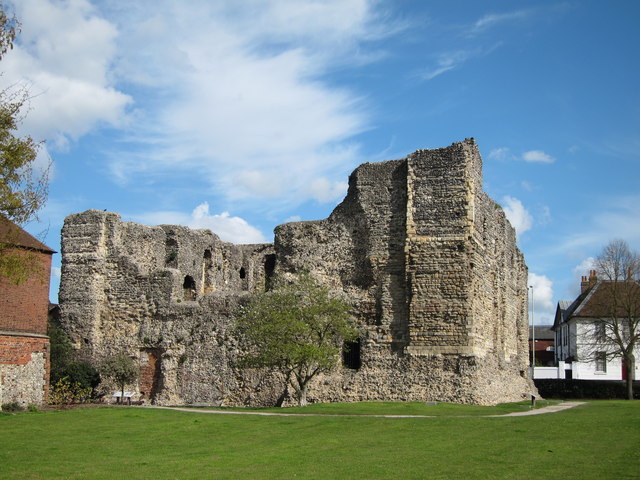
The polygonal keep of Chilham Castle is one of the oldest residential buildings in Great Britain still in use. Its unusual polygonal design distinguishes it from typical Norman keeps, which were more commonly square or rectangular. Built in 1174, it is believed to have been commissioned for King Henry II. The keep's robust stone walls and defensive features reflect the military architecture of the Norman period, designed to provide both security and status.
Excavations conducted in the 1920s uncovered foundations and remnants of the earlier Anglo-Saxon fortification beneath the keep, indicating the site's continuous occupation and strategic importance from early medieval times. The keep's enduring habitation highlights its adaptability and the quality of its construction.
Jacobean manor house and architectural features
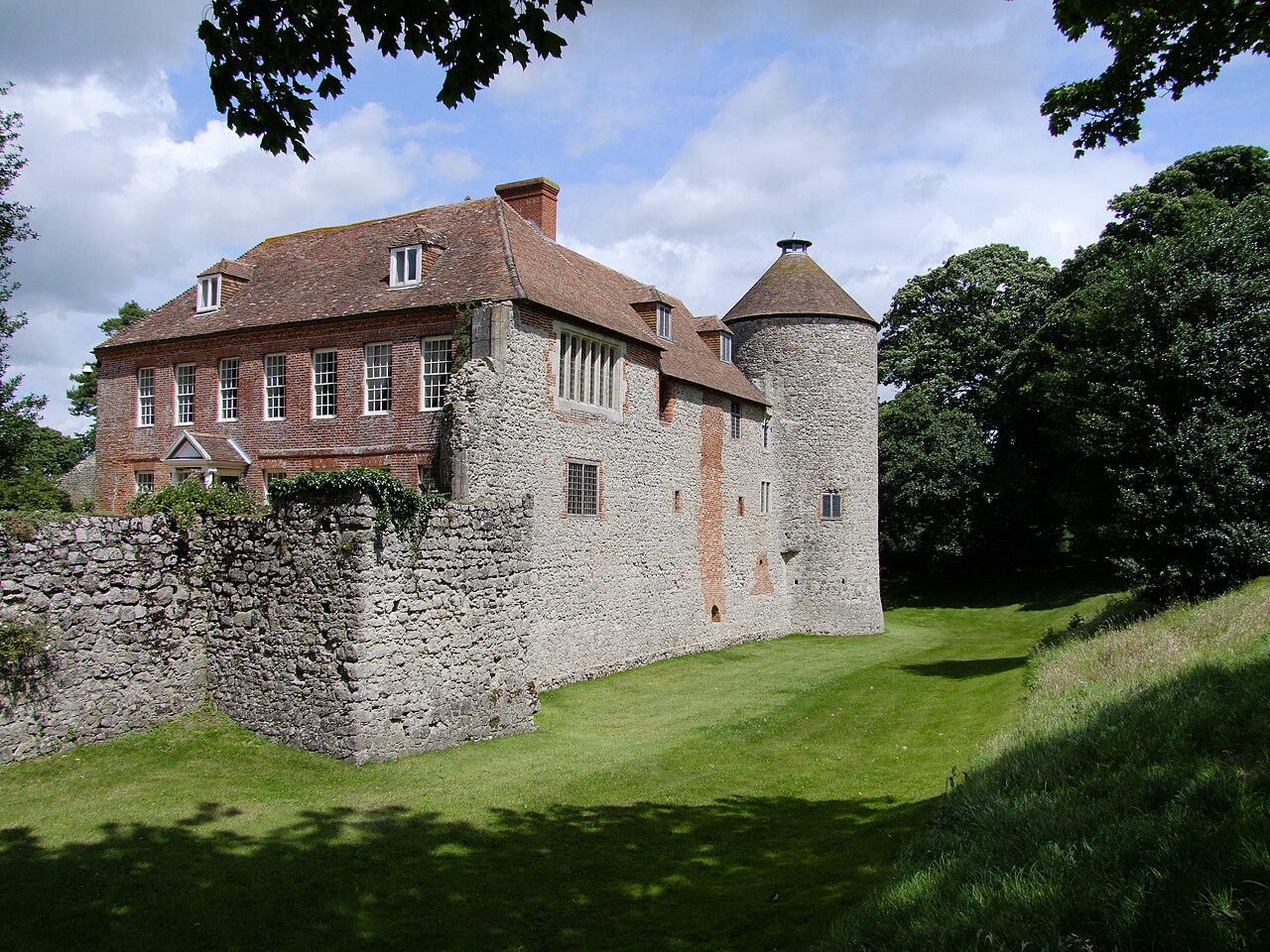
Adjacent to the Norman keep stands the Jacobean manor house, completed in 1616 for Sir Dudley Digges. This manor is architecturally notable for its hexagonal plan, consisting of five angled ranges and one open side, a distinctive layout that sets it apart from conventional manor houses of the period.
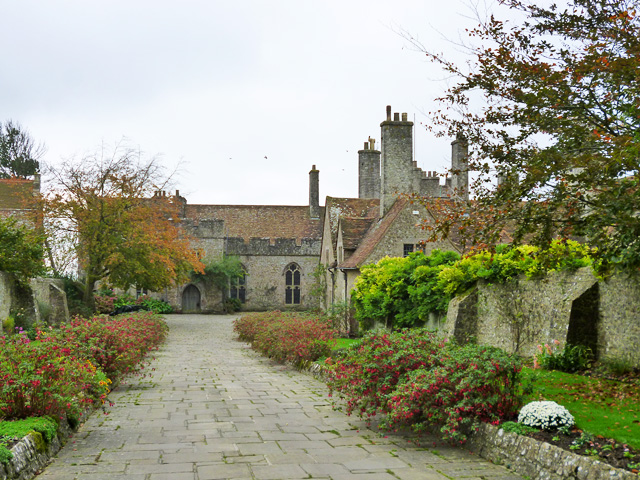
The manor's exterior is characterized by battlemented parapets, clustered facetted brick chimneys shaped like columns, and corner towers topped with squared ogee-shaped caps. These elements combine to create a bold yet vernacular appearance, blending defensive motifs with domestic comfort. While master mason Nicholas Stone, associated with architect Inigo Jones, contributed to funerary monuments nearby, the manor's design is not attributed to Jones, reflecting a more localized architectural influence.
Gardens and landscape evolution
The castle gardens have experienced significant transformations, particularly in the 18th century. Initially, the gardens were attributed to John Tradescant the Elder, an important early English gardener and plant collector. Later, banker James Colebrooke redesigned the grounds to create scenic vistas extending toward the River Stour, enhancing the estate's natural beauty.
Subsequently, the renowned landscape architect Capability Brown provided recommendations for further improvements during the ownership of Thomas Heron. Some of Brown's suggestions were implemented, contributing to the terraced gardens that descend toward a fishing lake established in the late 19th century under Charles Stewart Hardy. These landscaping efforts reflect evolving tastes from formal to more naturalistic garden design.
Ownership history and architectural modifications
Chilham Castle's ownership passed through several hands over the centuries, each leaving their mark on the estate. In 1794, banker James Wildman purchased the property, which then passed to his son James Beckford Wildman in 1816. Financial difficulties related to the emancipation of slaves on family estates in the West Indies led to the sale of the castle in 1861.
Subsequent owners commissioned notable architectural modifications. Architect David Brandon undertook work in 1862 for Charles Hardy, including updates to the manor and grounds. In the early 1920s, Herbert Baker made further alterations for Sir Edmund and Lady Davis. Architectural plans from these periods are preserved at the Victoria and Albert Museum, providing detailed insight into the castle's evolution.
Cultural significance and modern use
Throughout the 20th century, Chilham Castle served as a residence for notable figures, including painters Charles Ricketts and Charles Haslewood Shannon in the 1920s, and later John Whyte-Melville-Skeffington, 13th Viscount Massereene from 1949 to 1992. The castle was owned by financier and political activist Stuart Wheeler until his death in 2020.
The estate now includes the Chilham Park Equestrian Centre, reflecting its adaptation to contemporary uses. Chilham Castle's picturesque setting and historic architecture have made it a popular filming location for productions such as the 1965 film "The Amorous Adventures of Moll Flanders," the 1994 episode of "Agatha Christie's Poirot," and the 2006 television adaptation "The Moving Finger" featuring Miss Marple.
In April 2021, Chilham Castle was placed on the market with an asking price of £15 million, highlighting its status as a prestigious historic property combining medieval and Jacobean architecture with extensive landscaped grounds.
Architectural remains and site features
The castle site prominently features the Norman polygonal keep, which remains inhabited and is a rare example of this architectural form. Its survival and continuous use make it a significant monument in British medieval architecture.
The Jacobean manor house adjacent to the keep is notable for its unique plan and decorative features, including battlemented parapets and distinctive chimneys. The terraced gardens and fishing lake reflect centuries of landscape design evolution, while boundary walls and gatehouses from the 18th to early 20th centuries frame the estate.
These elements together illustrate the layered history of Chilham Castle, from its High Medieval origins through Jacobean and Victorian modifications to its modern status as a private historic residence and cultural landmark.
Frequently asked questions (FAQ)
- How do I visit Chilham Castle?
- Chilham Castle is a private residence and is not generally open to the public. Visitors can view the castle and its grounds from public footpaths in the village of Chilham.
- What is the historical significance of Chilham Castle?
- Chilham Castle features a Norman polygonal keep dating from 1174, built on an earlier Anglo-Saxon fortification site, highlighting its strategic importance since the 7th century.
- When was the Jacobean manor house at Chilham Castle built?
- The Jacobean manor house was completed in 1616 for Sir Dudley Digges and is notable for its hexagonal plan and distinctive architectural features.
- Can I explore the gardens of Chilham Castle?
- The gardens of Chilham Castle are part of the private estate and are not generally open to public access. However, the surrounding landscape and views can be appreciated from nearby public areas.
- Why is Chilham Castle architecturally unique?
- Chilham Castle's polygonal Norman keep is rare in Britain, and the adjacent Jacobean manor house features a distinctive hexagonal plan with battlemented parapets and unique chimneys.
Information
Sources & official resources
Verify the information above using these authoritative references.
Loading map...
Visitor reviews
No reviews yet. Been here? Write the first review and help other travelers!
Write the first reviewVisited this castle? Share your experience
Your review helps other travelers and adds first-hand knowledge to our encyclopedia.