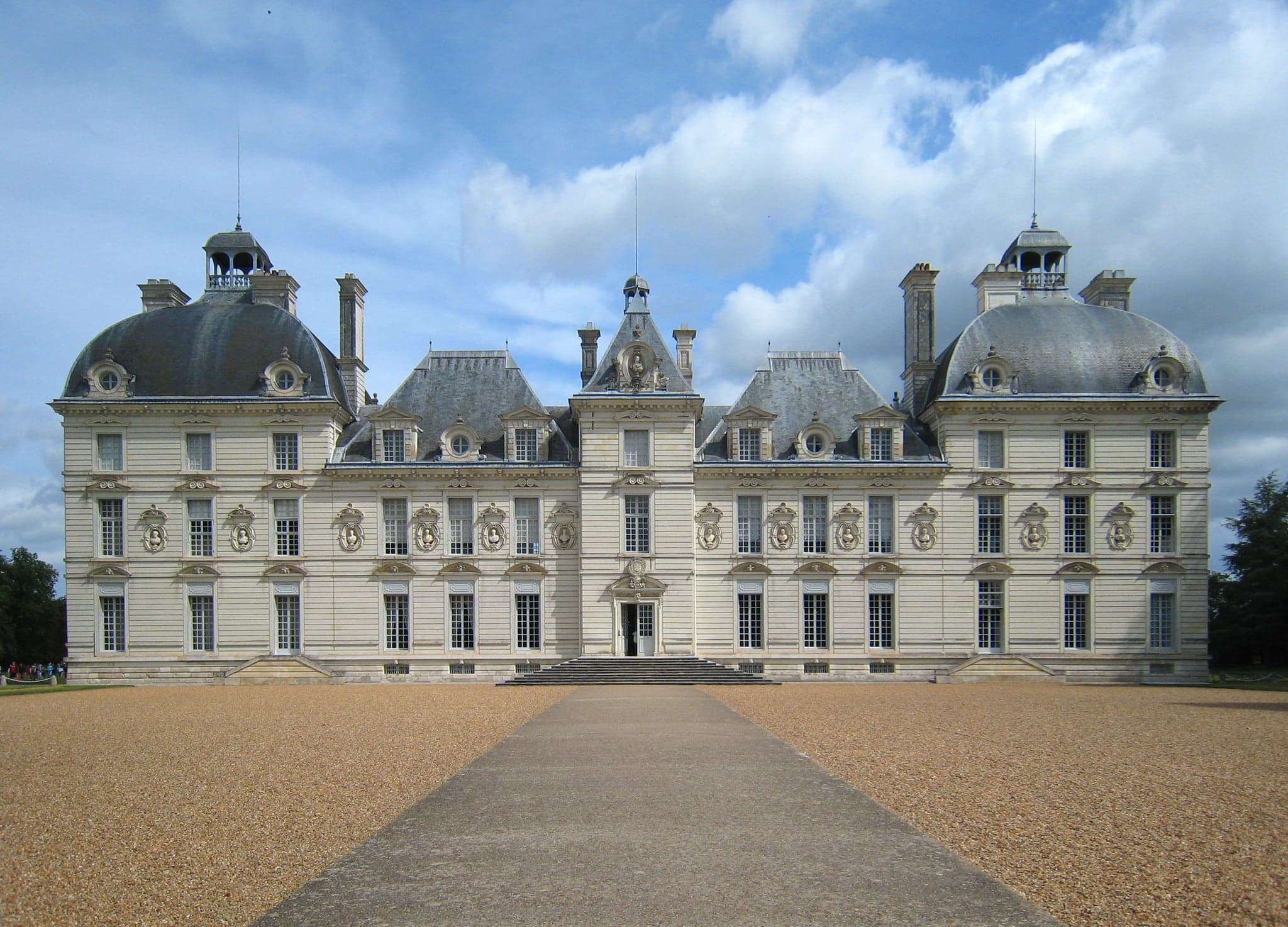
Cheverny Castle — France castle

Cheverny Castle

Cheverny Castle: a Renaissance gem in the Loire Valley
Cheverny, Centre-Val de Loire, France
Renaissance (15th–17th c.)
Well Preserved

Cheverny Castle, located in the town of Cheverny in the Centre-Val de Loire region of France, stands as one of the most remarkable examples of Renaissance architecture in the Loire Valley. Constructed between 1624 and 1630, this château is renowned for its classical symmetry, elegant stone façade, and richly decorated interiors that have remained largely unchanged for centuries. It is a testament to the enduring legacy of aristocratic life in France and the passion of the family that has preserved it for over six centuries.

The château was commissioned by Philippe Hurault and designed by the sculptor-architect Jacques Bougier, a protégé of Salomon de Brosse, whose influence is evident in the château’s harmonious proportions and refined details reminiscent of the Palais du Luxembourg. The interiors were completed around 1650 under the direction of Henri Hurault’s daughter, the marquise de Montglas, employing skilled craftsmen from Blois. This collaboration resulted in a richly appointed residence that reflects the grandeur of the French aristocracy during the early 17th century.

Architectural design and features

Cheverny Castle is a prime example of a Renaissance château characterized by its classical style and balanced composition. The château’s façade is constructed from fine stone that whitens and hardens with age, lending it a luminous quality. Its design emphasizes symmetry and proportion, with a central corps de logis flanked by two wings, all topped with steeply pitched roofs punctuated by elegant chimneys.

Exterior elements

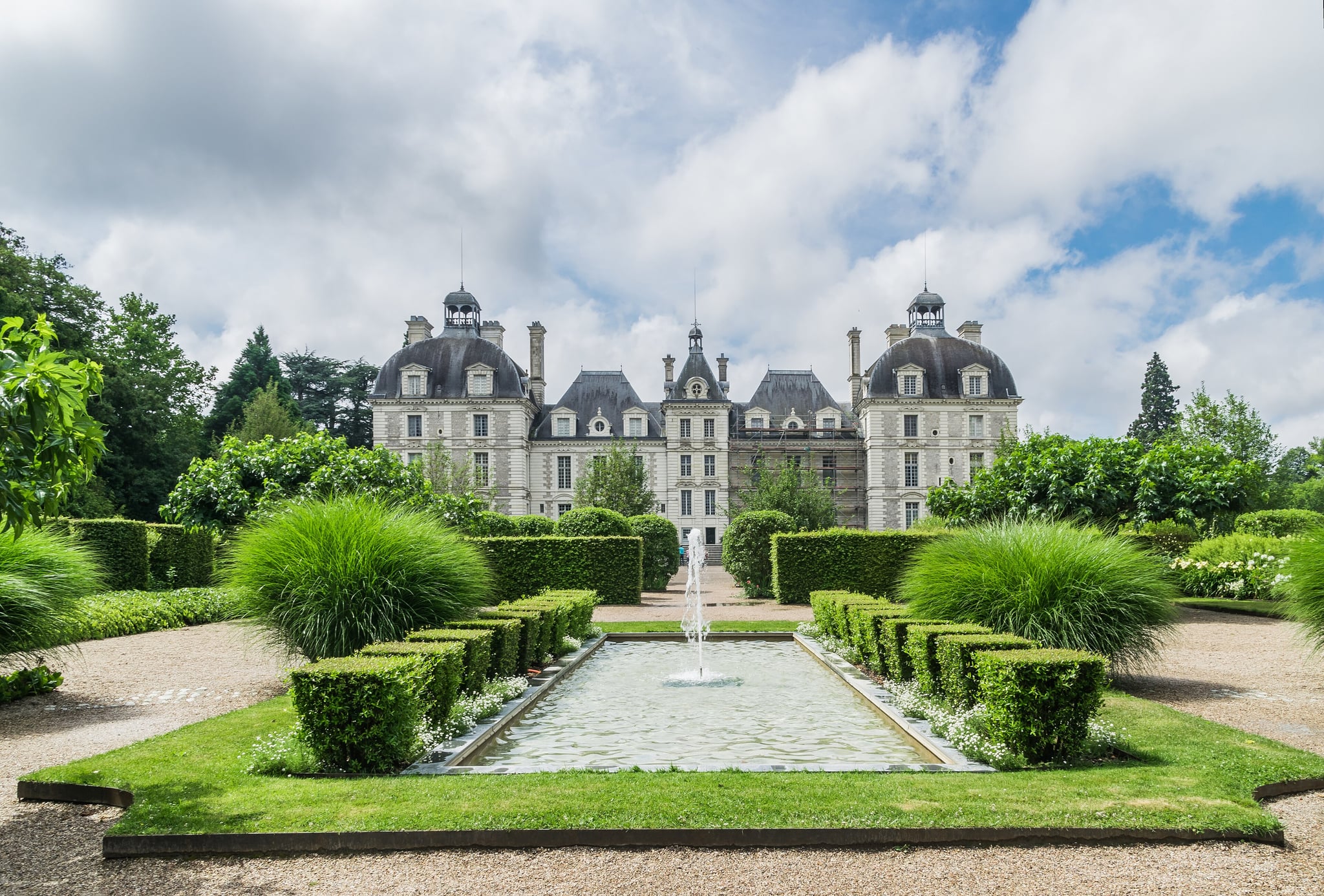
The château’s exterior is notable for its large windows that flood the interiors with natural light, and its decorative stonework including sculpted reliefs and heraldic emblems. The surrounding grounds feature a vast English-style park spanning nearly 100 hectares, complete with a stream, lime tree avenues dating back to 1820, and meticulously maintained lawns that create the impression of the château floating on a sea of greenery.

Interior grandeur

The interiors of Cheverny are exceptionally well preserved, showcasing an impressive collection of furniture, Gobelins tapestries from the 17th century, and exquisite decorative arts. The Grand Salon on the ground floor, decorated under the marquise de Montglas, features portraits by renowned artists such as Pierre Mignard and a portrait from the school of Raphael. The Gallery and Petit Salon display Flemish tapestries and portraits attributed to Maurice-Quentin de La Tour. The Library houses portraits by Paul Birch, Jean Clouet, and Hyacinthe Rigaud, while the stone staircase dated 1634 is intricately carved with coats of arms and artistic motifs.

The Grand Appartements include the Chambre du Roi, richly adorned with Parisian tapestries designed by Simon Vouet depicting the adventures of Ulysses, reflecting the château’s blend of artistic excellence and storytelling tradition.

Historical context and ownership

The château has remained in the hands of the Hurault family for over six centuries, a rare continuity that has contributed to its exceptional state of preservation. Despite the upheavals of the French Revolution, when the family was forced to forfeit much of its wealth, they managed to repurchase the château in 1824 during the Restauration period under Charles X, reaffirming their aristocratic status.

Throughout its history, Cheverny has undergone several renovations, notably in 1768, which enhanced its interiors while respecting the original Renaissance character. It was one of the first châteaux to open to the public in 1914, reflecting a pioneering spirit in heritage tourism that continues today.
Cheverny Castle

Photo by Krzysztof Golik • CC BY-SA 4.0

The grounds and kennels

The château’s extensive parkland, designed in the English landscape style, offers visitors a serene environment to explore. The park’s nearly 100 hectares include a stream, tree-lined avenues, and formal gardens. Visitors can tour the grounds on foot, by car, or even by electric boat, allowing a flexible and immersive experience of the estate’s natural beauty.

Cheverny is also famous for its kennels, home to a pack of over seventy hunting dogs of Anglo-French breeds. These dogs are an integral part of the château’s living heritage, with regular hunts and daily feeding demonstrations that attract visitors and showcase traditional hunting culture.

Cultural significance and modern attractions

Cheverny Castle has inspired popular culture, most notably as the model for the fictional Château de Moulinsart (Marlinspike Hall) in the beloved Tintin comics by Hergé. The château appears in "The Secret of the Unicorn" and other Tintin adventures, cementing its place in modern cultural imagination.

On site, a permanent exhibition dedicated to Tintin allows visitors to immerse themselves in the world of the comic series. Covering 700 m², this interactive exhibit invites fans to explore the château as if they were part of Tintin’s adventures, enhancing the château’s appeal to a broad audience.

Less widely known is that the Japanese animated series "Glass Fleet" also drew inspiration from Cheverny for its fictional castle, highlighting the château’s international influence on visual storytelling.

Visiting cheverny castle

Cheverny Castle welcomes visitors year-round, offering guided tours of its magnificent interiors and expansive grounds. The château’s well-preserved state provides a unique window into 17th-century aristocratic life, while the surrounding park and kennels add depth to the visitor experience.

Guests can explore the botanical park, enjoy the gardens, and attend special exhibitions such as the Tintin display. The château’s accessibility by car from Blois and its proximity to other Loire Valley attractions make it a must-visit destination for lovers of history, architecture, and culture.

Frequently asked questions

  • When was Cheverny Castle built? Construction began in 1624 and was completed around 1630, with interior works continuing until about 1650.
  • What architectural style is Cheverny Castle? It is a classic example of Renaissance architecture with symmetrical design and classical elements.
  • Is Cheverny Castle open to the public? Yes, the château has been open to visitors since 1922 and offers guided tours and exhibitions.
  • What is the connection between Cheverny Castle and Tintin? The château inspired the fictional Château de Moulinsart in the Tintin comics by Hergé, and a permanent Tintin exhibition is located on site.
  • Are there hunting dogs at Cheverny? Yes, the château maintains a pack of over seventy Anglo-French hunting dogs, with regular hunts and feeding demonstrations.
  • Can visitors explore the grounds? Visitors can tour the extensive park on foot, by car, or by electric boat, enjoying the English-style gardens and natural features.
  • How has the château remained so well preserved? Continuous ownership by the Hurault family and careful maintenance have preserved the château’s original Renaissance character and interiors.

Frequently asked questions (FAQ)

What is the historical significance of Cheverny Castle?
Cheverny Castle, built in the 17th century, is renowned for its stunning architecture and its connection to the Marquise de Villeroy. It has been owned by the same family for over six centuries, showcasing a rich heritage and providing insights into French aristocratic life. The castle is also famous for inspiring the comic book "The Adventures of Tintin," specifically the design of Marlinspike Hall.
When is the best time to visit Cheverny Castle?
The best time to visit Cheverny Castle is during the spring (April to June) and early autumn (September to October) when the gardens are in full bloom and the weather is pleasant for outdoor exploration. The summer months can be busy with tourists, but they also offer extended opening hours and special events. Visiting during weekdays may help you avoid larger crowds.
Can I take guided tours of Cheverny Castle?
Yes, guided tours of Cheverny Castle are available and are a great way to learn about the castle's rich history and architectural details. Tours are typically offered in multiple languages and provide in-depth information about the family history and the castle's art collections. Audio guides are also available for those who prefer to explore at their own pace.
Is Cheverny Castle accessible for visitors with disabilities?
Cheverny Castle strives to be accessible to all visitors, with facilities in place to accommodate those with mobility challenges. The castle has wheelchair access to the main areas and gardens, and staff are available to assist if needed. It's advisable to check in advance for any specific requirements or to arrange assistance during your visit.
What are the opening hours for Cheverny Castle?
Cheverny Castle typically opens from 9:00 AM to 6:00 PM, with extended hours during the summer months. It's important to check the official website for any seasonal changes to the schedule or special events that may affect opening hours. Visitors are encouraged to arrive early to fully enjoy the castle and its grounds.
How much do tickets cost for Cheverny Castle?
Ticket prices for Cheverny Castle vary depending on age and the type of tour you choose. Generally, adult tickets are around €12, while reduced rates apply for students and children. Family tickets and guided tour packages are also available, offering great value for groups.
What nearby attractions should I visit when at Cheverny Castle?
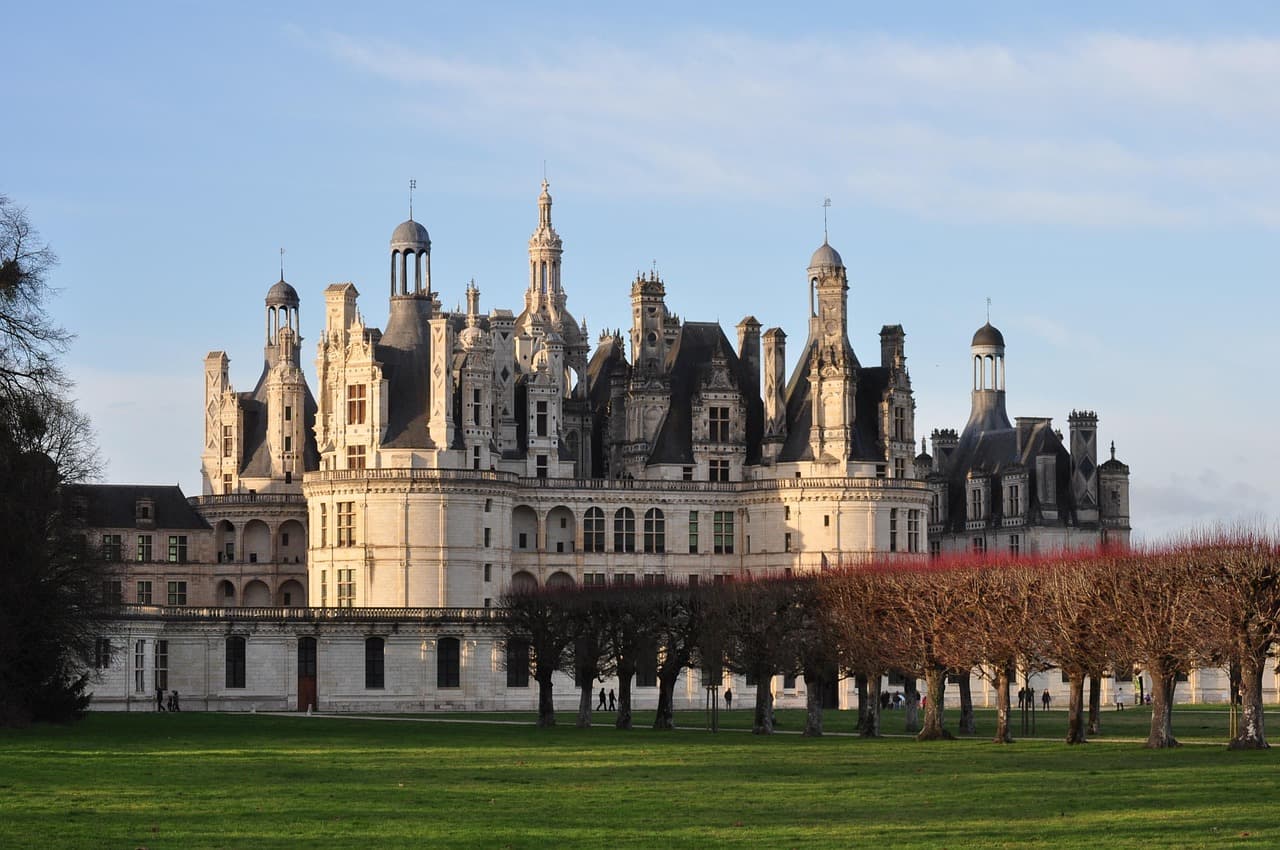
While visiting Cheverny Castle, consider exploring the nearby Château de Chambord, which is a UNESCO World Heritage site known for its grand architecture and extensive grounds. Additionally, the small town of Cheverny offers charming shops and local cuisine, making it a great stop after your castle tour. Don't miss the opportunity to visit the gardens and parks surrounding the castle for a complete experience.

Photo gallery

Cheverny Castle
Click to view

Photo by The original uploader was Manfred Heyde at German Wikipedia. (Original text: de:Manfred Heyde)•CC BY-SA 3.0

Cheverny Castle
2 photos • Click any image to view in full screen

Information

Lowland Castle

Articles on the Castlopedia blog that feature Cheverny Castle.
Sources & official resources

Verify the information above using these authoritative references.

Loading map...

Visitor reviews

No reviews yet. Been here? Write the first review and help other travelers!

Write the first review

Visited this castle? Share your experience

Your review helps other travelers and adds first-hand knowledge to our encyclopedia.

Write a review

(5/5)

0/2000 characters

Your review will be visible after admin approval

Nearby castles

0.2 km

Castle of Cheverny

Cheverny, France

The castle of Cheverny, located in the heart of the Loire Valley, stands as a quintessential example of French Renaissance architecture. Built in the 17th century, this magnificent château is celebrated not only for its architectural grandeur but also for its rich cultural heritage and continuous family ownership. The château's elegant facade, balanced proportions, and harmonious design reflect the ideals of the Renaissance period, making it one of the most admired historic residences in France. Architectural features and design The château of Cheverny is renowned for its symmetrical layout and the use of classical elements characteristic of the Renaissance style. The building's exterior showcases a refined arrangement of windows, dormers, and chimneys, all crafted from the local white limestone that gives the château its luminous appearance. The roofline is punctuated by steeply pitched slate roofs and elegant pavilions at each corner, which contribute to the château's stately silhouette. Inside, visitors encounter a series of lavishly decorated rooms featuring period furniture, exquisite tapestries, and a remarkable collection of objets d'art. The interiors have been meticulously preserved and restored to reflect the château's historical ambiance, with richly adorned salons, grand staircases, and intricately carved woodwork. The château also contains a notable library and a chapel, both exemplifying the artistic and cultural values of its era. Historical significance and ownership The château has remained in the hands of the same family since the early 17th century, a rare continuity that has helped preserve its original character and collections. In 1914, the then-owner made the pioneering decision to open the château to the public, establishing Cheverny as one of the first Loire Valley castles accessible to visitors. This early public opening has contributed to its enduring popularity as a cultural landmark. The château's history is also closely linked to the tradition of hunting, a pastime deeply ingrained in French aristocratic culture. The estate maintains a pack of around seventy hunting hounds, housed in kennels on the grounds. These hounds are actively used in traditional hunts conducted twice weekly, continuing a centuries-old practice that adds to the château's living heritage. Grounds and surrounding estate The château is set within expansive, beautifully maintained gardens and parkland that exemplify French formal garden design. The grounds include manicured lawns, tree-lined avenues, and ornamental flowerbeds, all arranged to complement the château's architectural elegance. Visitors can explore the estate's extensive grounds, which also feature outbuildings, stables, and kennels integral to the château's historical function as a hunting lodge. Visitor experience and cultural importance Today, the castle of Cheverny remains a premier tourist destination in the Loire Valley, attracting visitors from around the world. Its well-preserved interiors, extensive art collections, and the unique opportunity to witness traditional hunting practices provide a multifaceted cultural experience. The château also hosts special exhibitions and events that highlight various aspects of its history and heritage. The château's continued family ownership and commitment to preservation ensure that it remains a vibrant symbol of French Renaissance art and aristocratic life. Its accessibility to the public since the early 20th century has cemented its status as a cornerstone of Loire Valley tourism and a testament to the enduring appeal of historic French châteaux.

Renaissance (15th–17th c.)
Details
2.7 km
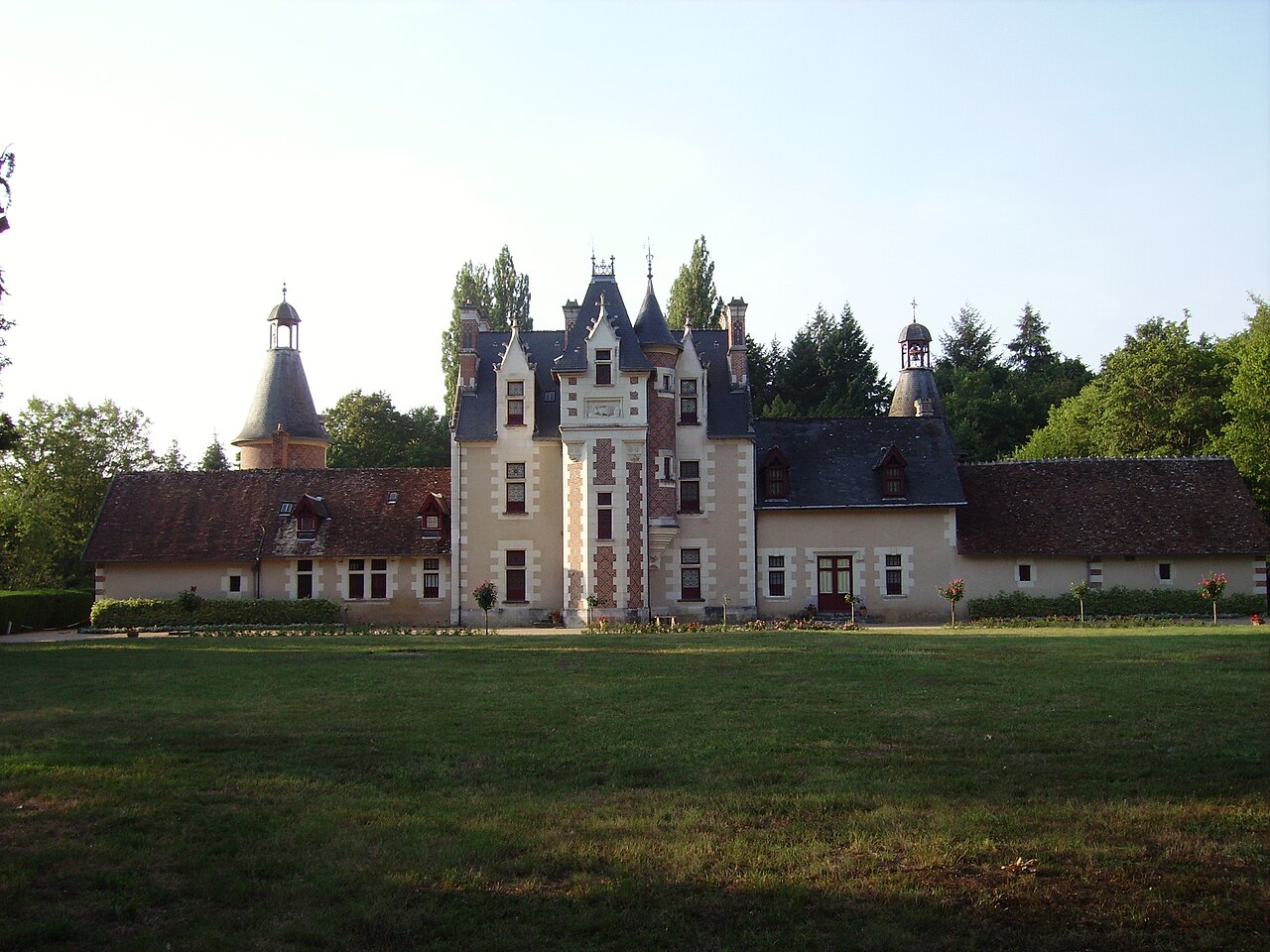
Château de Troussay — France castle

Château de Troussay

Cheverny, France

Château de Troussay stands as one of the most intimate and charming Renaissance castles in the Loire Valley, located near the town of Cheverny, France. Despite its modest size, the château boasts a rich history dating back to the mid-15th century, with architectural and cultural significance that reflects the evolution of French aristocratic residences from the Late Medieval period into the Renaissance and beyond. Its compact layout and intricate details offer a unique glimpse into regional history, art, and noble life. The earliest records place the château's foundation around 1450, initially constructed under the lordship of Robert de Bugy, a notable figure serving as controller of salt storehouses in Blois and a squire to King Francis I. This connection to the French crown situates the château within the political and cultural currents of early 16th-century France. Over the centuries, the château was expanded and renovated, most notably during the 17th century and again in the 19th century, blending architectural styles and preserving elements from various periods. Architectural evolution and stylistic features Renaissance origins and 17th-century expansions The core of Château de Troussay showcases hallmark features of the Renaissance architectural style, characterized by the elegant François I façade inspired by the grand Château de Chambord. This façade is distinguished by its stone mullioned windows, slate-inserted chimneys, and sculptural decorations including capitals salvaged from other regional châteaux such as Château de Bury. The two wings added in the 17th century extend symmetrically from the central body, each crowned with pinnacled towers that echo Chambord’s design motifs, although the left wing was later raised during 19th-century restorations, creating a subtle asymmetry. Decorative elements and symbolic motifs The château’s façades are rich with symbolic and artistic details. The right tower features a sundial inscribed in Latin bearing the phrase “Ultimam time, fuit hora, carpe diem,” a poetic reminder to seize the day. Opposite, the left tower holds a single-hand clock, reflecting earlier timekeeping traditions. The garden-facing façade combines Louis XII style elements, merging late Gothic and early Renaissance influences, with dormer windows topped by stone pediments and window bases carved with linenfold motifs. A distinctive 19th-century tower on the garden side, inspired by Château de Blois, incorporates ornamental brickwork in red and black lattice patterns. Embedded within this tower is the château’s original main door, adorned with Gothic linenfold carvings and the salamander emblem of King Francis I. Above the door, a Greek inscription attributed to Themistocles reads, “Small is the house, but oh how much happiness, if it is filled with friends,” reflecting the château’s intimate scale and welcoming spirit. Historical context and notable owners Early history and political ties The château's origins under Robert de Bugy link it to the administrative and noble circles of the early Renaissance French court. Ownership passed to the Pelluys family in 1732, a family of notaries from Blois, and later through marriage to the Réméon family, maintaining its private status through centuries, including the turbulent period of the French Revolution, which it remarkably survived intact. 19th-century restoration and cultural significance In 1828, the estate was inherited by Louis de La Saussaye, a historian specializing in Loire castles and a member of the Institut de France. His passion for preservation led to a comprehensive restoration project in collaboration with architect Jules de La Morandière. This restoration incorporated architectural elements salvaged from other regional châteaux, revitalizing the château’s Renaissance character and enriching its historical narrative. Louis de La Saussaye’s efforts ensured the château’s survival and cultural prominence into the modern era. Interior features and collections Ground floor rooms and decorative arts Visitors today can explore six principal rooms on the ground floor, including the dining room, vestibule, music salon (named after Louis de La Saussaye), a small salon, an oval salon, and an oratory. The flooring predominantly features red and yellow tiles dating from the Louis XII period, well preserved except in the oval salon. The ceilings vary stylistically: the dining room boasts a beamed French-style ceiling inspired by Château de Blois, while the music salon retains a restored original ceiling. The vestibule’s vaulted ceiling echoes Blois’ design, and the small salon is distinguished by Italian-style painted ceilings attributed to the 17th-century Sologne artist Jean Mosnier, depicting a grisaille sarabande dance scene of cupids. Furnishings and notable artifacts The château’s furnishings span from the 15th to the 19th centuries, showcasing a diverse collection from across Europe. Highlights include a large Strasbourg armoire dated 1700 and a Louis XIII cabinet inlaid with jasmine flower marquetry. A remarkable artifact is the massive oak chapel door from Château de Bury, intricately carved with scenes from the Passion of Christ along one of its pilasters. The dining room fireplace, dating from the reign of Francis I, retains its original polychrome decoration and is surmounted by a bust of Jean de Morvilliers, a 16th-century cleric connected to the De La Saussaye family, accompanied by a Latin inscription encouraging virtue. Grounds and gardens Historical gardens and park evolution The château’s gardens originally followed a formal French style typical of the 17th century, featuring symmetrical layouts and water features such as a ditch that once served as a moat or ornamental pond. Over time, especially during the 19th century under Louis de La Saussaye’s direction, the gardens were transformed into an English-style park with a more naturalistic landscape. This park contains a variety of ancient trees including an 18th-century Cedar of Lebanon, American sequoias, and a large blue cedar, contributing to its botanical diversity. Agricultural heritage and museum The château’s two wings historically accommodated agricultural functions, housing farm workers and animals such as pigs, cattle, horses, and donkeys. Facilities included a winery and bakery. These wings have been repurposed to host the Museum of Sologne, which exhibits 19th-century agricultural tools including a 16th-century screw press, as well as a permanent exhibition on domestic service in the 19th century featuring original documents, liveries, and illustrated tableaux. Visitor experience and cultural recognition Today, Château de Troussay remains a privately owned residence but is open to the public, allowing visitors to immerse themselves in its rich history and architectural splendor. The château has been officially recognized as a monument historique since 2000 and received a distinguished cultural label in 2025 honoring the legacy of Louis de La Saussaye. Its combination of Renaissance architecture, historical interiors, and evolving gardens make it a unique destination for those interested in French heritage and château culture. The château’s intimate scale, artistic details, and historical continuity offer a compelling narrative of aristocratic life in the Loire Valley, bridging the medieval and modern eras. Visitors can appreciate the blend of architectural styles, the preservation of original features, and the cultural significance embedded in every stone and room of Château de Troussay.

Late Medieval (14th–15th c.)
Details
6.7 km

Château de Villesavin

Tour-en-Sologne, France

Château de Villesavin stands as a distinguished example of late Renaissance architecture in the Loire Valley, constructed between 1527 and 1537 by Jean Breton, the Controller General of Finances under King Francis I. Located in Tour-en-Sologne, France, this château was built concurrently with the nearby Château de Chambord, where Breton supervised construction, reflecting the era's architectural innovation and aristocratic domesticity. Architectural design and structure The château features low walls and unusually high roofs, a distinctive characteristic of the period's style, arranged around three spacious courtyards. This layout emphasizes openness and light, contrasting with the defensive fortifications typical of earlier medieval castles. The southern facade is notably elegant, culminating in a large dovecote that reflects the château's blend of utility and aesthetic appeal. Domestic and service areas Villesavin's domestic spirit is evident in its design, particularly in the service court, which is overlooked by a spacious kitchen featuring a working pit used for food preparation and heating. This highlights the château's primary role as a comfortable residence rather than a military fortress. The interior spaces were designed to accommodate the lifestyle of a high-ranking official, with attention to both functionality and refinement. Artistic embellishments and craftsmanship The château's ornamentation was enhanced by stone carvers who also worked on the royal Château de Chambord, bringing a high level of craftsmanship to the decorative elements of Villesavin. This connection underscores the château's importance and the quality of its construction, linking it to one of the most iconic Renaissance monuments in France. Historical significance and preservation Château de Villesavin remains one of the least altered late Renaissance châteaux in the Loire Valley, preserving much of its original architectural integrity. Its survival offers valuable insight into the residential architecture of the French Renaissance aristocracy. The château's preservation allows visitors to experience the authentic atmosphere of a 16th-century noble residence. Collections and visitor experience The château houses an interesting collection of old carriages, including a remarkable voiture de chasse measuring 18 meters long with four rows of seats. This carriage was designed to allow ladies to comfortably observe hunts, reflecting the leisure pursuits of the aristocracy during the Renaissance. The collection adds a tangible connection to the social history and customs of the château's former inhabitants. Location and surroundings Situated in the heart of Tour-en-Sologne, the château benefits from its proximity to the Loire Valley's renowned network of historic estates and castles. Its location near Château de Chambord places it within a significant cultural and historical landscape, attracting visitors interested in Renaissance architecture and French heritage.

Renaissance (15th–17th c.)
Details