Castle of Cheverny
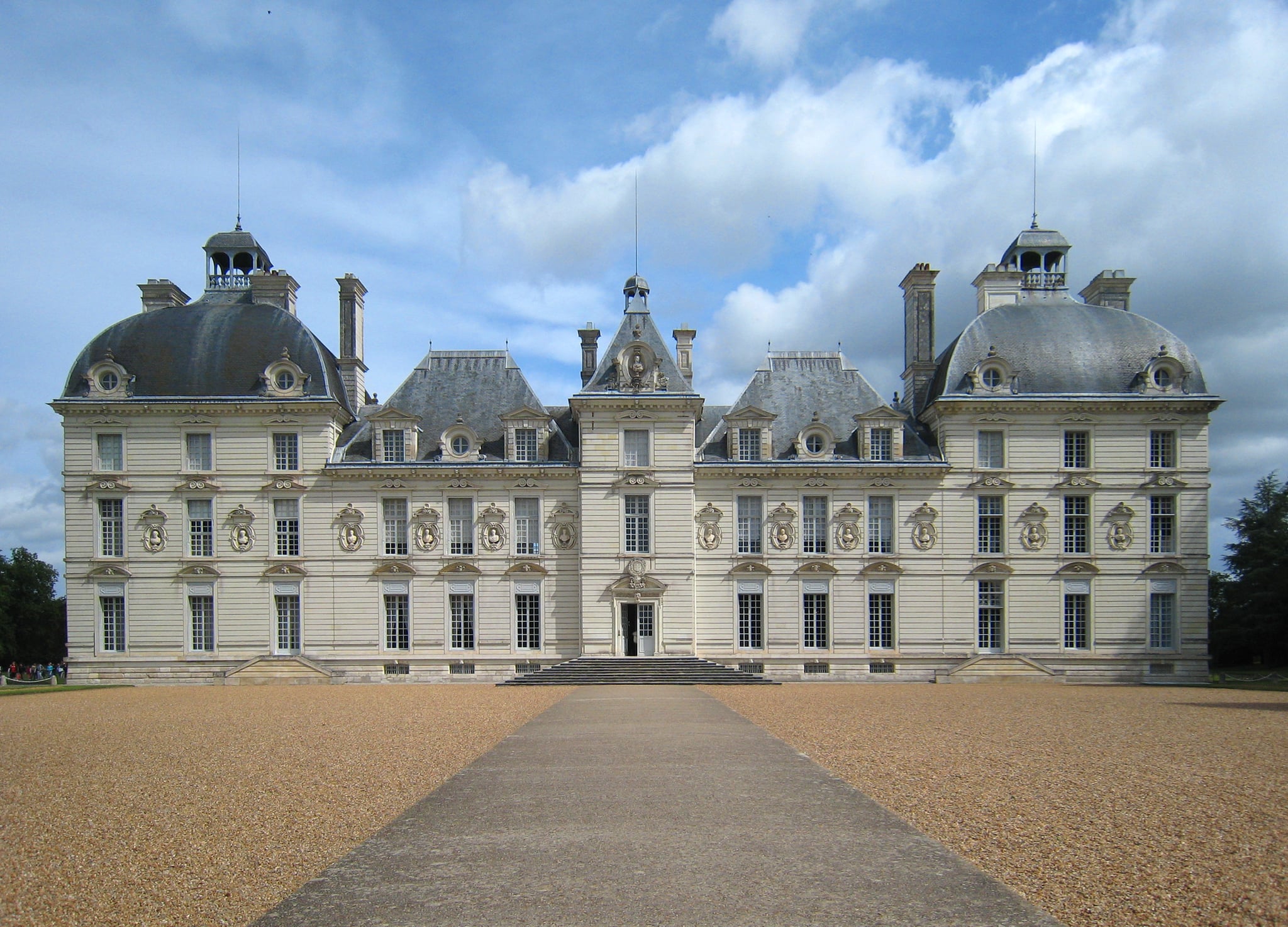
The castle of Cheverny, located in the heart of the Loire Valley, stands as a quintessential example of French Renaissance architecture. Built in the 17th century, this magnificent château is celebrated not only for its architectural grandeur but also for its rich cultural heritage and continuous family ownership. The château's elegant facade, balanced proportions, and harmonious design reflect the ideals of the Renaissance period, making it one of the most admired historic residences in France.
Architectural features and design
The château of Cheverny is renowned for its symmetrical layout and the use of classical elements characteristic of the Renaissance style. The building's exterior showcases a refined arrangement of windows, dormers, and chimneys, all crafted from the local white limestone that gives the château its luminous appearance. The roofline is punctuated by steeply pitched slate roofs and elegant pavilions at each corner, which contribute to the château's stately silhouette.
Inside, visitors encounter a series of lavishly decorated rooms featuring period furniture, exquisite tapestries, and a remarkable collection of objets d'art. The interiors have been meticulously preserved and restored to reflect the château's historical ambiance, with richly adorned salons, grand staircases, and intricately carved woodwork. The château also contains a notable library and a chapel, both exemplifying the artistic and cultural values of its era.
Historical significance and ownership
The château has remained in the hands of the same family since the early 17th century, a rare continuity that has helped preserve its original character and collections. In 1914, the then-owner made the pioneering decision to open the château to the public, establishing Cheverny as one of the first Loire Valley castles accessible to visitors. This early public opening has contributed to its enduring popularity as a cultural landmark.
The château's history is also closely linked to the tradition of hunting, a pastime deeply ingrained in French aristocratic culture. The estate maintains a pack of around seventy hunting hounds, housed in kennels on the grounds. These hounds are actively used in traditional hunts conducted twice weekly, continuing a centuries-old practice that adds to the château's living heritage.
Grounds and surrounding estate
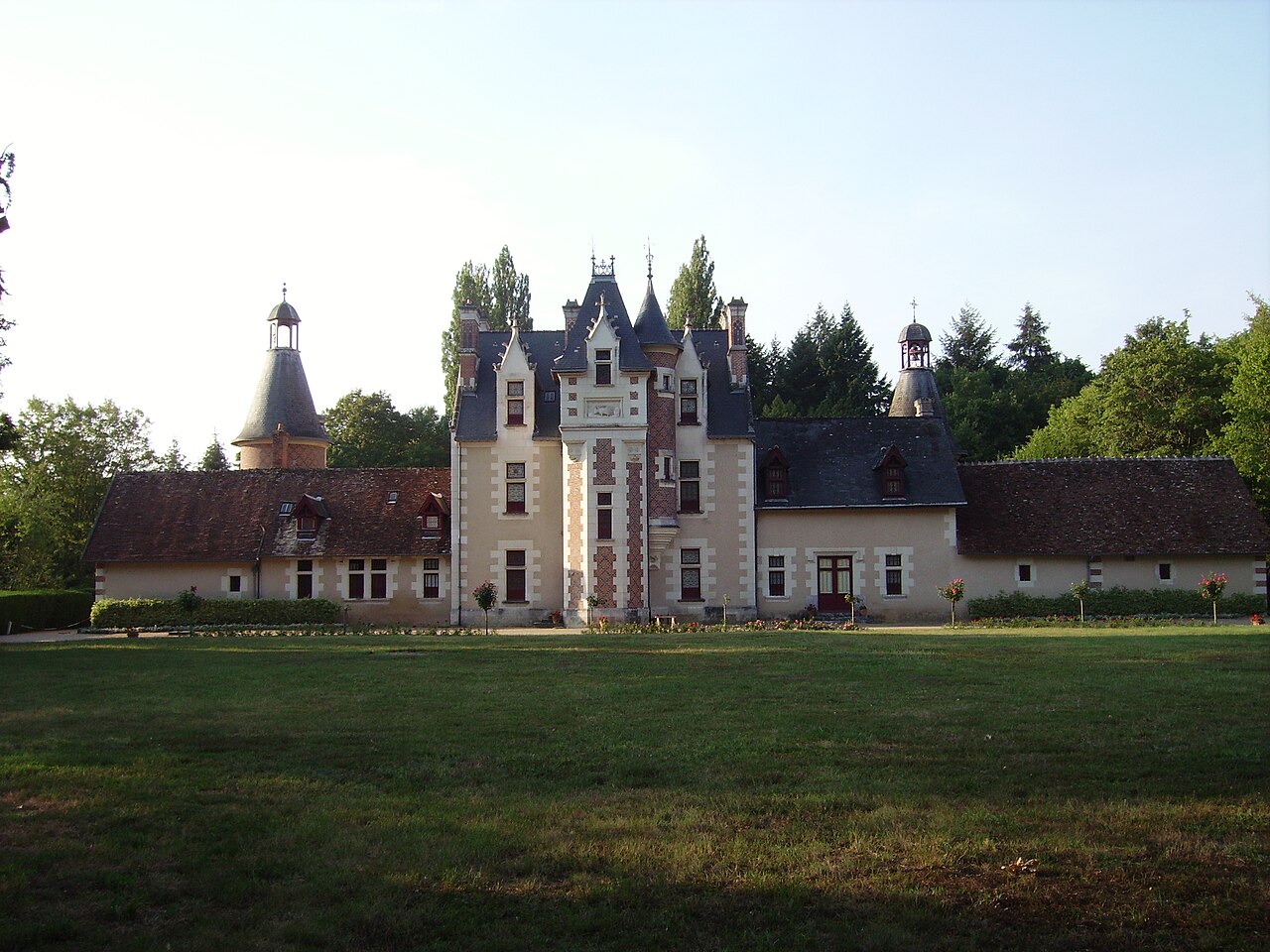
The château is set within expansive, beautifully maintained gardens and parkland that exemplify French formal garden design. The grounds include manicured lawns, tree-lined avenues, and ornamental flowerbeds, all arranged to complement the château's architectural elegance. Visitors can explore the estate's extensive grounds, which also feature outbuildings, stables, and kennels integral to the château's historical function as a hunting lodge.
Visitor experience and cultural importance
Today, the castle of Cheverny remains a premier tourist destination in the Loire Valley, attracting visitors from around the world. Its well-preserved interiors, extensive art collections, and the unique opportunity to witness traditional hunting practices provide a multifaceted cultural experience. The château also hosts special exhibitions and events that highlight various aspects of its history and heritage.
The château's continued family ownership and commitment to preservation ensure that it remains a vibrant symbol of French Renaissance art and aristocratic life. Its accessibility to the public since the early 20th century has cemented its status as a cornerstone of Loire Valley tourism and a testament to the enduring appeal of historic French châteaux.
Frequently asked questions (FAQ)
- How do I get to Castle of Cheverny?
- The Castle of Cheverny is located in the Loire Valley, France, and is easily accessible by car or public transport. If you are traveling by train, the nearest station is Blois, from which you can take a bus or taxi to reach the castle.
- What is the historical significance of Castle of Cheverny?
- The Castle of Cheverny has a rich history dating back to the 17th century and is known for its well-preserved architecture and beautiful gardens. It has been owned by the same family for over six centuries, adding to its historical value and providing insight into French nobility.
- When was Castle of Cheverny built?
- Construction of the Castle of Cheverny began in 1604 and was completed in 1634. It was designed by architect Jacques Bougier and reflects the classical style of French Renaissance architecture.
- Can I take photographs inside the castle?
- Photography is allowed in certain areas of the Castle of Cheverny, but restrictions apply in specific rooms to protect the artworks and decor. Be sure to check for signage indicating where photography is permitted.
- Why is Castle of Cheverny famous for its gardens?
- The gardens of Castle of Cheverny are famous for their stunning design and variety of plant species, showcasing the beauty of French landscaping. They are meticulously maintained and provide a picturesque setting for visitors to explore and enjoy.
- Is it possible to visit Castle of Cheverny with limited mobility?
- Yes, the Castle of Cheverny is accessible for visitors with limited mobility. Wheelchair ramps and accessible facilities are provided to ensure a comfortable experience for all guests.
- What are the opening hours for Castle of Cheverny?
- The Castle of Cheverny is typically open from 9:30 AM to 6:30 PM, with extended hours during the peak tourist season. It is advisable to check the official website for any seasonal changes or special closures.
- What are the ticket prices for visiting Castle of Cheverny?
- Ticket prices for the Castle of Cheverny vary depending on the season and age of the visitor. Discounts are often available for children, students, and groups, so be sure to check the official site for the most current pricing and offers.
- What are some nearby attractions to Castle of Cheverny?
- Nearby attractions include the stunning Château de Chambord and the beautiful gardens of Château de Villandry. The Loire Valley is rich in history and offers numerous castles and vineyards to explore, making it an ideal destination for a full-day visit.
Information
Website
Visit websiteSources & official resources
Verify the information above using these authoritative references.
Loading map...
Visitor reviews
No reviews yet. Been here? Write the first review and help other travelers!
Write the first reviewVisited this castle? Share your experience
Your review helps other travelers and adds first-hand knowledge to our encyclopedia.