Château Pichon

Château Pichon Longueville Baron: historic Bordeaux winery and estate
Parempuyre, Nouvelle-Aquitaine, France
Modern (19th–20th c.)

Château Pichon Longueville Baron is a historic estate located in Parempuyre, within the prestigious Bordeaux wine region of France. Known primarily for its exceptional red wine production, this château holds a significant place in the history of Bordeaux winemaking. The estate is situated in the Pauillac appellation, an area celebrated for producing some of the world's finest and most sought-after wines.

The château's wine was officially recognized in the 1855 Bordeaux Wine Official Classification, where it was ranked as one of the fifteen Deuxièmes Crus (Second Growths). This classification remains a benchmark of quality and prestige in the wine industry. The estate's origins trace back to a larger property once owned by Pierre de Rauzan, a notable figure in Bordeaux viticulture. In 1850, the original estate was divided into two separate properties: Château Pichon Longueville Baron and Château Pichon Longueville Comtesse de Lalande.

Historical background and estate division

The division of the estate in the mid-19th century marked a pivotal moment in the history of both properties. Château Pichon Longueville Baron emerged as a distinct entity, continuing the legacy of high-quality wine production. The estate's name reflects the noble lineage and the historical significance of the Pichon family in the Bordeaux region.

Architectural features and estate layout

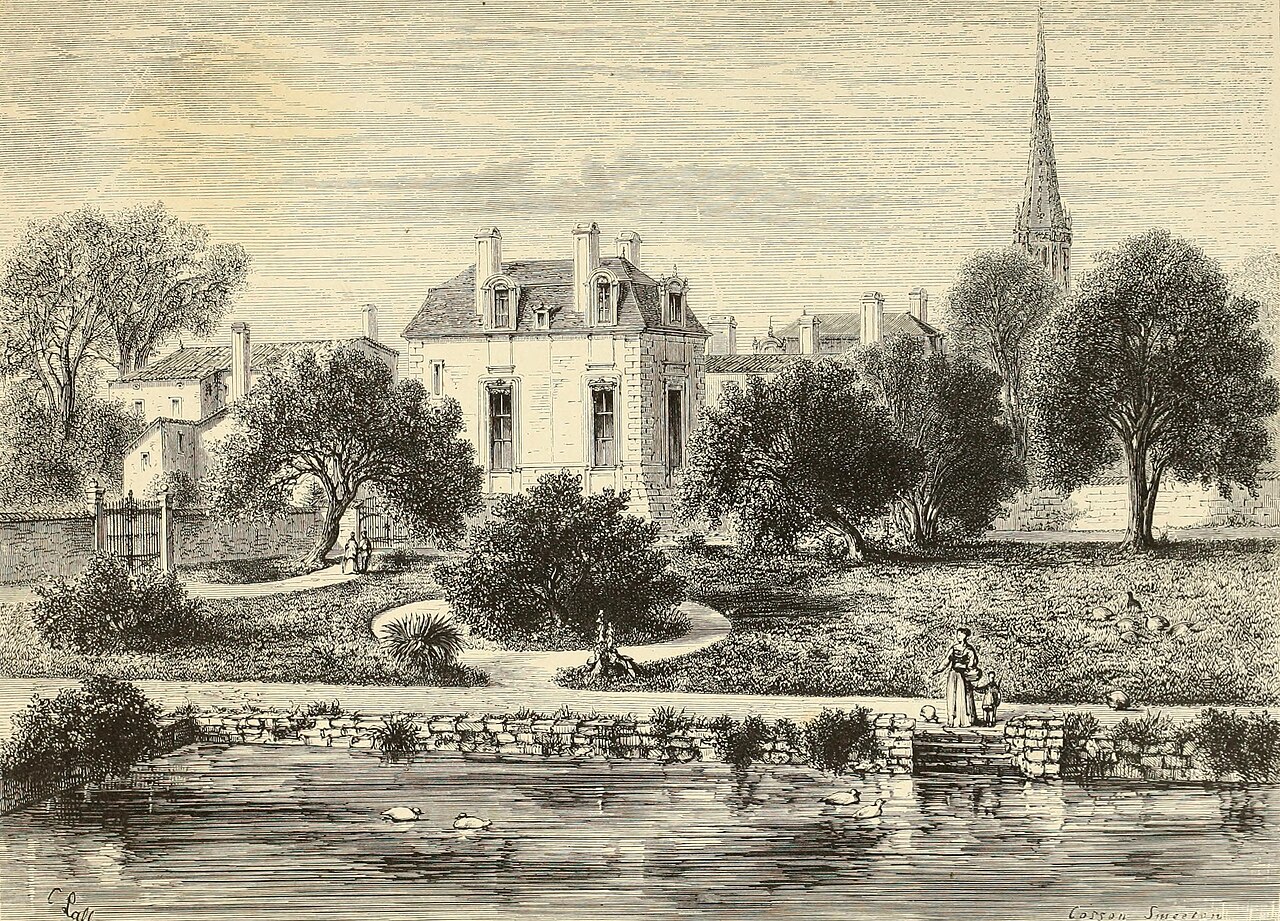
While Château Pichon Longueville Baron is primarily known as a winery, the estate includes a château building that reflects the architectural style of the late 19th century, corresponding with its construction date of 1881. The château's design features elements typical of the period, including symmetrical façades and classical detailing, though it is not primarily noted as a fortified castle or defensive structure. The estate encompasses extensive vineyards, cellars, and production facilities integral to its winemaking operations.

Winemaking facilities and vineyards

The vineyards of Château Pichon Longueville Baron cover a substantial area within Pauillac, planted predominantly with Cabernet Sauvignon, Merlot, and other Bordeaux varietals. The estate's cellars and production buildings have been modernized over time to incorporate advanced winemaking technologies while preserving traditional methods that contribute to the wine's distinctive character.

Ownership and management

In 1987, the estate was acquired by the French insurance company AXA. This transition marked a new era of investment and modernization for the property. AXA appointed Jean-Michel Cazes, renowned for his work at Château Lynch-Bages, as the estate's administrator. Under his leadership, Château Pichon Longueville Baron enhanced its reputation and quality standards.

Today, the estate is managed by Christian Seely, an Englishman with extensive experience in Bordeaux wine estates. His stewardship continues to emphasize the château's commitment to excellence and innovation in winemaking.

Significance in Bordeaux wine culture

Château Pichon Longueville Baron holds a distinguished position among Bordeaux's classified growths. Its wines are characterized by their complexity, structure, and aging potential, making them highly prized by collectors and connoisseurs worldwide. The château's history, combined with its commitment to quality and tradition, contributes to its enduring legacy in the wine world.

Visitors to the estate can explore the vineyards and cellars, gaining insight into the meticulous processes involved in crafting one of Bordeaux's most celebrated wines. The château's location in Pauillac places it among other renowned estates, contributing to the region's reputation as a premier wine-producing area.

Loading map...

Visitor reviews

No reviews yet. Been here? Write the first review and help other travelers!

Write the first review

Visited this castle? Share your experience

Your review helps other travelers and adds first-hand knowledge to our encyclopedia.
Write a review

(5/5)

0/2000 characters

Your review will be visible after admin approval

Nearby castles

1.7 km
Château Léoville-Poyferré — France castle

Château Léoville-Poyferré

, France

Château Léoville-Poyferré is a distinguished historic estate located in the Saint-Julien appellation of the Bordeaux wine region in France. While primarily renowned today as a prestigious Bordeaux winery, the estate's origins trace back to a fortified hill castle structure that played a significant role in the region's medieval landscape. The castle's elevated position on a hill provided strategic advantages typical of hill castles, including commanding views over the surrounding terrain and natural defenses. The estate is best known for producing Château Léoville-Poyferré wine, a red wine classified as one of the fifteen Deuxièmes Crus (Second Growths) in the 1855 Bordeaux Wine Official Classification. This classification recognized the estate's longstanding reputation for quality and excellence in viticulture, cementing its status among the top Bordeaux producers. Historical background and architectural origins The origins of Château Léoville-Poyferré are closely linked to the medieval fortifications that once dominated the Bordeaux region. The estate's location on a hill is characteristic of hill castles built during the High Medieval period, designed for defense and control of the surrounding land. Although today the site functions primarily as a vineyard and winery, remnants of its castle past influence its architectural layout and landscape. The castle's initial construction likely dates back several centuries, with modifications and expansions occurring over time to adapt to changing defensive needs and later agricultural developments. The estate's buildings include fortified elements such as thick stone walls and towers, which historically would have served both residential and defensive purposes. Wine production and classification Château Léoville-Poyferré is internationally recognized for its red Bordeaux wine, produced primarily from Cabernet Sauvignon, Merlot, and other traditional Bordeaux grape varieties. The estate's vineyards benefit from the region's favorable gravelly soils and temperate climate, which contribute to the complexity and aging potential of its wines. The 1855 classification, commissioned by Emperor Napoleon III for the Exposition Universelle de Paris, ranked Bordeaux wines based on reputation and trading price. Château Léoville-Poyferré's designation as a Deuxièmes Crus places it among the elite producers, second only to the Premier Crus (First Growths). This classification remains a benchmark for quality and prestige in Bordeaux wine production. Architectural features and estate layout The estate's architecture reflects a blend of medieval defensive design and later adaptations for vinicultural purposes. The hill castle structure includes remnants of battlements and fortified walls that once protected the site from invaders and rival factions during the turbulent medieval era. Over time, the castle buildings were repurposed to accommodate wine production facilities, including cellars, storage rooms, and tasting areas. The juxtaposition of ancient stonework with modern winemaking infrastructure illustrates the evolution of the estate from a military stronghold to a center of agricultural excellence. Defensive elements Key defensive features historically present at Château Léoville-Poyferré include thick stone walls and lookout towers strategically positioned to oversee the surrounding vineyards and approaches. These features were typical of hill castles designed to withstand sieges and provide refuge for local lords and their retainers. Winemaking facilities The estate houses extensive cellars carved into the hillside, providing ideal conditions for aging wine. The cool, stable environment of these subterranean spaces is essential for the maturation of the estate's renowned red wines. Modern additions include stainless steel tanks and barrel rooms that coexist with the historic architecture. Geographical and cultural significance Located in the heart of the Saint-Julien appellation, Château Léoville-Poyferré benefits from proximity to the Gironde estuary and the Atlantic Ocean, which moderate the climate and influence the terroir. The estate's position on a hill contributes to excellent drainage and sun exposure, factors crucial for high-quality grape cultivation. The castle and winery form an integral part of Bordeaux's cultural heritage, representing the intersection of medieval history and viticultural tradition. The estate attracts wine enthusiasts and tourists interested in both its historic architecture and its celebrated wines. Visiting Château Léoville-Poyferré Visitors to Château Léoville-Poyferré can explore the estate's historic grounds and participate in wine tastings that showcase the estate's signature Second Growth Bordeaux wines. The blend of historic castle ambiance and modern wine culture offers a unique experience for guests. While the estate is primarily a working winery, tours often include visits to the ancient cellars and explanations of the estate's history and winemaking process. These visits highlight the continuity between the castle's medieval origins and its contemporary role in Bordeaux's wine industry.

High Medieval (11th–13th c.)
Details
4.6 km

Château La Tour Carnet

Saint-Laurent-Médoc, France

Château La Tour Carnet is a significant medieval fortress located in Saint-Laurent-Médoc, within the renowned Bordeaux wine region of France. Its origins date back to the 12th century, placing it firmly in the high medieval period. The estate's name is derived from Jean Caranet or Carnet, an heir of Jean de Foix, who is credited with constructing the prominent castle tower that defines the château's silhouette. This tower served as a defensive stronghold and symbol of feudal power during a time when fortifications were crucial for territorial control. Medieval origins and architectural features The castle’s construction reflects typical high medieval military architecture, characterized by robust stone walls, a commanding tower, and fortified gatehouses. While much of the early history remains obscure, the surviving tower and remnants of the enceinte (defensive walls) suggest a focus on defense and surveillance, common in castles built during the 12th century. The château likely functioned as both a noble residence and a military fortification, controlling access to surrounding lands. The tower itself is a key architectural element, rising above the estate and offering panoramic views of the Médoc landscape. Its design incorporates narrow arrow slits and battlements, features intended to provide protection against attackers while allowing defenders to launch countermeasures. The castle’s layout includes a courtyard enclosed by walls, which would have housed ancillary buildings such as stables, workshops, and storage facilities essential for sustaining the garrison and estate operations. The château and bordeaux wine heritage Beyond its architectural and historical importance, Château La Tour Carnet is internationally recognized for its Bordeaux wine production. The estate is classified as one of the ten Quatrièmes Crus (Fourth Growths) in the 1855 Bordeaux Wine Official Classification, a prestigious ranking that reflects the quality and reputation of its wines. The vineyards surrounding the château benefit from the Médoc’s unique terroir, which combines gravelly soils and a temperate maritime climate, ideal for cultivating Cabernet Sauvignon, Merlot, and other Bordeaux varietals. The château has maintained its dual identity as both a historic fortress and a working vineyard estate, with modern winemaking facilities integrated alongside the preserved medieval structures. This blend of heritage and viticulture contributes to its standing as a cultural landmark and a symbol of the Médoc’s rich history. Historical context and ownership The estate’s connection to the Foix family, a noble lineage with significant influence during the medieval period, situates Château La Tour Carnet within the broader feudal history of southwestern France. The castle’s strategic location in Médoc meant it played a role in regional defense and administration. Over centuries, ownership passed through various noble families, each contributing to the château’s development and the expansion of its vineyards. Throughout the high medieval period and beyond, the château witnessed the evolving political and economic landscape of the Bordeaux region, including the rise of the wine trade that would eventually bring international acclaim to its produce. Preservation and current status Today, Château La Tour Carnet is well preserved, with restoration efforts ensuring the survival of its medieval architectural elements. Visitors can observe the imposing tower and the remnants of the defensive walls, which stand as tangible links to the château’s feudal past. The estate remains privately owned and continues to operate as a vineyard, offering tours and tastings that highlight both its historical significance and its ongoing role in Bordeaux’s wine industry. The château’s combination of medieval architecture and viticultural excellence makes it a unique destination for those interested in history, architecture, and wine culture. Architectural details and layout The castle’s stone masonry reflects construction techniques of the 12th century, with thick walls designed to withstand sieges. The main tower, or keep, served as the last line of defense and a residence for the lord. Surrounding the tower, the curtain walls formed an enclosed courtyard, providing space for daily activities and protection for the inhabitants. Additional features likely included a moat or ditch, enhancing the castle’s defensive capabilities, although these have not survived in visible form. The gatehouse controlled access to the castle grounds, equipped with defensive mechanisms such as a portcullis and murder holes to repel attackers.

High Medieval (11th–13th c.)
Details
5.7 km

Château Lafite Rothschild

Pauillac, France

Château Lafite Rothschild is an iconic estate located in the wine-producing village of Pauillac in the Médoc region of France. Known primarily for its prestigious vineyards and exceptional wine production, the château itself is a 16th-century Renaissance manor house that remains a central architectural feature of the estate. The estate's origins date back to 1234 when it was owned by Gombaud de Lafite, marking centuries of continuous viticultural tradition on this land. Early history and ownership The property was acquired in the 17th century by the influential Ségur family, who played a pivotal role in shaping the estate's viticultural legacy. Although vineyards likely existed prior, it was around 1680 when Jacques de Ségur undertook significant planting efforts, establishing the majority of the vineyard that would later gain worldwide acclaim. The Ségur family also preserved the Renaissance manor house from the 16th century, which still stands today as a testament to the estate's longstanding heritage. Refinement and rise to prominence In the early 18th century, Nicolas-Alexandre, marquis de Ségur, further refined the estate's wine-making techniques, elevating the quality and reputation of its wines. His efforts introduced Château Lafite wines to the upper echelons of European society, including royalty and nobility, cementing its status as a symbol of luxury and excellence. Impact of the french revolution and subsequent changes The French Revolution brought significant upheaval to the estate. During the Reign of Terror, Nicolas Pierre de Pichard, the then-owner, was executed in 1794, ending the Ségur family's ownership. The estate became public property before being sold in 1797 to a consortium of Dutch merchants. The early 19th century saw the estate under the ownership of the Vanlerberghe family, during which time the wine quality improved notably, producing celebrated vintages such as those of 1795, 1798, and 1818. The rothschild era and modern developments In 1868, Baron James Mayer Rothschild purchased the château for 4.4 million francs, marking the beginning of the Rothschild family's stewardship. Although Baron James died shortly after acquiring the estate, it was inherited jointly by his sons Alphonse, Gustave, and Edmond Rothschild. Under their guidance, Château Lafite Rothschild solidified its reputation as one of the world's premier wine producers. The 20th century presented challenges including recovery from the phylloxera epidemic that devastated European vineyards and the impacts of two world wars. During World War II, the château was occupied by the German army and suffered significant plundering of its wine cellars. Post-war restoration efforts helped revive the estate's production and prestige. Vineyard and production details Today, Château Lafite Rothschild encompasses approximately 107 hectares of vineyards, making it one of the largest in the Médoc. The estate produces around 35,000 cases annually, focusing on quality and traditional methods that honor its long history. The vineyards are planted primarily with Cabernet Sauvignon, Merlot, Cabernet Franc, and Petit Verdot, reflecting classic Bordeaux varietals. Architectural features and estate layout The château itself is a fine example of Renaissance architecture with preserved elements from the 16th century. It features a traditional manor house structure with characteristic stone masonry, pitched roofs, and symmetrical façades. The estate grounds include vineyards, cellars, outbuildings, and courtyards that support the wine production process and visitor experiences. Current management and cultural significance Since 1974, the estate has been under the direction of Éric de Rothschild, who succeeded his uncle Élie de Rothschild. The château remains a symbol of French viticultural heritage and is internationally recognized for its contributions to Bordeaux wine culture. It attracts wine enthusiasts and tourists who seek to explore its historic vineyards and architectural heritage.

Renaissance (15th–17th c.)
Details

