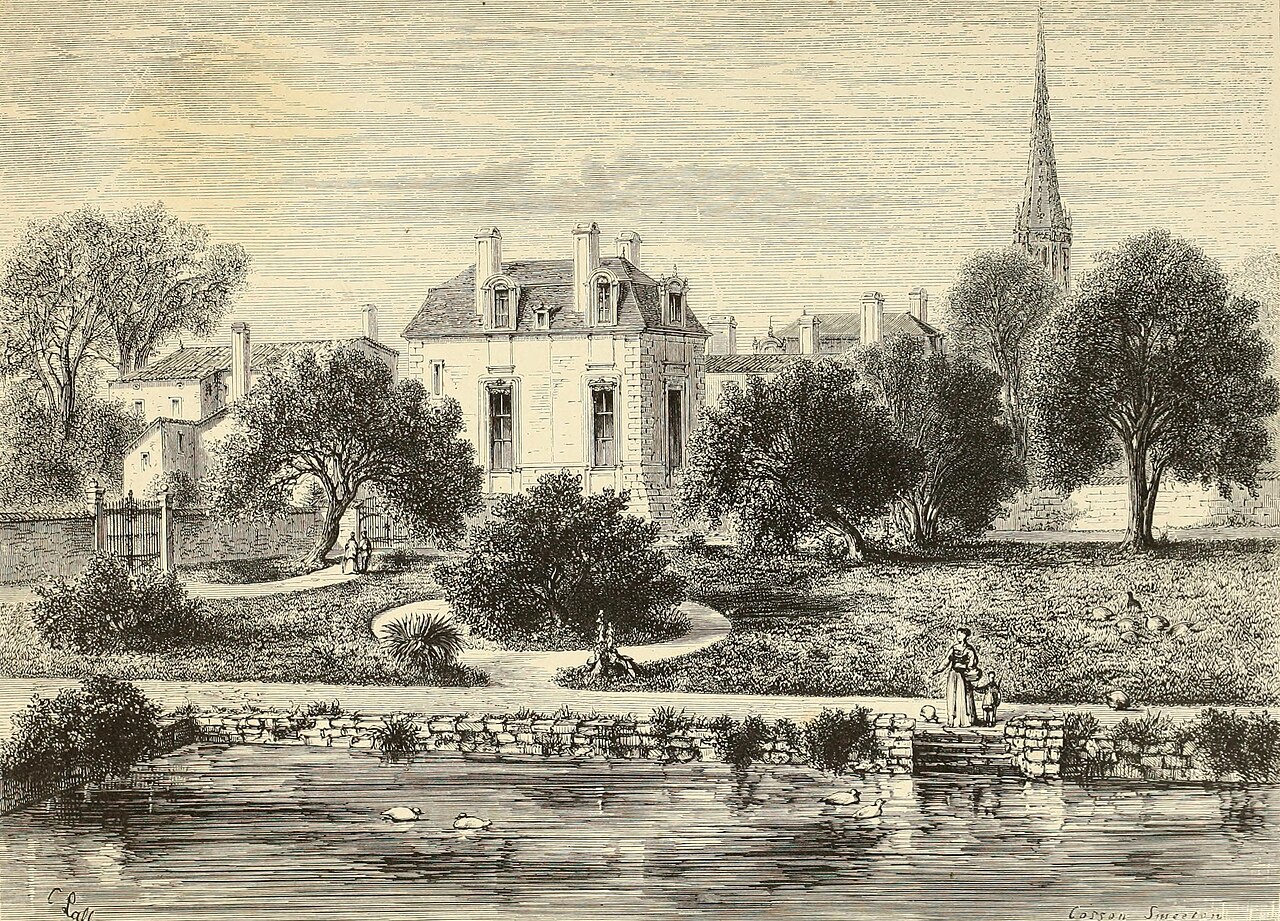
Château La Tour Carnet
Château La Tour Carnet is a significant medieval fortress located in Saint-Laurent-Médoc, within the renowned Bordeaux wine region of France. Its origins date back to the 12th century, placing it firmly in the high medieval period. The estate's name is derived from Jean Caranet or Carnet, an heir of Jean de Foix, who is credited with constructing the prominent castle tower that defines the château's silhouette. This tower served as a defensive stronghold and symbol of feudal power during a time when fortifications were crucial for territorial control.
Medieval origins and architectural features
The castle’s construction reflects typical high medieval military architecture, characterized by robust stone walls, a commanding tower, and fortified gatehouses. While much of the early history remains obscure, the surviving tower and remnants of the enceinte (defensive walls) suggest a focus on defense and surveillance, common in castles built during the 12th century. The château likely functioned as both a noble residence and a military fortification, controlling access to surrounding lands.
The tower itself is a key architectural element, rising above the estate and offering panoramic views of the Médoc landscape. Its design incorporates narrow arrow slits and battlements, features intended to provide protection against attackers while allowing defenders to launch countermeasures. The castle’s layout includes a courtyard enclosed by walls, which would have housed ancillary buildings such as stables, workshops, and storage facilities essential for sustaining the garrison and estate operations.
The château and bordeaux wine heritage
Beyond its architectural and historical importance, Château La Tour Carnet is internationally recognized for its Bordeaux wine production. The estate is classified as one of the ten Quatrièmes Crus (Fourth Growths) in the 1855 Bordeaux Wine Official Classification, a prestigious ranking that reflects the quality and reputation of its wines. The vineyards surrounding the château benefit from the Médoc’s unique terroir, which combines gravelly soils and a temperate maritime climate, ideal for cultivating Cabernet Sauvignon, Merlot, and other Bordeaux varietals.
The château has maintained its dual identity as both a historic fortress and a working vineyard estate, with modern winemaking facilities integrated alongside the preserved medieval structures. This blend of heritage and viticulture contributes to its standing as a cultural landmark and a symbol of the Médoc’s rich history.
Historical context and ownership
The estate’s connection to the Foix family, a noble lineage with significant influence during the medieval period, situates Château La Tour Carnet within the broader feudal history of southwestern France. The castle’s strategic location in Médoc meant it played a role in regional defense and administration. Over centuries, ownership passed through various noble families, each contributing to the château’s development and the expansion of its vineyards.
Throughout the high medieval period and beyond, the château witnessed the evolving political and economic landscape of the Bordeaux region, including the rise of the wine trade that would eventually bring international acclaim to its produce.
Preservation and current status
Today, Château La Tour Carnet is well preserved, with restoration efforts ensuring the survival of its medieval architectural elements. Visitors can observe the imposing tower and the remnants of the defensive walls, which stand as tangible links to the château’s feudal past. The estate remains privately owned and continues to operate as a vineyard, offering tours and tastings that highlight both its historical significance and its ongoing role in Bordeaux’s wine industry.
The château’s combination of medieval architecture and viticultural excellence makes it a unique destination for those interested in history, architecture, and wine culture.
Architectural details and layout
The castle’s stone masonry reflects construction techniques of the 12th century, with thick walls designed to withstand sieges. The main tower, or keep, served as the last line of defense and a residence for the lord. Surrounding the tower, the curtain walls formed an enclosed courtyard, providing space for daily activities and protection for the inhabitants.
Additional features likely included a moat or ditch, enhancing the castle’s defensive capabilities, although these have not survived in visible form. The gatehouse controlled access to the castle grounds, equipped with defensive mechanisms such as a portcullis and murder holes to repel attackers.
Information
Website
Visit websiteSources & official resources
Verify the information above using these authoritative references.
Loading map...
Visitor reviews
No reviews yet. Been here? Write the first review and help other travelers!
Write the first reviewVisited this castle? Share your experience
Your review helps other travelers and adds first-hand knowledge to our encyclopedia.