Château Léoville-Poyferré
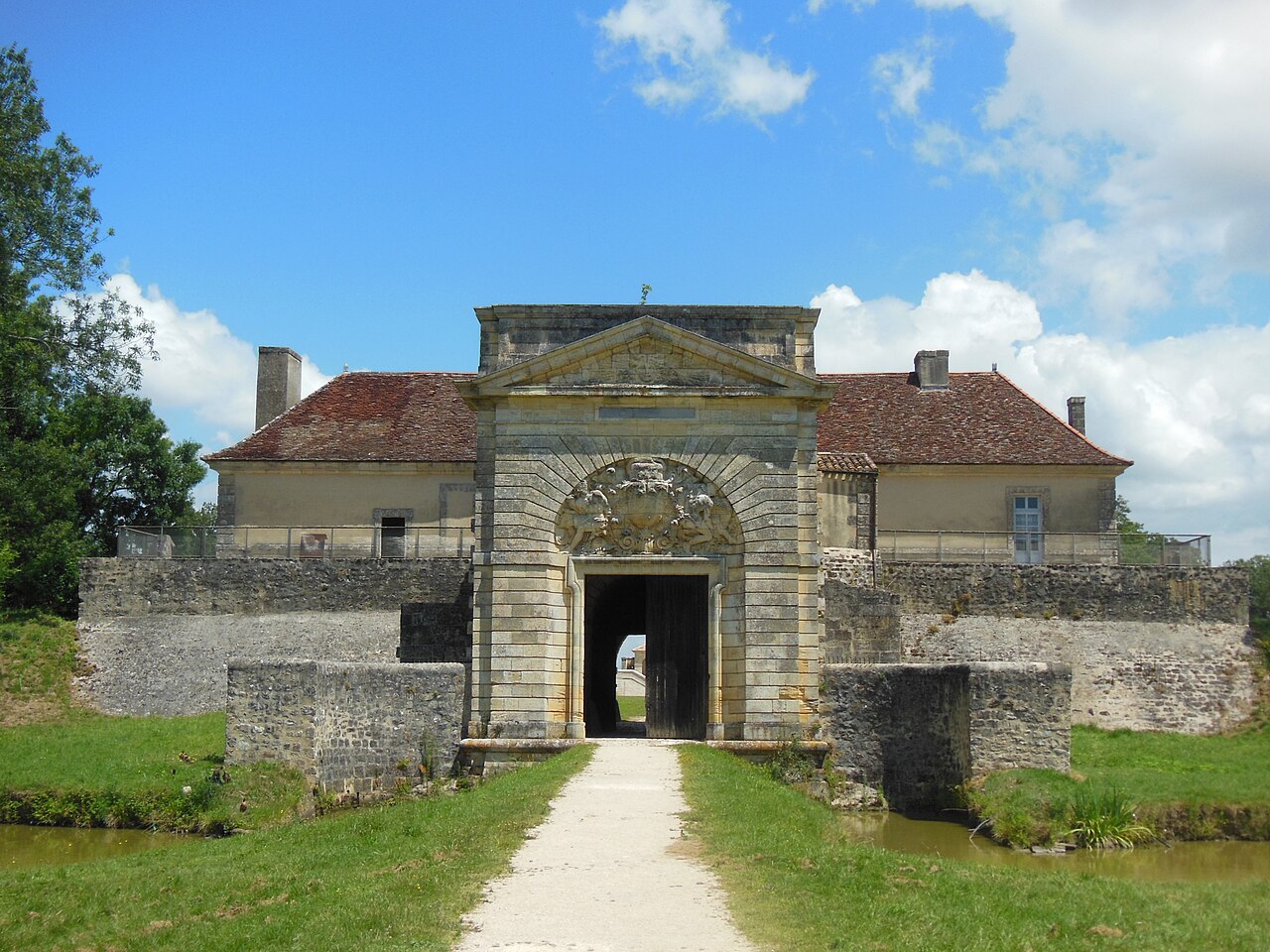
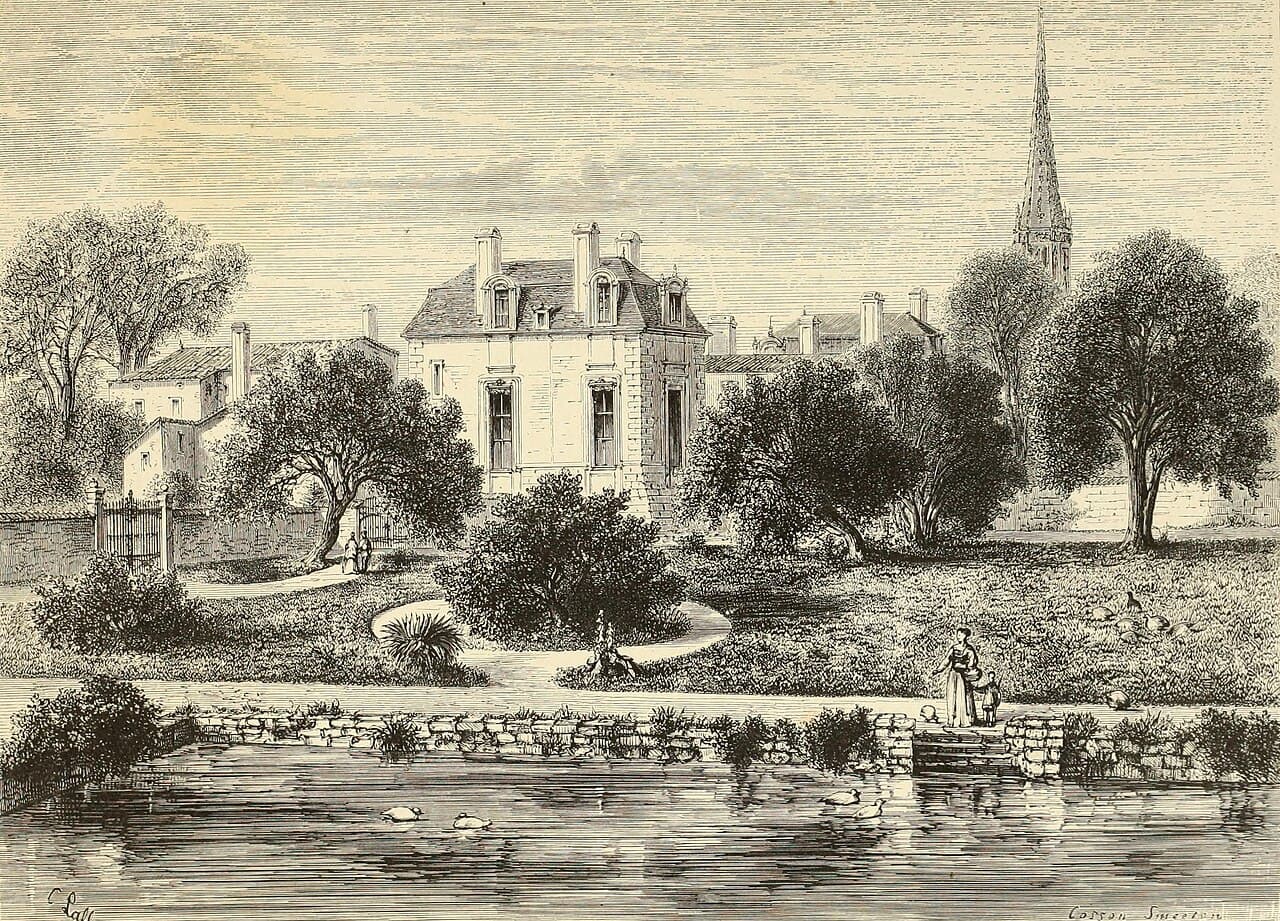
Château Léoville-Poyferré is a distinguished historic estate located in the Saint-Julien appellation of the Bordeaux wine region in France. While primarily renowned today as a prestigious Bordeaux winery, the estate's origins trace back to a fortified hill castle structure that played a significant role in the region's medieval landscape. The castle's elevated position on a hill provided strategic advantages typical of hill castles, including commanding views over the surrounding terrain and natural defenses.
The estate is best known for producing Château Léoville-Poyferré wine, a red wine classified as one of the fifteen Deuxièmes Crus (Second Growths) in the 1855 Bordeaux Wine Official Classification. This classification recognized the estate's longstanding reputation for quality and excellence in viticulture, cementing its status among the top Bordeaux producers.
Historical background and architectural origins
The origins of Château Léoville-Poyferré are closely linked to the medieval fortifications that once dominated the Bordeaux region. The estate's location on a hill is characteristic of hill castles built during the High Medieval period, designed for defense and control of the surrounding land. Although today the site functions primarily as a vineyard and winery, remnants of its castle past influence its architectural layout and landscape.
The castle's initial construction likely dates back several centuries, with modifications and expansions occurring over time to adapt to changing defensive needs and later agricultural developments. The estate's buildings include fortified elements such as thick stone walls and towers, which historically would have served both residential and defensive purposes.
Wine production and classification
Château Léoville-Poyferré is internationally recognized for its red Bordeaux wine, produced primarily from Cabernet Sauvignon, Merlot, and other traditional Bordeaux grape varieties. The estate's vineyards benefit from the region's favorable gravelly soils and temperate climate, which contribute to the complexity and aging potential of its wines.
The 1855 classification, commissioned by Emperor Napoleon III for the Exposition Universelle de Paris, ranked Bordeaux wines based on reputation and trading price. Château Léoville-Poyferré's designation as a Deuxièmes Crus places it among the elite producers, second only to the Premier Crus (First Growths). This classification remains a benchmark for quality and prestige in Bordeaux wine production.
Architectural features and estate layout
The estate's architecture reflects a blend of medieval defensive design and later adaptations for vinicultural purposes. The hill castle structure includes remnants of battlements and fortified walls that once protected the site from invaders and rival factions during the turbulent medieval era.
Over time, the castle buildings were repurposed to accommodate wine production facilities, including cellars, storage rooms, and tasting areas. The juxtaposition of ancient stonework with modern winemaking infrastructure illustrates the evolution of the estate from a military stronghold to a center of agricultural excellence.
Defensive elements
Key defensive features historically present at Château Léoville-Poyferré include thick stone walls and lookout towers strategically positioned to oversee the surrounding vineyards and approaches. These features were typical of hill castles designed to withstand sieges and provide refuge for local lords and their retainers.
Winemaking facilities
The estate houses extensive cellars carved into the hillside, providing ideal conditions for aging wine. The cool, stable environment of these subterranean spaces is essential for the maturation of the estate's renowned red wines. Modern additions include stainless steel tanks and barrel rooms that coexist with the historic architecture.
Geographical and cultural significance
Located in the heart of the Saint-Julien appellation, Château Léoville-Poyferré benefits from proximity to the Gironde estuary and the Atlantic Ocean, which moderate the climate and influence the terroir. The estate's position on a hill contributes to excellent drainage and sun exposure, factors crucial for high-quality grape cultivation.
The castle and winery form an integral part of Bordeaux's cultural heritage, representing the intersection of medieval history and viticultural tradition. The estate attracts wine enthusiasts and tourists interested in both its historic architecture and its celebrated wines.
Visiting Château Léoville-Poyferré
Visitors to Château Léoville-Poyferré can explore the estate's historic grounds and participate in wine tastings that showcase the estate's signature Second Growth Bordeaux wines. The blend of historic castle ambiance and modern wine culture offers a unique experience for guests.
While the estate is primarily a working winery, tours often include visits to the ancient cellars and explanations of the estate's history and winemaking process. These visits highlight the continuity between the castle's medieval origins and its contemporary role in Bordeaux's wine industry.
Frequently asked questions (FAQ)
- How do I visit Château Léoville-Poyferré?
- Château Léoville-Poyferré is open for wine tastings and tours by appointment. Visitors should contact the estate in advance to arrange a visit and learn about available tour options.
- What makes Château Léoville-Poyferré wine special?
- The estate's wine is classified as a Deuxièmes Crus (Second Growth) in the 1855 Bordeaux classification, reflecting its high quality, traditional Bordeaux grape varieties, and excellent terroir.
- When was Château Léoville-Poyferré originally built?
- The castle origins date back to the High Medieval period, although exact construction dates are uncertain due to later modifications and expansions.
- Is Château Léoville-Poyferré accessible to the public?
- While primarily a working winery, Château Léoville-Poyferré offers guided tours and tastings to visitors by appointment, providing access to its historic grounds and cellars.
Photo gallery

Information
Loading map...
Visitor reviews
No reviews yet. Been here? Write the first review and help other travelers!
Write the first reviewVisited this castle? Share your experience
Your review helps other travelers and adds first-hand knowledge to our encyclopedia.