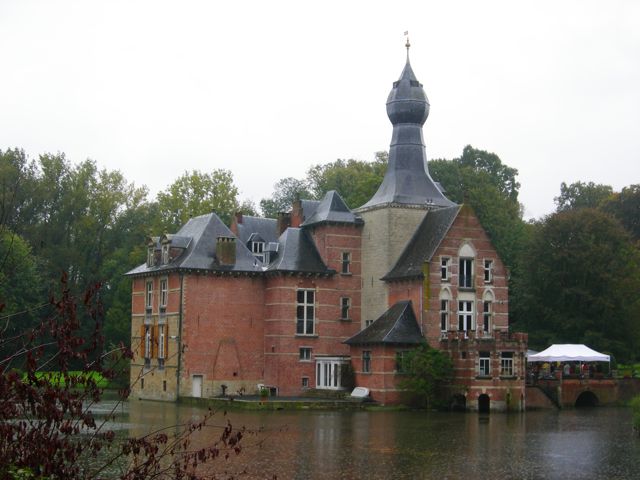
Château du Stuyvenberg
Château du Stuyvenberg is a significant royal residence located in Laeken, Brussels, within the Brussels Hoofdstedelijk Gewest region of Belgium. Constructed in 1725, this castle has played an important role in the history of the Belgian Royal Family and remains a notable symbol of royal heritage in the country.
Historical background and royal connections
The castle was originally built in the early 18th century and later acquired by the Belgian State in 1840 for 200,000 francs. Shortly after, it was purchased by King Leopold II, who generously donated it to the Royal Trust, an institution managing royal properties. Its proximity to the Royal Palace of Laeken, the official residence of the King and Queen of the Belgians, underscores its importance within the royal estate.
King Leopold I used Château du Stuyvenberg as a residence for his mistress, Arcadie Meyer-Claret, and their second child, Arthur, was born there in 1852. The castle also served as the birthplace of two Belgian kings: King Baudouin in 1930 and King Albert II in 1934, both of whom spent their formative years at the residence.
Following World War II, the castle became the home of Elisabeth of Bavaria, widow of King Albert I, until her death in 1965. For nearly three decades thereafter, Château du Stuyvenberg was repurposed as a guest house for foreign dignitaries, reflecting its continued role in state affairs.
From 1998 until her death in 2014, Queen Fabiola, widow of King Baudouin, lived at the castle. The residence has also been home to Princess Astrid of Belgium, sister of the current King Philippe, maintaining its status as a royal domicile.
Architectural features and style
Château du Stuyvenberg is an example of Post-Renaissance architecture, a style that reflects the transition from the ornate Baroque and Rococo periods to more restrained classical forms prevalent in the 18th century. The castle's design emphasizes symmetry, proportion, and subtle decorative elements rather than extravagant ornamentation.
The building is characterized by its elegant façade, balanced window arrangements, and a modest yet stately presence befitting a royal residence. The grounds surrounding the château include formal gardens and parkland that complement the architectural style and provide a serene environment.
Role in Belgian royal history and state functions
Throughout its history, Château du Stuyvenberg has been intimately linked to the personal lives and official functions of the Belgian monarchy. Its use as a residence for royal family members, including kings and queens, highlights its importance beyond a mere architectural landmark.
The castle's role as a guest house for foreign dignitaries during the mid-20th century illustrates its diplomatic significance. Hosting international visitors in a royal setting helped reinforce Belgium's status on the global stage.
Current status and preservation
Today, Château du Stuyvenberg remains a well-preserved royal residence under the management of the Royal Trust. It continues to serve as a private home for members of the Belgian royal family, ensuring that its historical legacy is maintained and respected.
While the castle is not generally open to the public, its historical importance and architectural elegance contribute to Brussels' cultural heritage. Its proximity to other royal sites in Laeken makes the area a focal point for those interested in Belgium's monarchy and aristocratic history.
Visiting considerations and surrounding attractions
Although Château du Stuyvenberg itself is not accessible for public tours, visitors to Brussels can explore nearby royal landmarks such as the Royal Palace of Laeken and the Royal Greenhouses, which are occasionally open to the public. These sites offer insight into the royal family's lifestyle and the architectural grandeur of their residences.
The Laeken district also features parks and cultural institutions, providing a rich experience for tourists interested in history, architecture, and Belgian heritage.
Frequently asked questions (FAQ)
- How do I get to Château du Stuyvenberg?
- Château du Stuyvenberg is easily accessible via public transport in Brussels. You can take the metro to the Montgomery station and then a short walk will lead you to the castle. Additionally, there are bus routes that stop nearby, making it convenient for visitors.
- What is the historical significance of Château du Stuyvenberg?
- Château du Stuyvenberg has a rich history, serving as a royal residence and a venue for important political meetings. It was built in the 19th century and has been a witness to significant events in Belgian history. Today, it stands as a symbol of Belgium's architectural heritage and royal legacy.
- When was Château du Stuyvenberg built?
- Construction of Château du Stuyvenberg began in the late 19th century and was completed in the early 20th century. The castle was commissioned by King Leopold II and reflects the architectural styles of that era. Its history is intertwined with the Belgian monarchy, making it an important landmark.
- Can I visit Château du Stuyvenberg year-round?
- Yes, Château du Stuyvenberg is open to visitors throughout the year, although specific opening hours may vary by season. It’s advisable to check the official website for the most current visiting information and any potential special events that may affect access.
- Why is Château du Stuyvenberg a popular tourist attraction?
- Château du Stuyvenberg is popular due to its stunning architecture and rich historical context. Visitors are attracted by its beautiful gardens and the chance to explore a significant part of Belgium's royal history. The castle also offers guided tours that provide deep insights into its past.
- Is it possible to take guided tours of Château du Stuyvenberg?
- Yes, guided tours are available at Château du Stuyvenberg, offering visitors a chance to learn about the castle's history and architecture in detail. These tours are conducted in multiple languages and can enhance your experience by providing context and stories behind the castle's features.
- What are the ticket prices for visiting Château du Stuyvenberg?
- Ticket prices for Château du Stuyvenberg vary based on age and group size. Generally, there are discounts available for students and seniors, while children under a certain age may enter for free. It's best to check the official website for the latest pricing information before your visit.
- What are the opening hours for Château du Stuyvenberg?
- Château du Stuyvenberg typically opens in the morning and closes in the late afternoon, with extended hours during peak tourist seasons. Specific hours can vary, so it's recommended to verify the schedule on the official website prior to planning your visit.
- What nearby attractions can I visit when at Château du Stuyvenberg?
- When visiting Château du Stuyvenberg, you can also explore nearby attractions such as the Royal Museum of the Armed Forces and Military History and the Parc du Cinquantenaire. These sites offer additional insights into Belgian history and culture, making your visit even more enriching.
Information
Loading map...
Visitor reviews
No reviews yet. Been here? Write the first review and help other travelers!
Write the first reviewVisited this castle? Share your experience
Your review helps other travelers and adds first-hand knowledge to our encyclopedia.