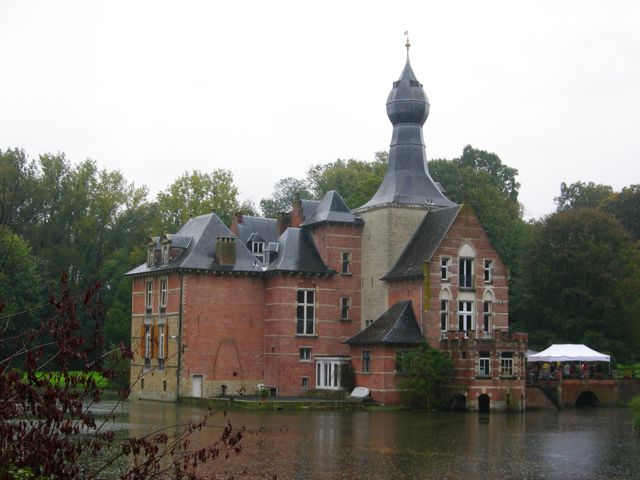
Belvédère Castle

Belvédère Castle: royal residence in Brussels
Brussels, Brussels Hoofdstedelijk Gewest, Belgium
Post-Renaissance (17th–18th c.)

Belvédère Castle is a notable royal residence located in the Laeken district of Brussels, Belgium. Originally constructed in the 1780s, this castle has played a significant role in Belgian royal history and continues to serve as the home of King Albert II and Queen Paola. Its history reflects the evolving needs and movements of the Belgian royal family over more than two centuries.

Origins and early history

The castle was built in the late 18th century, during a period when aristocratic residences were transitioning from fortified medieval structures to more elegant, comfortable homes reflecting the neoclassical architectural trends of the time. Belvédère Castle was initially a private residence before becoming part of the royal estate.

In 1867, the castle was purchased by King Leopold II, who intended it as a residence for his sister, Carlotta of Mexico. However, Carlotta chose to reside in Tervuren, leaving Belvédère unoccupied for a period. This decision delayed the castle's integration into the royal household but did not diminish its importance.

19th-century royal residence and events

A pivotal moment in Belvédère's history came in 1890 when a fire severely damaged the Royal Palace of Laeken. During the extensive repairs, King Leopold II and his wife, Marie Henriette of Austria, temporarily moved into Belvédère Castle. This period marked the castle's first significant use as a royal residence.

After the palace was restored, the king and queen returned, and Belvédère became the home of their youngest daughter, Princess Clémentine. She lived there until her marriage and her father's death, after which she moved back to the Royal Palace. Subsequently, the castle housed various members of the royal court.

20th-century developments and royal family home

In 1958, Belvédère Castle was part of the World Expo in Brussels, serving as an exhibition venue, which highlighted its cultural significance beyond a royal residence. The following year, it became the home of the newlywed Prince Albert II and Princess Paola. Over time, the estate expanded to include 12 acres by acquiring adjacent parkland, enhancing its privacy and grandeur.

Belvédère Castle is notable for being the birthplace and childhood home of the royal couple's three children, underscoring its role as a family residence. When Albert II ascended to the throne, he and Queen Paola chose to remain at Belvédère rather than moving to the traditional Royal Palace, emphasizing the castle's importance as a modern royal home.

Architectural features and estate grounds

While Belvédère Castle does not possess the medieval fortifications typical of older castles, its neoclassical style reflects the architectural tastes of the late 18th century. The design emphasizes symmetry, elegant proportions, and refined decorative elements rather than military defense.

The castle sits within extensive grounds that have been expanded over time. The 12-acre estate includes well-maintained gardens and parkland, providing a private and tranquil setting within the urban environment of Brussels. This combination of natural beauty and architectural refinement contributes to Belvédère's status as a distinguished royal residence.

Current status and public access

Today, Belvédère Castle remains a private residence of the Belgian royal family and is not generally open to the public. Its location in the Brussels Hoofdstedelijk Gewest places it within a significant cultural and political center, yet it maintains privacy and exclusivity as a royal home.

Though the castle is not a typical tourist destination, its historical and architectural significance is recognized as part of Belgium's royal heritage. The castle's story reflects the changing nature of royal residences from the 18th century to the present day.

Frequently asked questions about belvédère castle

  • What is the historical significance of Belvédère Castle? Belvédère Castle has served as a royal residence since the 19th century and was home to key members of the Belgian royal family, including King Albert II and Queen Paola.
  • Can visitors tour Belvédère Castle? The castle is a private residence and is not open for public tours or visits.
  • When was Belvédère Castle built? The castle was constructed in the 1780s, reflecting late 18th-century architectural styles.
  • What architectural style characterizes Belvédère Castle? The castle exhibits neoclassical architectural features typical of its period, emphasizing symmetry and elegance.
  • Why did King Albert II choose to live in Belvédère instead of the Royal Palace? King Albert II and Queen Paola preferred the privacy and family-oriented environment of Belvédère Castle, making it their primary residence after his accession.
  • Is Belvédère Castle part of any public park or grounds? The estate includes about 12 acres of parkland and gardens, which were expanded during the 20th century to enhance the castle's surroundings.
  • What notable events took place at Belvédère Castle? The castle served as a temporary royal residence after the 1890 fire at the Royal Palace and was used for exhibitions during the 1958 World Expo in Brussels.

Frequently asked questions (FAQ)

How do I get to Belvédère Castle?
Belvédère Castle is located in the beautiful area of Brussels, Belgium. You can reach it easily by public transportation, including buses and trams, or by car with available parking nearby.
What is the historical significance of Belvédère Castle?
Belvédère Castle has a rich history dating back to the 18th century, serving as a royal residence and a symbol of Belgium's architectural heritage. The castle embodies the cultural and political history of the region, making it an important landmark for visitors interested in Belgian history.
When was Belvédère Castle built?
Construction of Belvédère Castle began in the early 18th century and was completed in 1785. The castle showcases the neoclassical architectural style that was popular during its time, reflecting the grandeur of the era.
Can I take a guided tour of Belvédère Castle?
Yes, guided tours are available for visitors who want to learn more about the castle's history and architecture. Tours typically include access to the main halls, gardens, and informative sessions led by knowledgeable guides.
Why is Belvédère Castle a popular tourist destination?
Belvédère Castle is popular due to its stunning architecture, picturesque gardens, and significant historical value. Visitors are drawn to its scenic views and the opportunity to explore the rich cultural heritage that the castle represents.
Is it possible to host events at Belvédère Castle?
Yes, Belvédère Castle offers facilities for hosting various events, including weddings and corporate gatherings. The beautiful setting and historic ambiance provide a unique backdrop for any special occasion.
What are the opening hours for Belvédère Castle?
Belvédère Castle is typically open to visitors from 10 AM to 5 PM, Tuesday through Sunday. It is advisable to check the official website for any seasonal changes or special holiday openings.
What are the ticket prices for visiting Belvédère Castle?
Ticket prices for Belvédère Castle are generally affordable, with discounts available for students and seniors. Children under a certain age may enter for free, making it an accessible destination for families.
What is the best time to visit Belvédère Castle?
The best time to visit Belvédère Castle is during the spring and early autumn months when the gardens are in full bloom and the weather is pleasant. This allows visitors to fully enjoy both the interior and exterior beauty of the castle.
Are there any nearby attractions to visit while at Belvédère Castle?
Yes, there are several nearby attractions, including the Royal Palace of Brussels and the Brussels Park. Visitors can easily combine their trip to Belvédère Castle with a visit to these other historical sites for a full day of exploration.

Loading map...

Visitor reviews

No reviews yet. Been here? Write the first review and help other travelers!

Write the first review

Visited this castle? Share your experience

Your review helps other travelers and adds first-hand knowledge to our encyclopedia.

Write a review

(5/5)

0/2000 characters

Your review will be visible after admin approval

Nearby castles

0.6 km

Château du Stuyvenberg

Brussels, Belgium

Château du Stuyvenberg is a significant royal residence located in Laeken, Brussels, within the Brussels Hoofdstedelijk Gewest region of Belgium. Constructed in 1725, this castle has played an important role in the history of the Belgian Royal Family and remains a notable symbol of royal heritage in the country. Historical background and royal connections The castle was originally built in the early 18th century and later acquired by the Belgian State in 1840 for 200,000 francs. Shortly after, it was purchased by King Leopold II, who generously donated it to the Royal Trust, an institution managing royal properties. Its proximity to the Royal Palace of Laeken, the official residence of the King and Queen of the Belgians, underscores its importance within the royal estate. King Leopold I used Château du Stuyvenberg as a residence for his mistress, Arcadie Meyer-Claret, and their second child, Arthur, was born there in 1852. The castle also served as the birthplace of two Belgian kings: King Baudouin in 1930 and King Albert II in 1934, both of whom spent their formative years at the residence. Following World War II, the castle became the home of Elisabeth of Bavaria, widow of King Albert I, until her death in 1965. For nearly three decades thereafter, Château du Stuyvenberg was repurposed as a guest house for foreign dignitaries, reflecting its continued role in state affairs. From 1998 until her death in 2014, Queen Fabiola, widow of King Baudouin, lived at the castle. The residence has also been home to Princess Astrid of Belgium, sister of the current King Philippe, maintaining its status as a royal domicile. Architectural features and style Château du Stuyvenberg is an example of Post-Renaissance architecture, a style that reflects the transition from the ornate Baroque and Rococo periods to more restrained classical forms prevalent in the 18th century. The castle's design emphasizes symmetry, proportion, and subtle decorative elements rather than extravagant ornamentation. The building is characterized by its elegant façade, balanced window arrangements, and a modest yet stately presence befitting a royal residence. The grounds surrounding the château include formal gardens and parkland that complement the architectural style and provide a serene environment. Role in Belgian royal history and state functions Throughout its history, Château du Stuyvenberg has been intimately linked to the personal lives and official functions of the Belgian monarchy. Its use as a residence for royal family members, including kings and queens, highlights its importance beyond a mere architectural landmark. The castle's role as a guest house for foreign dignitaries during the mid-20th century illustrates its diplomatic significance. Hosting international visitors in a royal setting helped reinforce Belgium's status on the global stage. Current status and preservation Today, Château du Stuyvenberg remains a well-preserved royal residence under the management of the Royal Trust. It continues to serve as a private home for members of the Belgian royal family, ensuring that its historical legacy is maintained and respected. While the castle is not generally open to the public, its historical importance and architectural elegance contribute to Brussels' cultural heritage. Its proximity to other royal sites in Laeken makes the area a focal point for those interested in Belgium's monarchy and aristocratic history. Visiting considerations and surrounding attractions Although Château du Stuyvenberg itself is not accessible for public tours, visitors to Brussels can explore nearby royal landmarks such as the Royal Palace of Laeken and the Royal Greenhouses, which are occasionally open to the public. These sites offer insight into the royal family's lifestyle and the architectural grandeur of their residences. The Laeken district also features parks and cultural institutions, providing a rich experience for tourists interested in history, architecture, and Belgian heritage.

Post-Renaissance (17th–18th c.)
Details
3.7 km
Rivieren Castle — Belgium castle

Rivieren Castle

Ganshoren, Belgium

Rivieren Castle is a remarkable example of a high medieval hill castle located in Ganshoren, within the Brussels Hoofdstedelijk Gewest region of Belgium. Its origins date back to the 12th century, when it began as a fortified defense tower established by the noble lords of Rivieren d’Aerschot. Over the centuries, the castle evolved through multiple construction phases spanning from the 12th to the 19th century, reflecting changing architectural styles and social functions. Medieval origins and feudal significance The castle’s foundation as a medieval fortress was typical of the period, serving as a stronghold for the local feudal lords to assert control over the surrounding lands. The central feature is the 13th-century square donjon, a robust stone tower that remains the only surviving element of the original medieval structure. This donjon was designed for defense and residence, embodying the military architecture of the high medieval period. Rivieren Castle was originally the possession of the Clutinck family before passing to the lords of Rivieren d’Aerschot. The estate was elevated to a barony in 1638 and further to a county in 1659 by François II de Kinschot, Treasurer General of the Spanish Netherlands. This elevation in status marked a shift from purely military functions to more representative and residential uses. Architectural evolution from fortress to pleasure estate Following its medieval origins, the castle underwent significant transformations, especially during the 17th to 19th centuries. The original stone donjon was complemented by extensive additions constructed primarily of brick with distinctive stone bands and quoins, which visually delineate the various building phases. These later expansions reflect the transition from a defensive fortress to a pleasure estate, designed for comfort, status, and leisure rather than military defense. In the 19th century, Ulric, Count de Villegas de Saint-Pierre Jette, undertook major renovations that restored and enhanced the castle’s residential and aesthetic qualities. Despite suffering damage from several fires in the early 20th century, subsequent restoration efforts have preserved the castle’s historic character. The estate and landscape setting The castle is set within a 10-hectare park known today as Parc Albert I. This landscaped park includes remnants of the castle’s original defensive features, such as a surrounding pond that traces the outline of the medieval moats. Although the original drawbridge has been removed, the water features and parkland contribute to the estate’s historic ambiance. The park is home to several protected trees and was carefully restored in the late 20th century to complement the castle’s heritage. The entire property sits approximately 40 meters above sea level, offering a commanding position typical of hill castles. Historical transitions and modern use Throughout its history, Rivieren Castle changed hands multiple times, reflecting the shifting political and social landscape of Belgium. After the death of Elisabeth de Botmiliau in 1977, the widow of Albert de Villegas, the castle was sold to a Swiss company that undertook extensive restoration. Since then, the castle has been adapted for modern use as a venue for conferences, receptions, expositions, and cultural events. In 1983, the castle and its park were officially designated as protected heritage sites, recognizing their cultural and historical importance. Although the castle is not regularly open to the public, it occasionally welcomes visitors during special heritage days, allowing insight into its rich history and architectural evolution. Architectural features and preservation The surviving square donjon is a key architectural highlight, constructed entirely of stone and exemplifying medieval military design. The later brick additions feature stone quoins and decorative bands that mark the castle’s stylistic development over several centuries. The estate’s water features, including the pond that remains from the original moat system, provide both aesthetic appeal and a glimpse into the castle’s defensive past. Restoration efforts have ensured that the castle remains in well-preserved condition, despite the challenges posed by fire damage and periods of neglect. Cultural significance within the brussels region Rivieren Castle holds the distinction of being the only remaining medieval feudal-style castle within the Brussels-Capital Region. This unique status enhances its importance as a cultural landmark and a testament to the region’s medieval heritage. Its adaptation from a fortress to a leisure estate and finally to a modern event venue illustrates the dynamic history of Belgian castles and their evolving roles over time.

High Medieval (11th–13th c.)
Details
4.3 km

Grimbergen Castle

Grimbergen, Belgium

Grimbergen Castle, also known as Prinsenkasteel or the Prince's Castle, is a notable medieval fortress located in the town of Grimbergen, within the province of Flemish Brabant in Belgium. This hill castle stands on a small moated island in the forested area called Prinsenbos, contributing to its picturesque and strategic setting. The castle's origins trace back to the 13th century, with foundations likely dating from this period, marking it as a significant high medieval stronghold in the region. The castle was historically the residence of the powerful Lords of Grimbergen, descendants of the Berthout family, who played a key role in the area's medieval history. The original fortress, known as Boksem, suffered considerable damage during the Grimbergen Wars in the 12th century and later endured sieges in the late 15th century led by Maximilian I and Albert III, Duke of Saxony. Despite these assaults, parts of the original keep and a round tower in the northwest corner survived, forming the basis for the castle as it was rebuilt around 1500. Historical development and ownership The castle's history is intertwined with the region's political and military conflicts. After the destruction of the earlier family stronghold, the site was acquired in the early 14th century, possibly through a land exchange with the Norbertine abbey documented in 1217. The late 15th-century sieges left the fortress in ruins, but reconstruction efforts around 1500 introduced new architectural elements, including a large gate tower, a smaller corner tower, and curtain walls that remain partially preserved today. In the early 17th century, between 1610 and 1620, the castle was rebuilt and expanded by Jacques van Bergen-Glymes, who enlarged the castle grounds and enhanced its defensive and residential features. The elevation of Philippe-François de Glymes to Prince of Grimbergen in 1686 by King Charles II of Spain marked a significant change, giving the castle its princely title, Prinsenkasteel. The castle underwent further restorations and decorative enhancements in the 17th and 18th centuries, including repairs after damage sustained during the War of the Austrian Succession. Ownership passed to the House of Mérode through marriage in 1757, with Henri de Mérode becoming the first Mérode prince of Grimbergen. The Mérode family maintained the estate until the mid-20th century. Architectural features and castle layout Prinsenkasteel was originally designed as a water castle, surrounded by a moat that enhanced its defensive capabilities. The castle featured a prominent central keep (donjon) and at least one round corner tower in the northwest, both of which survived multiple sieges and the devastating fire of 1944. The surviving gate tower and curtain walls reflect the castle's late medieval military architecture. The castle's cellar contains pillars decorated with the coats of arms of the Van Bergen family, linking the site to its noble lineage. These heraldic elements indicate the dual function of the castle as both a fortified residence and a symbol of noble power. The complex also included service buildings such as stables and a carriage house, which together with an adjacent farm formed the Guldendal annex. This annex was acquired by the municipality in 1978 and now houses the Museum of Old Techniques (MOT), preserving the region's industrial heritage. Defensive structures and moats The castle's moat and island location in Prinsenbos forest provided natural defense, typical of hill castles adapted for water defenses. The curtain walls, battlements, and gatehouse were constructed to resist artillery and infantry assaults common in the late medieval period. The surviving towers were strategically placed to provide overlapping fields of fire and observation. 20th-century history and destruction In the early 20th century, the castle was restored under the guidance of architect Pierre Langerock in 1907, making it habitable again. From 1901 to 1933, it served as a residence for Premonstratensian nuns expelled from France. The castle was maintained by a caretaker until the outbreak of World War II. During the war, German forces occupied the castle and used it as a munitions depot. In September 1944, as the Germans retreated, they deliberately set fire to the castle to destroy evidence and ammunition. This catastrophic event left the castle in ruins, with only the southwest keep and northwest round tower remaining intact. The fire marked the end of the castle as a residence and military site. Conservation and current status After the war, the castle became property of the municipality of Grimbergen in 1947. It was declared a protected monument in 1959, ensuring its preservation as a historic site. Since then, efforts have focused on stabilizing the ruins and integrating them into the cultural landscape of Grimbergen. The castle ruins lie within Prinsenbos Park, a green space managed by the Flemish Agency for Nature and Forestry. Although the ruins themselves are not accessible to the public, the surrounding park is maintained for visitors and locals. Plans have been proposed to develop the site into a permanent exhibition showcasing a 16th-century building site, though opinions vary on the impact this would have on the castle's romantic ruinous character. The adjacent Guldendal annex remains an important cultural asset, housing the Museum of Old Techniques since 1982. The entire estate, including the castle ruins and annex, is recognized as a rural heritage site since 1980, highlighting its archaeological and cultural significance. Historical significance and legacy Grimbergen Castle stands as a testament to the region's turbulent medieval history, noble lineage, and architectural evolution. Its transformation from a fortified medieval stronghold to a princely residence reflects broader political changes in the Low Countries. The castle's ruins today evoke the layered history of sieges, restorations, and wartime destruction, making it a site of considerable heritage value. The preservation of the ruins and the integration of the site into cultural institutions like the Museum of Old Techniques ensure that Grimbergen Castle continues to contribute to the understanding of medieval and early modern life in Belgium. Its status as a protected monument and rural heritage site secures its place in the region's historical narrative for future generations.

High Medieval (11th–13th c.)
Details