Château du Peyruzel
The Château du Peyruzel stands as a remarkable example of medieval fortification located in the commune of Daglan, within the historic region of Hauts-de-France. This hill castle embodies the complex feudal history and military architecture of the area, with origins tracing back to the early 12th century. Its strategic location allowed it to control vital routes and oversee the surrounding landscape, including the towns of Domme and Gramat and the Céou river road.
Historical background and ownership lineage
The castle's foundation is closely tied to the Domme family, a prominent noble lineage in the Périgord region. The earliest recorded member, Bernard de Dome, mentioned in 1109, was related to the lords of Gourdon, underscoring the family's entrenched regional influence. By 1281, the seigneurie of Peyruzel was firmly under Domme control. A significant figure, Gilbert de Domme, served as captain of the royal castle of Domme and as the king's sénéchal for Périgord in the mid-14th century. His tenure was marked by political intrigue, including conspiracies and excommunication, yet he later regained royal favor through military service during the Hundred Years’ War.
Throughout the turbulent 14th century, the castle's military importance was underscored by its seizure by English mercenaries known as routiers, who used it as a base for raids. The castle's ownership later transitioned through alliances and marriages to the Solminhac and La Roque de Saint-Pompon families. A pivotal union occurred in 1464 when Jean II de Cugnac married Marguerite de La Roque, consolidating control over Peyruzel and adjacent estates.
Architectural development and unique design
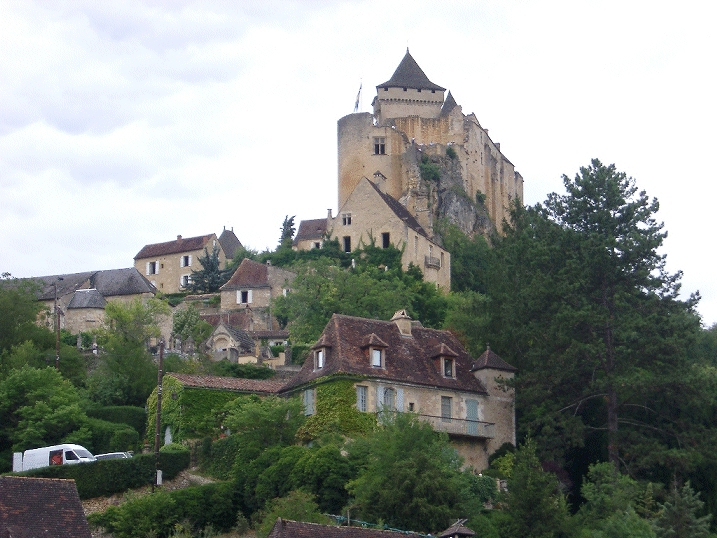
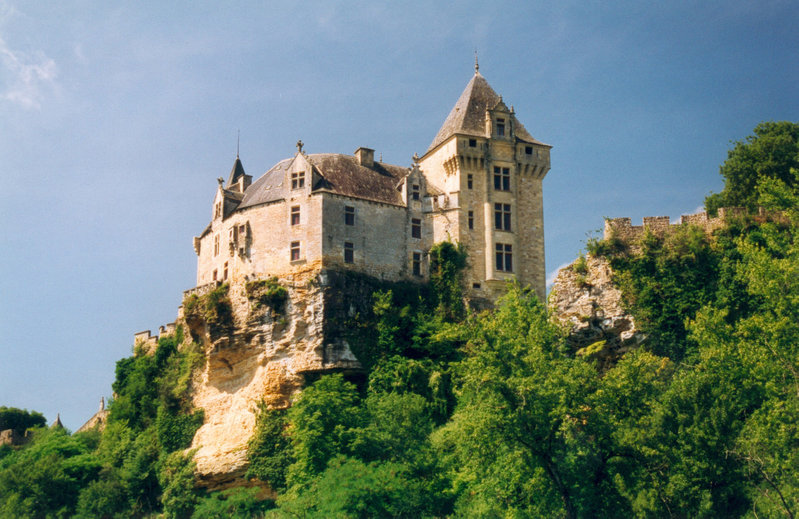
The castle reached its completed form in the 16th century, showcasing a distinctive layout shaped like a Greek cross—four arms of equal length intersecting at right angles. This architectural plan is unusual among medieval fortifications and suggests multiple phases of construction over centuries. Notably, one of the castle's windows dates from the 13th century, indicating that parts of the structure predate the main 16th-century construction.
Positioned on an elevated site, the castle commanded extensive views over key regional routes and settlements, reinforcing its defensive and administrative roles. The most enduring feature is the donjon, a fortified keep that survived the destructive events of the French Wars of Religion in the late 16th century, when Protestant forces burned the castle except for this resilient tower.
Role in regional conflicts and later history
During the French Wars of Religion, the castle was under the control of Marc de Cugnac, a supporter of the Catholic League. Protestant forces led by Geoffroy de Vivans captured nearby Domme and Saint-Pompon and launched a campaign that resulted in the burning of Château du Peyruzel, sparing only the donjon. The financial strain from these conflicts led to the sale of the castle in 1595 to François de Mirandol. Marc de Cugnac's subsequent involvement in a failed conspiracy in 1605 led to his exile and condemnation, though he was eventually pardoned.
The Mirandol family retained ownership until the upheavals of the French Revolution. By the 18th century, the castle had acquired significant judicial authority over Daglan, reflecting its continued local importance despite its partial destruction.
Architectural features and preservation status
The Château du Peyruzel's Greek cross plan is a rare and noteworthy feature among medieval castles, indicating a complex construction history. The surviving donjon is the oldest and most intact element, providing valuable insight into the castle's defensive capabilities and architectural style. While detailed records of construction materials and decorative elements are limited, the castle's remains demonstrate its dual function as a military stronghold and a center of local authority.
Today, the castle is recognized as a historic monument, officially listed since 1948. Despite the damage sustained during the religious wars, the site retains significant archaeological and architectural value, with photographs and studies highlighting its unique layout and enduring structures.
Visiting château du peyruzel
While specific visitor information such as opening hours and ticket prices is not widely documented, the Château du Peyruzel remains an important cultural heritage site in the Hauts-de-France region. Its elevated position offers scenic views and a tangible connection to the region's medieval past. Visitors interested in feudal history, medieval architecture, and the complex history of the Périgord area will find the site particularly compelling.
Nearby attractions include the historic towns of Domme and Gramat, both rich in medieval heritage and providing additional context to the castle's regional significance.
Frequently asked questions (FAQ)
- How do I get to Château du Peyruzel?
- Château du Peyruzel is easily accessible by car, located just off the main roads connecting nearby towns. Public transport options may be limited, so checking local bus schedules in advance is recommended. Parking is available on-site for visitors.
- What is the historical significance of Château du Peyruzel?
- Château du Peyruzel dates back to the 12th century and has played a vital role in the region's history, serving as a fortress during various conflicts. Its architecture reflects the evolution of defensive structures over the centuries. The castle also offers insights into the lifestyle of the nobility during medieval times.
- When was Château du Peyruzel built?
- Construction of Château du Peyruzel began in the early 12th century, with significant modifications made in subsequent centuries. The castle's design showcases the transition from Romanesque to Gothic architectural styles. Its enduring presence makes it a fascinating subject for history enthusiasts.
- Can I take guided tours at Château du Peyruzel?
- Yes, guided tours are available at Château du Peyruzel, providing visitors with in-depth knowledge about its history and architecture. Tours are typically offered in multiple languages and can be booked in advance. Self-guided options are also available for those who prefer to explore at their own pace.
- Why is Château du Peyruzel a popular tourist destination?
- Château du Peyruzel is popular for its stunning architecture, rich history, and picturesque surroundings. Visitors are drawn to its well-preserved structures and beautiful gardens, making it a perfect spot for photography and leisurely walks. The castle also hosts various cultural events throughout the year, enhancing its appeal.
- Is it possible to host events at Château du Peyruzel?
- Yes, Château du Peyruzel offers facilities for hosting events such as weddings, corporate gatherings, and private celebrations. The unique ambiance of the castle provides a memorable backdrop for any occasion. It's advisable to contact the castle management for details on availability and arrangements.
- What are the opening hours for Château du Peyruzel?
- Château du Peyruzel is generally open to visitors from 10 AM to 6 PM, with extended hours during the summer months. It's recommended to check the official website or contact them directly for any seasonal changes or special closures. Arriving early allows for a more relaxed visit.
- What are the ticket prices for visiting Château du Peyruzel?
- Ticket prices for Château du Peyruzel vary depending on age, with discounts available for children, students, and seniors. Typically, adult tickets range from €8 to €12, while children under 12 may enter for free. Group rates are also available, so consider visiting with friends or family.
- What is the best time to visit Château du Peyruzel?
- The best time to visit Château du Peyruzel is during the spring and early fall when the weather is mild and the gardens are in full bloom. These seasons also offer fewer crowds compared to the peak summer months. Check the castle's schedule for special events that may enhance your visit.
- Are there any nearby attractions to visit along with Château du Peyruzel?
- Yes, there are several attractions near Château du Peyruzel, including charming villages, local wineries, and scenic hiking trails. The surrounding countryside is perfect for day trips and outdoor activities. Exploring these nearby sites can enhance your overall experience in the region.
Information
Loading map...
Visitor reviews
No reviews yet. Been here? Write the first review and help other travelers!
Write the first reviewVisited this castle? Share your experience
Your review helps other travelers and adds first-hand knowledge to our encyclopedia.