Château de Fayrac
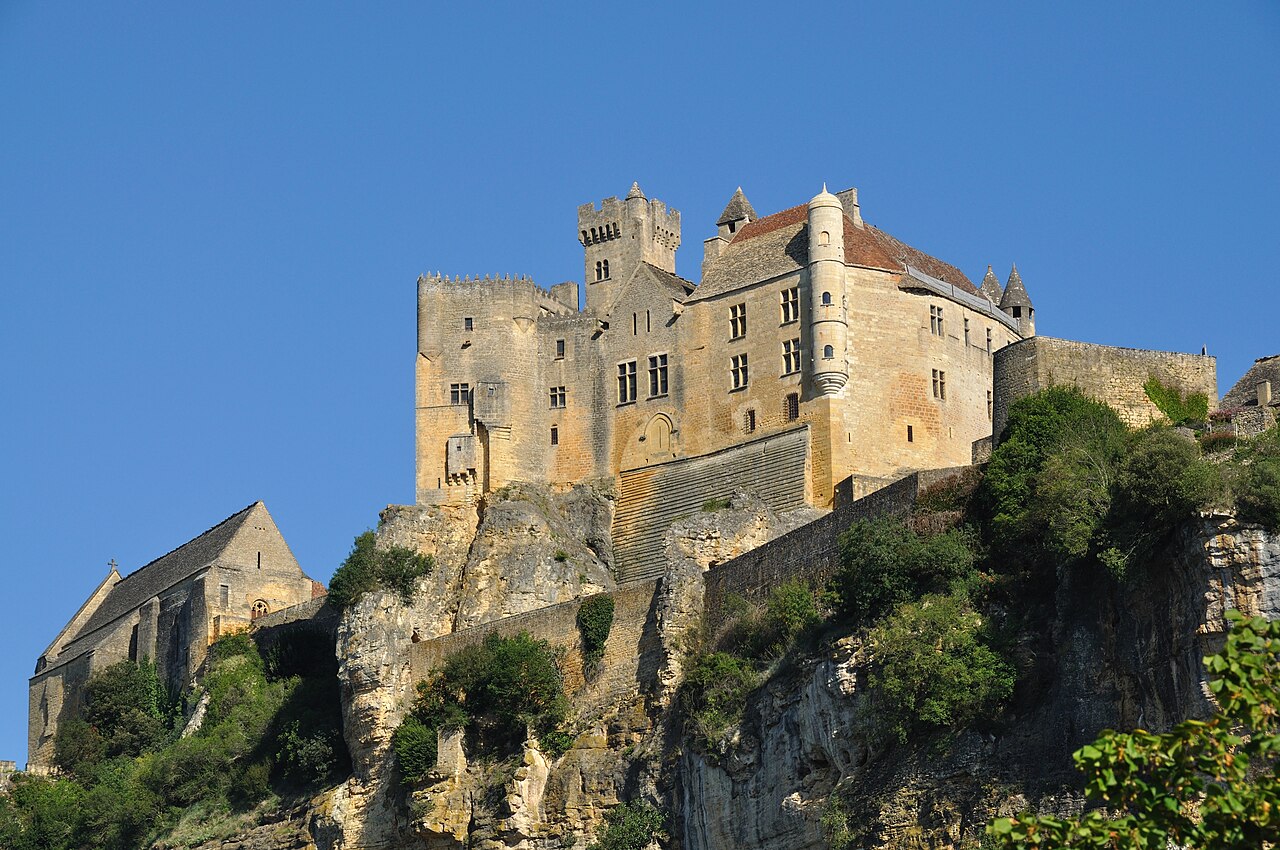
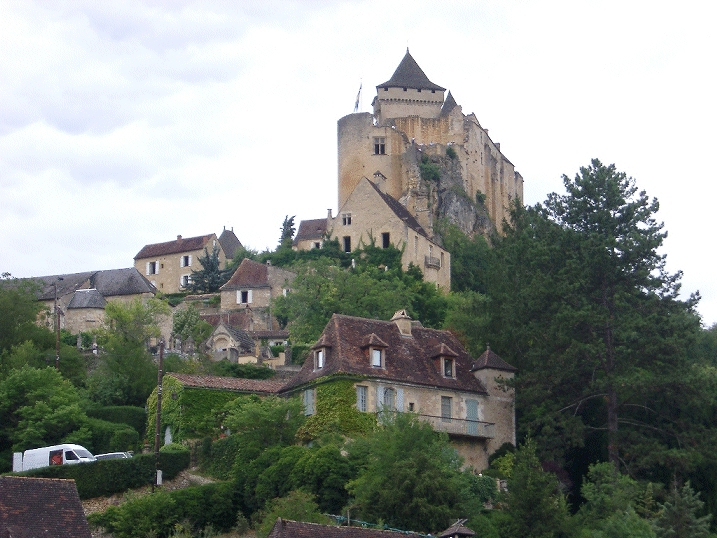
The Château de Fayrac stands as a remarkable example of a hill castle in the region of Hauts-de-France, France. Its origins trace back to at least the 13th century, when it was first documented as a modest fortified house known as Afayrac or Affeyrac. Over the centuries, the château evolved through successive architectural phases, reflecting the shifting needs and tastes of its noble owners, from medieval military defense to Renaissance refinement and 19th-century cultural revival.
Medieval origins and military significance
The earliest surviving elements of the château, including vaulted cellars and a round tower, date to the 13th century. Initially, the castle functioned as a fortified residence for local lords, documented in ecclesiastical records. During the Middle Ages, the château was closely linked to the powerful Caumont family, lords of the nearby Castelnaud estate. By the 14th century, the site was known as the “tours de Fayrac” and served as a strategic defensive lookout supporting the English stronghold at Castelnaud during the Hundred Years’ War. Its position overlooking the Dordogne River enabled surveillance and control of surrounding territories.
In 1342, the castle was transferred as part of a dowry from Raoul de Caumont to his daughter, illustrating its role in noble alliances. The 15th century saw the addition of a gatehouse with a drawbridge, enhancing the château’s defensive capabilities. This gatehouse remains a prominent architectural feature, marking the fortified entrance to the inner courtyard.
Renaissance transformations and architectural evolution
By the early 16th century, under the ownership of Raymond de Prouhet, the château underwent significant modifications incorporating Renaissance architectural elements. These changes included the introduction of larger windows and smaller crenellated turrets on the residential wings, reflecting contemporary stylistic trends influenced by prominent figures such as Bishop Nicolas Gaddi of Sarlat. The château’s layout, with three wings enclosing an elevated courtyard open on one side but protected by a wall, demonstrates a blend of defensive purpose and residential comfort.
Religious conflicts and noble alliances
During the French Wars of Religion in the late 16th century, the château was a Protestant stronghold. Owned by the Blancher family through marriage, it aligned with regional Protestant forces. Jean de Blancher, a Protestant lord of Fayrac, actively defended the château and surrounding fortresses. His marriage to Simone de Vivans connected him to the French Resistance within Domme, where he commanded after its capture. The violent religious conflicts of the period are underscored by the death of his Catholic brother Pierre at the hands of Protestants.
18th and 19th-century restoration and cultural significance
By the 18th century, the château remained in the hands of the Blancher family. However, during the French Revolution in 1789, the family fled, and the property was confiscated and sold to a lawyer named Gayraud from nearby Sarlat. Gayraud initiated restoration efforts to preserve the château’s structure.
The 19th century brought extensive refurbishment under Fernand Fouant de La Tombelle, a noted composer. His ownership infused the château with cultural importance, including the establishment of a large music collection and the installation of an Érard grand piano. Restoration work also included reconstructing a medieval donjon as a replica of the original keep, reflecting the Romantic era’s fascination with medieval architecture.
20th-century history and current status
During World War II in 1944, the château briefly hosted André Malraux, who was involved with the French Resistance. Since 1928, the château has been officially recognized and protected as a historic monument. It remains a private residence, well maintained and preserving its layered history from medieval fortifications through Renaissance enhancements to 19th-century cultural additions.
Architectural features and layout
The château is situated on a small hill overlooking the Dordogne River, with a layout comprising three wings forming an elevated inner courtyard that is open on one side but secured by a protective wall. Two massive towers face the river, lending a fortress-like appearance and recalling the château’s military origins. The other wings feature large windows and smaller crenellated turrets, illustrating the Renaissance influence.
The 15th-century gatehouse with its drawbridge remains a defining feature, marking the fortified entrance and linking the defensive and residential functions of the château. The presence of a reconstructed medieval donjon adds to the château’s historical ambiance, representing the 19th-century restoration efforts inspired by Romanticism.
Inside one of the towers is a notable music library and the Érard grand piano, relics of the château’s 19th-century cultural chapter. These elements highlight the château’s unique combination of military, residential, and artistic heritage.
Preservation and accessibility
Today, the Château de Fayrac is well preserved and protected as a listed historic monument. Despite its private ownership and inaccessibility to the public, the château retains clear architectural layers that document its evolution over seven centuries. Its combination of medieval defensive structures, Renaissance renovations, and 19th-century restorations makes it a significant example of French castle architecture.
Frequently asked questions (FAQ)
- What is the historical significance of Château de Fayrac?
- Château de Fayrac is a striking example of medieval architecture, dating back to the 15th century. It played a vital role in the region's feudal history and has witnessed numerous events that shaped the local landscape and culture.
- When was Château de Fayrac built?
- Château de Fayrac was constructed in the late 15th century, around 1480. Its design reflects the transition from medieval fortifications to more modern residential styles, showcasing the evolution of castle architecture in France.
- What are the opening hours for Château de Fayrac?
- Château de Fayrac is typically open to visitors from April to October, with varying hours depending on the season. It is advisable to check the official website for specific opening times and any seasonal changes before your visit.
- Can I take guided tours of Château de Fayrac?
- Yes, guided tours are available at Château de Fayrac, providing visitors with insights into its rich history and architectural features. These tours are led by knowledgeable guides who enhance the experience with engaging stories and facts.
- Is it possible to access Château de Fayrac with mobility issues?
- Château de Fayrac has made efforts to improve accessibility, but due to its historical nature, some areas may still pose challenges for individuals with mobility issues. It is recommended to contact the castle administration in advance to discuss specific accessibility options.
- What is the best time to visit Château de Fayrac?
- The best time to visit Château de Fayrac is during the spring and early autumn months when the weather is mild and pleasant. Additionally, visiting during these seasons allows you to enjoy the beautiful surrounding gardens in full bloom.
- Are there any nearby attractions to visit after Château de Fayrac?
- Yes, there are several nearby attractions, including the picturesque village of Beynac-et-Cazenac and the stunning Dordogne River. Exploring these locations can enrich your experience and provide a deeper understanding of the region's historical and natural beauty.
- How much do tickets cost for Château de Fayrac?
- Ticket prices for Château de Fayrac are generally affordable, with discounts available for students and children. It's best to check the castle's official website for the most current pricing and any available special offers.
Information
Loading map...
Visitor reviews
No reviews yet. Been here? Write the first review and help other travelers!
Write the first reviewVisited this castle? Share your experience
Your review helps other travelers and adds first-hand knowledge to our encyclopedia.