Château du Nessay
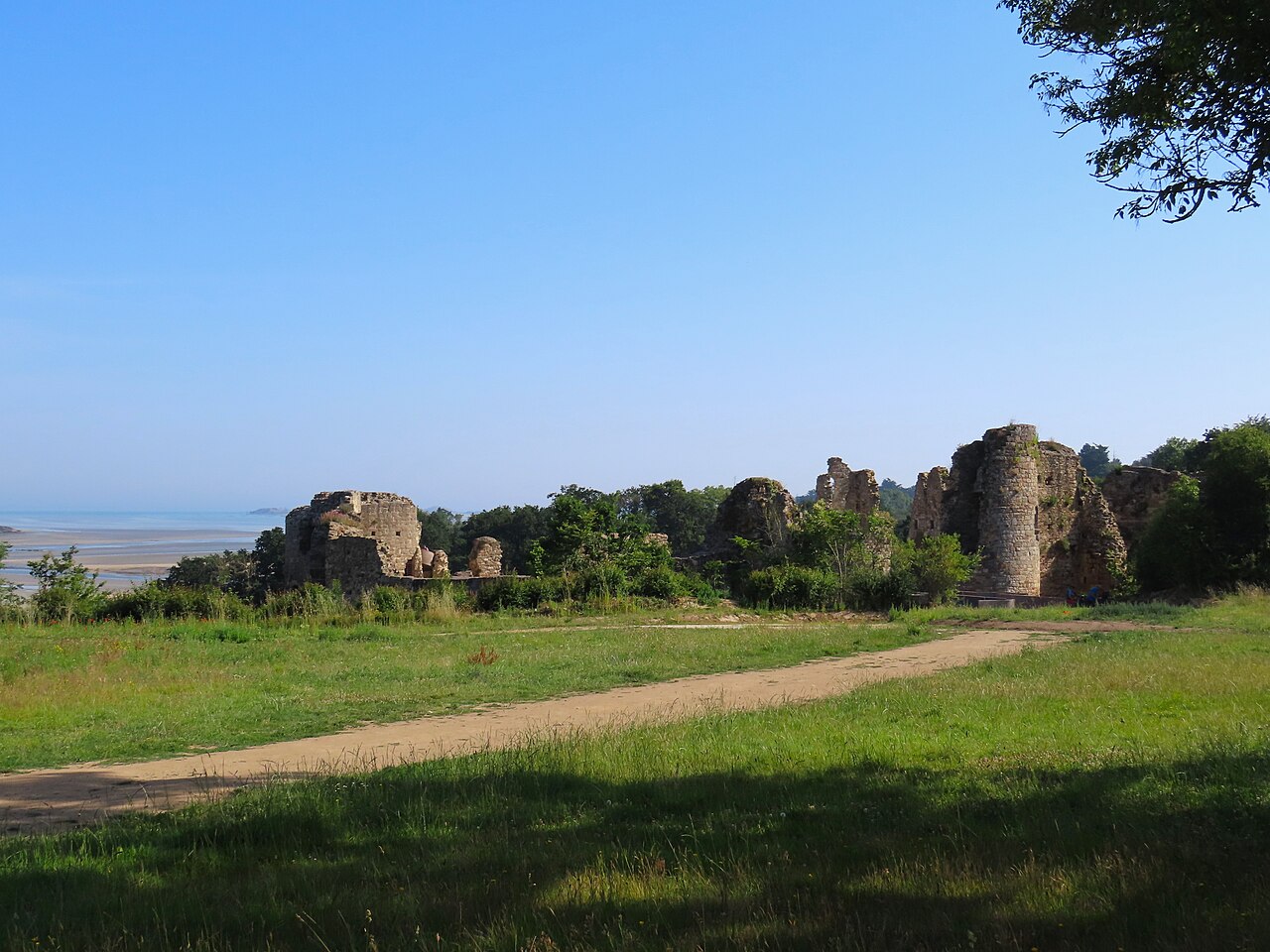
Château du Nessay stands as a notable example of a modern-era castle constructed on the historic site of a medieval fortress dating back to the 12th century. The original castle, which once dominated the landscape of Saint-Briac-sur-Mer in France, was destroyed in the mid-1600s, leaving behind only the memory of its medieval origins. This site later gained a somber role during the French Revolution, when the ruins were repurposed as a prison for political detainees, reflecting the turbulent history of the region.
The current Château du Nessay was built in 1886 by Count Maurice de Villebresme, who chose to establish a residence that both honored the site's historical significance and embraced the architectural trends of the late 19th century. This construction marks the castle as a modern-period structure, distinct from its medieval predecessor but rooted in a rich historical context.
Historical background and significance
The original castle on the site of Château du Nessay was a medieval fortress established in the 12th century. Its strategic location in the Brittany region made it an important defensive and administrative center during the Middle Ages. Unfortunately, the castle was destroyed in the mid-17th century, likely as a consequence of the conflicts and upheavals that affected France in that period.
During the French Revolution, the remnants of the castle were adapted to serve as a prison, holding political prisoners amid the revolutionary turmoil. This use underscores the site's continued importance in French history beyond its medieval military role.
Architectural features of the current château
The 1886 château constructed by Count Maurice de Villebresme reflects the architectural sensibilities of the modern period, incorporating elements that were fashionable in late 19th-century France. While the castle does not retain medieval defensive features such as moats or battlements, it embodies the aesthetic values of its time, likely featuring elegant facades, formal gardens, and refined interior spaces designed for residential comfort rather than military defense.
Though detailed architectural plans and stylistic descriptions are limited, the château's construction on a historic site suggests a blend of respect for tradition with modern comfort. The building's layout and decoration would have been influenced by contemporary trends in French country house design, possibly incorporating elements of neo-Renaissance or eclectic styles popular in that era.
Site and surroundings
Located in Saint-Briac-sur-Mer, a coastal town in Brittany, the château benefits from a scenic setting near the sea. The region is known for its picturesque landscapes and historic sites, making the château an interesting destination for visitors interested in both history and architecture.
Château du Nessay in the context of French castle evolution
The transformation of the site from a medieval fortress to a modern residence illustrates broader trends in the evolution of French castles. Many medieval castles were destroyed or fell into ruin over the centuries, with some sites later repurposed or rebuilt to serve new functions. Château du Nessay exemplifies this pattern, showing how historic locations can be adapted to changing social and cultural needs.
Unlike traditional medieval castles designed primarily for defense, the modern château emphasizes comfort and aesthetics, reflecting the diminished military role of such estates by the late 19th century.
Visiting Château du Nessay
While Château du Nessay is primarily a private residence, its historical significance and architectural interest make it a notable landmark within the Saint-Briac-sur-Mer area. Visitors to the region often explore nearby historic sites and enjoy the coastal scenery that characterizes this part of Brittany.
Information on public access and guided tours is limited, suggesting that the château is not regularly open to the public. However, its exterior and the surrounding landscape can be appreciated by visitors exploring the town and its environs.
Frequently asked questions (FAQ)
- How do I get to Château du Nessay?
- Château du Nessay is located in Saint-Briac-sur-Mer, France, and is easily accessible by car or public transportation. If traveling by train, the nearest major station is in Dinard, followed by a short bus or taxi ride to the castle.
- What is the historical significance of Château du Nessay?
- Château du Nessay dates back to the late 19th century and is a fine example of the architectural styles of that era. It has been an important part of the local heritage and has witnessed many historical events, making it a significant landmark in the region.
- When was Château du Nessay built?
- Construction of Château du Nessay began in 1890 and was completed in 1895. The castle was built for a wealthy family and showcases the opulence and architectural trends of the time.
- Can I visit Château du Nessay?
- Yes, visitors can explore the grounds of Château du Nessay. However, it's important to check the opening hours and any special events that may affect accessibility before planning your visit.
- Why is Château du Nessay popular among tourists?
- Château du Nessay is popular for its stunning architecture and picturesque location overlooking the sea. The castle also offers a glimpse into the luxurious lifestyle of the late 19th century, making it a captivating destination for history and architecture enthusiasts.
- Is it possible to take guided tours of Château du Nessay?
- Guided tours are often available at Château du Nessay, providing visitors with in-depth information about its history and architecture. It's advisable to check the official website for tour availability and to book in advance, especially during peak tourist seasons.
- What are the opening hours for Château du Nessay?
- Château du Nessay typically opens its doors to visitors from April to October, with varying hours depending on the day of the week. Always confirm the exact opening times before your visit to ensure you have ample time to explore.
- What are the ticket prices for visiting Château du Nessay?
- Ticket prices for Château du Nessay vary based on age and the type of tour. Discounts may be available for children, students, and seniors, so be sure to check the latest pricing information on their official site before your visit.
- What nearby attractions should I visit when I go to Château du Nessay?
- When visiting Château du Nessay, consider exploring the beautiful beaches of Saint-Briac-sur-Mer and the charming coastal paths. The nearby town of Dinard also offers a variety of shops, restaurants, and historical sites worth visiting.
Loading map...
Visitor reviews
No reviews yet. Been here? Write the first review and help other travelers!
Write the first reviewVisited this castle? Share your experience
Your review helps other travelers and adds first-hand knowledge to our encyclopedia.