Fort Petit-Bé
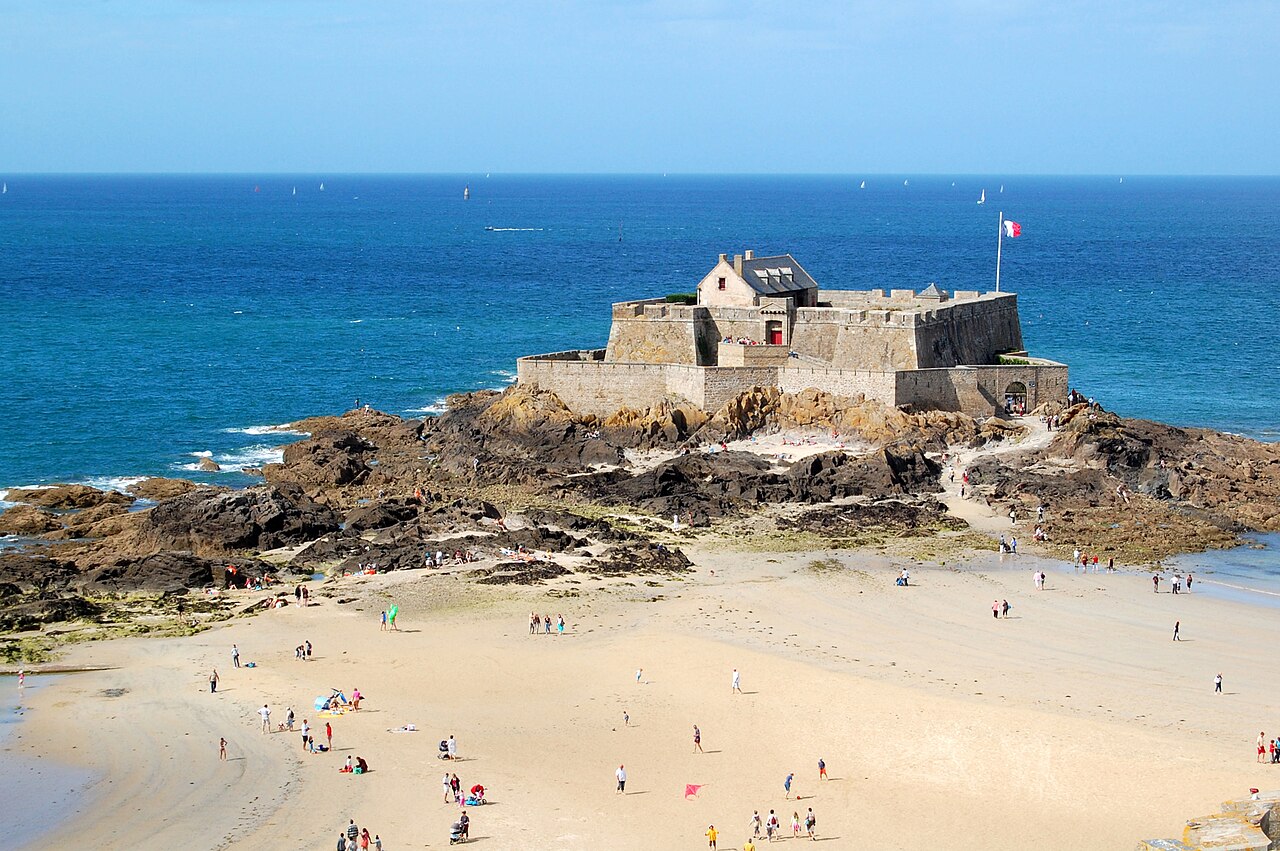
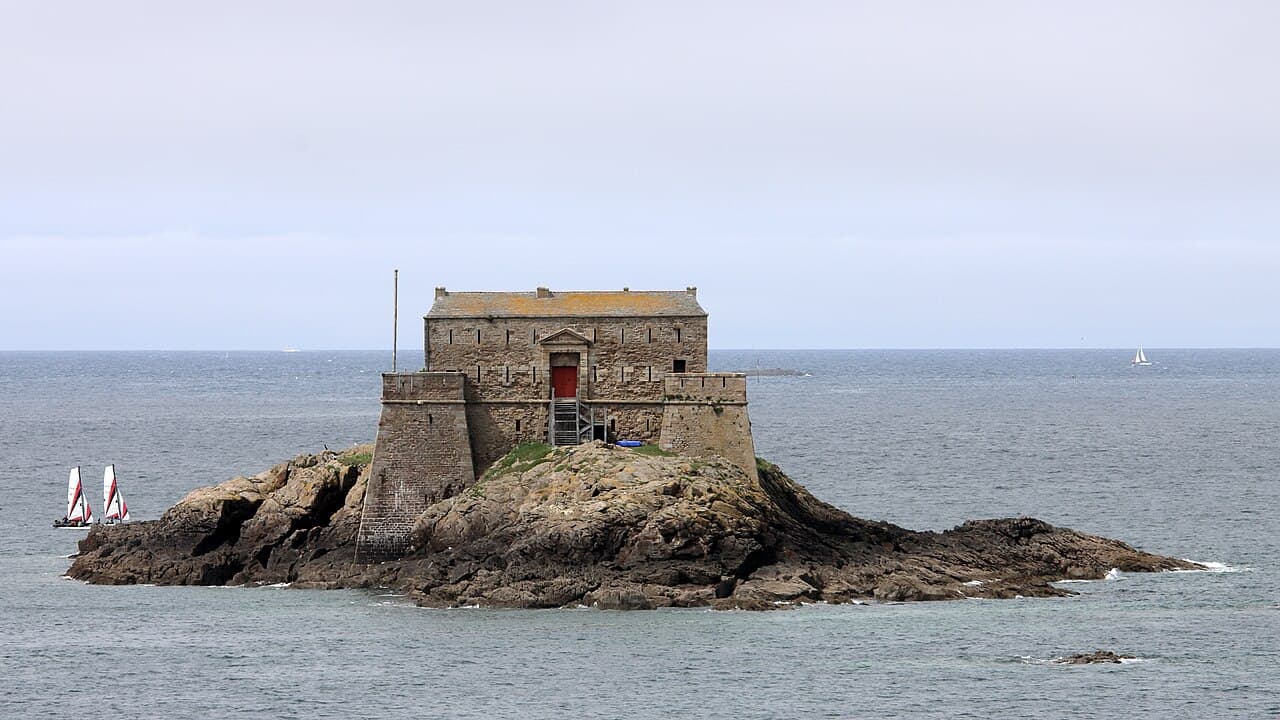
Fort Petit-Bé, also known locally as Fort du Petit-Bé, is a historic fortress situated on a small tidal island just off the coast of the walled city of Saint-Malo in the Ille-et-Vilaine department of Brittany, France. This Renaissance-era fortification was constructed to protect the strategic port city from naval threats, particularly from Anglo-Dutch fleets during the late 17th century. The fort's unique location on a tidal island means it is accessible on foot only during low tide, while at high tide it can be reached by boat, reflecting the dramatic tidal range of approximately 13 meters in the area.
Historical background and strategic importance
The original fort on Petit-Bé island was established in 1662 by the French government as part of efforts to strengthen the coastal defenses of Saint-Malo, which was a vital maritime hub and corsair stronghold. However, the fortifications were deemed insufficient by the late 17th century.
In the 1680s, the renowned military engineer Sébastien Le Prestre de Vauban was commissioned by King Louis XIV to inspect and enhance the defenses of Saint-Malo. Vauban was a leading figure in fortification design during the Renaissance and early modern period, known for his innovative bastioned fortresses and strategic military architecture.
Vauban recommended not only reinforcing the town walls and castle ramparts to accommodate artillery but also constructing a series of outlying forts on the tidal islands in the bay to provide layered defense against naval invasions. Fort Petit-Bé was one of these critical outposts, designed to control access to the harbor and protect Saint-Malo from seaborne attacks.
Construction and architectural features
Construction of the current Fort Petit-Bé began in 1689 under the supervision of engineer Siméon Garangeau, following Vauban's detailed plans. The fort was designed as a compact, robust bastioned fortress optimized for artillery defense.
The fort features thick stone walls with angled bastions that allowed defenders to cover all approaches with overlapping fields of fire, a hallmark of Vauban's fortification principles. The walls were built to withstand cannon bombardment, and the fort included gun platforms, barracks, powder magazines, and storage facilities.
Its position on a tidal island added a natural defensive barrier, with the surrounding waters and tidal flats complicating any enemy approach. The fort's design also incorporated a drawbridge and fortified gate to control access during low tide.
Defensive role and military engagements
Although the fort was still under construction during the 1693 Anglo-Dutch fleet attack on Saint-Malo, Fort Petit-Bé and the other newly built outlying forts played a significant role in repelling the assault. The fortifications successfully prevented the enemy fleet from breaching the harbor defenses.
In 1695, the fort again helped defend Saint-Malo against another Anglo-Dutch attack, demonstrating its strategic value within the coastal defense network.
The fort was fully completed by 1707, solidifying its role as a key element in the protection of Saint-Malo throughout the 18th century.
Later history and preservation
Fort Petit-Bé remained under French military control until 1885, after which it was decommissioned and transferred to local authorities. Following a period of neglect, the fort fell into disrepair over the 20th century.
In 2000, a non-profit organization undertook restoration efforts to preserve the fort as a cultural and historical site. Today, it is open to the public with guided tours available during low tide when access by foot is possible. The restoration has helped maintain the fort's structural integrity and historical character.
Access and visitor information
Visitors to Fort Petit-Bé must plan their visit according to the tidal schedule because the fort is only accessible on foot during low tide. At high tide, access is possible only by boat. The tidal range of Saint-Malo, one of the highest in Europe at about 13 meters, creates a unique visiting experience.
The fort offers guided tours that provide insights into its military architecture, historical significance, and the life of soldiers stationed there. Visitors can explore the bastions, the gun emplacements, and the interior chambers that once housed troops and artillery.
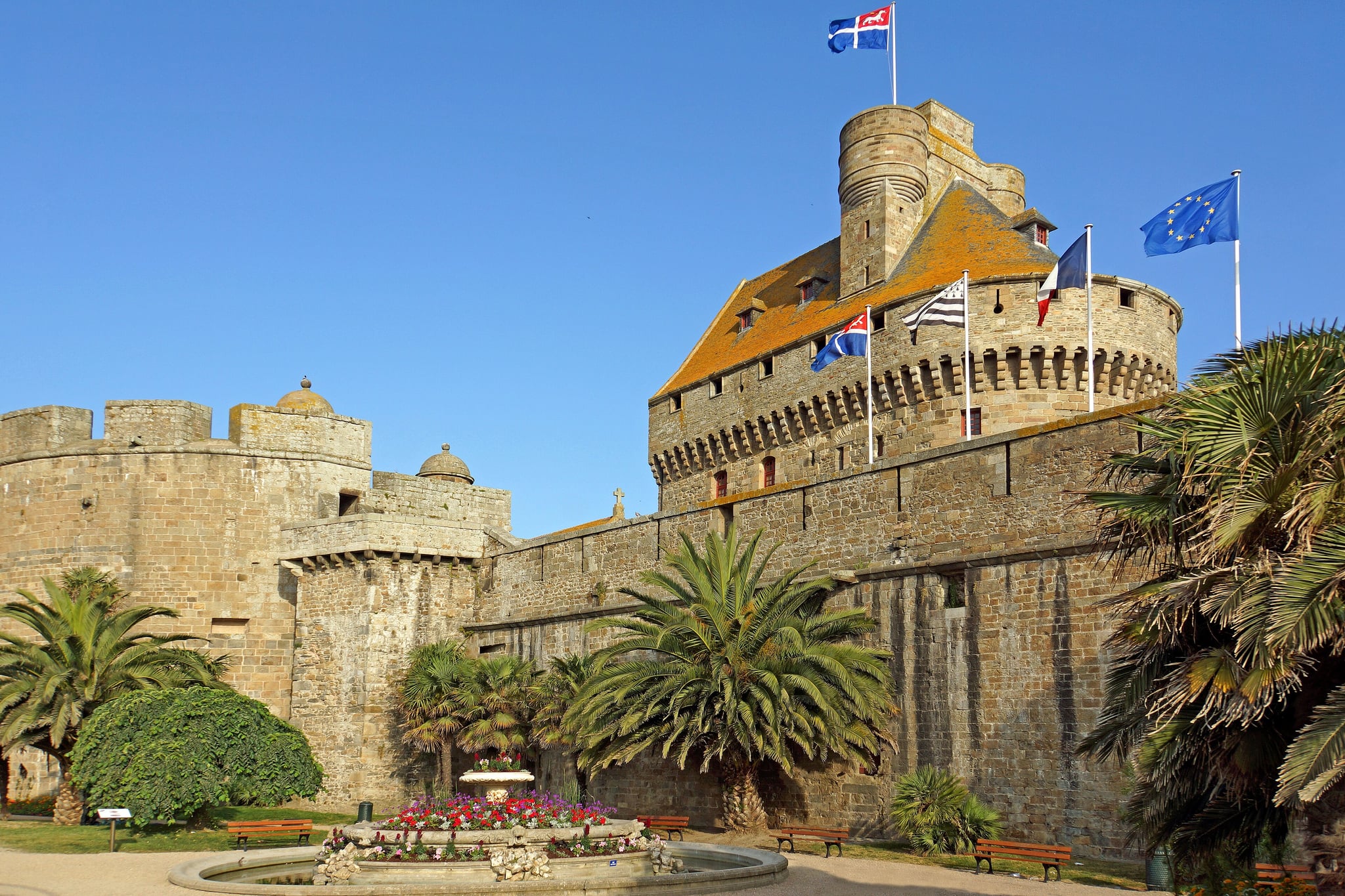
Nearby attractions include the historic walled city of Saint-Malo itself, with its castle and other forts such as Fort National, Fort Aleth, and the Solidor Tower, all of which contribute to understanding the region's rich maritime and military heritage.
Geographical and cultural context
Petit Bé island, known in Breton as Nebeut Bezañ, lies close to the larger tidal island of Grand Bé. The proximity of these islands to Saint-Malo highlights the strategic use of natural terrain in coastal defense systems of the period.
The tidal islands and fortifications around Saint-Malo reflect the city's importance as a fortified port and corsair base, with a long history of resisting invasions and protecting maritime interests.
Frequently asked questions (FAQ)
- How do I access Fort Petit-Bé?
- Fort Petit-Bé is accessible on foot only during low tide from Bon-Secours beach. At high tide, visitors must use a boat to reach the fort due to the significant tidal range in Saint-Malo.
- What is the historical significance of Fort Petit-Bé?
- Fort Petit-Bé was designed by Vauban and built in the late 17th century to protect Saint-Malo from Anglo-Dutch naval attacks. It played a crucial role in repelling attacks in 1693 and 1695.
- Can I visit Fort Petit-Bé all year round?
- Visits to Fort Petit-Bé depend on the tidal schedule and weather conditions. The fort is usually open for guided tours during low tide periods, but closures may occur during breeding seasons or due to health measures.
- What architectural style is Fort Petit-Bé?
- Fort Petit-Bé reflects a mixed architectural style with strong influences from Vauban's military engineering principles, combining Renaissance-era bastioned fortress design with adaptations to its tidal island location.
- Are there other forts near Fort Petit-Bé worth visiting?
- Yes, nearby forts include Fort National within Saint-Malo, as well as Fort Aleth and the Solidor Tower opposite the city. These forts collectively illustrate the region's extensive coastal defense system.
Photo gallery

Information
Current owner
Non-profit organization
Loading map...
Visitor reviews
No reviews yet. Been here? Write the first review and help other travelers!
Write the first reviewVisited this castle? Share your experience
Your review helps other travelers and adds first-hand knowledge to our encyclopedia.