Fort Aleth
Fort Aleth, also known locally as Fort d'Aleth or Fort du Cité d'Aleth, is a prominent historic fortification located in the Saint-Servan neighborhood of Saint-Malo in the Ille-et-Vilaine department of France. This coastal fort stands on a strategic promontory at the mouth of the Rance river, directly opposite the island that would later develop into the city of Saint-Malo. The site’s history spans over two millennia, reflecting its importance in regional defense and maritime control.
Ancient origins and early fortifications
The earliest known inhabitants of the site were the Coriosolites, a Celtic tribe documented in Roman writings from the 1st century. This area was a key settlement due to its vantage over the river and sea routes. By the late 4th century, the location had evolved into a significant Saxon Shore promontory fort, part of a network of coastal defenses built by the Romans to repel Saxon raids along the northern coast of Gaul and Britain. The fort’s position allowed control over maritime traffic entering the Rance estuary, crucial for trade and military movements.
From this early fortification grew a settlement that eventually became the neighborhood known as Saint-Servan. This town flourished for centuries but was later overshadowed by the rise of Saint-Malo, which absorbed Saint-Servan as it expanded.
17th and 18th century fortifications and Vauban’s influence
By the end of the 17th century, the site, then called Cité d'Aleth, was defended mainly by a series of batteries guarding the entrance to the Rance river. The renowned military engineer Sébastien Le Prestre de Vauban inspected the fortifications of Saint-Malo and warned that without strengthening Fort Aleth, the city’s defenses would be vulnerable. Despite his advice, significant fortification work only began after multiple English incursions.
In 1759, under the direction of Saint-Malo’s chief engineer, the current artillery fort was constructed. This fort was designed to provide a robust defense against naval attacks and to secure the river entrance, reflecting the military architectural principles of the period, emphasizing heavy artillery placement and thick defensive walls.
19th century modernization and abandonment
During the late 19th century, Fort Aleth underwent substantial upgrades as part of a comprehensive modernization of Saint-Malo’s coastal defenses. These improvements included reinforced walls, updated artillery emplacements, and enhanced barracks to accommodate a larger garrison. However, with the decline of hostilities between France and England, the fort’s strategic importance diminished.
By 1914, the fort was largely abandoned as military technology and strategic priorities evolved, rendering static coastal forts less critical in modern warfare.
World War II occupation and fortification
During World War II, Fort Aleth was occupied by the German army and transformed into a heavily fortified stronghold. The Germans installed a powerful artillery battery and multiple anti-aircraft batteries, alongside barracks and defensive structures. The fort was reinforced with 32 bunkers and 8 cast iron cloches, which are small armored firing positions barely rising above ground level and accessible only via tunnels.
These fortifications were interconnected by an extensive network of over 1300 meters of tunnels, allowing secure movement of troops and supplies. Fort Aleth became the command center of Festung Saint-Malo, from which Colonel Andreas von Aulock directed the defense of the city against the advancing Allied forces.
The battle for Saint-Malo
Following the Normandy landings in June 1944, the Allies initially underestimated the strength of German defenses at Saint-Malo. Two infantry assaults were repelled with heavy Allied casualties. Subsequently, the Allies resorted to sustained bombing raids and intense artillery bombardment from both land and sea. After eight days of relentless shelling, the German garrison at Fort Aleth surrendered, marking a significant moment in the liberation of Brittany.
Current status and visitor experience
Today, Fort Aleth is open to the public and serves as a historical site that offers visitors a glimpse into centuries of military architecture and coastal defense. One of the German bunkers houses the '39-'45 Memorial museum, which provides detailed exhibits on the fort’s role during World War II.
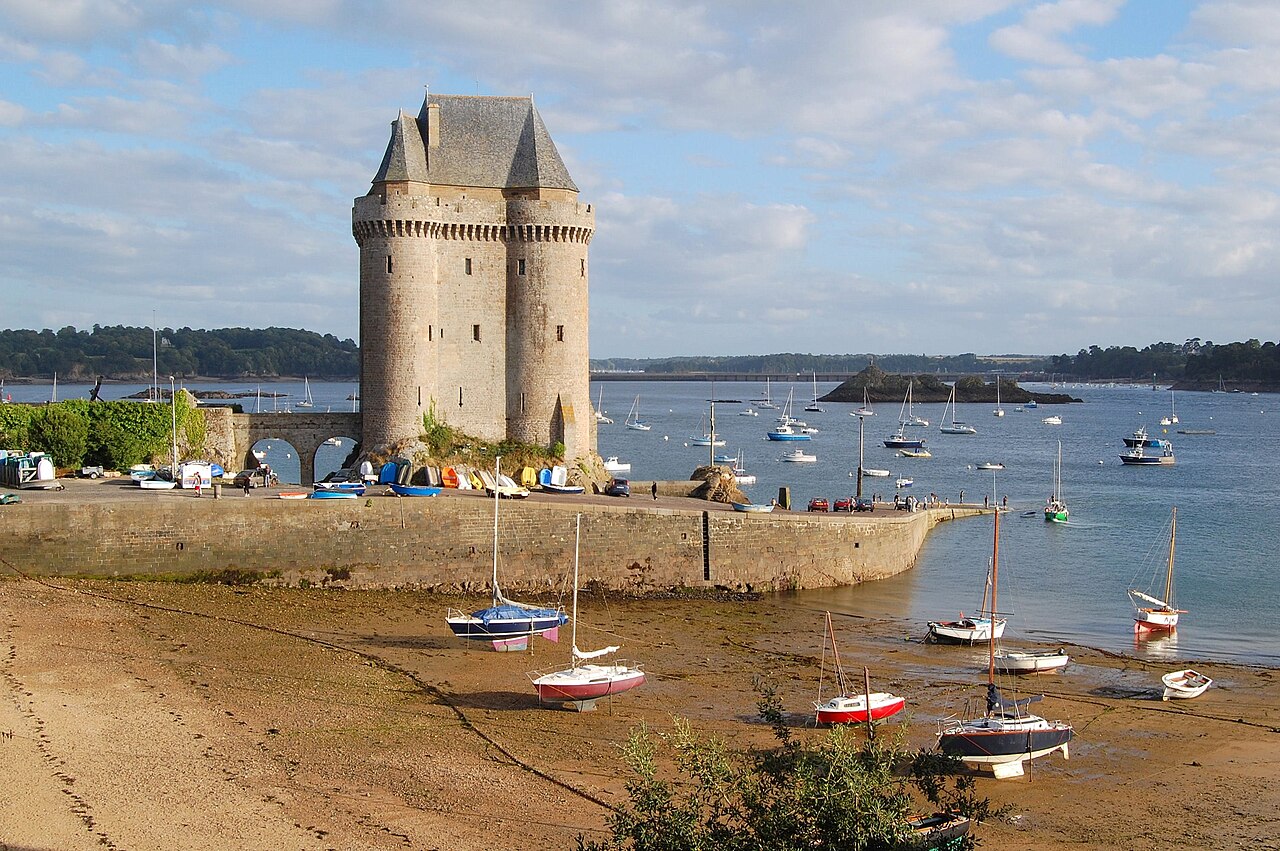
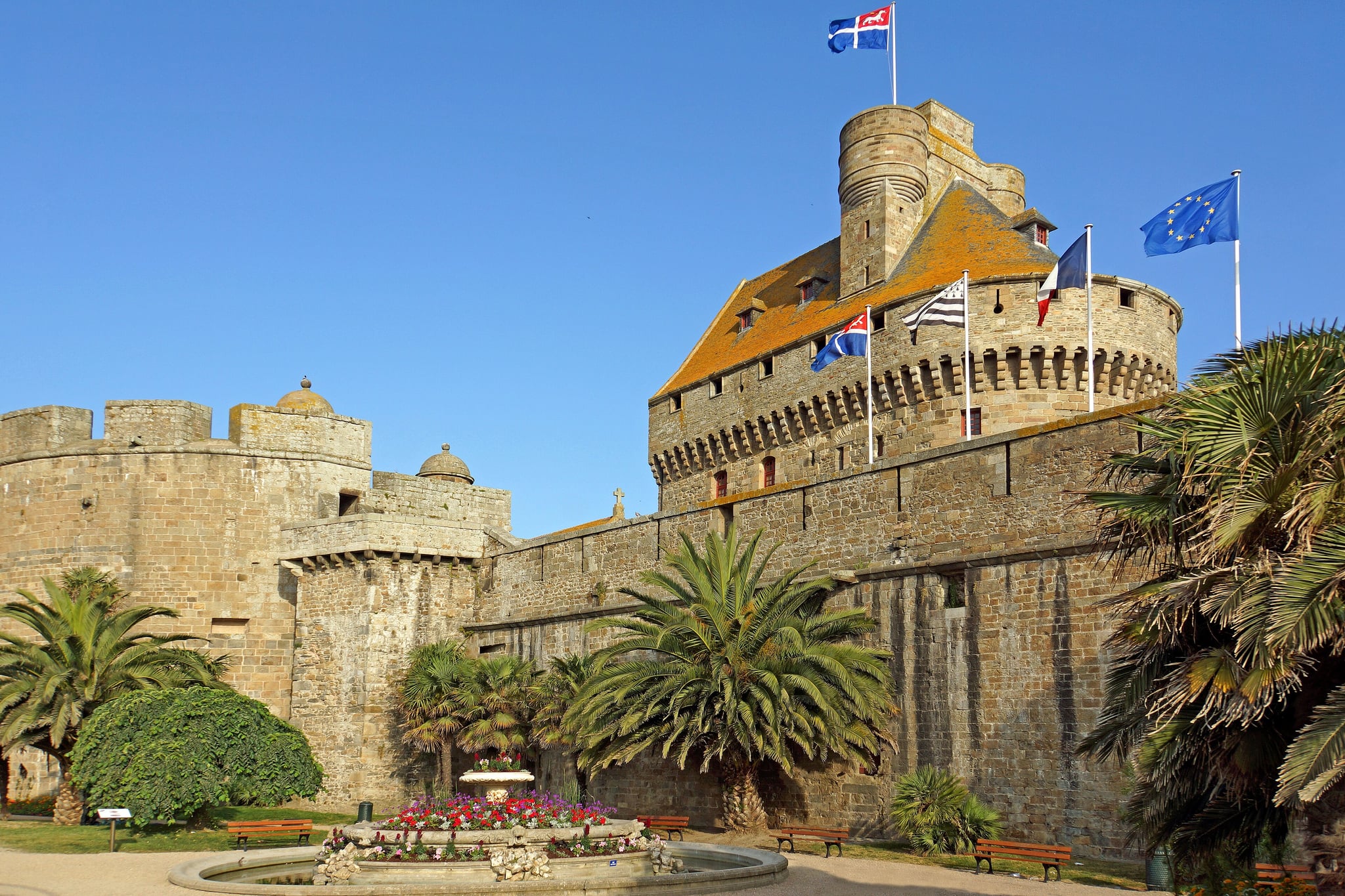
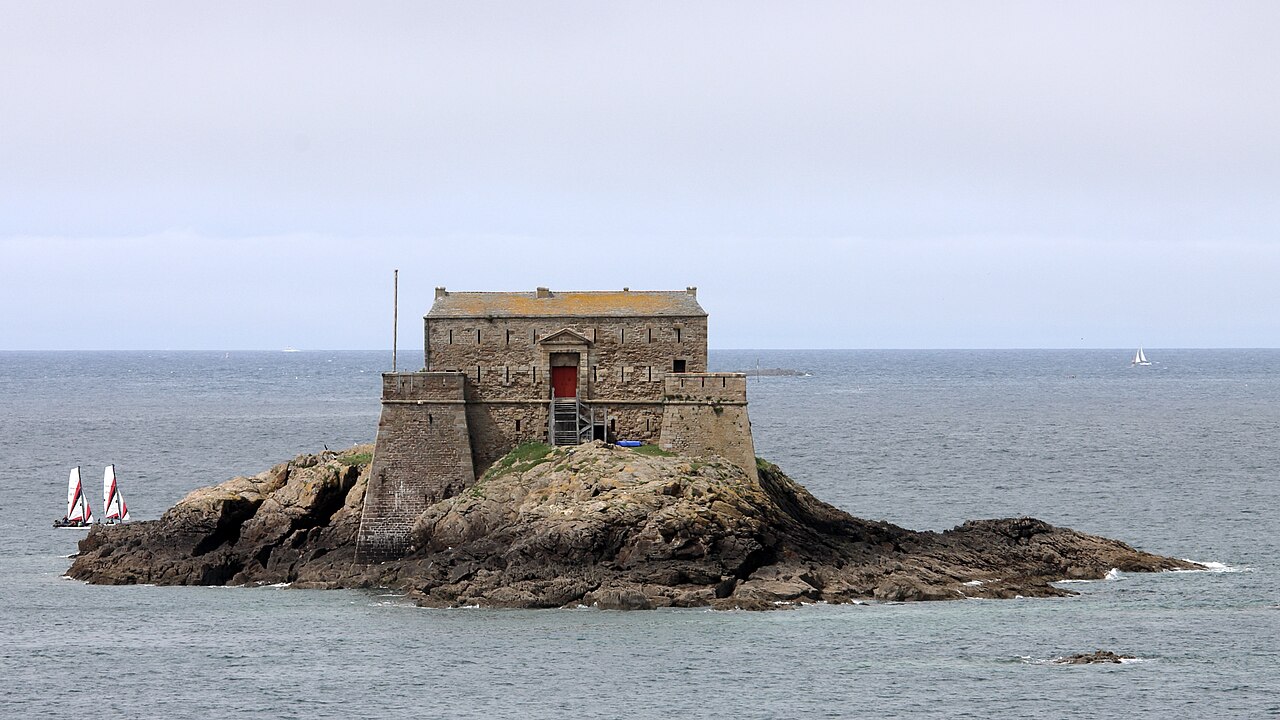
The fort’s elevated position affords panoramic views over the surrounding coastline and the city of Saint-Malo, making it a popular destination for history enthusiasts and tourists alike. Nearby landmarks include the Solidor Tower, a medieval tower guarding the Rance river, and the walled city of Saint-Malo itself, which boasts its own castle and several other forts such as Fort National and Fort Petit-Bé.
Architectural features
Fort Aleth’s architecture reflects its evolution from a Roman-era promontory fort to a modern artillery fortification. The current structure includes thick stone walls designed to withstand cannon fire, bastions for artillery placement, and extensive underground tunnels connecting defensive positions. The German modifications added reinforced concrete bunkers and cloches, showcasing 20th-century military engineering adaptations to aerial and artillery threats.
Significance in regional defense history
Fort Aleth’s long history illustrates the strategic importance of the Rance river estuary and the northern coast of Brittany. From ancient Celtic and Roman times through to the Second World War, the site has been continuously adapted to meet changing military needs. Its layered fortifications provide a tangible record of the evolution of coastal defense technology and strategy over nearly two thousand years.
Frequently asked questions (FAQ)
- How do I get to Fort Aleth in Saint-Malo?
- Fort Aleth is located at 2 Allée Gaston Buy in the Saint-Servan district of Saint-Malo. It is accessible by car, public transport, or on foot from the city center, with clear signage directing visitors to the site.
- What is the historical significance of Fort Aleth?
- Fort Aleth has a history dating back to the 1st century with Celtic origins and was a Roman promontory fort. It played key roles in coastal defense during the medieval period and was heavily fortified during World War II by German forces.
- Can I visit the World War II museum at Fort Aleth?
- Yes, the '39-'45 Memorial museum is located in one of the German bunkers at Fort Aleth and is open to visitors free of charge, providing detailed exhibits about the fort's role in World War II.
- What are the opening hours and ticket prices for Fort Aleth?
- Fort Aleth is open daily from 10:00 to 18:00. Admission to the fort and the museum is free, making it an accessible historical attraction for all visitors.
- Are there guided tours available at Fort Aleth?
- Guided tours may be available during peak tourist seasons or special events. Visitors should check with the local tourist office or the fort's official website for the latest information on tours and educational programs.
Information
Opening hours
10:00-18:00, daily
Ticket prices
Free
Current owner
Municipality
Address
2 Allée Gaston Buy, Saint-Servan, Saint-Malo, Ille-et-Vilaine, France
Loading map...
Visitor reviews
No reviews yet. Been here? Write the first review and help other travelers!
Write the first reviewVisited this castle? Share your experience
Your review helps other travelers and adds first-hand knowledge to our encyclopedia.