Château du Muguet
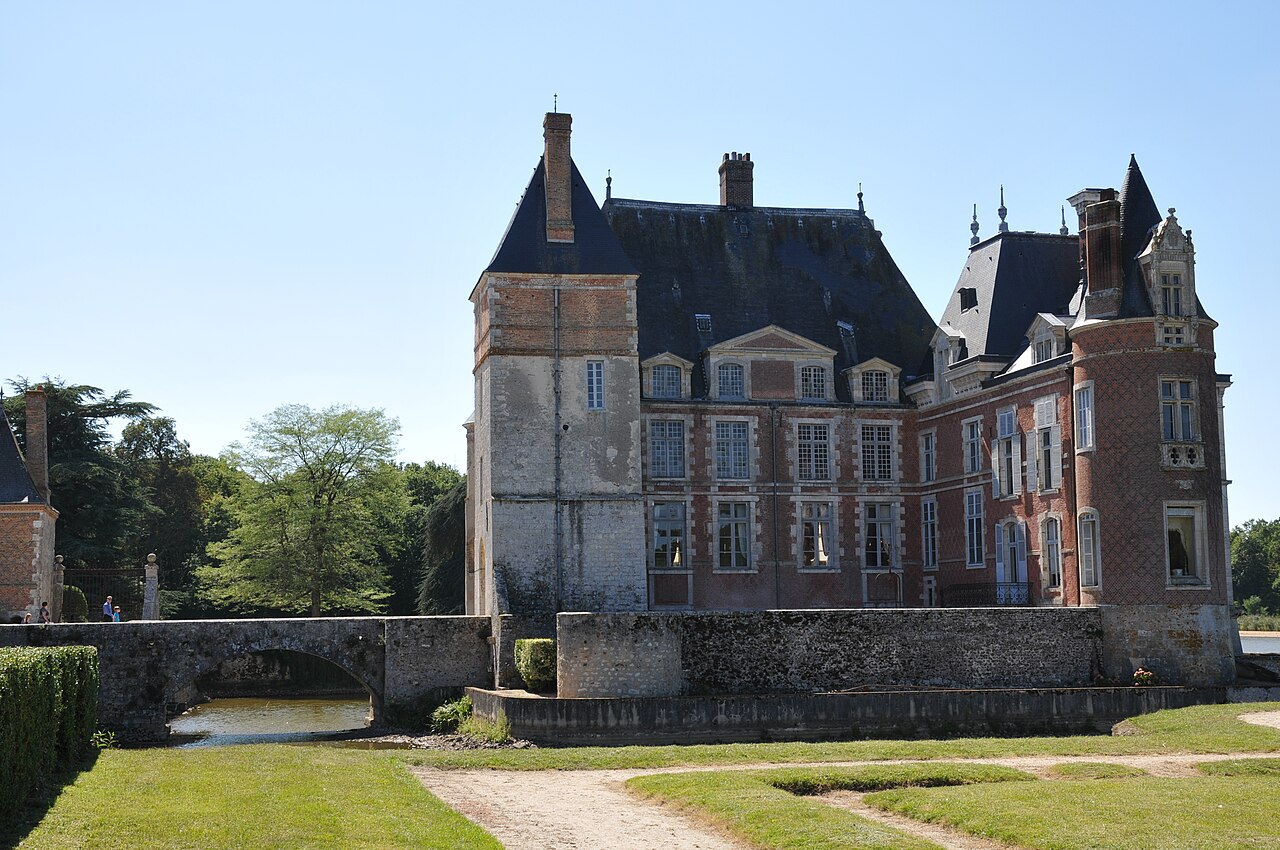
The Château du Muguet, located in the commune of Breteau in the Loiret department of France, is a striking example of Louis XIII architectural style realized in the mid-19th century. Constructed in 1863 under the direction of the architect Arthur Froelicher, this château reflects a deliberate revival of early 17th-century French design principles, blending traditional elements with modern construction techniques of its time.
Architectural design and style
The château exemplifies the Louis XIII style, characterized by its use of steeply pitched roofs, tall chimneys, and symmetrically arranged façades. The building's exterior features a harmonious combination of brick and stone, typical of this style, with ornate detailing that emphasizes verticality and elegance. Froelicher's design integrates classical proportions with decorative flourishes such as dormer windows, sculpted stonework, and wrought iron balconies, all hallmarks of the period's aesthetic revival.
Structural features and layout
The château is arranged around a central courtyard, which serves both functional and aesthetic purposes, providing light and air to the surrounding rooms. The layout includes formal reception rooms, private chambers, and service areas, reflecting the lifestyle of the French aristocracy in the 19th century. The interior spaces are noted for their intricate woodwork, decorative plaster ceilings, and period-appropriate furnishings, which have been preserved or restored to maintain historical authenticity.
Historical significance and notable visitors
Throughout its history, the Château du Muguet has been a site of considerable historical interest, particularly during the turbulent years of the early 20th century. It gained prominence as a meeting place for important political and military figures. Notably, the château's dining room hosted Winston Churchill, Paul Reynaud, and Marshal Pétain, key figures during the Second World War. The site is marked by a commemorative plaque honoring the Supreme Allied Council meeting of June 1940, underscoring its role in international wartime diplomacy.
Preservation and public access
The château has been officially registered as a Historic Monument, ensuring its protection and conservation. This status recognizes both its architectural value and its cultural importance. Open to visitors throughout the year, the château offers guided tours that explore its architectural features, historical context, and the stories of its distinguished guests. Visitors can experience the ambiance of a 19th-century aristocratic residence while learning about the château's role in French and European history.
Visitor experience and amenities
The château provides a well-curated visitor experience, including access to the main reception rooms, the dining hall where historic meetings took place, and the surrounding gardens. Educational programs and special exhibitions are occasionally held to deepen public understanding of the château's heritage. The site is accessible by car and public transport, with facilities to accommodate tourists and history enthusiasts.
Context within 19th-century French architecture
The Château du Muguet is an important example of the 19th-century revivalist movements in French architecture, which sought to reinterpret and celebrate earlier national styles such as the Louis XIII. This period saw a renewed interest in historical forms combined with modern building technologies, reflecting broader cultural trends of romanticism and historicism. Froelicher's work at the château demonstrates a skilled balance between authenticity and innovation, contributing to the architectural diversity of the Loiret region.
Frequently asked questions (FAQ)
- When was Château du Muguet built and who was the architect?
- Château du Muguet was built in 1863 and designed by the architect Arthur Froelicher, reflecting the Louis XIII style.
- What architectural style characterizes Château du Muguet?
- The château is designed in the Louis XIII style, a form of Renaissance revival architecture popular in 19th-century France.
- Can visitors tour Château du Muguet year-round?
- Yes, Château du Muguet is open to visitors throughout the year, offering guided tours that showcase its architecture and history.
- Which notable historical figures visited Château du Muguet?
- The château hosted prominent figures such as Winston Churchill, Paul Reynaud, and Marshal Pétain, especially during the Second World War.
- What is the significance of the plaque at Château du Muguet?
- The plaque commemorates the Supreme Allied Council meeting held in June 1940, marking the château's role in wartime diplomacy.
Information
Architect
Arthur Froelicher
Loading map...
Visitor reviews
No reviews yet. Been here? Write the first review and help other travelers!
Write the first reviewVisited this castle? Share your experience
Your review helps other travelers and adds first-hand knowledge to our encyclopedia.