Château du Gué-Péan
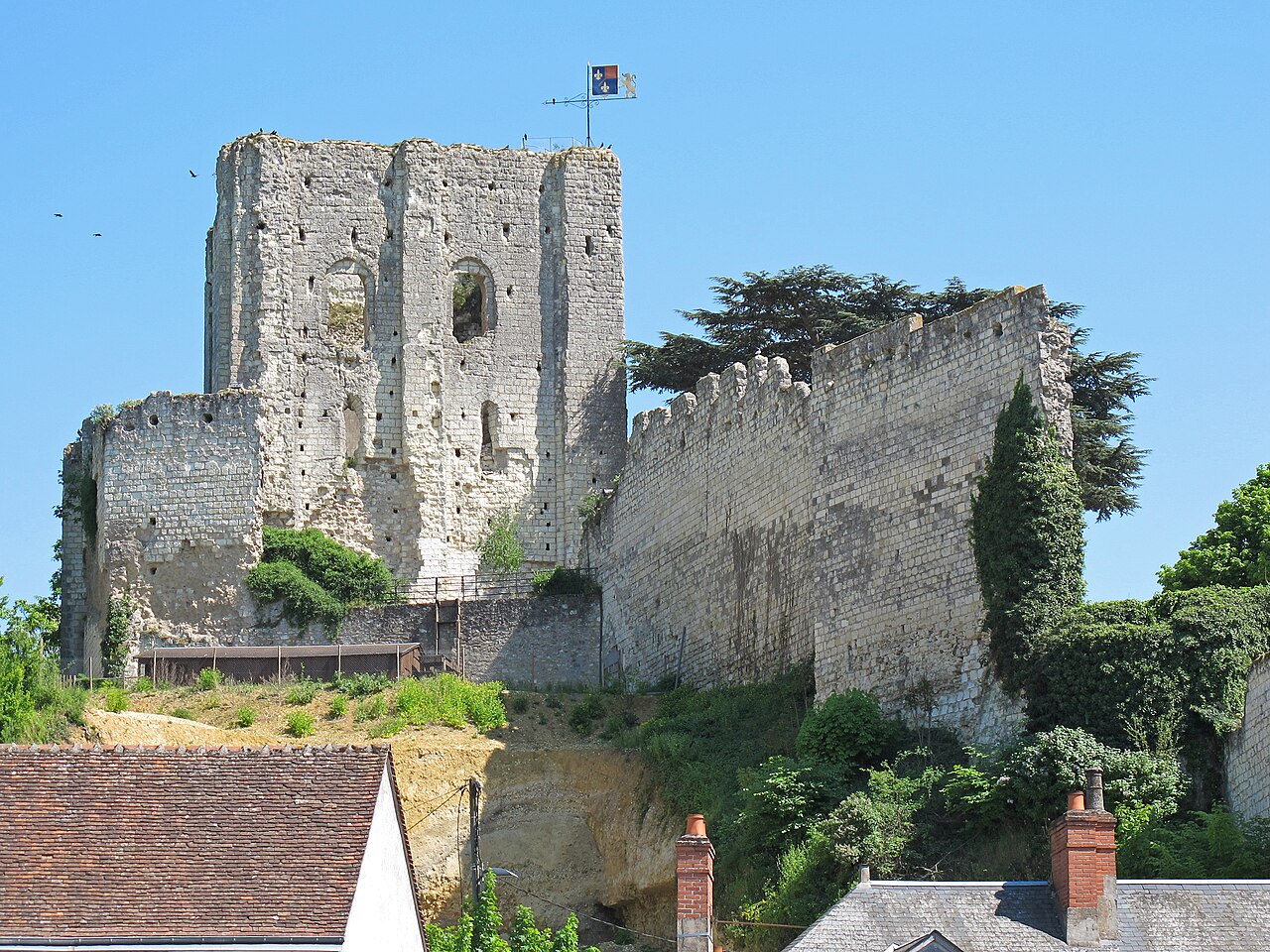
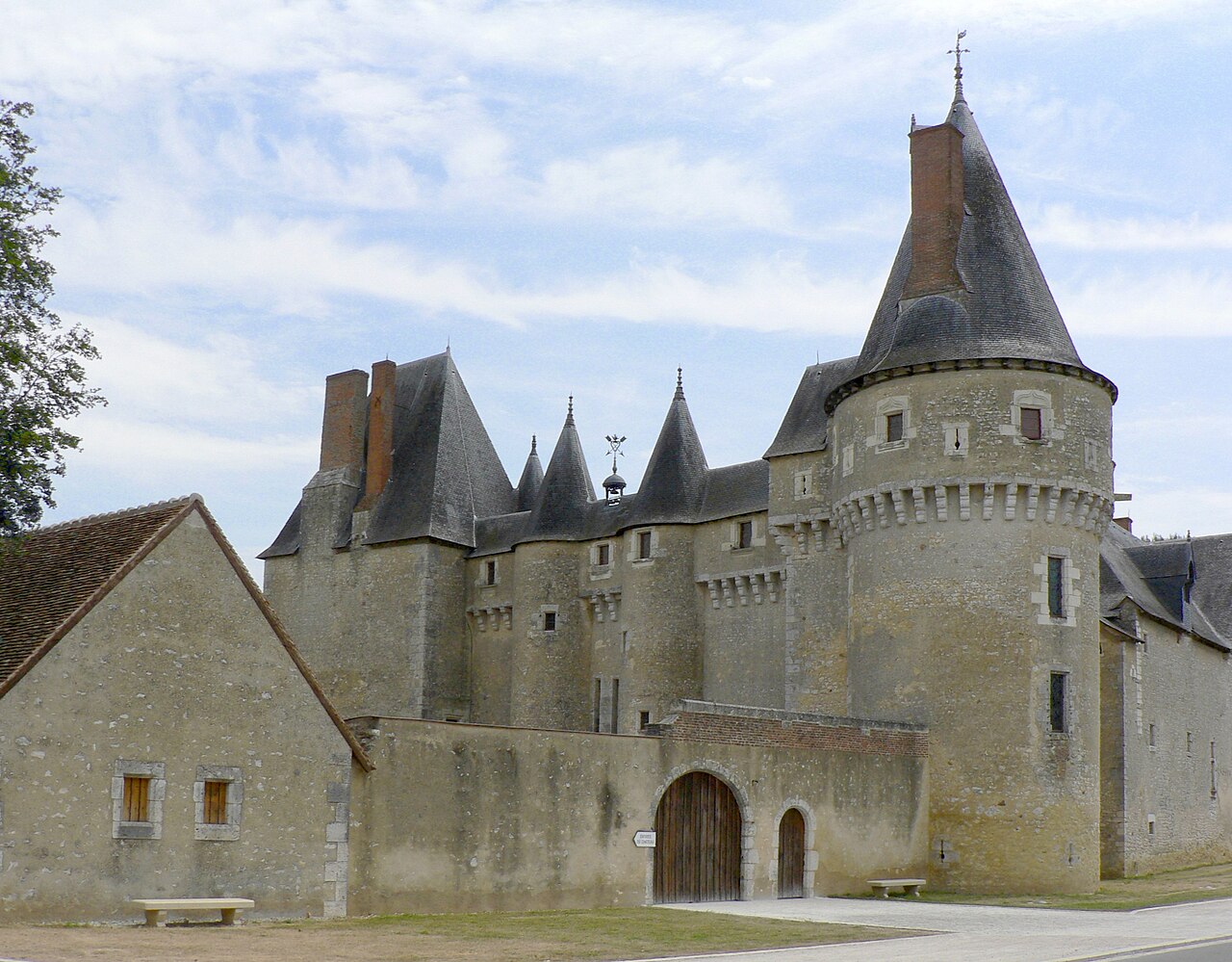
Château du Gué-Péan stands as an example of a late medieval castle located in Monthou-sur-Cher, France. Originally constructed in the 15th century by Nicolas Alamant, the castle was designed to serve both defensive and residential purposes during a period marked by regional conflicts and evolving architectural styles.
The origins and medieval architecture
The initial construction of Château du Gué-Péan reflects typical late medieval fortification features of the 15th century. This period saw the transition from purely military castles to more comfortable noble residences, while still maintaining defensive elements such as thick walls and fortified towers. The castle's core structure was designed to provide security as well as a symbol of status for the Alamant family.
Design and materials
The castle was built using local stone, characteristic of the Loire Valley region, providing both durability and a harmonious integration into the surrounding landscape. The original layout included a main residential building with defensive elements such as battlements and possibly a moat, typical of late medieval French castles.
17th-century expansions and the addition of wings
In the 17th century, Château du Gué-Péan underwent significant modifications with the addition of two wings. These extensions reflected the changing needs and tastes of the period, moving towards more spacious and comfortable living quarters. The wings likely introduced larger windows and more elaborate interior decoration, consistent with the French Renaissance and early Baroque influences emerging in château architecture of that era.
Functional and aesthetic enhancements
The 17th-century additions would have included updated living spaces, reception rooms, and possibly service areas, transforming the castle from a primarily defensive stronghold into a more refined noble residence. These changes also enhanced the castle's aesthetic appeal, aligning it with contemporary architectural trends.
19th-century orangerie and landscape integration
In the 19th century, an orangerie was added to the château grounds, reflecting the period's interest in horticulture and the display of exotic plants. The orangerie is a hallmark of French aristocratic estates, serving both practical and decorative functions by providing shelter for citrus trees and other tender plants during winter.
This addition illustrates the château's evolution from a medieval fortress to a landscaped estate embodying the tastes of the French nobility across centuries. The orangerie would have been part of a broader garden design, likely featuring formal layouts typical of 19th-century French gardens.
Current status and public access
Today, Château du Gué-Péan remains privately owned but is open to the public during the summer season. Visitors can explore the castle's architectural features and grounds, gaining insight into its historical development from the 15th century through subsequent centuries. The castle's preservation allows for appreciation of its layered history and architectural transformations.
Visitor experience and significance
Guests to Château du Gué-Péan can observe the blend of medieval fortifications with later Renaissance and 19th-century elements. The castle offers a tangible connection to the history of the Loire Valley and the evolution of French noble residences. Its seasonal opening provides opportunities for cultural tourism and education about regional heritage.
Frequently asked questions (FAQ)
- When was Château du Gué-Péan originally built?
- Château du Gué-Péan was originally constructed in the 15th century by Nicolas Alamant, reflecting late medieval architecture.
- What architectural changes were made in the 17th century?
- Two wings were added in the 17th century, enhancing the château's residential comfort and reflecting Renaissance and early Baroque influences.
- Is Château du Gué-Péan open to the public?
- Yes, the castle is privately owned but open to visitors during the summer season, typically from June to September.
- What is the significance of the orangerie added in the 19th century?
- The 19th-century orangerie reflects the period's horticultural interests and serves as a decorative and functional structure for protecting exotic plants.
- Where is Château du Gué-Péan located?
- The castle is located in Monthou-sur-Cher, in the Centre-Val de Loire region of France, an area known for its historic châteaux.
Information
Opening hours
Summer season, typically June to September
Current owner
Private owner
Website
Visit websiteSources & official resources
Verify the information above using these authoritative references.
Loading map...
Visitor reviews
No reviews yet. Been here? Write the first review and help other travelers!
Write the first reviewVisited this castle? Share your experience
Your review helps other travelers and adds first-hand knowledge to our encyclopedia.