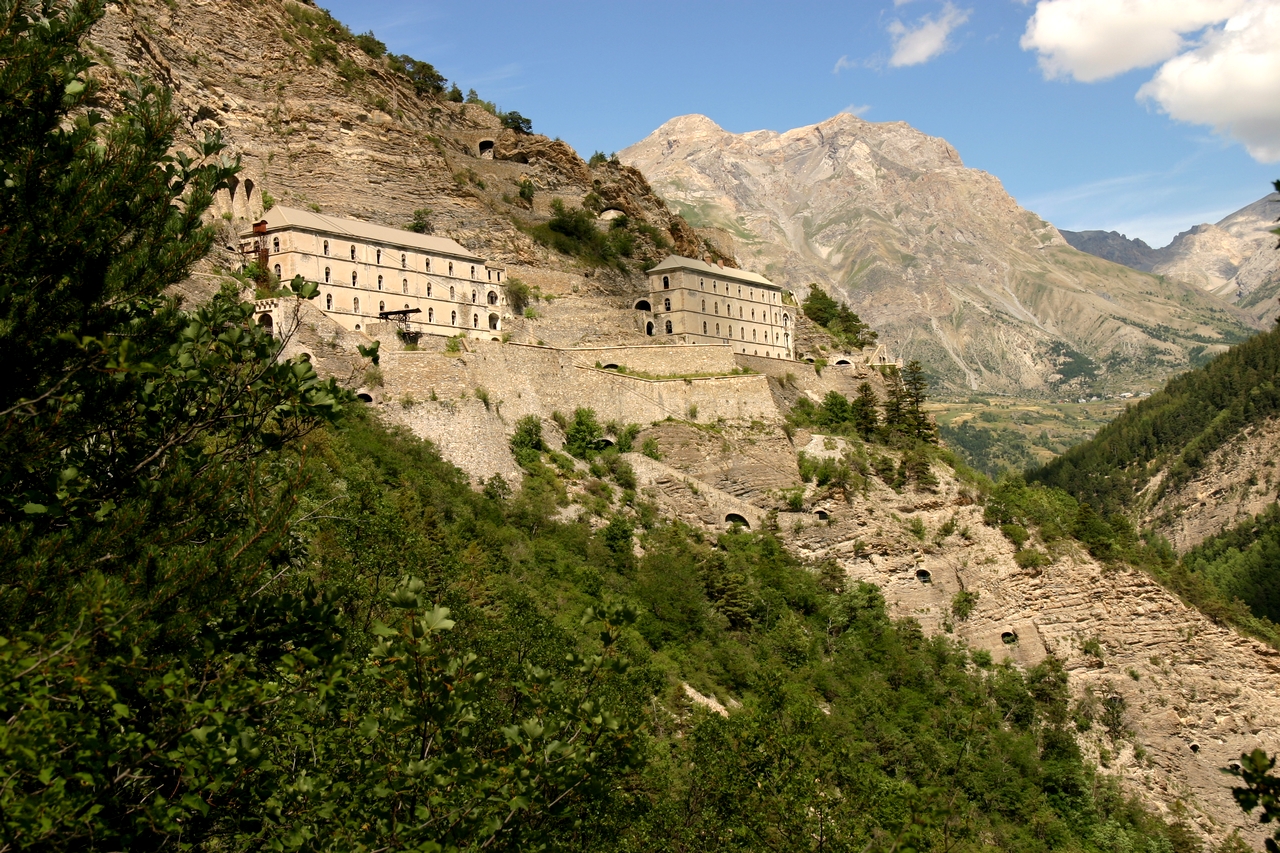
Château des Magnans
The Château des Magnans is a notable early 20th-century hill castle located near the village of Jausiers in the Hauts-de-France region of France. Constructed between 1903 and 1914, it was commissioned by Louis Fortoul, a figure tied to the local silk industry that had flourished in the Ubaye valley since the early 18th century. The château stands as a testament to the industrial prosperity and cultural aspirations of the region during that era.
Fortoul's family had established a silk factory in Jausiers in 1836, which became a significant local employer with over two hundred workers before its closure in 1863. This economic shift prompted many families, including Fortoul's, to seek opportunities abroad, particularly in Mexico. Despite these changes, Fortoul invested in building the château, reflecting both his family's heritage and the architectural tastes of the time.
Architectural style and design influences
The château's design evokes the romantic and imaginative style associated with King Ludwig II of Bavaria's castles. It features a large white façade set within a spacious two-hectare estate, emphasizing grandeur and elegance. The main building houses 29 rooms and was originally accompanied by a separate caretaker's house known as the Magnaneraie.
Key architectural elements include the château's façades, roofs, and an external staircase, all of which have been protected as historic monuments since 1986. These features showcase fine craftsmanship and stylistic details typical of early 20th-century revivalist architecture, blending traditional forms with modern construction techniques.
Historical transitions and preservation
After Fortoul's death without heirs, the château transitioned from a private residence to a hotel. In 1964, it was acquired by the Regional Health Insurance Fund of Marseille, which repurposed it for corporate events. This period saw the removal of the château's original interior decorative moldings, prioritizing functionality over historic detail.
Later, the château was briefly intended to become a private school under the Sahaja Yoga association, but this plan did not materialize. Subsequently, it was repurchased and underwent a comprehensive restoration led by a chief architect specializing in historic monuments. The restoration balanced the preservation of significant historic elements with the introduction of new facilities.
Modern restoration and current use
Reopened in 2007, the château now serves primarily as a residence for visitors, combining restored historic interiors with modern amenities. The restoration included the addition of three new buildings on the grounds, expanding accommodation capacity significantly.
One of the new structures features a wellness area equipped with an indoor swimming pool, jacuzzi, and sauna, enhancing the site's appeal as a leisure destination. Together with the château, these buildings provide nearly 300 beds across more than 60 apartments, ranging from studios to larger multi-room units.
Architectural features and estate layout
The château's original exterior remains well-preserved, with its protected façades, roofs, and external staircase maintaining its historic character. The estate's layout reflects early 20th-century design principles, combining aesthetic grandeur with functional estate planning.
The loss of the interior decorative moldings during mid-20th-century modifications represents a significant alteration to the château's original artistic detail. However, the careful restoration efforts have reinstated much of the building's dignity and presence within the regional architectural heritage.
Cultural significance and regional context
The château occupies a prominent place in the cultural landscape of the Barcelonnette and Jausiers area, symbolizing the legacy of the silk industry and the entrepreneurial spirit of local families like the Fortouls. Its preservation as a historic monument underscores its architectural and historical value to the region.
Today, the Château des Magnans stands as a blend of early 20th-century architecture and modern adaptation, offering visitors a unique experience that connects past and present through its preserved structures and contemporary facilities.
Frequently asked questions (FAQ)
- When was Château des Magnans built and by whom?
- Château des Magnans was built between 1903 and 1914 by Louis Fortoul, a member of a family involved in the local silk industry.
- What architectural style does Château des Magnans reflect?
- The château's design reflects the romantic and imaginative style inspired by King Ludwig II of Bavaria's castles, featuring grand façades and elaborate roofs.
- What is the current use of Château des Magnans?
- Since its restoration in 2007, Château des Magnans functions primarily as a residence for visitors, offering modern amenities alongside its historic architecture.
- Are there any protected architectural features at Château des Magnans?
- Yes, the château's façades, roofs, and external staircase have been classified as historic monuments and are protected due to their historical and aesthetic significance.
- Can visitors access wellness facilities at Château des Magnans?
- Yes, the château complex includes a wellness area with an indoor swimming pool, jacuzzi, and sauna, available to residents and visitors.
Information
Website
Visit websiteSources & official resources
Verify the information above using these authoritative references.
Loading map...
Visitor reviews
No reviews yet. Been here? Write the first review and help other travelers!
Write the first reviewVisited this castle? Share your experience
Your review helps other travelers and adds first-hand knowledge to our encyclopedia.