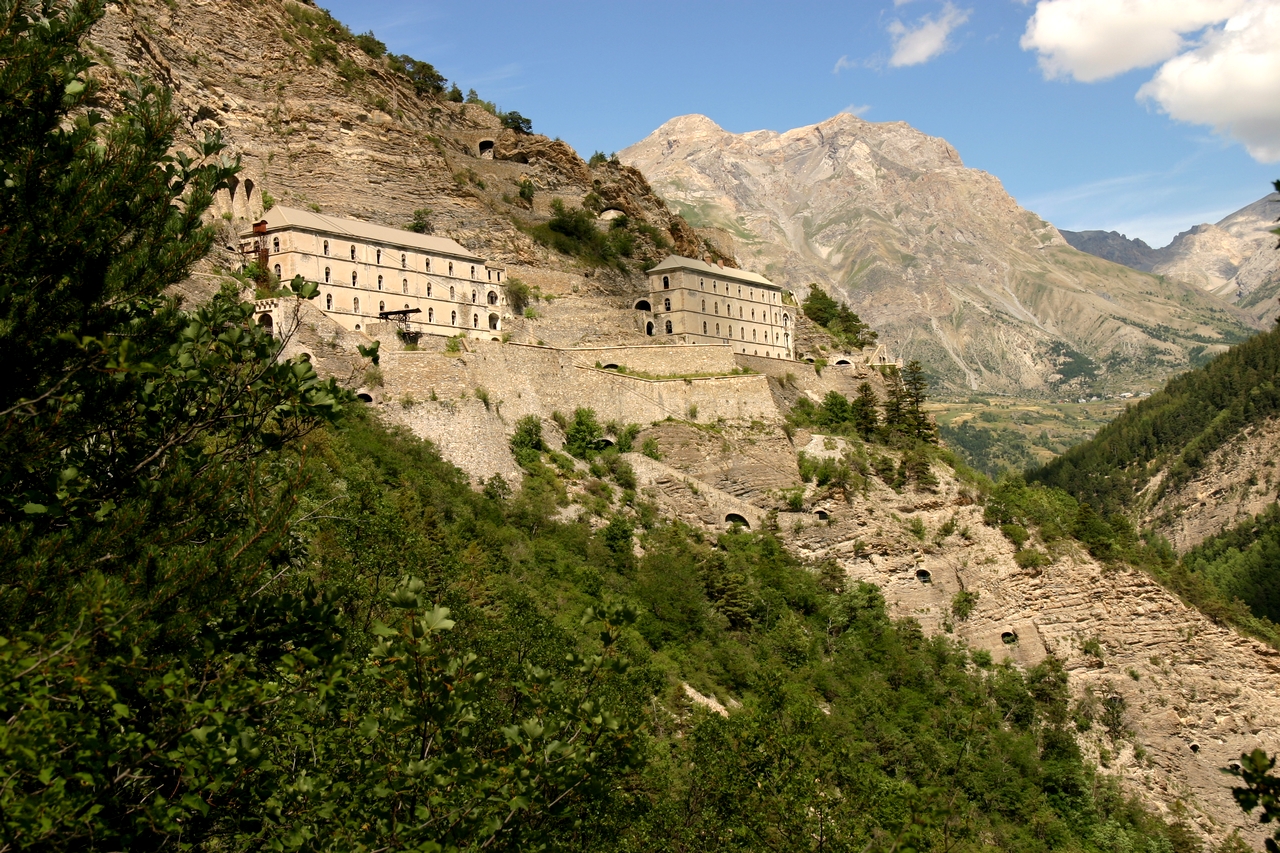
Château de Picomtal
The Château de Picomtal is a historic castle located in the commune of Crots, within the Hautes-Alpes department of France. Though often associated with the Renaissance period due to its significant 16th-century renovations, the château's origins trace back to the Middle Ages, marking it as a structure with a layered history spanning several centuries.
Medieval origins and architectural evolution
Originally constructed as a feudal residence, the Château de Picomtal was designed to serve both defensive and residential needs typical of medieval castles. Over the centuries, it underwent numerous expansions and renovations, adapting to changing architectural styles and the needs of its successive owners. The 16th-century renovations introduced elements characteristic of the Renaissance style, reflecting the broader cultural shifts of the period. Further modifications in the 19th century added layers to its architectural narrative, blending historical styles.
Restoration and historical discoveries
The château suffered from several fires and changes in ownership, which contributed to its complex history. A comprehensive restoration project was undertaken between 1999 and 2003, aiming to preserve and revive the castle's historical and architectural integrity. During this restoration, writings by Joachim Martin were discovered, offering valuable insights into 19th-century village life around the château. These documents enrich the cultural significance of the site and provide a unique window into its social history.
Architectural and artistic features
The château includes a chapel adorned with frescoes dating from 1892, showcasing the artistic tastes and religious devotion of its inhabitants during that era. The presence of such frescoes highlights the château's role not only as a military and residential structure but also as a center of cultural and spiritual life. Additionally, the château is surrounded by a Provençal-style garden, which was recognized with the National Garden Prize in 2015. This garden complements the historic ambiance of the château and reflects traditional regional horticultural practices.
Current use and heritage status
Listed as a historic monument since 1989, the Château de Picomtal is protected under French heritage laws. Today, it functions as a guesthouse and event venue, allowing visitors to experience its historical atmosphere firsthand. The château's restoration and adaptive reuse have ensured its preservation, making it accessible to the public while maintaining its architectural and historical significance.
Location and cultural context
Situated in the scenic region of Hautes-Alpes, the château benefits from its picturesque surroundings and proximity to other historical sites in southeastern France. Although the existing metadata lists its region as Corse, the château is geographically located in the Provence-Alpes-Côte d'Azur region, specifically within the Hautes-Alpes department. This area is known for its rich medieval and Renaissance heritage, with numerous castles and fortified structures dotting the landscape.
Architectural classification and style
The Château de Picomtal can be classified as a hill castle, given its typical medieval defensive positioning on elevated terrain. Its architectural style is primarily Renaissance, reflecting the significant 16th-century renovations that introduced classical motifs and refined decorative elements. The castle's structure includes traditional features such as fortified walls, towers, and a chapel, characteristic of noble residences evolving from medieval fortifications into Renaissance estates.
Frequently asked questions (FAQ)
- What are the opening hours for Château de Picomtal?
- Château de Picomtal is typically open to visitors from April to October, with hours varying depending on the season. During peak summer months, the castle is often open from 10 AM to 6 PM. It’s advisable to check the official website for any seasonal changes or special events that may affect visiting hours.
- How do I get to Château de Picomtal?
- The château is located in Crots, France, and is accessible by car, with parking available nearby. If you are using public transportation, the nearest train station is in Embrun, followed by a short taxi ride or local bus service to the castle. Ensure to plan your route ahead of time for a smooth visit.
- Is there an entrance fee for Château de Picomtal?
- Yes, there is a nominal entrance fee to visit Château de Picomtal, which helps maintain the site. Ticket prices are usually around €8 for adults, with discounts available for students and children. Special rates may apply for group visits, so it's worth checking in advance.
- Can I take guided tours of Château de Picomtal?
- Yes, guided tours are available and highly recommended to enhance your visit. Knowledgeable guides provide insights into the castle's rich history and architectural features, making the experience more engaging. Tours are often available in multiple languages, so be sure to inquire when booking.
- When was Château de Picomtal built?
- Château de Picomtal dates back to the 14th century, showcasing a blend of medieval and Renaissance architectural styles. Over the centuries, it has undergone various renovations that reflect the historical eras it has witnessed. This rich history adds to the castle's allure as a significant cultural landmark.
- What is the architectural style of Château de Picomtal?
- The architectural style of Château de Picomtal is primarily Gothic, characterized by its imposing towers and intricate stonework. Elements of Renaissance architecture are also present, particularly in its decorative details and layout. This combination provides a unique glimpse into the evolution of castle design over the centuries.
- Why is Château de Picomtal historically significant?
- Château de Picomtal holds historical significance as a defensive stronghold during medieval times and as a residence for local nobility. Its strategic location and architectural features reflect the military and social history of the region. Today, it serves as a cultural monument, attracting visitors interested in history and architecture.
- What is the best time to visit Château de Picomtal?
- The best time to visit Château de Picomtal is during the late spring and early autumn months when the weather is pleasant and ideal for exploring the grounds. This period also sees fewer crowds compared to the peak summer season, allowing for a more enjoyable experience. Additionally, special events may be held during these months, enhancing your visit.
- Are there any nearby attractions to Château de Picomtal?
- Yes, there are several nearby attractions, including the picturesque town of Embrun and the beautiful Lac de Serre-Ponçon, perfect for outdoor activities. Visitors can also explore local hiking trails and enjoy the stunning natural scenery of the surrounding area. These attractions make for a delightful day trip alongside your visit to the château.
Information
Loading map...
Visitor reviews
No reviews yet. Been here? Write the first review and help other travelers!
Write the first reviewVisited this castle? Share your experience
Your review helps other travelers and adds first-hand knowledge to our encyclopedia.