Château de Talcy
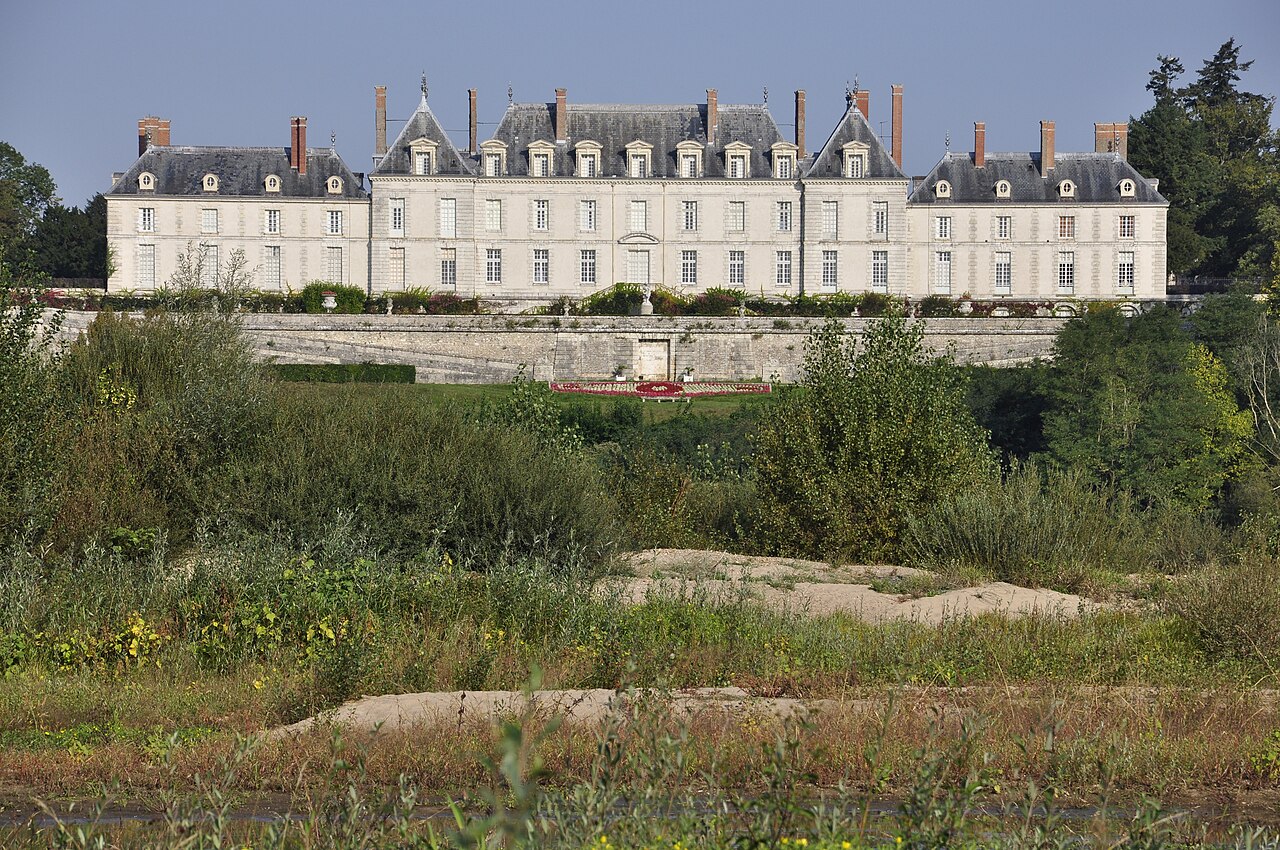
Château de Talcy stands as a remarkable example of a historic fortified residence located in the village of Talcy, north of the Loire River in France. Originating in the early 13th century, this château evolved from a medieval stronghold into a noble residence that blends austere medieval architecture with Renaissance elegance. It remains an important cultural monument, reflecting centuries of French history, architecture, and aristocratic life.
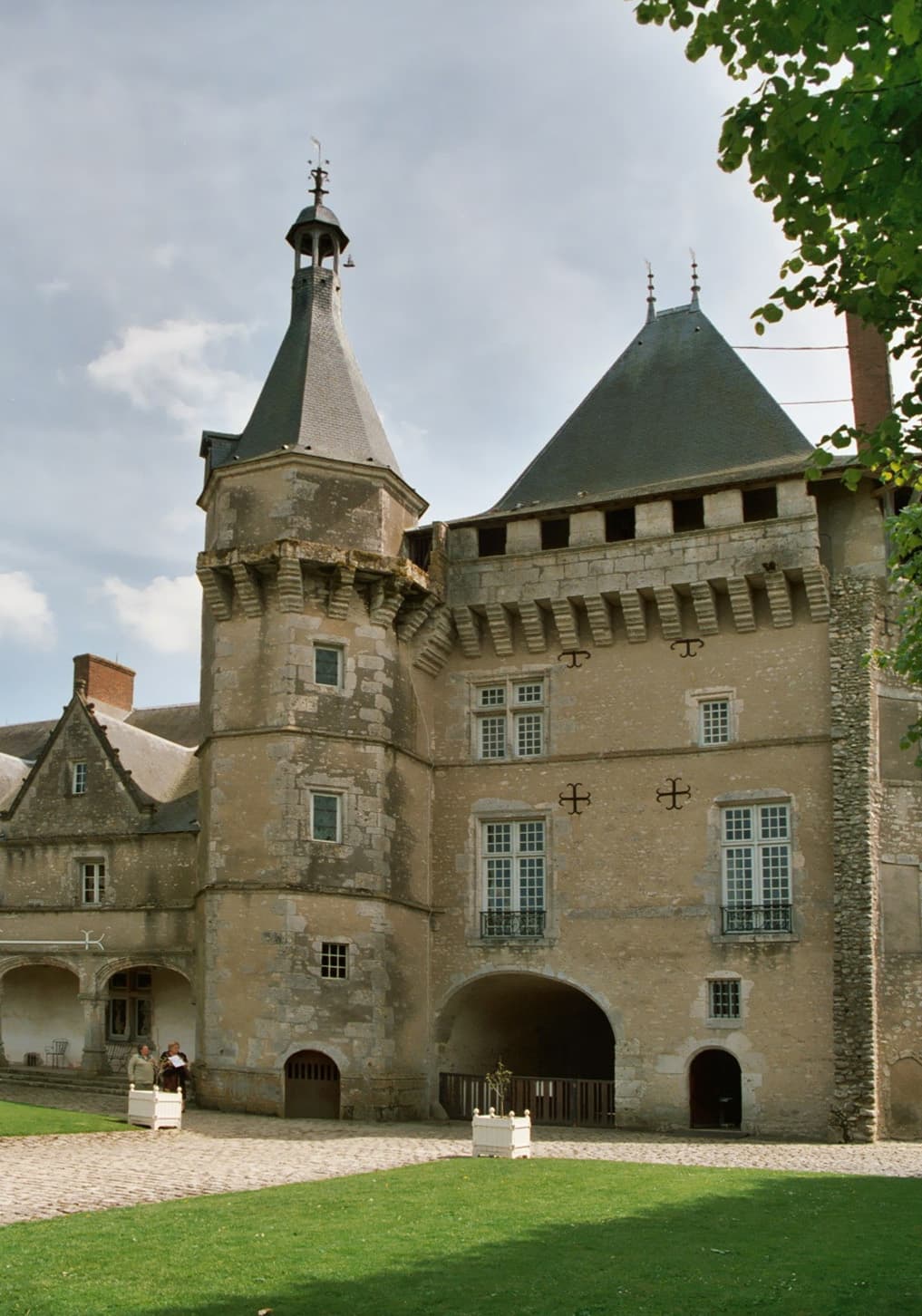
The château's earliest recorded mention dates back to 1221, when it was part of a feudal seigneurie controlled by the St. Lazare family. In the late 15th century, the estate was acquired by the Simon family, who constructed the central fortified tower, or donjon, around 1480. This tower formed the defensive and residential heart of the château, featuring thick walls, a large arched entrance secured by a wooden beam, and two hexagonal turrets with polygonal roofs. Although the defensive features were prominent, they served more as symbols of power than practical fortifications by this period.
Renaissance transformation and cultural significance
In the early 16th century, the château entered a new phase under the ownership of Bernard Salviati, a Florentine banker closely connected to the Medici family and an official at the court of King François I. By the 1520s, Salviati obtained permission to fortify the château further, adding ornamental defensive elements such as machicolations and a covered walkway on the donjon. The château’s architecture from this period is notably austere and lacks the elaborate decorative motifs typical of Renaissance palaces, emphasizing its dual role as a fortified noble residence.
The Salviati family’s tenure was marked by significant cultural connections. Bernard Salviati’s daughter, Cassandre Salviati, inspired the celebrated French Renaissance poet Pierre de Ronsard, while his granddaughter Diane Salviati was a muse to the poet Agrippa d'Aubigné. The château also hosted notable historical figures, including Queen Catherine de' Medici and her son, King Charles IX, who convened the 1562 "Conference of Talcy" there in an attempt to negotiate peace amid the French Wars of Religion. The château's association with this significant event adds to its historical importance.
Architectural features and layout
The château is organized into two main sections: the residential complex around the main courtyard and an agricultural area to the north. The central donjon remains the oldest and most imposing structure, with its three stories, hexagonal turrets, and an unfinished octagonal stair tower capped by a polygonal slate roof and lantern.
Attached to the donjon is the south wing, a rectangular residential building featuring a gallery of four flat-arched arcades supported by octagonal pillars with Gothic bases. Its attic is marked by two triangular gables. The corresponding west wing was destroyed by fire in the 16th century, with only fragments of its walls visible today. The 16th-century east wing, expanded in 1638 by Isabelle Salviati, encloses the courtyard along with the donjon and south wing and adjoins the former château chapel, now the village parish church.
The château’s grounds include a 19th-century well with a roof supported on three columns, a round water basin dated 1814, and a 16th-century dovecote tower with approximately 1,500 nesting niches, a significant feature illustrating the estate’s agricultural function. The dovecote’s conical roof is pierced by dormer windows that served as entrances for pigeons. The northern economic courtyard contains former farm buildings, a horse trough, and a wine press dating from 1640 housed in an old barn, highlighting the château’s self-sustaining operations.
Interior design and furnishings
The château’s interiors are remarkably well-preserved, offering a window into the lifestyle of French nobility from the 16th to 18th centuries. The Garden Hall in the south wing features a beam ceiling, a honeycomb-patterned tile floor, and a 16th-century fireplace with traces of original paintings. It also houses a rare Millefleurs tapestry from the 15th century, an exceptional textile artifact.
The kitchen retains its original 16th-century vaulted ceiling, a broad open hearth with a rounded arch, a historic oven, and a functioning rotating spit, demonstrating the château’s operational heritage. The east wing includes bedrooms once occupied by royalty, such as the young King Charles IX and Catherine de' Medici, with wood paneling, silk-canopied beds, and direct access to the former chapel gallery.
The Great Salon occupies the entire first floor of the donjon and is adorned with four large 17th-century Aubusson tapestries depicting Greek mythology scenes. The room also features a beam ceiling, white paneling, a Savonnerie carpet, and an impressive collection of 18th-century Parisian furniture crafted by renowned cabinetmakers such as Jean-Baptiste Lebas and the Desmoulin workshop. Furniture styles include canapés, bergère armchairs, queen’s chairs, and Rococo-decorated commodes, reflecting refined taste and craftsmanship.
Gardens and landscape
The château is surrounded by formal gardens laid out over seven hectares, designed in the Baroque style with geometric parterres, low trees, hedges, and a small park. The gardens include 19 individual plots for fruit, vegetables, and ornamental plants, demonstrating the estate’s self-sufficiency and aesthetic sensibility. A terrace with lawn parterres leads to a lower Baroque garden restored authentically since 1996, featuring radiating paths and a wrought-iron gate entrance. Beyond the formal gardens lie remnants of a wooded park, enhancing the château’s picturesque setting.
Preservation and public access
Listed as a Historical Monument since 1906, Château de Talcy has been under state ownership since 1933. The château and its grounds are open to the public, welcoming approximately 20,000 visitors annually. Its preservation offers a rare glimpse into the architectural and cultural evolution of a noble French estate from the medieval period through the Renaissance and into the modern era. The château’s well-maintained interiors, gardens, and agricultural structures provide a comprehensive understanding of aristocratic life and estate management over several centuries.
Frequently asked questions (FAQ)
- How do I visit Château de Talcy?
- Château de Talcy is open to visitors, typically welcoming around 20,000 guests annually. It is advisable to check the official website or local tourist information for current opening hours and any seasonal variations before planning your visit.
- What is the historical significance of Château de Talcy?
- Château de Talcy is historically significant for its origins in the 13th century, its Renaissance architectural features, and its association with notable figures such as Bernard Salviati and Queen Catherine de' Medici. It also hosted important events like the 1562 Conference of Talcy during the French Wars of Religion.
- What architectural styles are represented at Château de Talcy?
- The château combines austere medieval architecture with Renaissance elements. While it features fortified structures like a donjon and turrets, its Renaissance wings and ornamental defensive features reflect the transition from medieval fortress to noble residence.
- Is Château de Talcy accessible to visitors with mobility issues?
- While the château offers public access, some areas, especially the older towers and upper floors, may have limited accessibility due to historic staircases and uneven flooring. Visitors with mobility concerns should inquire in advance about available accommodations.
- When is the best time to visit Château de Talcy?
- The château and its gardens are most enjoyable during the spring and summer months when the gardens are in full bloom and outdoor areas are accessible. Early autumn also offers pleasant weather and fewer crowds.
Photo gallery

Information
Sources & official resources
Verify the information above using these authoritative references.
Loading map...
Visitor reviews
No reviews yet. Been here? Write the first review and help other travelers!
Write the first reviewVisited this castle? Share your experience
Your review helps other travelers and adds first-hand knowledge to our encyclopedia.