Chateau de Septfontaines
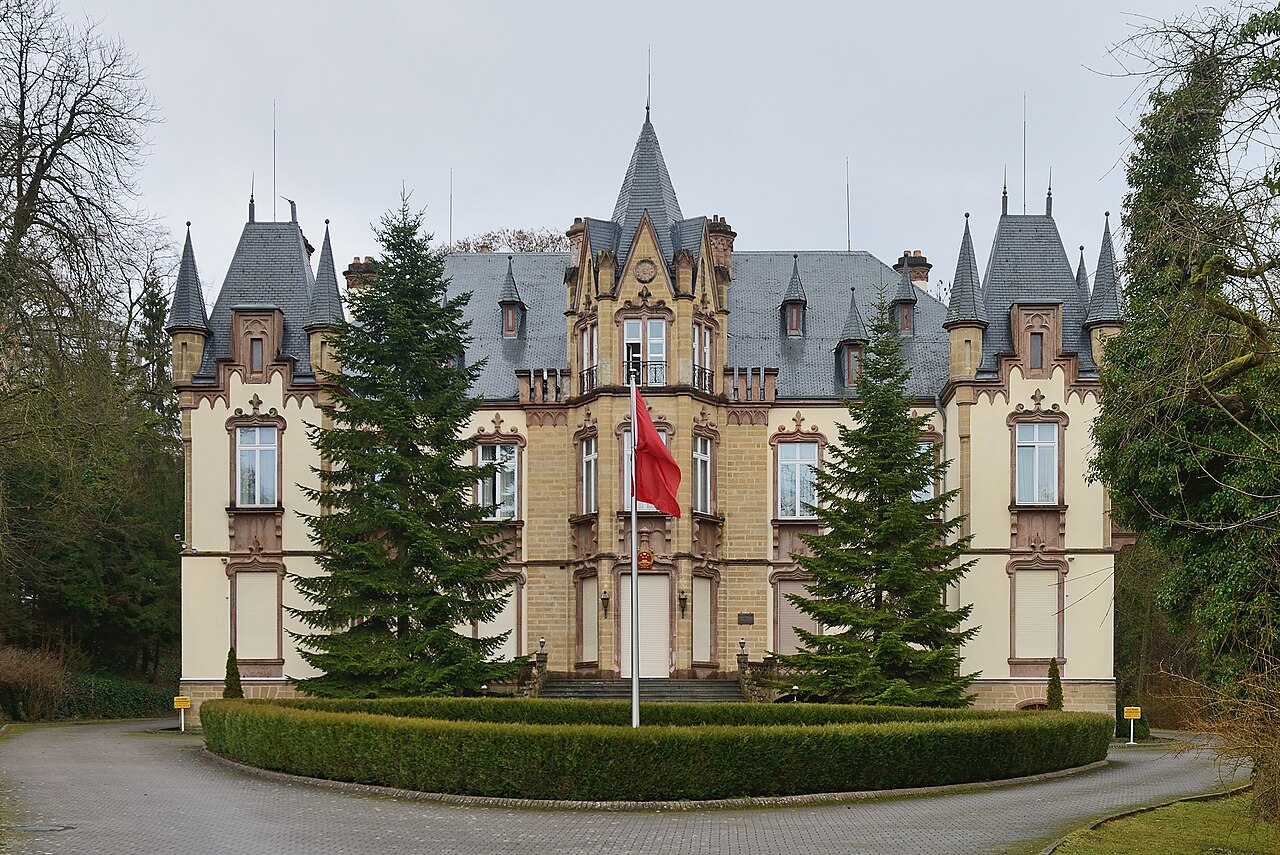
Chateau de Septfontaines stands as a remarkable example of an 18th-century castle deeply intertwined with the industrial heritage of Luxembourg. Constructed between 1783 and 1784 by the Boch brothers, Jean-François and Pierre-Joseph, the castle is located in the Rollingergrund district of Luxembourg City. This period corresponds to the post-Renaissance era, reflecting architectural and cultural influences of late 18th-century Europe.
The castle was purpose-built to serve as a residence for the Boch families, who had established their renowned porcelain factory nearby in 1767. At that time, Luxembourg was part of the Austrian Netherlands, and the location was strategically chosen for its abundant natural resources essential for porcelain production—namely clay, water, and wood for firing ovens. The design of the castle uniquely accommodated two families, with the first floor divided into separate bedroom sections for each, while the ground floor featured shared living spaces such as the dining room and lounge.
The architectural design and layout
The Chateau de Septfontaines exemplifies the refined architectural style of its era, blending functional design with elegant residential features. The building's layout reflects the dual-family occupancy, a somewhat unusual arrangement for a castle of this type, indicating its role as both a home and a symbol of industrial success. The castle's interiors are richly decorated, with porcelain artifacts displayed prominently on walls and windows, celebrating the Boch family's craftsmanship and legacy.
Structural features and style
The castle's architecture is characterized by its post-Renaissance style, incorporating classical elements that were popular in the late 18th century. The structure includes well-proportioned rooms with high ceilings and large windows that allow natural light to illuminate the porcelain collections inside. The building's exterior maintains a dignified presence, with balanced proportions and restrained decorative details typical of the period.
Historical significance and ownership
Jean-François and Pierre-Joseph Boch were pioneers in the European porcelain industry, and their factory at Rollingergrund became a center of innovation and craftsmanship. The castle not only served as their family residence but also stood as a testament to their commercial success. The Boch brothers were granted special privileges by Maria Theresa, Empress of Austria, including a ten-year tax exemption, which greatly facilitated their business growth.
Throughout its history, the castle experienced various phases of occupancy and ownership. Notably, it was occupied by French troops at one point, reflecting the turbulent political landscape of the region. In 1914, the castle was sold, but it returned to the Boch family in 1970 when Luitwin von Boch repurchased it on behalf of the Villeroy & Boch company. He commissioned his cousin, Antoine de Schorlemer, to undertake an extensive 12-year renovation, restoring the castle's grandeur and adapting it for modern use.
Connection to Villeroy & Boch and modern usage
Villeroy & Boch, the world-famous porcelain manufacturer, has maintained a strong connection to Chateau de Septfontaines. Although the nearby porcelain factory closed in 2010, the castle remains an important site for the company. It is currently used for business conferences, receptions, and hosting management, partners, and clients visiting Luxembourg.
The castle's interiors continue to showcase an impressive collection of porcelain pieces, illustrating the artistic and industrial achievements of the Boch family. This display not only honors the company's heritage but also enriches the cultural landscape of Luxembourg.
Legacy and cultural importance
The Chateau de Septfontaines is more than a historic residence; it is a symbol of Luxembourg's industrial and artistic heritage. Its preservation and continued use demonstrate the enduring legacy of the Boch family and their contributions to European porcelain manufacturing. The castle's blend of residential comfort and industrial association offers a unique insight into the lifestyle and ambitions of 18th-century industrial entrepreneurs.
Visitors and business guests alike can appreciate the castle's architectural elegance and historical significance, making it a noteworthy landmark in Luxembourg's rich cultural tapestry.
Frequently asked questions (FAQ)
- How do I get to Chateau de Septfontaines?
- Chateau de Septfontaines is conveniently located in Luxembourg City, easily accessible by public transport. You can take a bus or tram to the nearest stop, followed by a short walk to the castle's entrance.
- What is the historical significance of Chateau de Septfontaines?
- Chateau de Septfontaines is a remarkable example of 18th-century architecture and a testament to Luxembourg's rich history. It has served various purposes over the centuries, including being a residence for nobility and a military stronghold.
- When was Chateau de Septfontaines built?
- Construction of Chateau de Septfontaines began in the early 1700s, with significant renovations occurring in the following decades. The castle's design reflects the Baroque style, which was prevalent during its era.
- Can I visit Chateau de Septfontaines year-round?
- Yes, Chateau de Septfontaines is open to visitors throughout the year, although hours may vary seasonally. It’s recommended to check the official website for the most current visiting hours before planning your trip.
- Why is Chateau de Septfontaines a popular tourist attraction?
- Chateau de Septfontaines attracts visitors due to its stunning architecture, beautiful grounds, and rich history. Additionally, it offers visitors a glimpse into Luxembourg's cultural heritage, making it a must-see destination for history enthusiasts.
- Is it possible to tour the interior of Chateau de Septfontaines?
- Yes, guided tours of the castle's interior are available during visiting hours. These tours provide insight into the castle's history and architectural features, enhancing your overall experience.
- What are the ticket prices for visiting Chateau de Septfontaines?
- Ticket prices for Chateau de Septfontaines are quite reasonable, with discounts available for students and seniors. It's advisable to check the official website for current pricing and any special offers.
- What is the best time to visit Chateau de Septfontaines?
- The best time to visit Chateau de Septfontaines is during the spring and early autumn when the weather is mild, and the gardens are in full bloom. This allows for a more enjoyable experience while exploring the castle and its surroundings.
- Are there any nearby attractions to explore after visiting Chateau de Septfontaines?
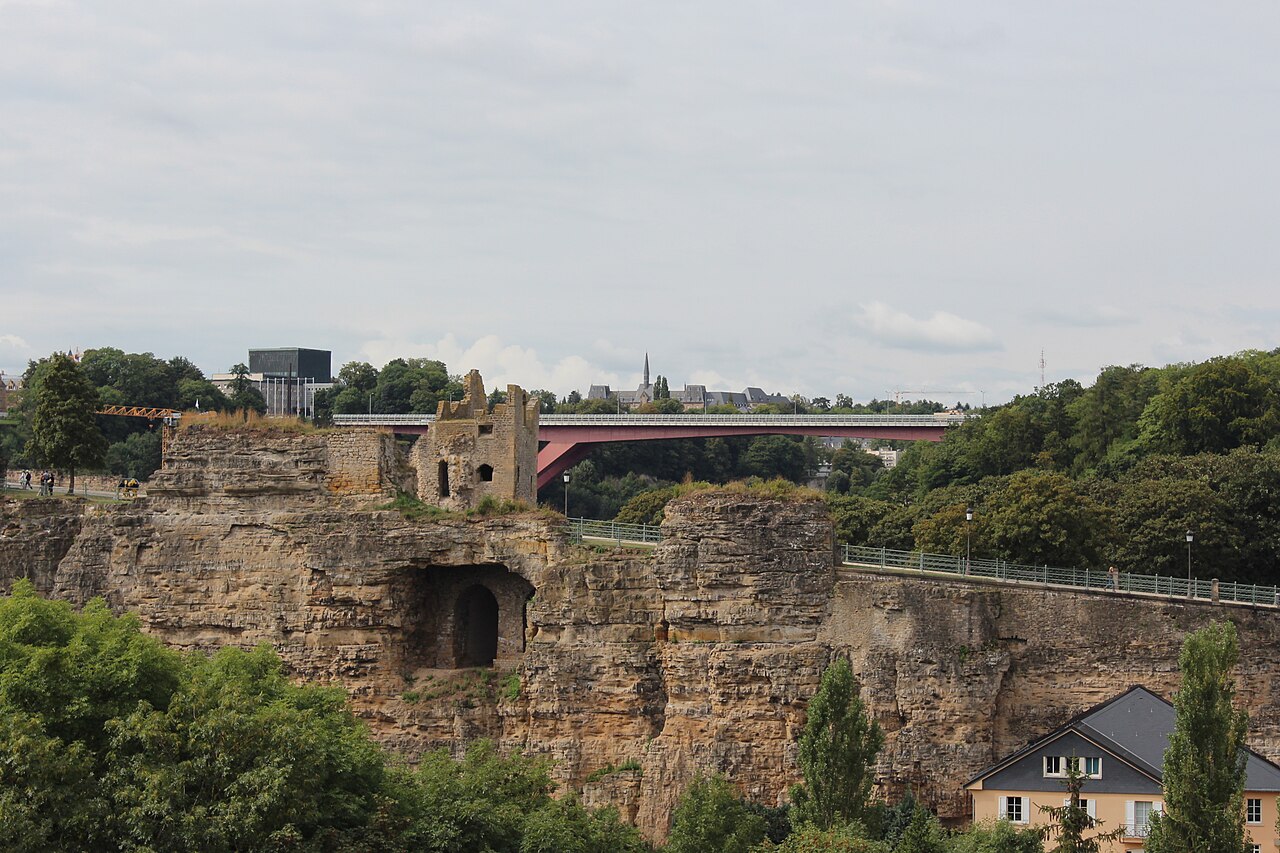
- Yes, after visiting Chateau de Septfontaines, you can explore other nearby attractions such as the historic city center of Luxembourg and the Bock Casemates. Both sites offer additional insight into the region's history and stunning views of the city.
Information
Sources & official resources
Verify the information above using these authoritative references.
Loading map...
Visitor reviews
No reviews yet. Been here? Write the first review and help other travelers!
Write the first reviewVisited this castle? Share your experience
Your review helps other travelers and adds first-hand knowledge to our encyclopedia.