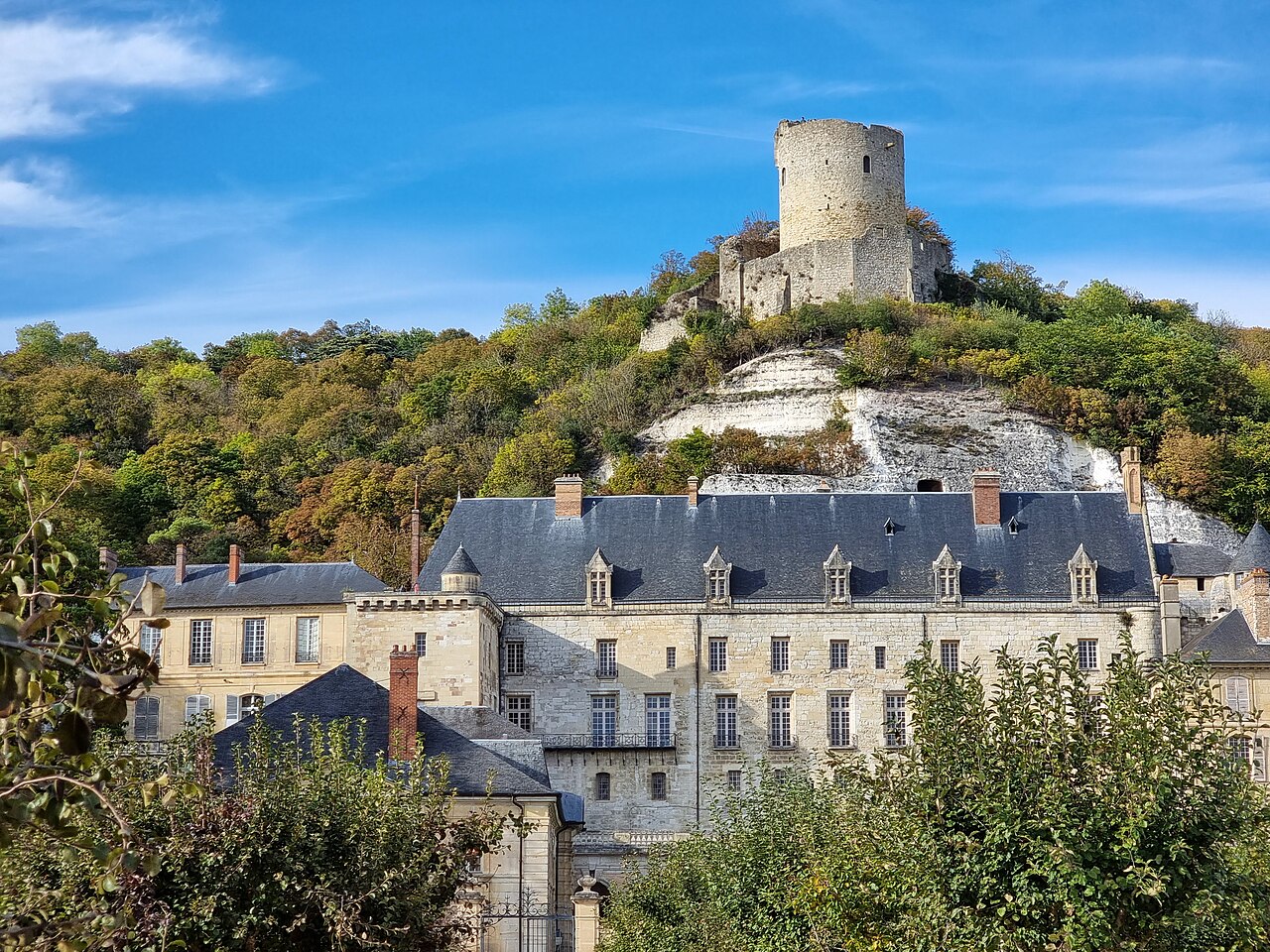
Château de Rosny-sur-Seine
The Château de Rosny-sur-Seine stands as a notable example of a Renaissance château in France, constructed primarily from bricks and limestone. It was built by Maximilien de Béthune, duke of Sully, a key figure in French history, on the grounds of a former fortified manor that had been destroyed in 1435. The site originally featured a medieval manor, which was modest by the standards of the Renaissance nobility.
Early history and origins
The old manor passed into the Béthune family in 1529 through the marriage of Jean de Béthune, grandfather of Maximilien de Béthune, who was born at the old house. However, the original building was considered inadequate for the family's growing status. In the late 16th century, Maximilien de Béthune undertook the construction of a new château that reflected his elevated rank and the architectural trends of the time.
Construction and architectural features
The construction of the château began around 1598 and was characterized by the use of brick and limestone, materials typical for the period and region. The château's design combines both defensive and residential elements, typical of the transition from fortified manors to more comfortable noble residences during the Renaissance. The building includes decorated joists bearing the monogram of King Henri IV, who visited the château, indicating its importance and royal connections.
The construction work reportedly halted in 1610 following the assassination of Henri IV, marking a significant interruption in the château's development. Later additions and modifications were made in the 18th and 19th centuries, reflecting changing tastes and ownership.
Ownership and historical significance
In 1709, the estate passed to the Olivier family, who played a prominent role in its history. Jean-Antoine Olivier de Sénozan inherited the château in 1740 and made it his permanent residence from 1753. His wife, the Countess of Sénozan, was notably the sister of the renowned jurist and botanist Malesherbes, who frequently visited the estate.
The château witnessed turbulent times during the French Revolution, with the Countess executed in 1794 on charges of conspiracy. The property then passed to Madeleine Olivier de Senozan de Viriville, whose son sold it to a Parisian merchant in 1817.
In 1818, Charles Ferdinand, duc de Berry, acquired the château as his summer residence until his assassination in 1820. His widow, Caroline Ferdinande Louise, duchesse de Berry, became the châtelaine and commissioned architect Joseph-Antoine Froelicher in 1826 to complete the château's wings, which had been left unfinished since the early 17th century.
Following the July Revolution of 1830, the duchess left France and eventually sold the château in 1836 to an English banker. The property was subsequently divided and faced threats of dismantling until the comte Le Marois bought it in 1840, preserving the main structure but demolishing the duchess's wings to suit his needs.
Later history and preservation efforts
Throughout the 19th and early 20th centuries, the château belonged to the Lebaudy family, who adapted parts of the estate for their fox hunting activities, including stables and kennels. The château was officially classified as a monument historique in 1941, recognizing its cultural and architectural value.
In 1947, it hosted the 11th World Scout Conference, demonstrating its continued use as a venue of importance. The château changed hands several times in the mid-20th century, including ownership by Doctor Hertz, who established a center for functional rehabilitation on the grounds.
In 1984, a Japanese company acquired the property, but it suffered significant degradation, including a fire in 1997 and the loss of much of its original furnishings and decorative elements through auctions. The French State eventually repossessed the château and initiated conservation work under the Ministry of Culture and Communication.
Current status and restoration
Since 1999, the château has been privately owned with plans to convert it into a relais-château, a luxury accommodation for tourists. Restoration efforts are ongoing, aiming to preserve the château's historical and architectural integrity while adapting it for modern use. Currently, the château remains closed to the public as work continues.
Frequently asked questions (FAQ)
- How do I get to Château de Rosny-sur-Seine?
- Château de Rosny-sur-Seine is conveniently located near the Seine River, just a short drive from Paris. You can reach the castle via public transport by taking the train to Rosny-sur-Seine station, followed by a brief walk. Parking is also available for those traveling by car.
- What is the historical significance of Château de Rosny-sur-Seine?
- Château de Rosny-sur-Seine dates back to the 17th century and was originally built as a residence for the noble family of the area. It has witnessed significant historical events and transformations over the centuries, showcasing the architectural style of its time. Today, it stands as a testament to France's rich heritage and history.
- When was the Château de Rosny-sur-Seine built?
- Construction of Château de Rosny-sur-Seine began in the early 1600s and was completed in 1630. The castle has undergone various renovations and restorations through the years, preserving its original charm while adapting to modern needs. Its historical architecture reflects the era's artistic trends.
- Can I visit Château de Rosny-sur-Seine year-round?
- Yes, Château de Rosny-sur-Seine is open to visitors throughout the year, but it's best to check specific opening hours before your visit. Seasonal events and guided tours are often available, providing a deeper insight into the castle's history. Plan ahead to make the most of your experience!
- Why is the architecture of Château de Rosny-sur-Seine noteworthy?
- The architecture of Château de Rosny-sur-Seine showcases classical French design elements, with beautiful facades and landscaped gardens. Its structure reflects the grandeur of the 17th century while incorporating functional aspects for modern use. Visitors can appreciate the meticulous craftsmanship and design that characterize this historic castle.
- Is it possible to take guided tours of Château de Rosny-sur-Seine?
- Yes, guided tours are available at Château de Rosny-sur-Seine, offering visitors an in-depth look at the castle's history and architecture. These tours are led by knowledgeable guides who share fascinating stories about the castle's past. Make sure to check the schedule ahead of time to secure a spot.
- What are the ticket prices for visiting Château de Rosny-sur-Seine?
- Ticket prices for Château de Rosny-sur-Seine vary depending on age and the type of tour selected. Generally, adult tickets are priced reasonably, with discounts available for students and seniors. Children under a certain age may enter for free, making it an accessible attraction for families.
- What are the opening hours for Château de Rosny-sur-Seine?
- Château de Rosny-sur-Seine typically opens to visitors from 10 AM to 6 PM, with extended hours during peak tourist seasons. It's advisable to check the official website or contact the castle directly for any updates on hours, especially during holidays or special events. Plan your visit accordingly to enjoy everything the castle has to offer.
- What are some nearby attractions to Château de Rosny-sur-Seine?
- In addition to Château de Rosny-sur-Seine, visitors can explore the picturesque Seine River and nearby parks, perfect for leisurely strolls. The surrounding region is dotted with charming villages and historical sites, making it an ideal spot for a day trip. Don't miss the opportunity to experience the local culture and cuisine as well!
Information
Loading map...
Visitor reviews
No reviews yet. Been here? Write the first review and help other travelers!
Write the first reviewVisited this castle? Share your experience
Your review helps other travelers and adds first-hand knowledge to our encyclopedia.