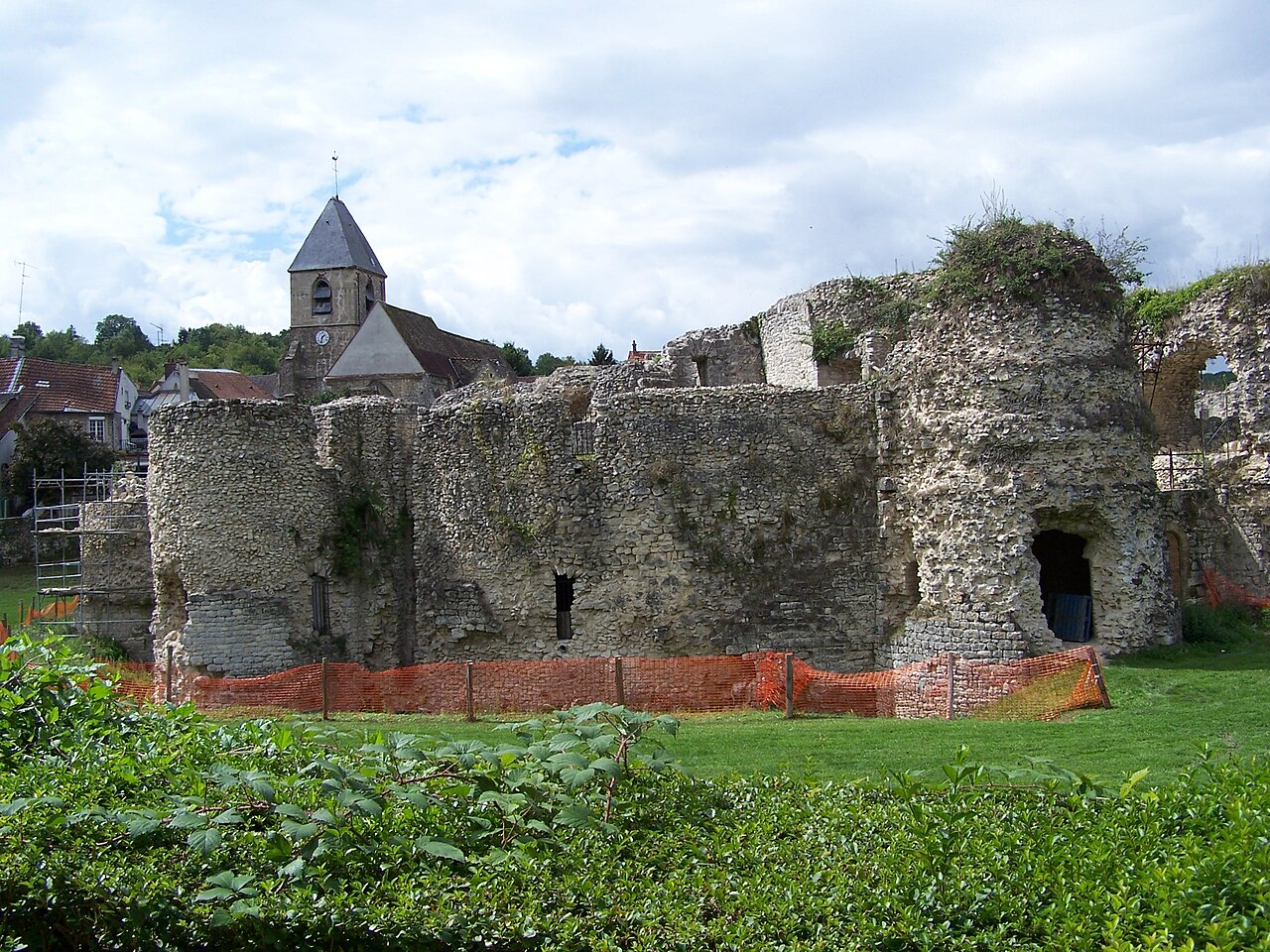
Château de Pontchartrain
Château de Pontchartrain stands as a significant example of 17th-century French Renaissance architecture located in Jouars-Pontchartrain, France. The estate's origins trace back to around 1325, marking it as a site with a long history of noble ownership and architectural evolution. Initially a manor, the original structure was abandoned in the 16th century, paving the way for the construction of the current château during the early 1600s.
The château was primarily built between 1633 and 1662 under the direction of Louis I Phélypeaux, son of Paul Phélypeaux, who was the king's counselor in 1610 and founder of the Pontchartrain branch of the Phélypeaux family. This family maintained ownership for over two centuries, shaping the estate's development and legacy. The château follows the traditional U-shaped French plan, featuring a central building behind a courtyard enclosed by two wings and surrounded by a moat, a common design in Renaissance château architecture.
Architectural design and construction phases
The main building includes a notable gallery, likely constructed between 1598 and 1609, which connects the two wings. This architectural feature is unusual because the central body serves as a link between the wings, reminiscent of the design seen at the Château d'Écouen. The central body underwent rebuilding in 1738 and was remodeled in the late 19th century by the architect Boeswillwald, who expanded the garden-facing side, enhancing the château's grandeur.
The château's wings consist of three pavilions each, connected by elongated bodies made of brick and stone. This material choice aligns with regional trends seen in other estates such as the Château de Grosbois and the Château des Mesnuls. Historically, the main apartments were likely housed in the left wing, with the right wing accommodating servants and common areas. Access to the backyard was provided by a bridge spanning a gap in front of the right wing's central pavilion.
Outbuildings, chapel, and interior features
Important outbuildings, including the stables, were constructed in the early 18th century, probably under the supervision of François Romain, brother of Louis II Phélypeaux de Pontchartrain. The château originally featured a chapel in the left wing, accessible via a gallery aligned with the main building. In 1703, this chapel was replaced by an octagonal room, also likely designed by François Romain, although later owners such as the Dreyfus family reportedly used a different chapel.
The gallery leading to the chapel dates from 1653 and was mirrored symmetrically in the right wing by Boeswillwald during his 19th-century renovations, creating a balanced salon-gallery arrangement that enhanced the interior's elegance.
Gardens and landscape evolution
Louis II Phélypeaux de Pontchartrain, brother of Jean Phélypeaux, commissioned renowned landscape designer André Le Nôtre in 1693 to create a magnificent park surrounding the château. This garden reflected the formal French style popular at the time, featuring geometric layouts and carefully planned vistas.
Following the upheaval of the French Revolution, the estate changed hands and underwent significant landscape transformation. In the early 19th century, industrialist Claude Caroillon Destillières acquired the property and commissioned Louis-Martin Berthault to redesign the gardens in the English park style, characterized by more naturalistic and informal landscaping with sweeping lawns and irregular plantings.
The 19th century also saw further enhancements under owners such as Count Guido Henckel von Donnersmarck and his mistress La Païva, who renovated the château and enriched the park with rare species and new vistas. La Païva's unconventional behavior, including riding dressed as a man, was notable locally.
Ownership history and cultural significance
The château's ownership reflects the social and political shifts in France over several centuries. After the Phélypeaux family, the estate passed to wealthy industrialists, financiers, and aristocrats, including the Dreyfus family in the late 19th century and the Lagasse family in the 20th century. The Lagasse family made architectural modifications such as piercing the central pavilion with a vaulted archway in 1940 to connect the courtyard and gardens.
Throughout its history, Château de Pontchartrain has been a site of cultural importance, hosting artists like the painter Jean-Baptiste Isabey in the early 19th century, who produced interior views of the château. The estate's library and interiors were also noted by contemporaries such as Adèle d'Osmond, Countess of Boigne.
Current status and preservation
Today, the château remains privately owned and is recognized for its well-preserved Renaissance architectural features combined with later modifications reflecting changing tastes and ownership. Its moat, wings, central pavilion, and landscaped gardens continue to illustrate the evolution of French château design from the 17th century onward.
The château's blend of Renaissance architecture, 18th-century outbuildings, and 19th-century garden transformations offers valuable insights into the historical progression of French aristocratic estates. It remains a subject of interest for architectural historians, landscape specialists, and visitors fascinated by the heritage of the Île-de-France region.
Frequently asked questions (FAQ)
- What is the historical significance of Château de Pontchartrain?
- Château de Pontchartrain holds great historical significance as it was built in the 17th century and served as a royal residence. It is known for its association with notable figures in French history and reflects the architectural styles of its time, making it a valuable representation of the era.
- When was Château de Pontchartrain constructed?
- Château de Pontchartrain was constructed in 1680 under the direction of architect François Mansart. The castle has undergone various renovations and restorations, preserving its historical integrity while adapting to modern needs.
- Can I visit Château de Pontchartrain?
- Yes, visitors are welcome to explore Château de Pontchartrain during designated opening hours. It is advisable to check the castle's official website for any specific visitor guidelines and potential restrictions.
- What are the opening hours for Château de Pontchartrain?
- Château de Pontchartrain is typically open to the public from Wednesday to Sunday, with varying hours depending on the season. To ensure a smooth visit, it's best to verify the current hours on the official website before planning your trip.
- Is it possible to access Château de Pontchartrain by public transport?
- Yes, Château de Pontchartrain is accessible by public transport, with regular train and bus services operating from nearby towns. Visitors may need to check local schedules to ensure a convenient journey to the castle.
- What is the best time to visit Château de Pontchartrain?
- The best time to visit Château de Pontchartrain is during the spring and early fall when the weather is pleasant, and the gardens are in full bloom. Additionally, these seasons tend to have fewer crowds, allowing for a more enjoyable experience.
- Are there any nearby attractions to visit along with Château de Pontchartrain?
- Yes, nearby attractions include the beautiful gardens of the Château de Versailles and the picturesque town of Jouars-Pontchartrain itself. These sites offer additional opportunities to explore French history and culture in close proximity to the castle.
- What are the ticket prices for visiting Château de Pontchartrain?
- Ticket prices for Château de Pontchartrain vary depending on age and group size, with discounts often available for children and students. It's advisable to check the official website for the most current pricing information and any special offers.
Information
Loading map...
Visitor reviews
No reviews yet. Been here? Write the first review and help other travelers!
Write the first reviewVisited this castle? Share your experience
Your review helps other travelers and adds first-hand knowledge to our encyclopedia.