Château de Groussay
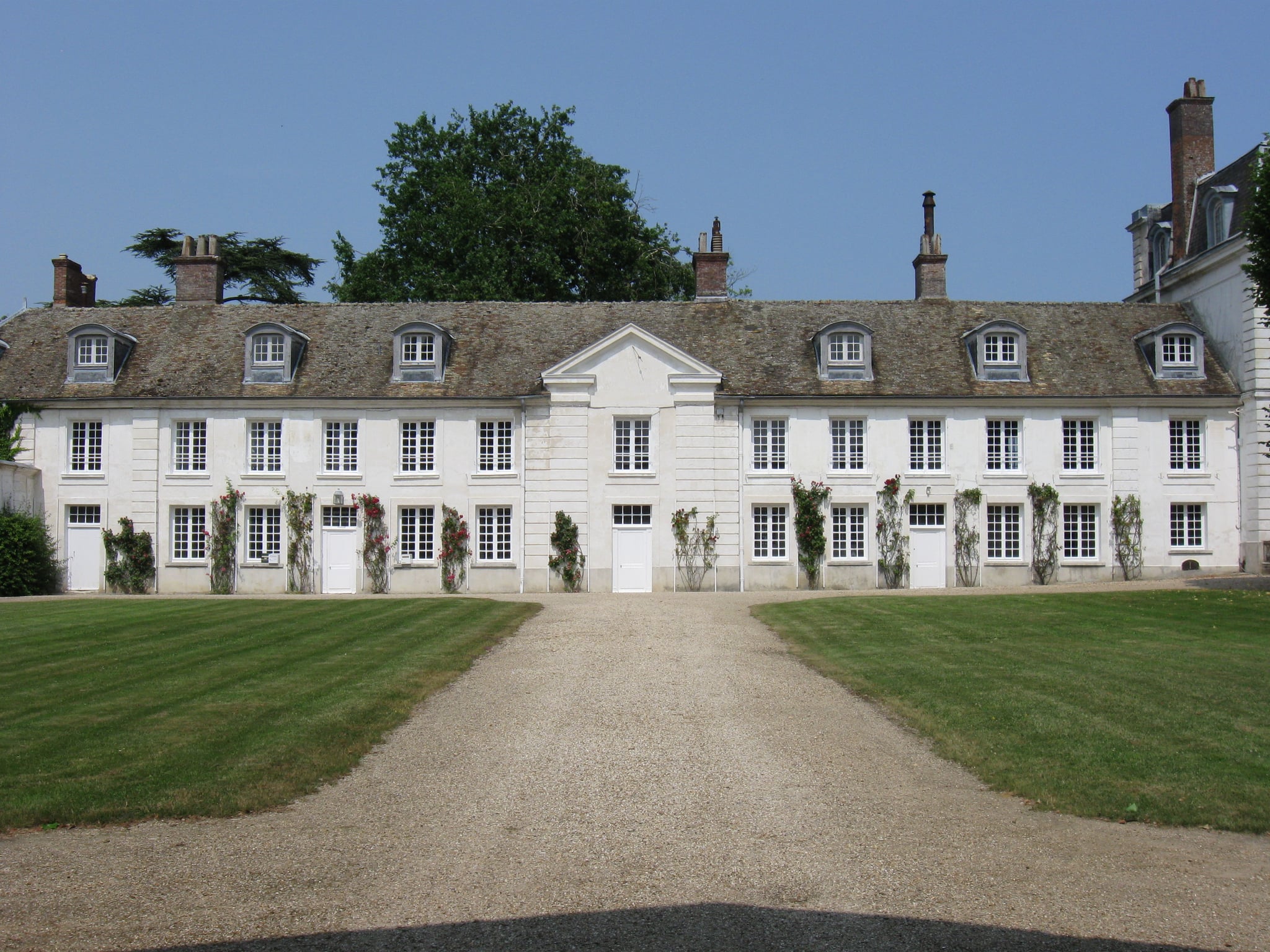
The Château de Groussay stands as a distinguished example of early 19th-century French architecture, constructed in 1815 by the duchesse de Charest, daughter of Louise Elisabeth de Croÿ-Havré, marquise de Tourzel. The marquise de Tourzel is historically notable for her role as the governess to the royal children of King Louis XVI and Queen Marie Antoinette. This connection places the château within a rich context of French aristocratic history, bridging the turbulent years of the late 18th century and the restoration period of the early 19th century.
Originally designed as a refined country residence, the château's architecture reflects the modern period's early phase, combining neoclassical influences with personal touches that would later be enhanced by successive owners. The estate gained significant cultural prominence after its acquisition in 1938-39 by Carlos de Beistegui, a renowned French aesthete and collector. Beistegui's vision transformed the château into a unique artistic and architectural landmark.
Architectural evolution and design influences
The château's initial construction in 1815 coincided with the aftermath of the Napoleonic Wars, a time when French aristocracy sought to reestablish their presence through elegant residences. The design of Château de Groussay exhibits characteristics typical of the modern period, with a focus on symmetry, refined proportions, and restrained decorative elements. While not a medieval fortress, the château's layout includes traditional elements such as formal reception rooms, a grand library, and intimate private chambers.
When Carlos de Beistegui took ownership, he enlisted the expertise of Emilio Terry, a prominent architect and designer known for his eclectic style blending classical and fantastical elements. Together, they expanded and embellished the château, adding architectural details that enhanced its charm and historical references. The interior spaces, particularly the library, gained cultural significance beyond the château itself, inspiring Cecil Beaton in creating the iconic library of Henry Higgins in the film adaptation of My Fair Lady.
Remarkable gardens and landscape features
One of the most celebrated aspects of Château de Groussay is its extensive and imaginative gardens. Carlos de Beistegui developed these grounds with inspiration drawn from 18th-century Anglo-Chinese gardens and the copper tent found in the royal gardens of Drottningholm Palace in Sweden. The gardens are a blend of European and Asian influences, showcasing the period's fascination with exoticism and landscape artistry.
The gardens feature a variety of follies and ornamental structures that create a theatrical and whimsical atmosphere. Notable elements include a Chinese pagoda, a labyrinth, a theater of verdure, and a Tartar tent. These features not only serve aesthetic purposes but also reflect the 18th-century garden design philosophy of creating spaces for leisure, contemplation, and staged outdoor performances.
The French government has recognized the gardens' cultural and historical importance by classifying them as one of the Remarkable Gardens of France. This designation highlights the château's status as a site of national heritage and garden artistry.
Historical significance and cultural legacy
Beyond its architectural and horticultural merits, Château de Groussay is linked to significant historical figures and cultural moments. The duchesse de Charest's lineage connects the château to the royal court of pre-revolutionary France. The later ownership by Carlos de Beistegui situates the château within 20th-century artistic circles, where it became a hub for collectors, artists, and intellectuals.
The château's library, in particular, holds a place in cinematic history through its influence on Cecil Beaton's set designs. This connection illustrates how the château's interiors have transcended their original function to inspire broader cultural productions.
Visiting Château de Groussay today
While Château de Groussay remains a private estate, its gardens are occasionally accessible to the public during special events or by appointment. Visitors interested in garden design, architectural history, and French cultural heritage find the château's grounds a valuable experience. The combination of modern period architecture and 18th-century inspired gardens offers a unique window into the evolving tastes and artistic endeavors of French aristocracy and aesthetes over two centuries.
The château's preservation and recognition by French heritage authorities underscore its importance as a living monument that bridges historical eras, from the royal court of Louis XVI to modern artistic patronage.
Frequently asked questions (FAQ)
- How do I get to Château de Groussay?
- Château de Groussay is located in Montfort-l'Amaury, France, which is easily accessible by car or public transport from Paris. If you're using public transport, take the train to Montfort-l'Amaury and then a short taxi ride to the castle. Make sure to check the local transportation schedules for the most convenient routes.
- What is the historical significance of Château de Groussay?
- Château de Groussay was built in the 19th century and is renowned for its unique blend of architectural styles, reflecting the romantic ideals of the era. It served as a retreat for notable figures, including artists and writers, contributing to its rich cultural history. The castle is also famous for its picturesque gardens, designed by the famous landscape architect, Edouard André.
- When was Château de Groussay built?
- Construction of Château de Groussay began in 1850 and was completed in 1858. The castle was designed by architect Charles Garnier, who is also known for the Palais Garnier opera house in Paris. This period marked a significant moment in French architectural history, with the castle embodying the romantic style popular at the time.
- Can I take guided tours of Château de Groussay?
- Yes, guided tours of Château de Groussay are available, allowing visitors to explore the castle's rich history and architectural details. Tours are typically offered in multiple languages, providing insights into the castle's past and its significance. It's recommended to book your tour in advance, especially during peak tourist seasons.
- Why is Château de Groussay a popular tourist destination?
- Château de Groussay attracts visitors due to its stunning architecture, beautiful gardens, and historical significance. The combination of scenic beauty and rich cultural heritage makes it a perfect destination for art lovers, historians, and nature enthusiasts alike. Additionally, its proximity to Paris makes it an easy day trip for tourists.
- Is it possible to host events at Château de Groussay?
- Yes, Château de Groussay offers facilities for hosting special events, including weddings and corporate gatherings. The picturesque setting and elegant architecture provide a unique backdrop for any occasion. It is advisable to contact the castle management for specific details regarding availability and services.
- What are the opening hours for Château de Groussay?
- Château de Groussay is typically open to visitors from April to October, with varying hours depending on the day of the week. It's best to check the official website or contact the castle directly for the most current opening hours and any seasonal changes. Planning your visit accordingly will ensure you have ample time to explore.
- Are there any nearby attractions to visit?
- Yes, Montfort-l'Amaury is a charming town with several attractions nearby, including the historic church of Saint-Pierre and local artisan shops. The surrounding countryside also offers beautiful walking trails and scenic views. Combining your visit to Château de Groussay with these nearby attractions makes for an enriching day trip.
- What are the ticket prices for Château de Groussay?
- Ticket prices for Château de Groussay vary depending on the type of tour you choose and any special events happening at the castle. Generally, adult tickets are reasonably priced, and discounts may be available for students and seniors. Be sure to check the official website for the latest pricing information and any package deals.
Information
Loading map...
Visitor reviews
No reviews yet. Been here? Write the first review and help other travelers!
Write the first reviewVisited this castle? Share your experience
Your review helps other travelers and adds first-hand knowledge to our encyclopedia.