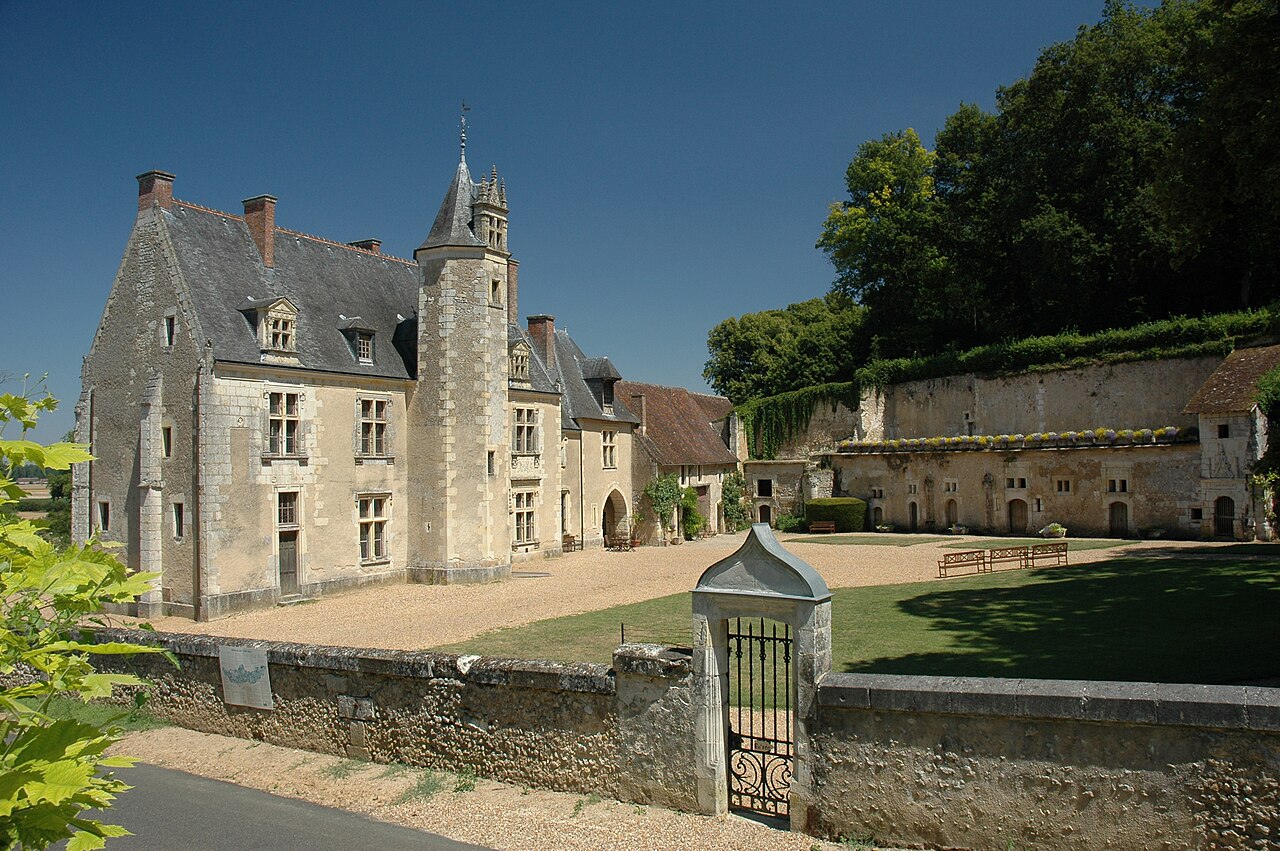
Château de Bénéhard
The Château de Bénéhard stands as a remarkable example of a Renaissance hill castle in the Hauts-de-France region of France. Originally established in the mid-15th century by the Benehart family, this castle evolved from a medieval fortress into a stately residence, reflecting the region's turbulent history and architectural transitions from the late medieval period through the early modern era.
Located in the commune of Chahaignes, the castle was strategically positioned to oversee and protect the Veuve valley during the Hundred Years’ War. Its origins as a fortified site highlight its early military importance, serving as a defensive bastion amidst regional conflicts. The castle's initial construction was typical of hill castles, utilizing the natural slope of the terrain to enhance its defensive capabilities.
Historical lineage and ownership
The castle's history is deeply intertwined with prominent noble families. Around 1450, Pierre de Benehart, then lord of the estate, married Marie d’Avaugour, linking the castle to the prestigious d’Avaugour lineage. Later, in the late 15th century, ownership passed to the Maillé family through the marriage of Anne de Villiers, lady of Bénéhart, to Hardouin de Maillé-Brézé, lord of Ruillé-sur-Loir. Hardouin's death at the château in 1484 marked the beginning of the Maillé family's long stewardship of the estate.
Between 1518 and 1560, Jacques II de Maillé-Bénéhart and his wife Marie de Villebresme undertook significant reconstruction efforts. These renovations introduced early Renaissance architectural styles to the château, blending defensive features with more refined residential elements. Their son, Jacques III, became actively involved in the Catholic League during the Wars of Religion, which led to the château’s temporary confiscation by King Henry IV. The king later restored the property to the Maillé family in the early 17th century.
The 17th century saw further transformation under Henri I de Maillé-Bénéhart, who was ennobled with the title of marquis. He oversaw extensive renovations that shaped much of the château’s current form, emphasizing both grandeur and comfort. The estate remained in the Maillé lineage for several generations until the 19th century, when it changed hands to Jacques Prudhomme de La Boussinière in 1827. In the 21st century, the property was acquired by the artist Bruce de Jaham in 2015, ensuring its continued preservation and cultural significance.
Architectural features and construction
The château is primarily constructed from tuffeau, a soft, pale limestone characteristic of the Loire Valley and surrounding regions. This material allowed for intricate carving and detailed masonry work, which is evident in the château’s early Renaissance façade. A distinctive feature is the central three-sided tower that dominates the front elevation, providing both aesthetic appeal and a vantage point.
The windows of the château showcase a blend of 17th-century design integrated within Renaissance decorative motifs, reflecting the evolving tastes of its owners over time. The steep slate roof caps the structure, typical of regional architecture, and the main entrance is marked by a large portal secured by a small iron wicket gate, combining defensive and ornamental functions.
Outbuildings and grounds
The estate includes several outbuildings dating from the 15th and 16th centuries, arranged around courtyards on the northern and western sides of the main residence. These structures supported the château’s agricultural and domestic operations, forming a coherent historical ensemble.
The grounds extend to terraced gardens developed in the 18th century, notable for their regional uniqueness. These gardens are complemented by a reflective pool, or water mirror, which enhances the château’s aesthetic presence and creates a tranquil environment that contrasts with its martial origins.
On the hillside adjacent to the château stands a substantial tower built in the early 18th century. This tower connects the château to the natural slope, reinforcing its integration with the landscape and its continued defensive symbolism.
Unique interior features and preservation
Within the cellars dug into the hillside, visitors can find a remarkably preserved Roman-style lateral screw press, believed to date from the 15th century. This mechanical device was historically used for pressing grapes or olives and was restored in 1991, remaining functional today. Its preservation offers a rare glimpse into the estate’s agricultural heritage and technological history.
Additional notable features include a 16th-century bread oven and a steam room, both carved directly into the rock. These facilities remain operational, illustrating the château’s well-preserved medieval and early modern domestic amenities.
The property also houses a smaller press and a mill, alongside the principal gates and iron grilles from the 17th century. Together, these elements form a comprehensive historical complex that reflects the château’s evolution from a fortified stronghold to a refined noble residence with agricultural functions.
Château de Bénéhard in the context of French heritage
The Château de Bénéhard is a significant cultural landmark within the Hauts-de-France region. Its architectural evolution from a defensive hill castle to a Renaissance residence mirrors broader trends in French castle construction and noble lifestyle changes during the transition from the medieval to the early modern period.
Its preservation of original mechanical devices, such as the Roman-style screw press, and domestic features like the bread oven and steam room, offer valuable insights into the daily life and technological advancements of its historical occupants. The château’s terraced gardens and reflective pool further enhance its status as an estate of both strategic importance and aesthetic refinement.
Today, the château remains a testament to the layered history of French nobility, architecture, and regional identity, attracting visitors interested in military history, Renaissance art, and heritage conservation.
Frequently asked questions (FAQ)
- How do I get to Château de Bénéhard?
- Château de Bénéhard is located in the picturesque region of France. Visitors can reach the castle by car, train, or bus, with the nearest major city being Le Mans. Public transport options are available, and local signs will guide you to the castle once you are in the vicinity.
- What is the historical significance of Château de Bénéhard?
- Château de Bénéhard dates back to the 12th century and has played a significant role in the region's history. It has been a strategic stronghold and residence for noble families throughout the centuries. The castle's architecture reflects various historical influences, making it a fascinating site for history enthusiasts.
- When was Château de Bénéhard built?
- Construction of Château de Bénéhard began in the early 12th century and continued over several centuries. The castle has undergone numerous renovations and expansions, showcasing a blend of medieval and Renaissance architectural styles. Its rich history is evident in its well-preserved features.
- Can I take guided tours of Château de Bénéhard?
- Yes, guided tours are available at Château de Bénéhard, providing visitors with in-depth knowledge about its history and architecture. Tours typically last around one hour and are offered in multiple languages. It's advisable to check the castle’s official website for tour schedules and booking options.
- Why is Château de Bénéhard a popular tourist destination?
- Château de Bénéhard is popular due to its stunning architecture, rich history, and beautiful surrounding gardens. Visitors can explore the castle's unique features and learn about its historical significance in a captivating setting. The picturesque views also make it a favorite spot for photography and leisurely walks.
- Is it possible to host events at Château de Bénéhard?
- Yes, Château de Bénéhard offers facilities for hosting various events, including weddings, corporate functions, and cultural gatherings. The castle's enchanting atmosphere and scenic grounds provide a beautiful backdrop for any occasion. Interested parties should contact the castle's management for more details and booking information.
- What are the opening hours for Château de Bénéhard?
- Château de Bénéhard is typically open to visitors from 10 AM to 6 PM, Tuesday through Sunday. During peak tourist season, extended hours may be available. It is advisable to check the castle’s website or contact them directly for any seasonal changes in opening hours.
- What are the ticket prices for visiting Château de Bénéhard?
- Ticket prices for Château de Bénéhard vary depending on age and group size, with discounts available for students and seniors. As of the current season, adult tickets are priced at €10, while children under 12 can enter for free. Special family packages and group rates are also offered, making it accessible for everyone.
- When is the best time to visit Château de Bénéhard?
- The best time to visit Château de Bénéhard is during the spring and early autumn months when the weather is mild and the gardens are in full bloom. This period also tends to have fewer crowds, allowing for a more enjoyable experience. Additionally, various events and festivals may be held during these seasons, enhancing your visit.
- Is Château de Bénéhard accessible for visitors with disabilities?
- Château de Bénéhard strives to be accessible to all visitors, with facilities for those with mobility challenges. Ramps and designated pathways are available, although some areas may have limited access due to historical preservation. It's recommended to contact the castle ahead of your visit to ensure all your needs can be accommodated.
Information
Website
Visit websiteSources & official resources
Verify the information above using these authoritative references.
Loading map...
Visitor reviews
No reviews yet. Been here? Write the first review and help other travelers!
Write the first reviewVisited this castle? Share your experience
Your review helps other travelers and adds first-hand knowledge to our encyclopedia.