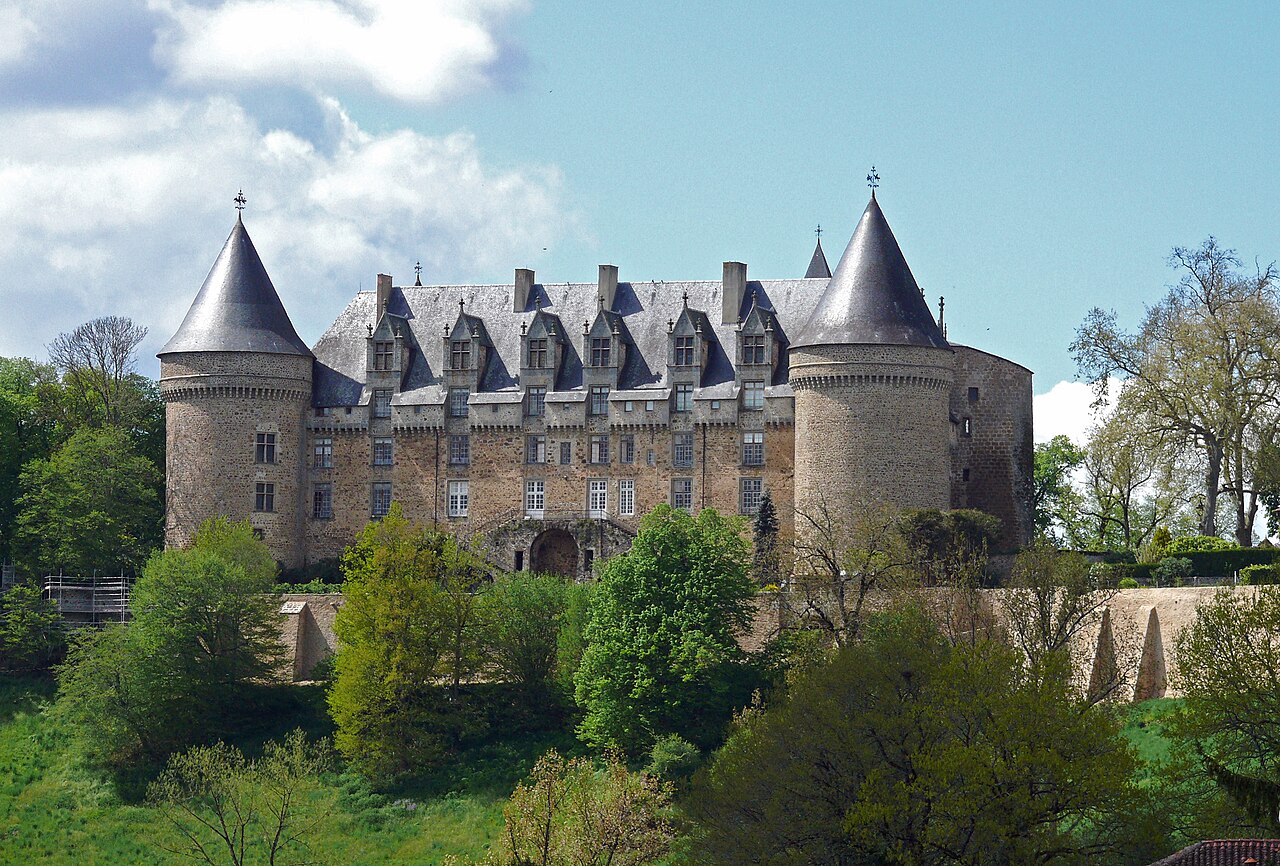
The Château de Peyras stands as a significant example of a medieval hill castle nestled in the commune of Roumazières-Loubert, within the Hauts-de-France region of France. Its origins trace back to before the 12th century, marking it as a structure deeply rooted in the medieval period. Although early archival records are scarce, the castle's enduring presence offers a window into the architectural and feudal history of the region.
Historical development and feudal significance
Following the turbulent years of the Hundred Years’ War, which concluded in the mid-15th century, the Château de Peyras underwent substantial reconstruction. This rebuilding phase primarily focused on the main residential building, reflecting a broader pattern of renewal that many castles experienced during this period of relative peace. The reconstruction not only reinforced the castle's defensive capabilities but also enhanced its role as a noble residence.
From the 15th to the 18th century, the château served as the seat of the Feydeau de Peyras family, a noble lineage that held lordship over Roumazières. Under their stewardship, the castle functioned as a local fiefdom center, anchoring their authority and influence in the region. The family’s tenure is marked by architectural modifications that balanced the needs for defense, residence, and representation of power.
Architectural features and layout
Fortified residential complex adapted to hillside terrain
The château is strategically situated on a hillside overlooking the Charente valley, offering both defensive advantages and commanding views of the surrounding landscape. The main building is rectangular in plan, rising to an upper floor and topped with a distinctive mansard roof. This roof style, characterized by two slopes on each side with the lower slope being steeper, is covered with flat tiles typical of the Charente Limousine architectural tradition, emphasizing practical and robust construction methods.
Towers and defensive elements
Originally, the castle featured a total of five towers: two square-shaped and three round. The three circular towers, each approximately ten meters in diameter, highlight the castle’s emphasis on defense and surveillance. Today, only one of these round towers remains, notable for its pepperpot roof—a conical roof style covered with plain tiles that adds a distinctive historic character to the structure.
Façade and internal features
The western façade of the château shows evidence of 17th-century modifications, including a door from this period. This façade is understood to be a later addition, contrasting with the medieval core of the building. Inside, a lower hall connects directly to a chapel housed within one of the towers. This chapel is architecturally significant for being surrounded by eight arcades, which are arched openings that likely framed the sacred space and enhanced the spiritual ambiance within the fortified structure.
Heritage recognition and preservation
The eastern residential wing and the northeastern cylindrical tower have been officially recognized for their cultural and historical value. On December 21, 1998, these parts of Château de Peyras were classified as historic monuments, ensuring their protection and preservation for future generations. This designation highlights the château’s architectural significance and its role in the heritage of the Hauts-de-France region.
Architectural style and regional context
The Château de Peyras exemplifies the medieval hill castle typology, adapted to the topography of the Charente valley. Its architecture reflects a blend of defensive medieval features with later Renaissance and post-medieval modifications. The use of mansard roofs and the combination of square and round towers illustrate the evolution of castle design from purely military fortifications to noble residences that balanced security with comfort and status.
Construction materials and techniques
The castle’s construction employs local materials typical of the Charente Limousine area, including stone masonry and flat tile roofing. These elements contribute to the château’s durability and aesthetic coherence with the regional architectural vernacular.
Visiting Château de Peyras
While specific visitor information such as opening hours and ticket prices are not widely published, the château’s status as a historic monument indicates potential access for cultural tourism and educational visits. The site’s scenic hillside location and its architectural features make it a noteworthy destination for those interested in medieval and post-medieval French castles.
Nearby attractions and cultural significance
The château’s position in the Hauts-de-France region situates it within a rich tapestry of historical sites and natural landscapes. Visitors to Château de Peyras can also explore the Charente valley and other nearby castles, gaining insight into the region’s feudal history and architectural heritage.
Frequently asked questions (FAQ)
- What is the historical significance of Château de Peyras?
- Château de Peyras is a notable example of medieval architecture in France, reflecting the rich history of the region. It served as a strategic fortress during the feudal period and has been a witness to many historical events, making it an important site for understanding the local heritage.
- When was Château de Peyras built?
- The construction of Château de Peyras began in the late 12th century and was completed in the early 13th century. Its architectural style and design have evolved over the centuries, showcasing the artistic influences of different periods.
- Can I visit Château de Peyras during the winter months?
- Yes, Château de Peyras is open to visitors throughout the winter, although hours may vary. It’s advisable to check the official website for the most current visiting hours and any special winter events that may be taking place.
- What are the opening hours for Château de Peyras?
- Château de Peyras typically opens from 10 AM to 6 PM, with extended hours during the summer months. It is closed on certain holidays, so visitors should verify the schedule before planning their trip.
- Is it possible to access Château de Peyras with a wheelchair?
- Yes, Château de Peyras is committed to accessibility, and efforts have been made to accommodate visitors with mobility challenges. However, certain historical areas may have limited access due to their original architectural features, so it is recommended to inquire about specific accessibility options upon arrival.
- What are the ticket prices for visiting Château de Peyras?
- Ticket prices for Château de Peyras generally range from €8 for adults to €4 for children under 12. Special discounts are often available for students and seniors, making it an affordable destination for families and history enthusiasts.
- When is the best time to visit Château de Peyras?
- The best time to visit Château de Peyras is during the spring and early fall when the weather is typically mild, and the gardens are in full bloom. Additionally, these seasons often feature fewer crowds, allowing for a more enjoyable experience exploring the castle.
- Are there any nearby attractions to explore after visiting Château de Peyras?
- Yes, visitors to Château de Peyras can also enjoy nearby attractions such as the picturesque village of Peyras and several hiking trails that showcase the stunning landscape of the region. Additionally, local vineyards offer tours and tastings, making for a delightful day trip.
Information
Loading map...
Visitor reviews
No reviews yet. Been here? Write the first review and help other travelers!
Write the first reviewVisited this castle? Share your experience
Your review helps other travelers and adds first-hand knowledge to our encyclopedia.