Château de Montréal
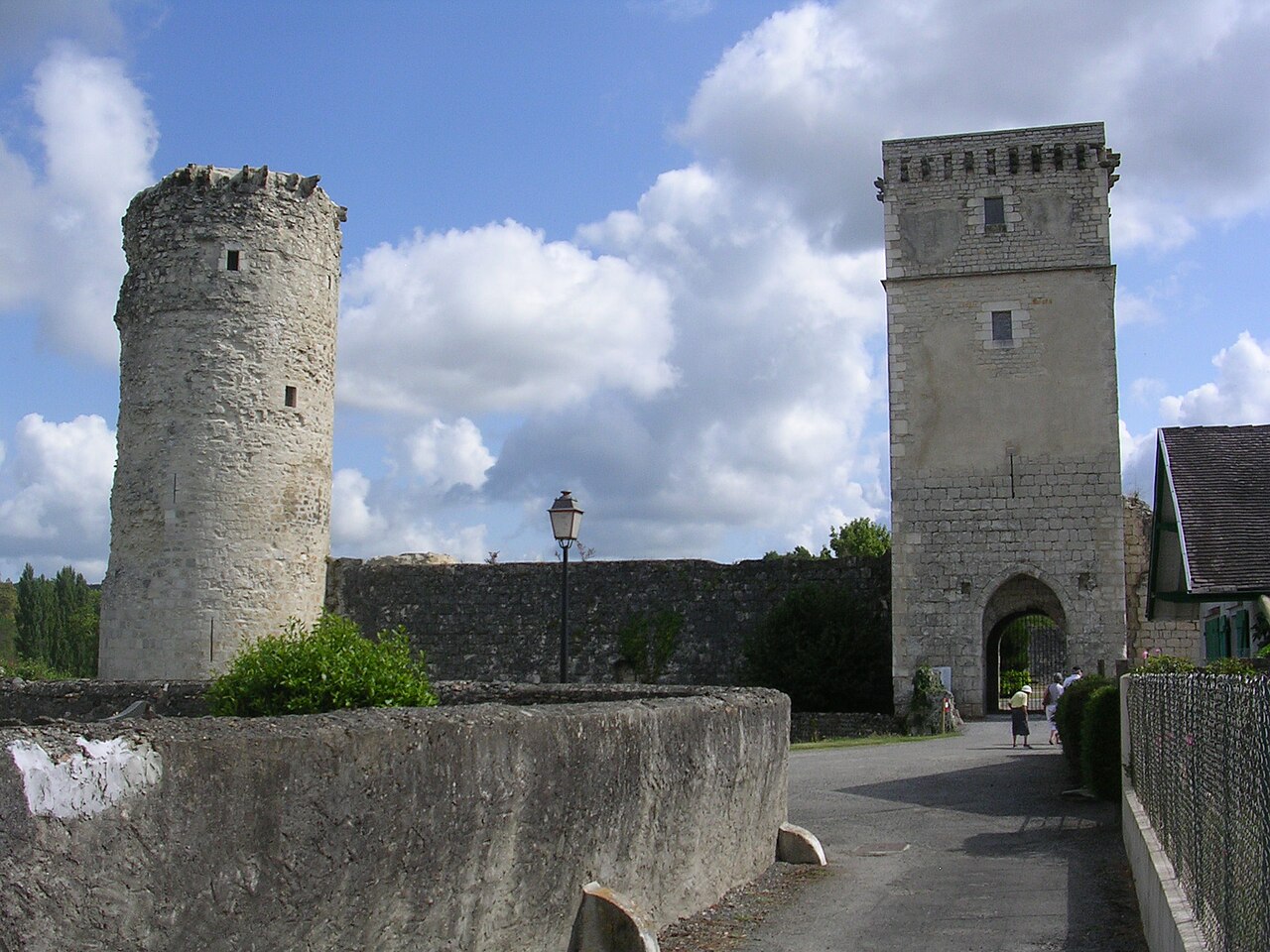
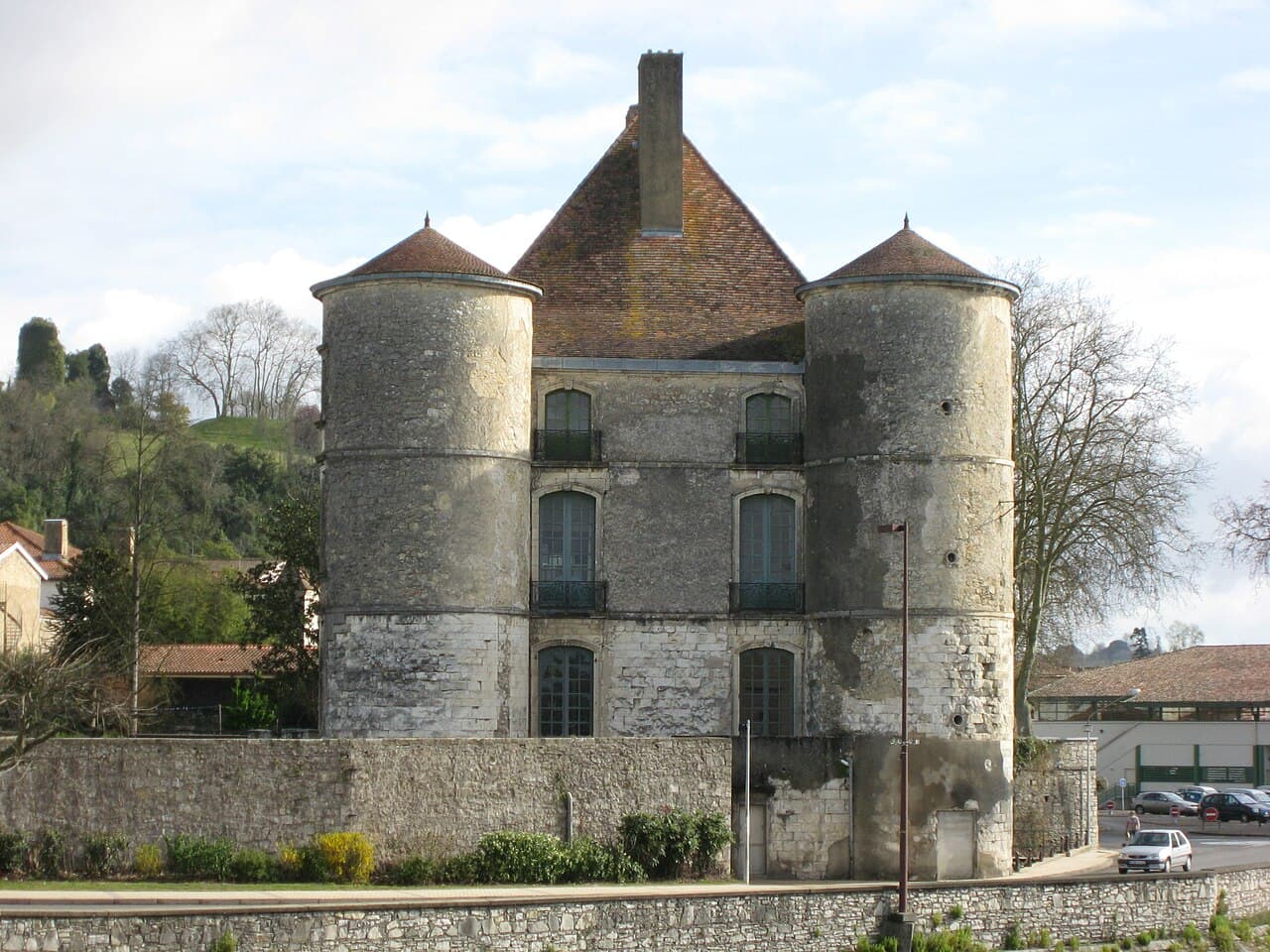
Château de Montréal is a remarkable historic castle located in Peyrehorade, France, known for its blend of medieval fortification and Renaissance elegance. Originally constructed in the 12th century as a medieval fortress, the château has undergone significant architectural evolution, reflecting centuries of noble residence and regional history. Today, it serves as the city hall of Peyrehorade, preserving its cultural and architectural heritage.
Medieval origins and early history
The château's origins trace back to the 12th century, when it was first established as a defensive stronghold overlooking the Crempse valley. This early fortress was built by the Balazuc family, featuring a sturdy Romanesque tower constructed from rusticated ashlar stone. The tower, measuring approximately ten meters per side with walls about 2.5 meters thick, was designed for defense with its elevated entrance and narrow arrow slits. This keep, or bergfried, formed the core of the castle's military architecture and remains a dominant feature of the site.
Throughout the 13th and 14th centuries, the castle expanded with the addition of a residential building known as a logis and a surrounding ring wall, integrating Gothic architectural elements. The fortress was part of a strategic chain of castles protecting valuable silver mines in the region, highlighting its importance in medieval military and economic networks.
Renaissance transformation and notable owners
In the 16th century, the château underwent substantial transformation under the ownership of the Pontbriand family. They introduced Renaissance architectural features, including a new façade with mullioned windows framed by columns and the construction of the chapel Sainte-Épine. This chapel was built to enshrine the Holy Thorn relic, believed to have been found on General Talbot after the 1453 Battle of Castillon, the last battle of the Hundred Years’ War.
Claude de Pontbriand, Seigneur de Montréal in the 16th century, is a historically significant figure who participated in the 1535 expedition of explorer Jacques Cartier to North America. His involvement links the château to early French exploration and the founding of Montreal in Canada.
The château's defensive structures were modernized during this period, with the addition of a double enceinte (double ramparts) enhancing its fortifications. These features remain well preserved, illustrating the blend of military and residential functions.
Architectural features and layout
The castle complex is centered around its imposing square keep, rising to about 25 meters in height, which retains its original defensive purpose without residential fittings. Attached to the keep are two principal residential buildings: a Gothic logis and a Renaissance logis. The Renaissance logis includes a gatehouse with a vaulted passage featuring a cross vault and the Balazuc family coat of arms, opening into a paved courtyard surrounded by living quarters.
Within the courtyard, three cisterns collect water, compensating for the lack of a well. The residential areas contain vaulted halls, a lordly dining room, and kitchens with original fireplaces. The chapel Sainte-Épine features Renaissance sculptures, including statues of the Twelve Apostles and recumbent figures of François de Pontbriand and his wife.
The castle's defensive elements include machicolations, arrow slits, and a concealed conduit for communication between the guardroom and battlements. The keep's cellar extends deep underground, historically used for food storage during sieges.
Gardens and landscape features
Surrounding the château are beautifully designed gardens developed in the early 20th century by landscape architect Achille Duchêne. The gardens blend Italian and French formal styles, with terraces featuring flower beds of roses, dahlias, nepeta, and salvias. A star-shaped pergola covered with hornbeam trees stands outside the park walls, restored after storm damage in 1999.
Historical significance and preservation
The château has passed through several noble families, including the Saint-Astier, Peyronencq, Pontbriand, Duchesne, and Faubournet de Montferrand families, the latter still owning the property. It has witnessed significant historical events, including connections to the Hundred Years’ War and French exploration of North America.
Since 1948, parts of the château have been recognized as a monument historique, with further sections listed in 1991. The château remains well preserved and inhabited, maintaining its historical interiors and continuing to serve as a symbol of regional heritage.
Modern use and public access
Currently, Château de Montréal functions as the city hall of Peyrehorade, integrating its historic architecture with civic use. Visitors can appreciate the castle’s exterior, gardens, and some interior spaces during public events, although much of the residential quarters remain private. The château’s preservation efforts ensure that its rich history and architectural grandeur continue to be celebrated and maintained for future generations.
Frequently asked questions (FAQ)
- What is the historical significance of Château de Montréal?
- Château de Montréal is historically significant for its medieval origins, Renaissance architectural transformations, and connections to French exploration of North America through Claude de Pontbriand.
- Can I visit the gardens of Château de Montréal?
- Yes, the château's gardens, designed in Italian and French formal styles by Achille Duchêne, are accessible to visitors and offer beautiful floral displays and terraces.
- Is Château de Montréal open to the public?
- While the château serves as the city hall of Peyrehorade and some exterior and garden areas are accessible, the private residential quarters are generally not open to the public.
- When was Château de Montréal originally built?
- The original construction of Château de Montréal dates back to the 12th century, with significant Renaissance renovations in the 16th century.
- What architectural styles are present at Château de Montréal?
- The château features a combination of Romanesque medieval fortifications and Renaissance architectural elements, including a Renaissance façade and chapel.
Photo gallery

Information
Sources & official resources
Verify the information above using these authoritative references.
Loading map...
Visitor reviews
No reviews yet. Been here? Write the first review and help other travelers!
Write the first reviewVisited this castle? Share your experience
Your review helps other travelers and adds first-hand knowledge to our encyclopedia.