Château de Bellocq
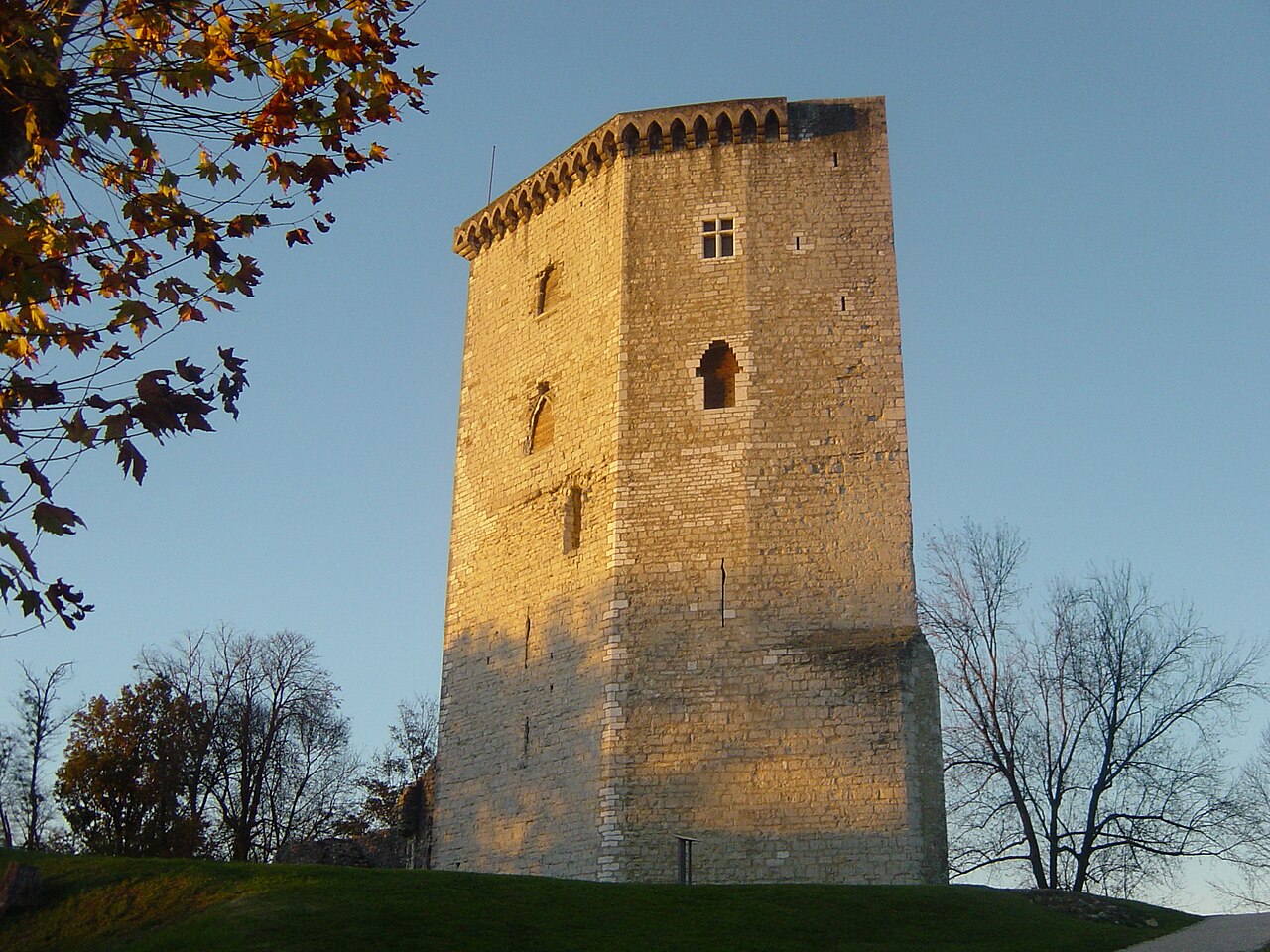
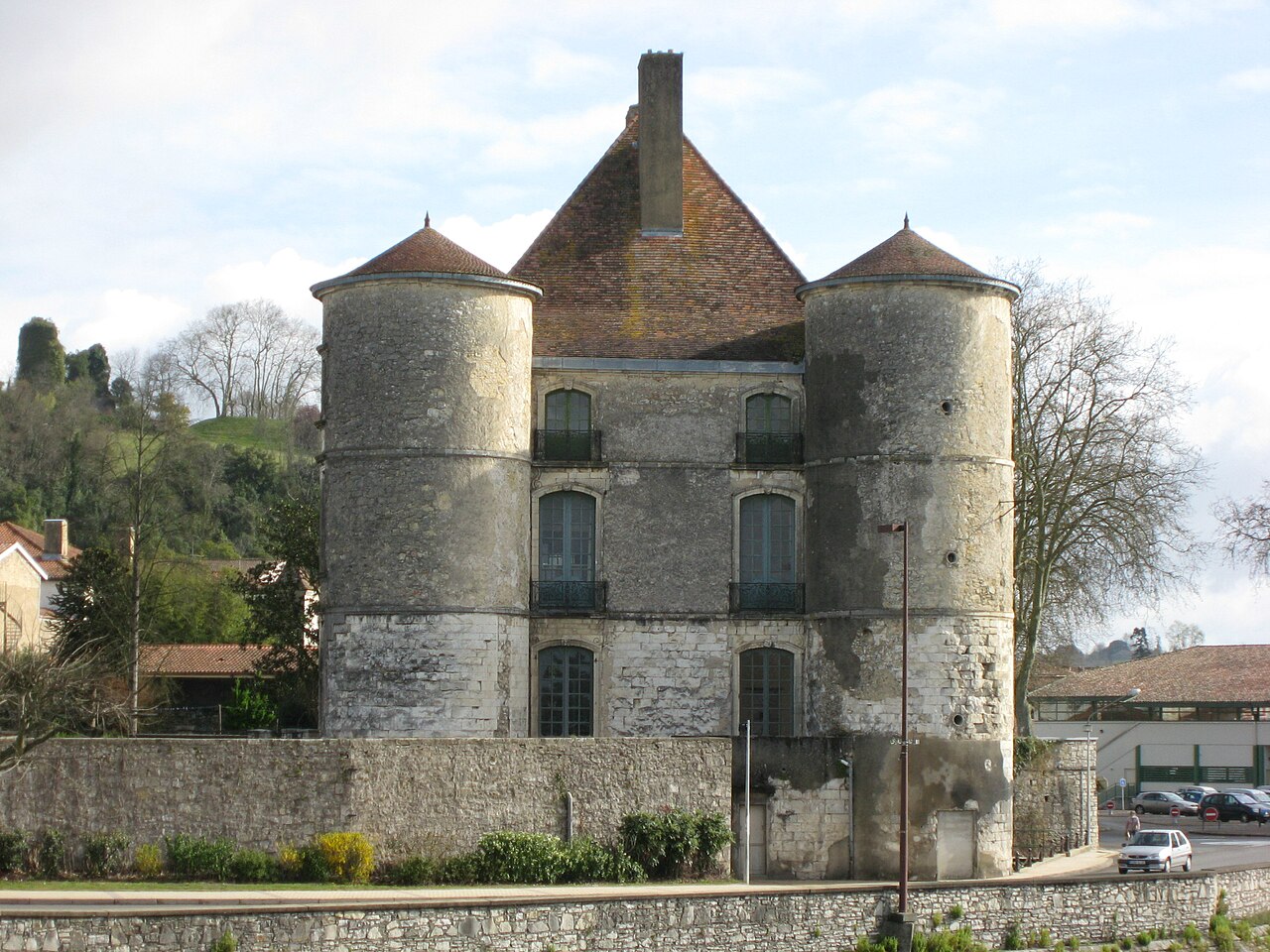
Château de Bellocq is a significant medieval fortress located in the village of Bellocq in southwestern France. Dating from the late 13th century, this hill castle was constructed primarily to defend the Béarn territory during a period marked by frequent conflicts and shifting allegiances. Strategically positioned on a rocky outcrop overlooking the Gave de Pau river, the castle controlled a vital access route into Béarn, making it a crucial military and administrative stronghold.
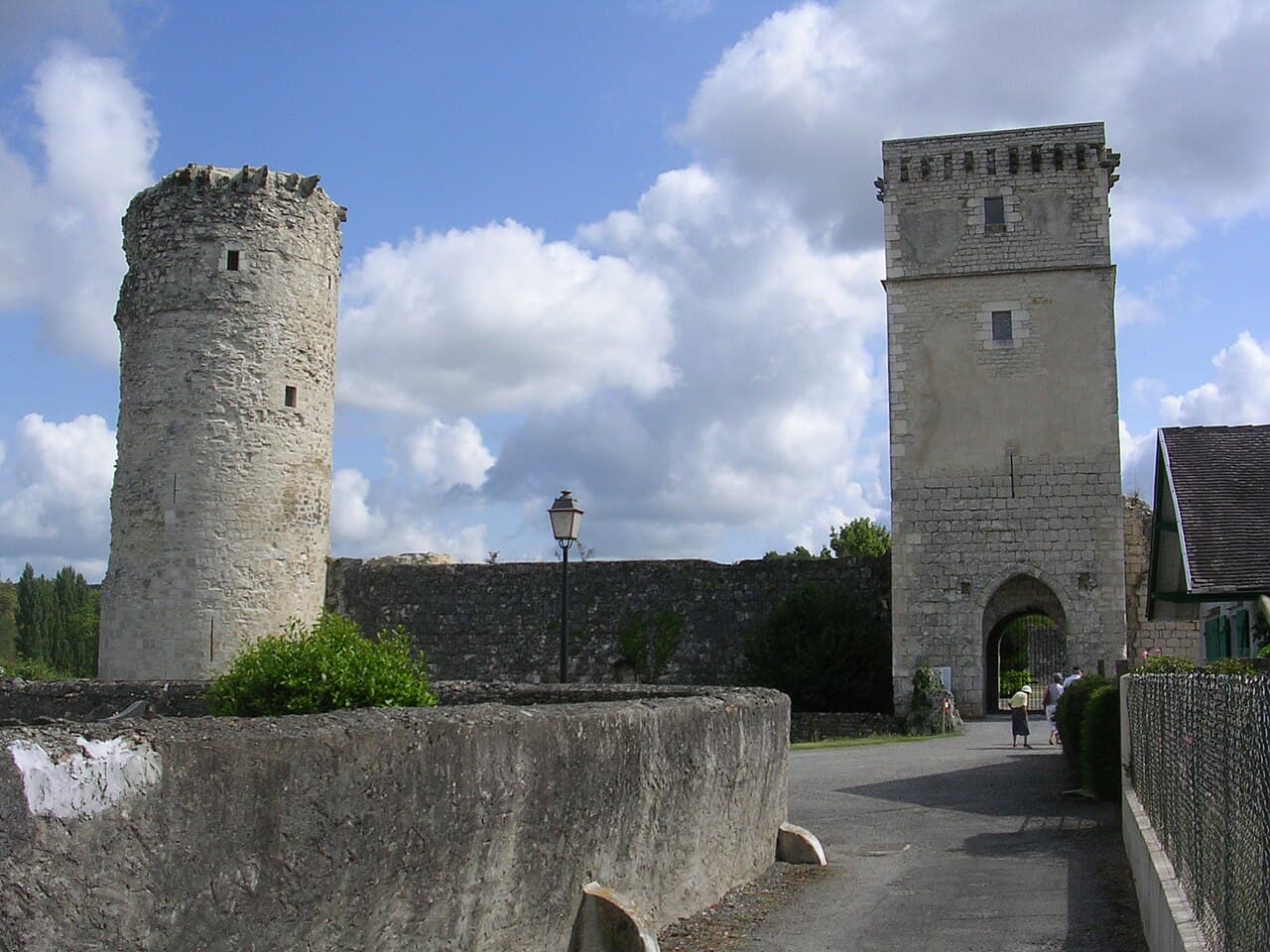
The castle's origins trace back to around 1250-1280, when Gaston VII Moncade de Béarn initiated its construction to fortify his lands against the neighboring English-controlled region of Guyenne. The initial design comprised an irregular quadrilateral layout fortified by seven towers, including four round towers, a semicircular tower, and two square towers, one of which served as the main entrance fortified with a drawbridge. The curtain walls were pierced with cruciform arrow slits and topped with crenellations, reflecting the military architectural techniques of the High Medieval period. Notably, the castle was built without a traditional central keep, which was unusual for the time, emphasizing its role as a fortified enclosure designed to house a large garrison.
Strategic importance and early development
The castle's location on the frontier with English-held Guyenne made it a linchpin in the defense of Béarn. The fortress was part of a broader defensive network that included the nearby bastide of Bellocq, founded by Gaston VII shortly after the castle's completion, and the fortified church of Bellocq. Together, these structures formed an integrated system to protect the region's borders and support local governance and military operations.
Architectural features and fortifications
Layout and defensive structures
The castle's irregular quadrilateral plan was reinforced by seven towers of varying shapes, providing overlapping fields of defense. The four round towers offered strong flanking positions, while the semicircular tower and two square towers enhanced the fortress's ability to withstand sieges. The main gatehouse, housed in one of the square towers, featured a drawbridge that controlled access across a defensive moat or ditch, typical of medieval fortifications designed to delay and repel attackers.
Defensive innovations
The cruciform arrow slits in the curtain walls were a sophisticated feature, allowing archers to fire upon attackers while remaining protected. The crenellated battlements provided cover for defenders on the walls, enabling them to observe and respond to threats effectively. These elements demonstrate the castle's design focus on active defense and the accommodation of a sizeable military presence.
Historical evolution and key figures
14th century enhancements
In the late 14th century, around 1370, the castle underwent significant remodeling under the direction of Gaston Fébus, a powerful Béarnese ruler known for his military acumen and efforts to maintain Béarn's independence amid pressures from France, England, and Navarre. Gaston Fébus reinforced the castle's defenses and constructed additional strongpoints, adapting the fortress to evolving military technologies and strategic needs.
16th century renovations and royal residence
During the 16th century, the castle saw further repairs and enhancements under Henri II d'Albret in 1542, motivated by concerns over potential Spanish invasions. The castle served not only as a military bastion but also as a noble residence for the Navarrese royal family. Jeanne d'Albret, queen of Navarre and mother of King Henry IV of France, frequently stayed at Bellocq while visiting the nearby saltwater baths of Salies-de-Béarn, highlighting the castle's dual role as a defensive stronghold and a retreat for the nobility.
Religious conflicts and decline
French Wars of Religion and sieges
The castle played a notable role during the turbulent French Wars of Religion in the late 16th century. In 1568, the French crown dispatched the baron of Terride to reassert Catholic control over Béarn, which had become predominantly Protestant. The castle was occupied by Catholic forces, but in 1569, it withstood a siege led by Gabriel de Montgomery, a Huguenot leader allied with Jeanne d'Albret, illustrating its strategic and symbolic importance in the religious conflicts of the era.
Destruction and abandonment
By 1620, as Protestant influence resurged in Béarn, King Louis XIII ordered the castle to be burned to prevent its use by Protestant forces. The partial dismantling that followed marked the end of Château de Bellocq's military and administrative significance. From this point onward, the fortress fell into disrepair and ceased to play a role in regional affairs.
Preservation and current state
Today, Château de Bellocq remains a ruined but evocative monument. Its walls and towers, though partially collapsed, still outline the original fortress layout, offering valuable insights into medieval military architecture. The castle's designation as a monument historique in the 20th century underscores its cultural and historical importance to the Béarn region and France as a whole.
Visitors to the site can explore the remains of the curtain walls, towers, and gatehouse, gaining a tangible connection to the castle's storied past. The castle's setting on a rocky promontory overlooking the Gave de Pau river adds to its dramatic presence and strategic significance, making it a compelling destination for those interested in medieval history and architecture.
Château de Bellocq in the context of Béarn and southwestern France
As a frontier fortress, Château de Bellocq exemplifies the challenges faced by small principalities like Béarn in maintaining autonomy amid larger powers such as France, England, and Navarre. Its construction, evolution, and eventual destruction reflect the shifting political, religious, and military dynamics of southwestern France from the High Medieval period through the early modern era.
The castle's integration with the bastide and fortified church of Bellocq demonstrates the medieval approach to regional defense, combining military, administrative, and religious structures to secure territory and support governance. This triad of fortifications remains a significant example of medieval urban and military planning.
Overall, Château de Bellocq stands as a testament to the resilience and strategic foresight of the Béarnese rulers who sought to protect their lands and maintain their independence during centuries of conflict and change.
Frequently asked questions (FAQ)
- How do I get to Château de Bellocq?
- Château de Bellocq is located in the village of Bellocq, accessible by car via local roads from nearby towns such as Pau. Public transportation options are limited, so driving is recommended.
- What are the opening hours for visiting Château de Bellocq?
- The castle ruins are generally open to visitors year-round, but there are no formal opening hours or ticket offices as it is an open-air site. It is best to visit during daylight hours for safety and visibility.
- Is there an entrance fee to visit Château de Bellocq?
- Visiting the Château de Bellocq ruins is free of charge, as it is maintained by the local municipality and open to the public without an admission fee.
- What is the historical significance of Château de Bellocq?
- Château de Bellocq was a strategic frontier fortress built in the late 13th century to protect Béarn from English-controlled Guyenne and later played a role in the French Wars of Religion. Its history reflects the complex political and religious struggles of southwestern France.
- Can I explore the entire castle?
- While the castle is in ruins, visitors can walk around the perimeter and explore the remains of the walls and towers. Some areas may be unsafe or restricted, so it is advised to stay on marked paths and follow local guidelines.
Photo gallery

Information
Current owner
Municipality
Loading map...
Visitor reviews
No reviews yet. Been here? Write the first review and help other travelers!
Write the first reviewVisited this castle? Share your experience
Your review helps other travelers and adds first-hand knowledge to our encyclopedia.