Château de Gramont
Château de Gramont, located in Bidache, southwestern France, is a significant historical monument that embodies centuries of architectural evolution and noble heritage. First documented in 1329, the castle was originally the seat of the powerful Gramont family, viscounts of Dax before their elevation to ducal status. The castle’s strategic location and formidable design reflect its role as a defensive stronghold and a noble residence during the late medieval period.
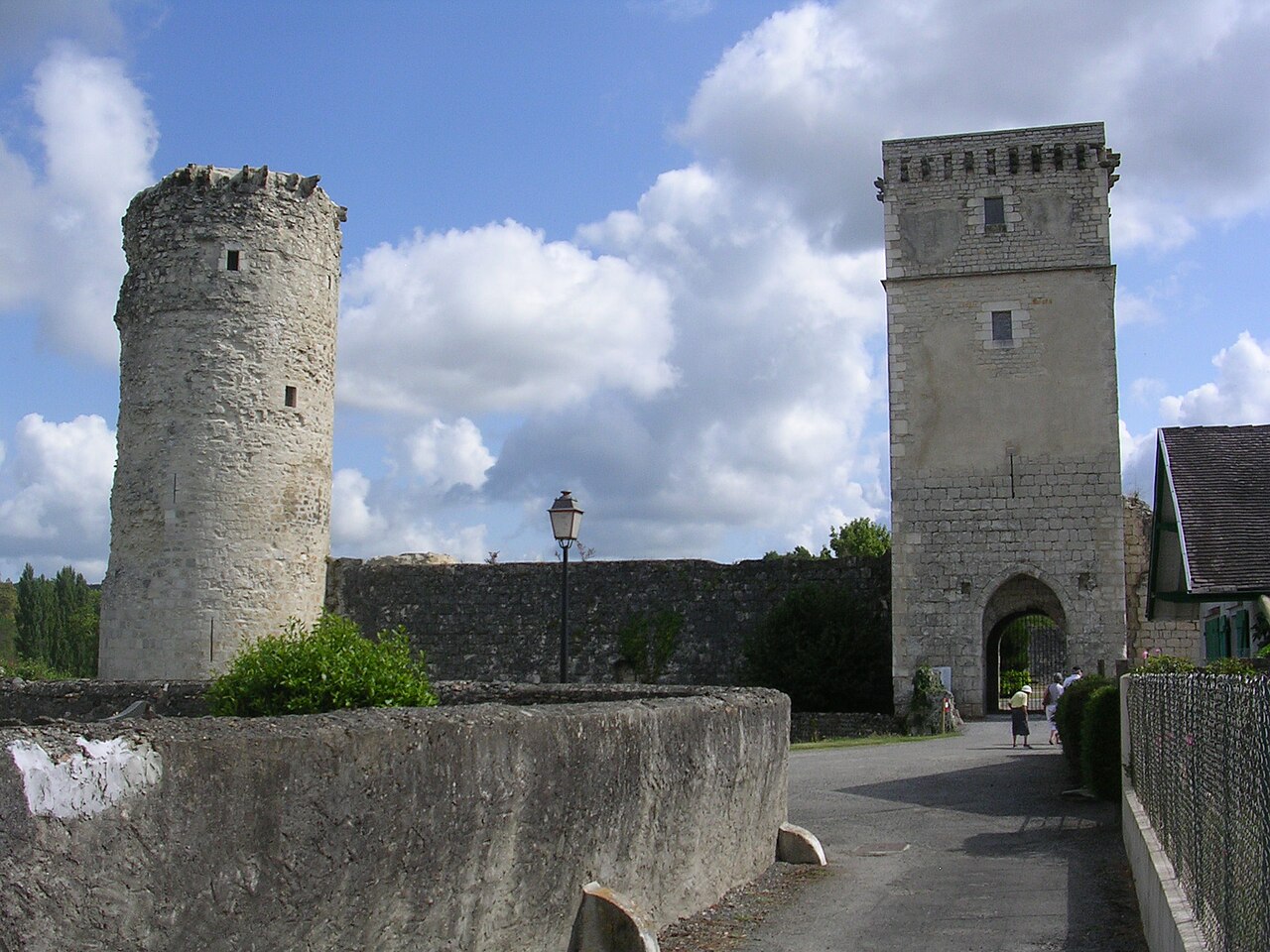
Constructed initially as a hill castle, Château de Gramont was built in the 14th century with robust fortifications typical of the era. Its medieval architecture featured multiple round towers, curtain walls, and a layout arranged around two main courtyards, designed both for defense and residential purposes. The castle’s original tower remains a testament to the medieval military architecture that prioritized strongholds capable of withstanding sieges.
Medieval origins and gothic transformation
The castle’s early history is closely tied to the Gramont family, who held considerable influence in the region. It was once owned by Simon IV de Montfort, a notable figure in the Albigensian Crusade, which situates the castle within the broader context of medieval religious and military conflicts. During the 14th century, the castle underwent alterations in the gothic style, enhancing its defensive capabilities and aesthetic appeal. These modifications included pointed arches, ribbed vaults, and other gothic architectural elements that were integrated into the existing medieval structure.
Destruction and renaissance rebuilding
In 1523, Château de Gramont was severely damaged during a siege by the troops of Charles V of Spain. The assault resulted in extensive destruction, with much of the fortress set ablaze. Despite the devastation, the Gramont family initiated a reconstruction that incorporated renaissance architectural elements, reflecting the changing tastes and cultural influences of the period. Between 1535 and 1545, a new wing was built in the Renaissance style, featuring an L-shaped plan, a grand staircase, and a large hall used as a council chamber.
This rebuilding phase also saw the addition of a stair turret and extended fortifications, blending the castle’s medieval defensive features with Renaissance residential comforts. The Renaissance wing symbolized a shift from purely military functions toward a more refined noble residence, emphasizing both status and livability.
17th-century renovations and louis XIII style gardens
The 17th century marked another period of transformation under the influence of the Louis XIII architectural style. Architect Louis de Mihet, known for his work on Bayonne’s fortifications, directed significant renovations that enhanced the castle’s grandeur and functionality. These included the creation of formal terraced gardens arranged on three levels, connected by stone staircases, which introduced ornamental and recreational outdoor spaces to the castle grounds.
The castle’s entrance was also redesigned with a monumental gate featuring a triangular pediment, replacing an earlier porch supported by classical columns. These enhancements reflected the evolving architectural tastes and the increasing importance of visual impact and symbolism in noble residences during the early modern period.
Historical significance and notable visitors
Château de Gramont’s political and social importance is underscored by its notable visitors and events. In 1565, Catherine de Médicis and her son King Charles IX stayed at the castle, highlighting its status as a significant noble seat. Later, in 1587, Henri III of Navarre, who would become King Henri IV of France, also resided there.
The castle played a diplomatic role during the peace negotiations of the Treaty of the Pyrenees in 1659, with Cardinal Mazarin present at the site. These visits and events illustrate the castle’s role as a center of political power and diplomacy in the region.
Revolutionary impact and later history
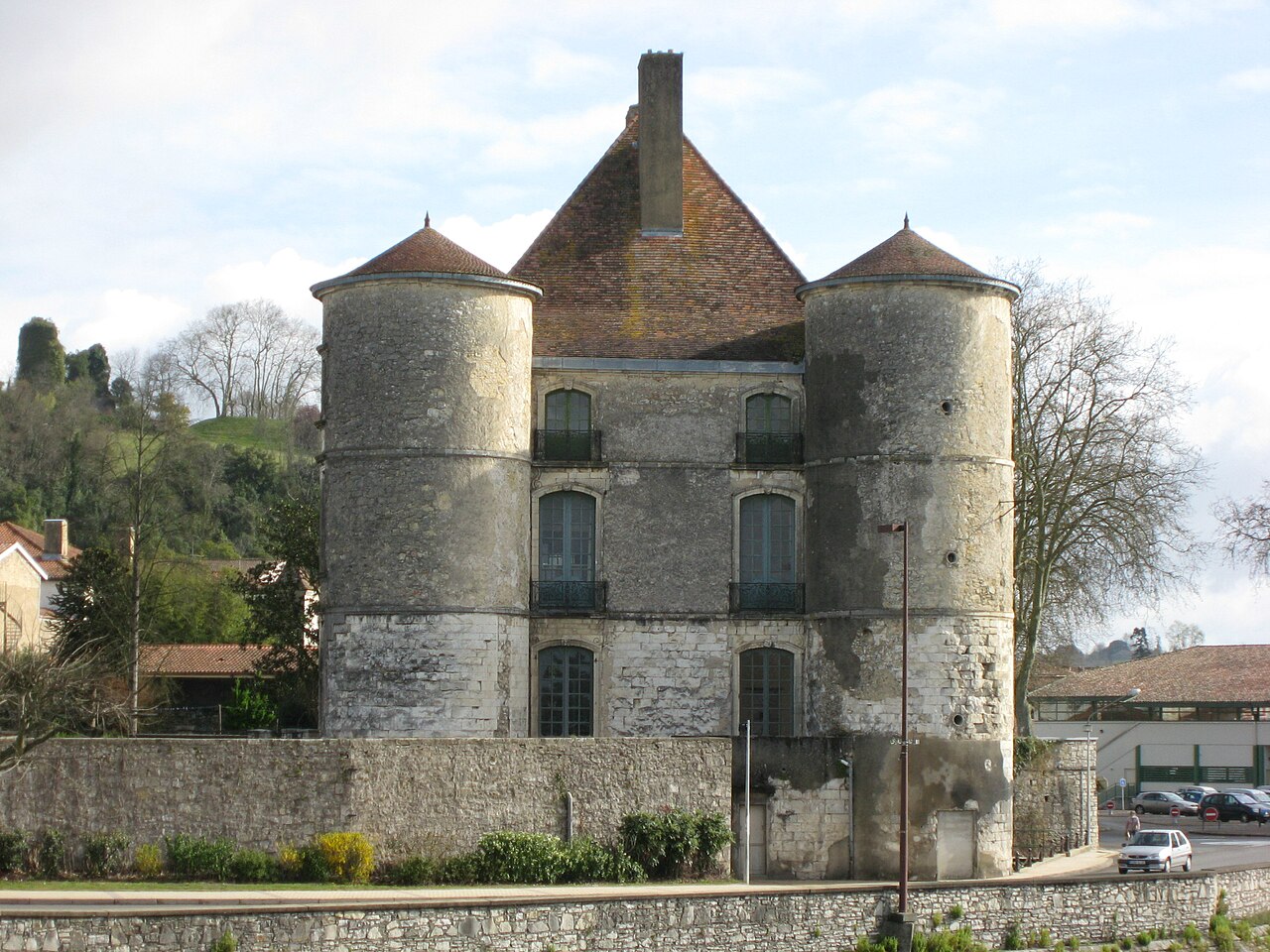
The French Revolution brought dramatic changes to Château de Gramont. In 1793, the castle and its outbuildings were confiscated by the nation and temporarily converted into a military hospital. However, a devastating fire in 1796 left the castle largely in ruins, with only its stone walls and three substantial round towers surviving. Despite this destruction, the Gramont family retained ownership of the site through the subsequent centuries.
In the 20th century, the château received official recognition for its historical and architectural significance. It was classified as a historic monument in 1942, with expanded protections added in 2012. Since 2003, local authorities have undertaken stabilization and preservation efforts to maintain the ruins and protect the site’s heritage.
More recently, the castle grounds have become a cultural venue, hosting an annual festival since 2022 that reenacts its extensive history from medieval times to the modern era, engaging visitors with the rich legacy of the Gramont family and the castle’s role in French history.
Architectural remains and heritage conservation
Today, the ruins of Château de Gramont offer a glimpse into the layered history of a castle that evolved through medieval, Renaissance, and early modern periods. The surviving round towers at the northwest and southern sides stand as prominent features of the original medieval fortress. These towers, with their robust masonry and circular design, exemplify the defensive architecture of the late medieval period.
The Renaissance additions remain visible in the form of the L-shaped main building, the grand staircase, and the council hall, showcasing the blend of military and residential architecture. The 17th-century terraces and gardens reflect the shift toward aesthetic and recreational considerations in castle design.
Several ancillary structures, including vaulted stables and the facades of terminal pavilions, survive as part of the overall complex. The castle’s former library, once housed in a converted chapel within a round tower, highlights the intellectual and cultural pursuits of its noble occupants.
Preservation efforts in the 21st century have focused on consolidating the ruins, maintaining the structural integrity of the remaining buildings, and protecting the surrounding parks and gardens. These initiatives ensure that Château de Gramont remains an important cultural and historical site, offering valuable insights into the architectural and social history of southwestern France.
Frequently asked questions (FAQ)
- How do I visit Château de Gramont?
- Château de Gramont is accessible to the public, with visiting hours typically during daylight. It is advisable to check with local tourist offices in Bidache for the latest opening times and any guided tour availability.
- What is the historical significance of Château de Gramont?
- Château de Gramont was a key noble residence and defensive fortress from the 14th century, witnessing important events such as visits by Catherine de Médicis and King Henri IV, and playing a role in the Treaty of the Pyrenees negotiations.
- Can I see the gardens and terraces at Château de Gramont?
- The 17th-century terraced gardens, designed in the Louis XIII style, are part of the castle grounds. While some areas are preserved, access may be limited depending on conservation efforts and seasonal conditions.
- Is Château de Gramont wheelchair accessible?
- Due to its status as ruins with uneven terrain and historic structures, Château de Gramont has limited wheelchair accessibility. Visitors with mobility concerns should inquire locally for assistance and accessible routes.
- When was Château de Gramont built?
- The castle was originally constructed in the 14th century, with significant Renaissance additions made in the 16th century and further renovations in the 17th century.
Information
Sources & official resources
Verify the information above using these authoritative references.
Loading map...
Visitor reviews
No reviews yet. Been here? Write the first review and help other travelers!
Write the first reviewVisited this castle? Share your experience
Your review helps other travelers and adds first-hand knowledge to our encyclopedia.