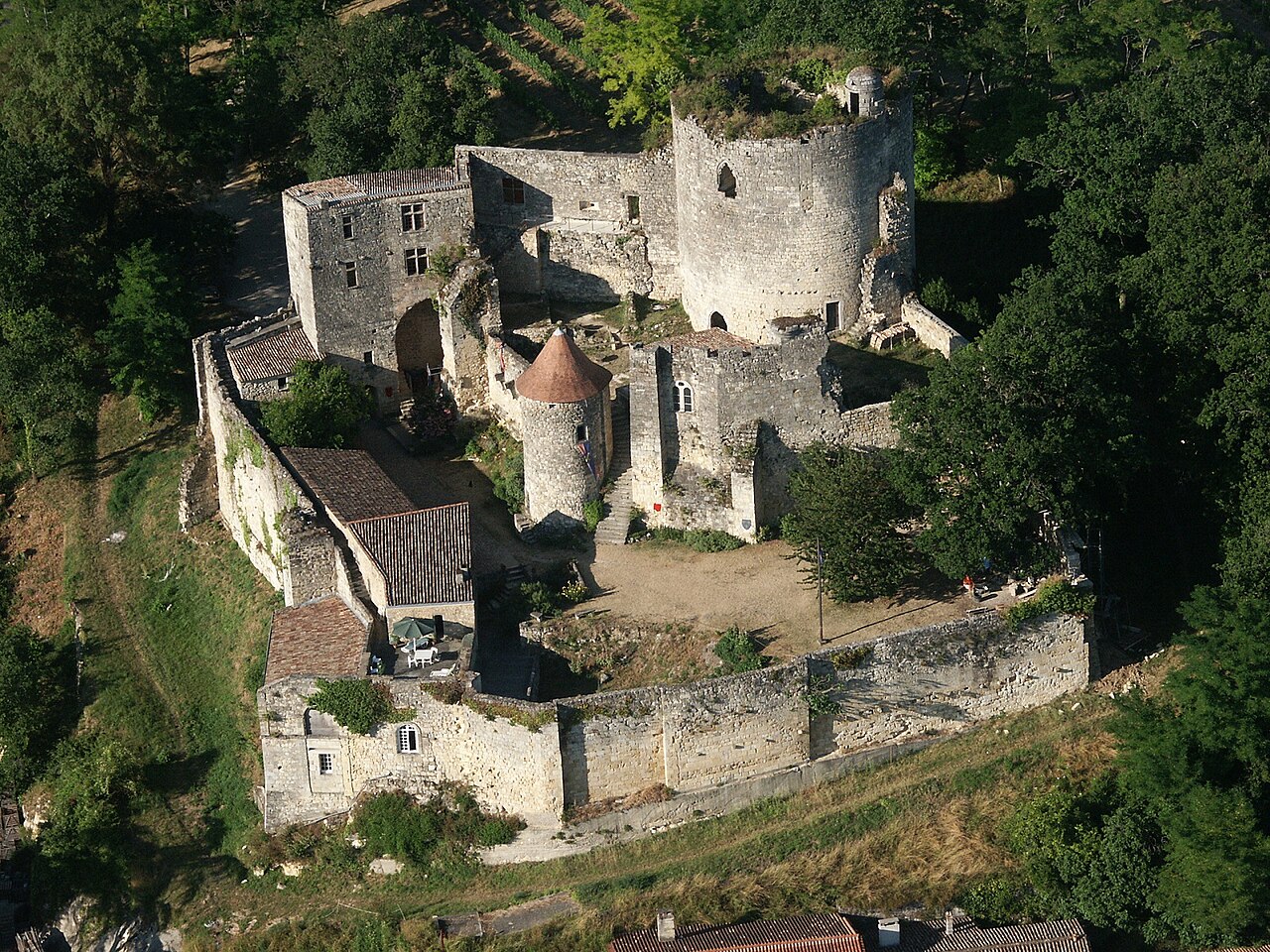
Château de Mongenan
The Château de Mongenan stands as a notable example of 18th-century neoclassical architecture in France. Located in the town of Portets within the Hauts-de-France region, this château was constructed beginning in 1736 under the guidance of the architect Le Herissey. Commissioned by Baron Antoine de Gascq, an influential intellectual and political figure of his era, the château was designed as a noble residence reflecting the ideals of the Enlightenment. Baron de Gascq was the founder of the Bordeaux Academy of Sciences and the first president of the Parliament of Guyenne, and his connections with prominent thinkers such as Jean-Jacques Rousseau and Carl Linnaeus influenced the estate's botanical and cultural significance.
Architectural design and construction
The château embodies the neoclassical style prevalent in the mid-18th century, characterized by symmetrical layouts and classical proportions. The building's volumes are carefully arranged to reflect the Enlightenment ideals of harmony and reason. The estate includes the main château building along with several outbuildings that have been preserved, maintaining much of the original character envisioned by Le Herissey. The château's interiors also feature a rare and well-preserved 18th-century Masonic temple, which was in use from 1750 to 1898. This temple retains its original furnishings and decorations, providing a unique glimpse into the French Freemasonry of the period.
Botanical garden: a living legacy of enlightenment horticulture
One of the château's most distinctive features is its botanical garden, established in 1741. The garden was inspired by the ideals expressed in Rousseau's novel Julie, or the New Heloise, aiming to blend ornamental beauty with scientific and practical uses of plants. It showcases a diverse collection of species valued for their medicinal, culinary, aromatic, and ornamental properties. The garden includes vegetable varieties cultivated in the 18th century, local fruit trees, and a broad range of flowers such as roses, asters, irises, and dahlias. Aromatic plants used in perfume production, including tuberoses and jasmines, are also featured, reflecting the period's interest in botany and sensory experience.
Historical significance of the garden
The botanical garden at Château de Mongenan is recognized for its historical authenticity and its role in preserving 18th-century horticultural traditions. It holds the Jardin Remarquable label awarded in 2004, which honors gardens of exceptional cultural and botanical value in France. The garden remains a living repository of the knowledge and aesthetic principles promoted during the Age of Enlightenment.
The château's masonic heritage
Between 1750 and 1898, the château housed a Masonic temple that served as a meeting place for local Freemasons. This temple is the only surviving 18th-century Masonic interior in France that still retains its original furnishings and decoration. Its preservation offers valuable insight into the symbolism, rituals, and social networks of Freemasonry during a period when secret societies influenced intellectual and political currents across Europe.
Historical figures associated with the château
The château was the birthplace of Claude Antoine de Valdec de Lessart, the natural son of Baron de Gascq. Lessart later became a minister during the reign of King Louis XVI, linking the estate to the political history of late 18th-century France. Baron de Gascq's intellectual circle, including Rousseau and Linnaeus, further enriches the château's historical context, connecting it to broader European scientific and philosophical developments.
Heritage recognition and current status
In 1986, the château and its grounds were officially designated a Monument historique by the French Ministry of Culture, recognizing their cultural and architectural importance. Further protections were extended in 2003 to the outbuildings, gardens, and rose garden, ensuring the preservation of the estate's comprehensive heritage. The château remains inhabited by descendants of the original family, who maintain its legacy while operating it as a museum focused on the era of Louis XVI and the early stages of the French Revolution.
The château's park and gardens today
The park and gardens of Château de Mongenan are classified among the most distinguished in France by the French Ministry of Culture’s Committee of Parks and Gardens. This classification highlights the estate's historical authenticity and the ongoing efforts to preserve the botanical heritage initiated by Baron de Gascq. Visitors to the château can experience the harmonious blend of neoclassical architecture and Enlightenment-era horticulture, along with the rare surviving Masonic temple interior, making it a unique destination for those interested in history, architecture, and botany.
Frequently asked questions (FAQ)
- What is Château de Mongenan known for?
- Château de Mongenan is renowned for its stunning example of 18th-century French architecture and its beautiful gardens. It holds significant historical value as a private residence and is a representation of the region's aristocratic heritage.
- When was Château de Mongenan built?
- Château de Mongenan was constructed in the 18th century, with its origins dating back to the 1750s. This period marked the height of French classicism, which is reflected in the castle’s elegant design and layout.
- What are the opening hours for Château de Mongenan?
- Château de Mongenan is typically open to visitors from April to October, with varying hours depending on the season. It is advisable to check the official website for specific opening times and any special events that may affect access.
- Can I visit Château de Mongenan year-round?
- Visiting Château de Mongenan is generally limited to the warmer months, from April to October. During the winter months, the castle may be closed for maintenance and restoration, so planning ahead is essential.
- Is it possible to tour the gardens at Château de Mongenan?
- Yes, the gardens of Château de Mongenan are open to visitors and are an integral part of the castle experience. Guests can enjoy the meticulously landscaped grounds, which feature a variety of plant species and historical designs.
- What are the ticket prices for visiting Château de Mongenan?
- Ticket prices for Château de Mongenan vary based on age and group size, with discounts available for children and seniors. It is recommended to purchase tickets in advance or check the official site for any special offers.
- How do I get to Château de Mongenan?
- Château de Mongenan is located in Portets, France, and is accessible by car and public transport. The nearest major city is Bordeaux, from where visitors can take a train or drive to the castle, enjoying the scenic countryside along the way.
- What is the best time to visit Château de Mongenan?
- The best time to visit Château de Mongenan is during the spring and early fall, when the weather is mild and the gardens are in full bloom. This allows for a more enjoyable walking tour of the grounds and a chance to appreciate the natural beauty surrounding the castle.
- Are there any nearby attractions to visit along with Château de Mongenan?
- Yes, there are several attractions near Château de Mongenan, including local vineyards and charming villages. Visitors can explore the wine routes of Bordeaux or enjoy a relaxing day in the picturesque landscapes of the surrounding area.
Information
Website
Visit websiteSources & official resources
Verify the information above using these authoritative references.
Loading map...
Visitor reviews
No reviews yet. Been here? Write the first review and help other travelers!
Write the first reviewVisited this castle? Share your experience
Your review helps other travelers and adds first-hand knowledge to our encyclopedia.