Château de Lordat
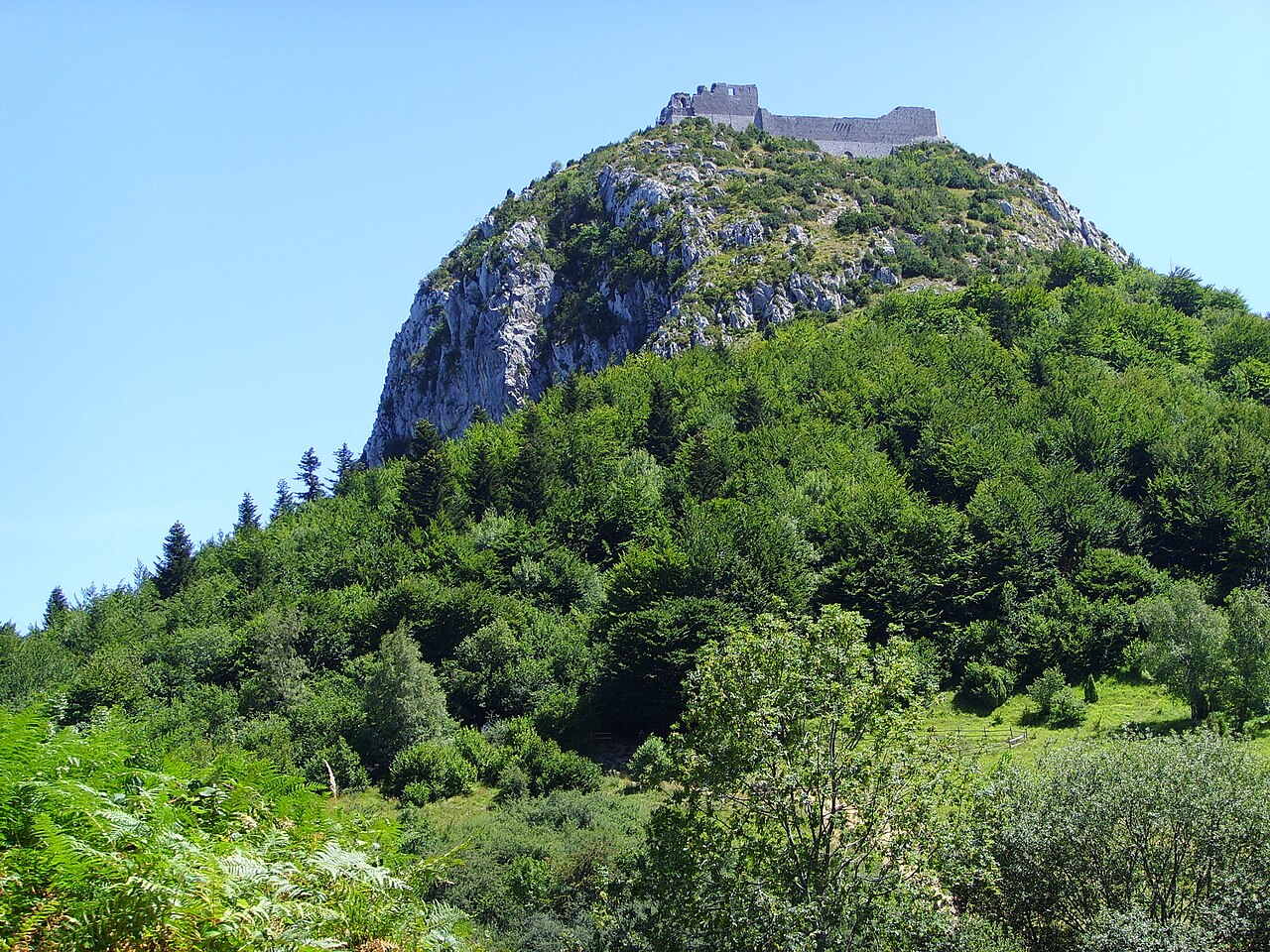
Château de Lordat is a remarkable example of early medieval military architecture located in the village of Lordat in modern-day France. Dating back to the 9th and 10th centuries, with its first recorded mention in 970 AD, this hill castle stands atop a limestone promontory at 965 meters elevation, overlooking the Sabarthès region. Its strategic position nearly 400 meters above the valley floor afforded commanding views and formidable defense, making it a key stronghold in the upper County of Foix.
The castle's origins lie in its role as a ministerium, an administrative center, before evolving into a fortified castrum during the 11th century. In 1034, it passed into the hands of Roger, the first Count of Foix, marking the beginning of its association with one of the most influential noble families in the region. Over the centuries, Château de Lordat played a significant role in the turbulent history of southern France, especially during the Albigensian Crusade in the mid-13th century. Around 1244, the fortress was occupied by the Cathars, a religious group persecuted as heretics by the Catholic Church. The castle's capture by the King of Aragon and subsequent partial destruction in the late 13th century reflect the intense conflicts of the period.
Historical significance and ownership
The Lordat family, closely allied with the Counts of Foix, maintained control of the castle through the medieval period until the upheavals of the French Wars of Religion in the late 16th century. During this era, the family abandoned the fortress, and in 1582, King Henry IV ordered its dismantling to prevent its use in ongoing conflicts. By the late 17th century, the castle had fallen into ruin and was repurposed as a prison for criminals and other undesirables, highlighting its decline from a noble residence to a site of incarceration. Despite this, the Lordat family retained ownership of the surrounding lands well into the 19th century, preserving a link to their ancestral seat.
Architectural features and layout
Château de Lordat's design is closely adapted to the natural contours of its limestone hill, covering approximately 5,500 square meters in an elliptical shape measuring about 100 by 65 meters. The fortress is enclosed by massive defensive walls, particularly prominent on the eastern side where remains of a substantial wall built from very large stone blocks survive. This wall is further protected by two concentric curtain walls, a defensive feature typical of medieval fortifications.
The first curtain wall stands three to four meters high and is notable for its opus spicatum or herringbone stonework pattern, an uncommon but effective masonry technique. This wall links two eastern towers and connects on the northern side to a second curtain wall that runs along a cliff face over fifty meters high, creating a natural defensive barrier. Both curtain walls incorporate gates within towers, designed with chicanes—zigzagging passageways intended to slow attackers and expose them to defensive fire.
Within the northern enclosure, visitors find the remains of a cistern for water storage and several residential buildings abutting the curtain walls. These dwellings feature openings with horseshoe arches, an architectural element influenced by Moorish design, indicating cultural interactions in the region during the medieval period.
The donjon and defensive towers
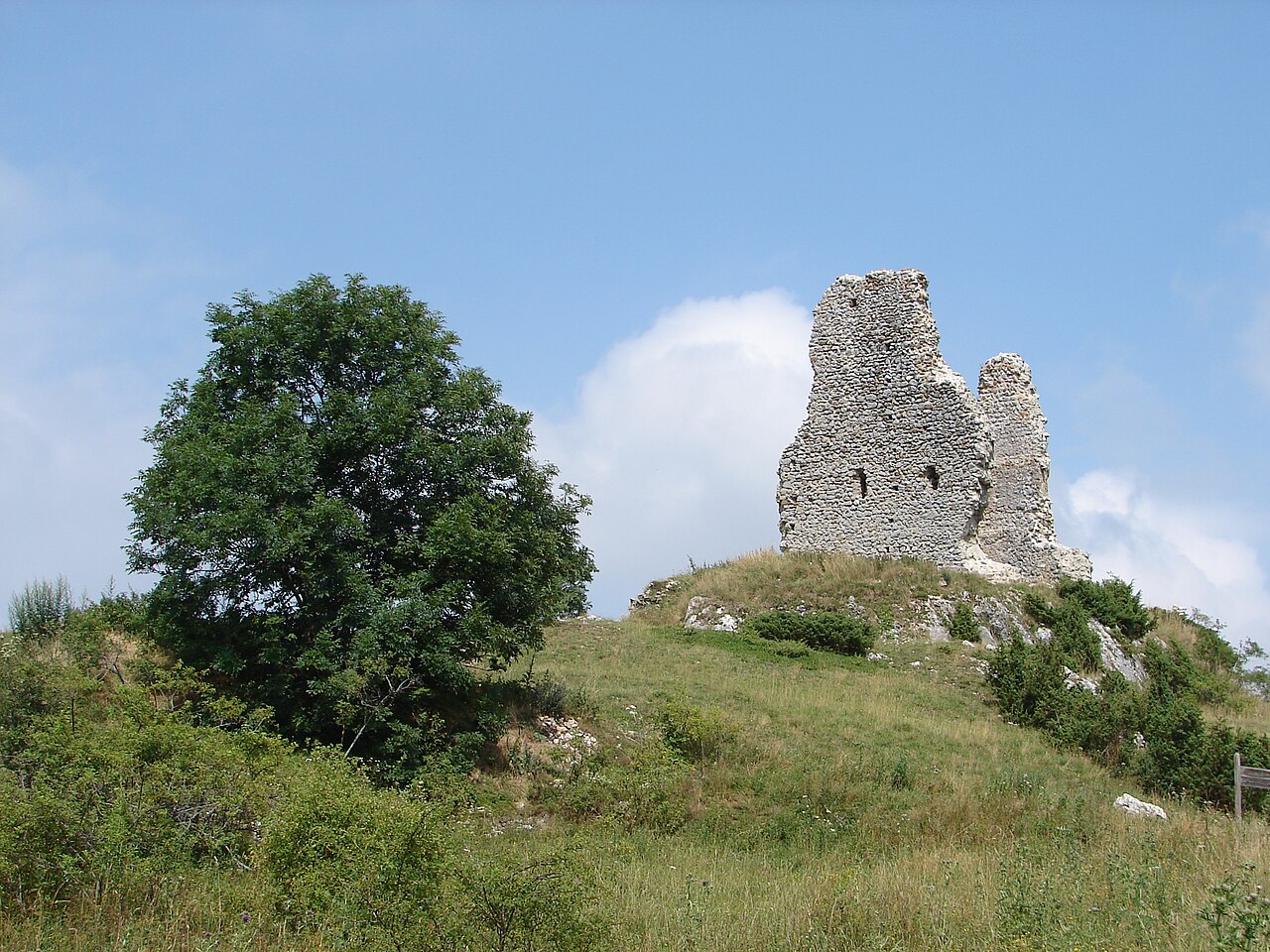
At the heart of the castle lie the ruins of four buildings adjacent to the main keep or donjon. This central tower rises four stories high and has walls thicker than any other part of the fortress, underscoring its role as the last line of defense and a symbol of feudal authority. The main entrance is guarded by a square tower that remarkably retains much of its original form despite centuries of decay and dismantling, offering a direct link to the castle's medieval past.
Decline, preservation, and modern significance
Following its dismantling by royal order in 1582, Château de Lordat gradually fell into ruin. By the 17th century, it was described as deserted and dilapidated, with its function reduced to a prison. However, the castle's historical and architectural value was recognized in the 20th century when it was designated a historic monument in 1923. Since the late 1990s, concerted efforts have been made to stabilize and protect the remaining structures, ensuring the preservation of this important medieval heritage site.
Today, Château de Lordat stands as a testament to the complex history of the region, reflecting the military, religious, and political conflicts that shaped southern France. Its ruins offer valuable insights into early medieval fortification techniques, the influence of the Counts of Foix, and the legacy of the Cathar presence during the Albigensian Crusade. The castle's dramatic hilltop location and the surviving architectural elements continue to attract historians, architects, and visitors interested in medieval history and castle architecture.
Visitor experience and cultural impact
Visitors to Château de Lordat can explore the extensive remains of the fortress, including its imposing defensive walls, towers, and the donjon. The site provides panoramic views of the Sabarthès valley and surrounding Pyrenean landscape, enhancing its appeal as both a historical monument and a scenic destination. Interpretive signage and preservation efforts help convey the castle's story, from its early medieval origins through its role in religious conflicts and eventual decline.
The castle's cultural significance extends beyond its physical remains, symbolizing the resilience of regional identity and the enduring fascination with medieval fortifications. It remains an important subject of study for those interested in feudal history, military architecture, and the complex interplay of religious and political forces in medieval France.
Frequently asked questions (FAQ)
- When was Château de Lordat built?
- Château de Lordat was constructed in the 9th and 10th centuries, with the first recorded mention in 970 AD.
- What historical events is Château de Lordat known for?
- The castle is notable for its role during the Albigensian Crusade when it was occupied by Cathars around 1244 and later partially destroyed by the King of Aragon.
- What remains can visitors see at Château de Lordat?
- Visitors can explore the ruins of the castle's defensive walls, curtain walls with opus spicatum masonry, the donjon, square entrance tower, cistern, and residential buildings with horseshoe arches.
- Why was Château de Lordat dismantled?
- King Henry IV ordered the castle's dismantling in 1582 to prevent its use during the French Wars of Religion, leading to its gradual ruin.
- Is Château de Lordat accessible to visitors today?
- The castle is accessible as a historic ruin, offering panoramic views and educational signage, though visitor facilities and opening hours may vary.
Information
Website
Visit websiteSources & official resources
Verify the information above using these authoritative references.
Loading map...
Visitor reviews
No reviews yet. Been here? Write the first review and help other travelers!
Write the first reviewVisited this castle? Share your experience
Your review helps other travelers and adds first-hand knowledge to our encyclopedia.