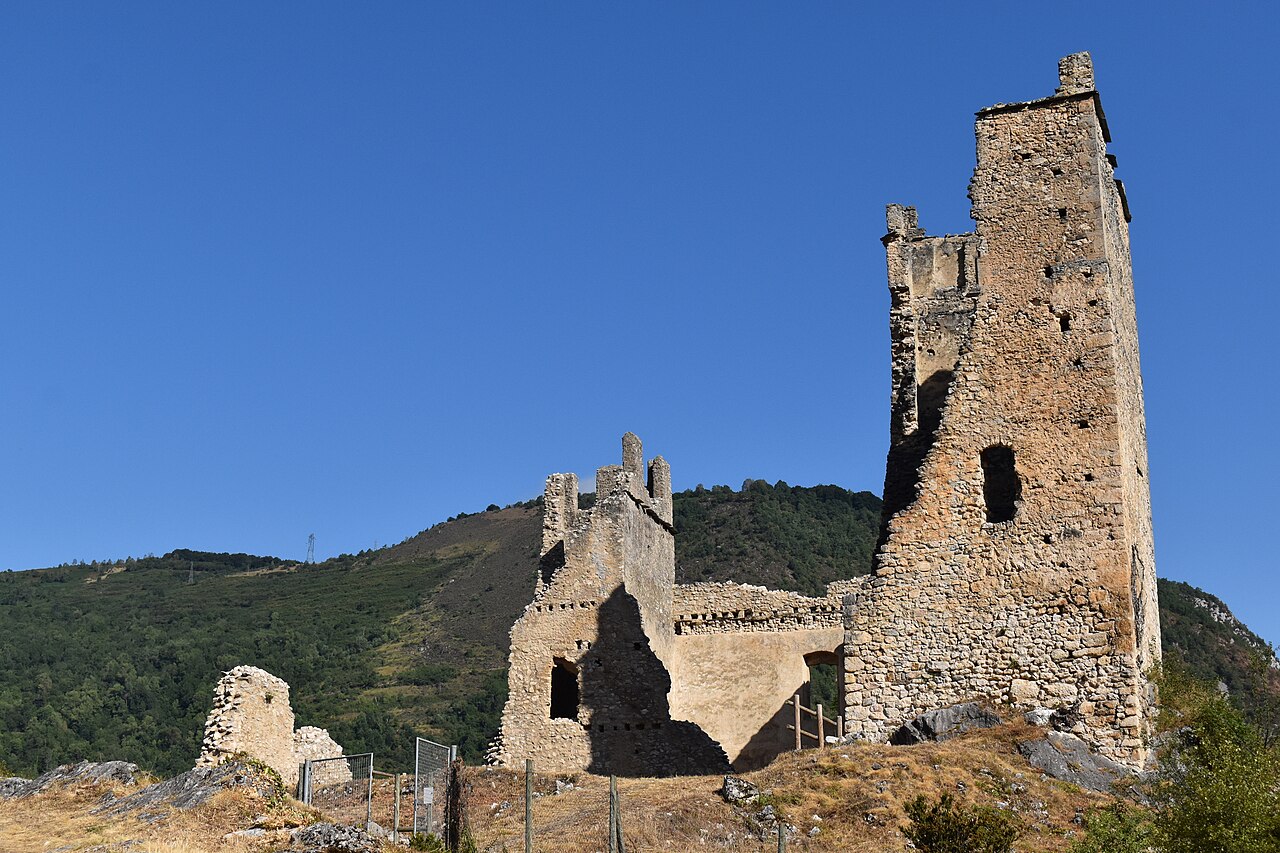
Castle of Gudanes
The Castle of Gudanes, located in Chateau-Verdun, France, is a remarkable example of 18th-century neoclassical architecture built on the historical site of a much older fortress destroyed in 1580. This post-Renaissance castle represents the transition in French aristocratic residential architecture from fortified medieval castles to elegant, stately homes emphasizing symmetry, classical proportions, and refined decorative elements.
The original medieval castle that once stood on this site was destroyed during the religious conflicts of the late 16th century, specifically in 1580. The current structure was commissioned and constructed in the 18th century, embodying the neoclassical style that was prominent in France during this period. This style is characterized by its use of classical Greek and Roman motifs, balanced facades, and restrained ornamentation, distinguishing it from the more ornate baroque and rococo styles that preceded it.
Architectural features and design
The Castle of Gudanes is noted for its harmonious proportions and elegant design, typical of neoclassical chateaus. The building features a symmetrical layout with a central main block flanked by wings, creating a balanced and imposing facade. The use of classical columns, pilasters, and pediments adorn the exterior, lending the castle a dignified and timeless appearance.
The interiors, although partially ruined before restoration efforts began, originally included grand reception halls, ornate staircases, and richly decorated salons. These spaces were designed to reflect the wealth and status of the owners while showcasing the refined tastes of the Enlightenment era. Large windows and high ceilings allowed for ample natural light, enhancing the sense of openness and grandeur.
Historical context and significance
The site of the Castle of Gudanes has a long history dating back to the medieval period. The destruction of the original castle in 1580 occurred during a tumultuous period in French history marked by religious wars between Catholics and Protestants. The subsequent construction of the neoclassical chateau in the 18th century reflects the relative peace and stability of the Ancien Régime, as well as the shift in aristocratic priorities from military defense to comfort and display.
Throughout its history, the castle has been associated with notable French noble families, who contributed to its development and maintenance. Its designation as a monument historique in 1994 recognizes its architectural and cultural importance as a heritage site that embodies the elegance and social history of the French Enlightenment period.
Decline and restoration efforts
Despite its historical significance, the Castle of Gudanes fell into disrepair and ruin in the late 20th century due to neglect and changing ownership. The deterioration threatened the survival of this architectural gem, with many of its interiors and structural elements suffering damage from weather and time.
In 2013, the castle was purchased by new owners committed to its restoration. The ongoing restoration project aims to carefully preserve and revive the castle’s original neoclassical features while adapting it for modern use. This work includes structural stabilization, reconstruction of damaged architectural details, and refurbishment of the interiors to reflect their historical character.
The restoration of the Castle of Gudanes is not only a significant architectural conservation effort but also a cultural revival that brings renewed attention to this historic site. It serves as an example of how heritage properties can be saved from ruin and given new life, contributing to local tourism and education about France’s rich architectural history.
Location and visitor information
Situated in the region of Chateau-Verdun, the castle is accessible to visitors interested in French history, architecture, and restoration projects. While the castle is currently under restoration and not fully open to the public, it attracts enthusiasts and scholars who follow its progress and appreciate its historical significance.
The castle’s location within the scenic French countryside adds to its appeal, offering visitors a glimpse into the aristocratic lifestyle of the 18th century amidst a tranquil natural setting. Future plans for the castle include opening parts of the property for guided tours and cultural events once restoration is complete.
Architectural legacy and cultural importance
The Castle of Gudanes stands as a testament to the neoclassical architectural movement in France and the evolution of aristocratic residences from fortified castles to elegant chateaus. Its survival and restoration underscore the importance of preserving architectural heritage as a means of understanding social history and artistic trends.
As a designated monument historique, the castle is protected under French heritage laws, ensuring that its architectural integrity and historical value are maintained for future generations. The ongoing restoration not only revives the physical structure but also reaffirms the castle’s role as a cultural landmark within the region.
The Castle of Gudanes thus embodies the rich tapestry of French history, architecture, and cultural identity, making it a significant site for both scholarly study and public appreciation.
Frequently asked questions (FAQ)
- When was the Castle of Gudanes originally built?
- The current Castle of Gudanes was constructed in the 18th century on the site of an older medieval castle destroyed in 1580.
- What architectural style characterizes the Castle of Gudanes?
- The castle is a prime example of 18th-century neoclassical architecture, featuring symmetrical design and classical Greek and Roman motifs.
- Is the Castle of Gudanes open to visitors?
- The castle is currently undergoing restoration and is not fully open to the public, but it attracts interest from architecture enthusiasts and historians.
- Why is the Castle of Gudanes historically significant?
- It represents the transition from medieval fortified castles to elegant aristocratic residences in the post-Renaissance period and is a designated monument historique.
- What is the current condition of the Castle of Gudanes?
- The castle fell into ruin in the late 20th century but is now partially restored thanks to ongoing conservation efforts.
Information
Website
Visit websiteSources & official resources
Verify the information above using these authoritative references.
Loading map...
Visitor reviews
No reviews yet. Been here? Write the first review and help other travelers!
Write the first reviewVisited this castle? Share your experience
Your review helps other travelers and adds first-hand knowledge to our encyclopedia.