Château de l'Oiselinière
The Château de l'Oiselinière is a historic estate located in Gorges, France, notable for its long-standing heritage that dates back to the late medieval period. Originally mentioned in 1335 within the charter known as 'Les Actes', the estate functioned as a seigniory under the feudal system, spanning the districts of Gorges and Clisson. It was subordinate to the Seigneurs of Clisson and Pallet, reflecting the complex feudal hierarchies of the time.
Historical ownership and feudal ties
The estate's ownership changed hands only four times over a span of more than six centuries, demonstrating a remarkable continuity in lineage. The first recorded owner was Maurice le Meigen. By 1460, ownership passed to Claude Grézeau, a descendant who took control through allegiance, reflecting the feudal bonds that governed landholding. In 1613, the Grézeau family sold the seigniory to Jean Goulet de la Fosse de Nantes, marking a shift in stewardship. Later, in 1658, the property was acquired by Louis de la Bourdonnaye, indicating the estate's continued prominence among local nobility. The final family to own the estate before the modern era was the Aulanier family, who purchased it in 1767 and played a significant role during the Second World War, when the château became a center of resistance activity.
Architectural evolution and features
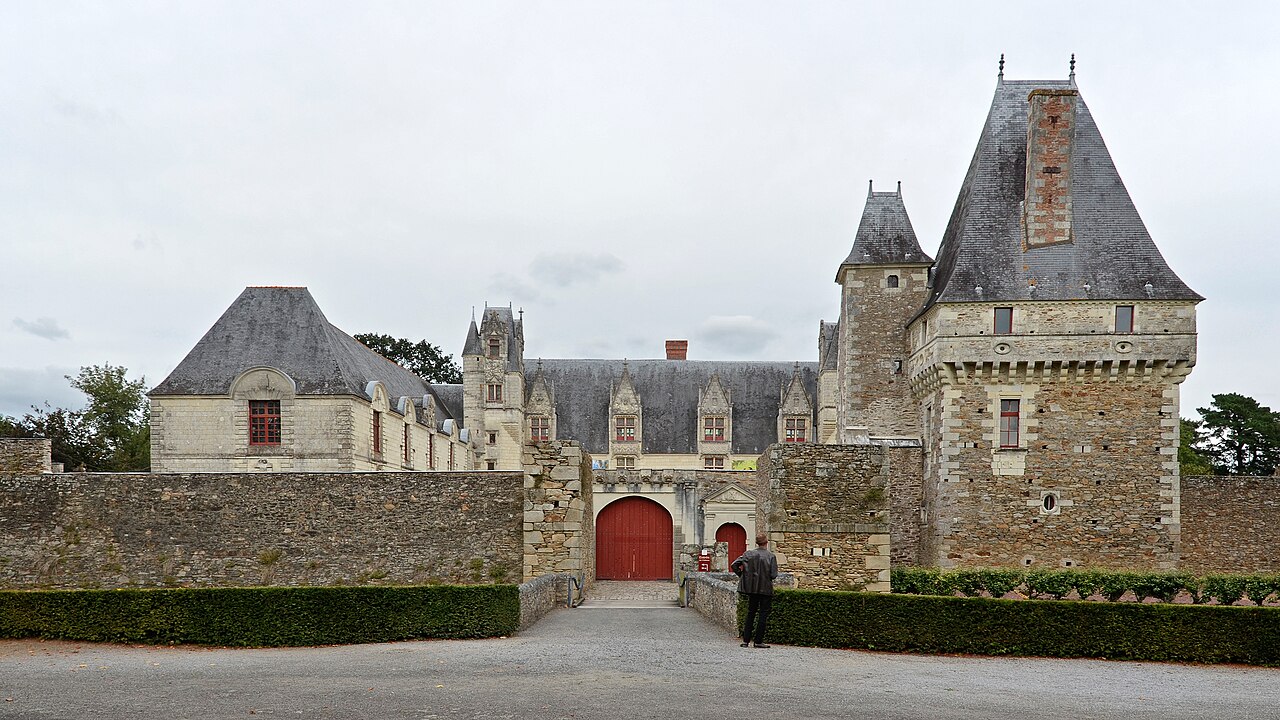
The current château is a villa built in Italian style between 1822 and 1835, designed to enclose a square courtyard that dates from the 17th century. This architectural transformation reflects the 19th-century taste for Italianate design, characterized by symmetry, classical proportions, and decorative elements that evoke Renaissance villas. The villa, along with its outbuildings, orangery, and the gallery of 'Les Illustres', has been recognized for its cultural and historic value, being included in the inventory of historical monuments since 1997. The estate is also cited as a reference in the inventory titled 'Clisson or return to Italy,' underscoring its architectural significance and Italian influence.
Gallery of 'Les Illustres'
One of the most striking features of the château is the gallery known as 'Les Illustres,' which stands to the west of the villa near the orangery. This architectural ensemble is distinguished by its six niches on the main facade, constructed from circular brick and adorned with busts of famous historical figures. The busts represent prominent personalities such as Olivier de Clisson, Conde, Duquesne, Jean Bart, and Bayard Duguesclin, all of whom have significant historical and military importance in French history. This gallery not only serves as a decorative element but also as a tribute to notable figures, linking the château to broader historical narratives.
Role during the Second World War
The château's history extends beyond its architectural and feudal past into the 20th century, where it gained prominence as a hotbed of resistance during the Second World War. The Aulanier family, then owners of the estate, contributed significantly to the French Resistance efforts against the occupying forces. This aspect of the château's history adds a layer of modern historical importance, connecting it to the broader story of France's struggle during the war.
Preservation and cultural significance
Today, the Château de l'Oiselinière stands as a well-preserved example of a late medieval estate that has undergone significant architectural transformation while retaining its historical roots. Its inclusion in the inventory of historical monuments ensures ongoing protection and recognition of its cultural heritage. The villa, outbuildings, orangery, and gallery collectively offer insight into the architectural trends of the 19th century as well as the estate's feudal and wartime history.
Visitors to the château can appreciate the blend of Italianate architectural style with the historical legacy of the seigniory system. The busts in the gallery provide a tangible connection to France's military and noble past, while the estate's role in the resistance adds a poignant chapter to its story. The château thus serves as a multifaceted historical site, reflecting centuries of regional history, architectural evolution, and national significance.
Frequently asked questions (FAQ)
- How do I get to Château de l'Oiselinière?
- Château de l'Oiselinière is located in Gorges, France, easily accessible by car and public transport. If you're driving, the castle is situated just off the main road, and there is parking available on-site. For those using public transport, the nearest train station is a short bus ride away.
- What is the historical significance of Château de l'Oiselinière?
- Château de l'Oiselinière dates back to the 17th century and is a prime example of French Renaissance architecture. It has played an important role in local history, serving as a noble residence and a site for various historical events. The castle is also renowned for its beautifully landscaped gardens, which reflect the era's design principles.
- When was Château de l'Oiselinière built?
- Construction of Château de l'Oiselinière began in the early 1600s and was completed in the mid-17th century. The castle was commissioned by a prominent local family and has been well-preserved over the centuries, allowing visitors to experience its rich history firsthand.
- Can I take guided tours of the château?
- Yes, guided tours are available at Château de l'Oiselinière, offering visitors insights into its history and architecture. Tours are conducted in multiple languages and typically last about an hour. Be sure to check the schedule in advance, as times may vary throughout the year.
- Why is the architecture of Château de l'Oiselinière noteworthy?
- The architecture of Château de l'Oiselinière is noteworthy for its elegant Renaissance style, characterized by symmetrical designs and intricate stonework. The castle's façade features beautiful windows and a distinctive roofline, making it a visual delight. Additionally, the interior boasts original furnishings and decorative elements that transport visitors back to its historical grandeur.
- Is it possible to host events at the château?
- Yes, Château de l'Oiselinière is available for private events, including weddings and corporate gatherings. The castle's stunning backdrop and beautiful gardens provide a unique setting for any occasion. It is recommended to contact the château's management for details on availability and event packages.
- What are the opening hours for Château de l'Oiselinière?
- Château de l'Oiselinière is open to visitors from Tuesday to Sunday, with specific opening hours varying by season. Typically, the castle opens at 10 AM and closes at 6 PM, but it's best to verify ahead of your visit to ensure you have the latest information. Special hours may apply during holidays or events.
- What are the ticket prices for visiting the château?
- Ticket prices for Château de l'Oiselinière vary depending on age and group size, with discounts often available for students and seniors. As of the latest updates, general admission is around €10, while children under 12 can enter for free. It's advisable to check the official website for current pricing and any promotional offers.
- When is the best time to visit Château de l'Oiselinière?
- The best time to visit Château de l'Oiselinière is during the spring and early autumn when the weather is mild and the gardens are in full bloom. These seasons also see fewer crowds compared to the summer months. If you wish to enjoy a more peaceful experience, visiting on weekdays is recommended.
- Are there any nearby attractions to explore after visiting the château?
- Yes, there are several nearby attractions to explore after your visit to Château de l'Oiselinière. The picturesque town of Gorges offers charming streets and local shops, while the nearby Loire Valley is famous for its stunning vineyards and other historic châteaux. Don't miss the opportunity to experience the rich culture and history of the region.
Information
Website
Visit websiteSources & official resources
Verify the information above using these authoritative references.
Loading map...
Visitor reviews
No reviews yet. Been here? Write the first review and help other travelers!
Write the first reviewVisited this castle? Share your experience
Your review helps other travelers and adds first-hand knowledge to our encyclopedia.