Château de Lastours
The Château de Lastours, known in Limousin as Chasteu de Las Tors, is a notable ruined castle located in the commune of Rilhac-Lastours within the Haute-Vienne département of France. This castle is a significant relic from the high medieval period, with its construction beginning in the 12th century. It served as the seat of the seigneurs and later the barons of Lastours, marking it as an important feudal stronghold in the region.
Historical background and significance
The Château de Lastours was established during a time of heightened castle-building activity in medieval France, reflecting the need for fortified residences for local lords. Over the centuries, it witnessed the evolution of feudal power structures and the architectural adaptations made to maintain defensive capabilities. Although it fell into ruin, the castle remains a key symbol of the Limousin region's medieval heritage.
Architectural features and layout
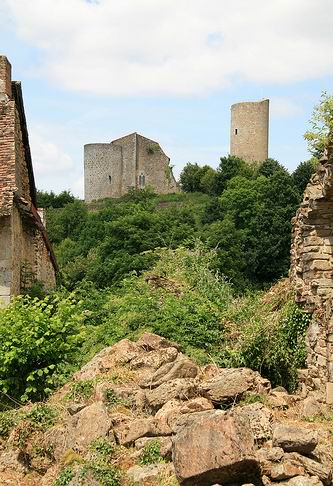
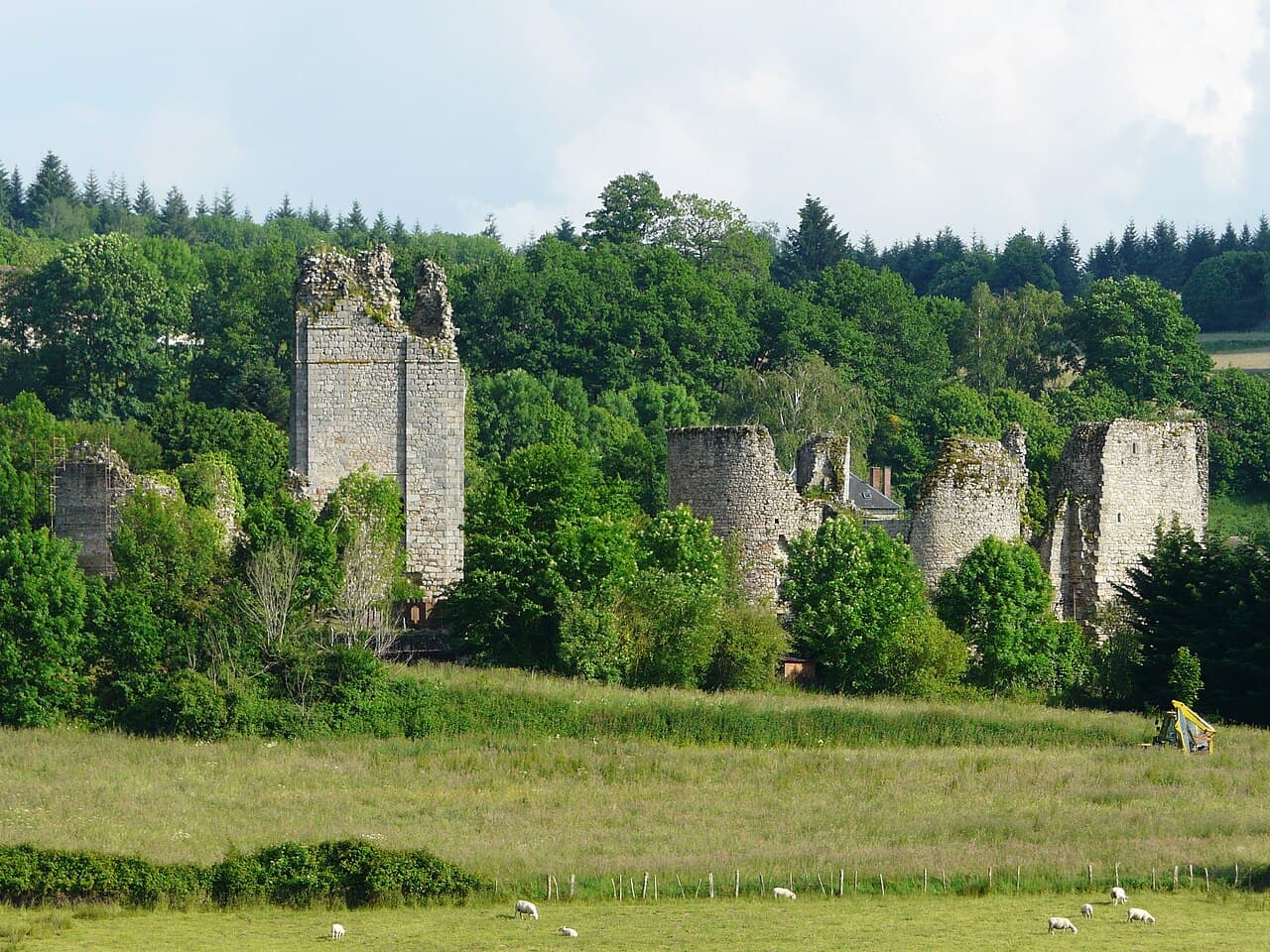
Today, the castle is preserved as archaeological ruins, with several corner towers still standing, which would have formed part of the castle’s defensive perimeter. The base of the keep remains visible, notable for having undergone alterations in the 16th century, indicating attempts to adapt the fortress to changing military technologies and residential needs during the Renaissance period. The keep would have been the castle’s central stronghold, serving both as a last line of defense and as the lord’s residence.
Defensive elements
The surviving towers suggest a design focused on overlapping fields of fire and strong defensive coverage. The castle’s position in the landscape would have been strategically chosen to oversee and control surrounding lands. While much of the curtain wall and other structures have not survived intact, the existing ruins provide insight into the castle’s original scale and fortification style.
Restoration and preservation efforts
Since the mid-20th century, a dedicated voluntary association has undertaken restoration work to stabilize and preserve the ruins. These efforts have been ongoing for several decades, highlighting a community commitment to maintaining the castle as a cultural and historical landmark. The restoration has focused on preventing further decay while allowing visitors to appreciate the castle’s medieval architecture and historical context.
Heritage status and public access
The Château de Lastours has been officially listed as a monument historique by the French Ministry of Culture since 1956. This designation recognizes the castle’s cultural and historical importance and ensures legal protection for its conservation. The site is accessible to the public, offering an opportunity to explore the ruins and learn about the medieval history of the Limousin region.
Visitor experience
Visitors to Château de Lastours can explore the remains of the towers and keep base, gaining insight into medieval defensive architecture. Informational signage and guided tours may be available through local heritage groups, providing context about the castle’s history, architecture, and the families who once ruled from this stronghold.
Frequently asked questions (FAQ)
- How do I get to Château de Lastours?
- Château de Lastours is located in Rilhac-Lastours, France, and can be accessed by car or public transportation. If you are driving, the castle is approximately 15 kilometers from Limoges. Public transport options may include regional buses that connect to the nearby towns.
- What is the historical significance of Château de Lastours?
- Château de Lastours dates back to the medieval period and played a strategic role in the region's defense. It showcases the architectural evolution from a fortress to a residence, reflecting the history of the area through its various renovations. The castle is a testament to the feudal system and the power dynamics of its time.
- When was Château de Lastours built?
- The origins of Château de Lastours can be traced back to the 12th century, with significant construction phases occurring throughout the Middle Ages. The castle underwent numerous modifications over the centuries, adapting to the needs and styles of different eras. Its preservation allows visitors to glimpse the architectural styles of medieval France.
- Can I take a guided tour of Château de Lastours?
- Yes, guided tours are available at Château de Lastours, providing visitors with in-depth insights into its history and architecture. These tours are conducted by knowledgeable guides who can share interesting anecdotes and facts about the castle. It is advisable to check the official website for tour schedules and availability.
- Why is Château de Lastours a popular tourist attraction?
- Château de Lastours attracts visitors due to its stunning architecture and rich history. The scenic views from the castle and its picturesque surroundings also enhance its appeal. Additionally, the castle hosts various cultural events and exhibitions that draw history enthusiasts and tourists alike.
- Is it possible to visit Château de Lastours year-round?
- Château de Lastours has specific opening hours that may vary by season, so it is essential to check ahead before planning your visit. Typically, the castle is open from spring to fall, with limited hours in winter. Always confirm the current visiting hours on the official website or contact the site directly.
- What are the ticket prices for visiting Château de Lastours?
- Ticket prices for Château de Lastours vary depending on age and group size, with discounts often available for children, students, and seniors. A typical adult ticket is reasonably priced, making it accessible for most visitors. Group rates can provide additional savings for larger parties.
- What is the best time to visit Château de Lastours?
- The best time to visit Château de Lastours is during the spring and early autumn when the weather is mild, and the surroundings are particularly beautiful. These seasons often coincide with various cultural events hosted at the castle, enhancing the overall experience. Summer can be busy, so plan accordingly if you prefer a quieter visit.
- Are there any nearby attractions to explore after visiting Château de Lastours?
- Yes, there are several nearby attractions, including the charming village of Rilhac-Lastours and other historical sites in the Limousin region. Nature lovers can enjoy hiking trails and scenic views in the surrounding countryside. Additionally, the city of Limoges, known for its porcelain and rich history, is just a short drive away.
Photo gallery

Information
Current owner
Voluntary association
Loading map...
Visitor reviews
No reviews yet. Been here? Write the first review and help other travelers!
Write the first reviewVisited this castle? Share your experience
Your review helps other travelers and adds first-hand knowledge to our encyclopedia.