Château de la Roche-Maurice Ruins

Château de la Roche-Maurice ruins
Roche-Maurice, France
High Medieval (11th–13th c.)
Ruins

Château de la Roche-Maurice stands as a significant historical monument in the region of Bretagne, France. Although now in ruins, this hill castle reflects the medieval fortification practices and feudal history of northwestern France. The castle's origins are enveloped in local legend, which attributes the founding of an original fortress to lord Élorn in the 5th century. However, archaeological and historical evidence confirms that the first substantial castle structure was constructed in the 11th century, marking it as a product of the high medieval period.

Historical background and legend

The legend of lord Élorn suggests a much earlier fortification on the site, possibly a wooden stronghold or motte, typical of early medieval defensive architecture. However, the stone castle known as Château de la Roche-Maurice was established in the 11th century, coinciding with the widespread development of stone castles throughout Brittany and France. This period was characterized by the rise of feudal lords who constructed castles to assert control over their territories and defend against rival nobles and external threats.

Throughout its history, the castle played a strategic role due to its elevated position on a rocky outcrop, overseeing the surrounding landscape and controlling access routes. The castle's name, "Roche-Maurice," reflects its rocky location, which provided natural defenses and influenced its architectural design.

Architecture and layout

The Château de la Roche-Maurice was designed as a typical hill castle, utilizing the natural topography for defense. The castle's construction in the 11th century would have included a keep (donjon) as the central fortified tower, surrounded by curtain walls and defensive structures such as towers and gatehouses. The rocky terrain likely dictated an irregular layout, adapting to the contours of the site.

While detailed architectural plans are scarce due to the castle's ruined state, remnants suggest a complex with multiple defensive layers. The castle would have included a courtyard for daily activities, residential quarters for the lord and garrison, and storage facilities. Defensive features such as battlements and arrow slits would have been integrated to repel attackers.

Demolition and decline

The castle's decline culminated in its demolition by royal order in 1490. This action was part of a broader effort by the French crown to consolidate power and reduce the influence of rebellious or overly independent feudal lords. The destruction of fortresses like Château de la Roche-Maurice was a strategic move to prevent their use as bases for opposition against royal authority.

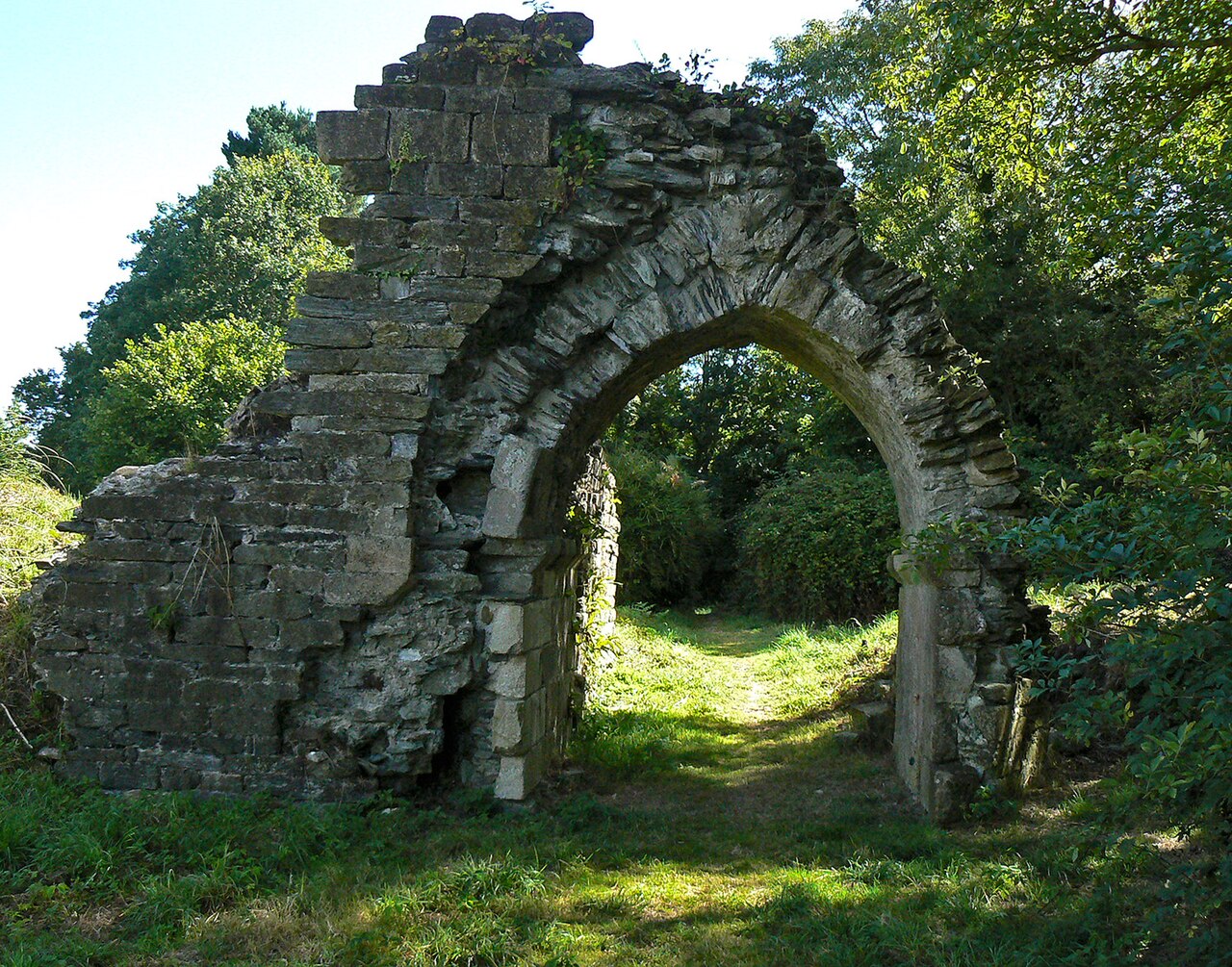
Following its demolition, the castle fell into ruin, with only fragments of walls and foundations remaining today. These ruins serve as a testament to the castle's historical significance and the turbulent medieval period in Brittany.

Current condition and cultural significance

Today, the ruins of Château de la Roche-Maurice are recognized as an important cultural and historical site. The ruins offer valuable insights into medieval military architecture and the feudal history of the region. Visitors can explore the remains, which evoke the castle's former strategic prominence and architectural characteristics.

The site is accessible to the public, allowing heritage enthusiasts and historians to appreciate the castle's legacy within the broader context of Brittany's medieval castles. Preservation efforts focus on maintaining the ruins and preventing further deterioration, ensuring that this emblematic hill castle continues to tell its story to future generations.

Visiting Château de la Roche-Maurice

Visitors to the site can enjoy panoramic views of the surrounding countryside, which highlight the castle's strategic location. The ruins provide a tangible connection to the high medieval period and the complex history of feudal Brittany. While the castle is in ruins, interpretive signage and local guides help contextualize the site's historical and architectural importance.

Exploration of the site requires some physical effort due to the uneven terrain typical of hill castles. Visitors are advised to wear suitable footwear and prepare for a modest hike to fully experience the castle's elevated position.

Frequently asked questions (FAQ)

How do I get to Château de la Roche-Maurice Ruins?
The Château de la Roche-Maurice Ruins are located in Roche-Maurice, France, and can be accessed by car or public transport. The nearest major city is Brest, from where you can take a bus or drive approximately 30 minutes to reach the site.
What is the historical significance of Château de la Roche-Maurice?
Château de la Roche-Maurice is a significant medieval castle that dates back to the 14th century. It played a crucial role in the region's defense during various conflicts and showcases the architectural styles of its time.
When was Château de la Roche-Maurice built?
Construction of the Château de la Roche-Maurice began in the early 14th century, and it was completed later in the same century. The castle has seen numerous renovations and restorations throughout its history, reflecting its importance in the area.
Can I visit Château de la Roche-Maurice year-round?
Yes, Château de la Roche-Maurice is open to visitors year-round, but it's advisable to check for any seasonal events or renovations before planning your visit. The site may have limited access during winter months, so it's best to confirm in advance.
Why is the architecture of Château de la Roche-Maurice noteworthy?
The architecture of Château de la Roche-Maurice is noteworthy for its blend of defensive structures and residential features typical of medieval castles. The ruins provide insight into the building techniques of the time, including its imposing towers and fortified walls.
Is it possible to take guided tours of Château de la Roche-Maurice?
Yes, guided tours are available at Château de la Roche-Maurice, providing visitors with in-depth knowledge about the castle's history and architecture. These tours are often led by knowledgeable guides who can enhance your understanding of the site.
What are the opening hours for Château de la Roche-Maurice?
Château de la Roche-Maurice typically opens from 10 AM to 6 PM during the tourist season, but hours may vary off-season. It's recommended to check the official website or local tourism information for the most current opening hours before your visit.
What are the ticket prices for Château de la Roche-Maurice?
Entry to Château de la Roche-Maurice is usually free, although some guided tours or special events may have a fee. It's best to verify any costs associated with tours or additional activities before your visit.
What is the best time to visit Château de la Roche-Maurice?
The best time to visit Château de la Roche-Maurice is during the spring and early autumn when the weather is mild, and the surrounding landscape is vibrant. Visiting during these seasons also allows you to avoid the crowds typically seen in the summer months.
Are there nearby attractions to visit along with Château de la Roche-Maurice?
Yes, there are several nearby attractions, including the picturesque town of Landerneau and the scenic landscapes of the Armorique Regional Natural Park. Exploring these areas can enhance your visit and provide a deeper appreciation of the region's history and natural beauty.

Information

Hill Castle

Sources & official resources

Verify the information above using these authoritative references.

Loading map...

Visitor reviews

No reviews yet. Been here? Write the first review and help other travelers!

Write the first review

Visited this castle? Share your experience

Your review helps other travelers and adds first-hand knowledge to our encyclopedia.
Write a review

(5/5)

0/2000 characters

Your review will be visible after admin approval

Nearby castles

9.8 km
Château de Joyeuse Garde — France castle

Château de Joyeuse Garde

La Forest-Landerneau, France

Château de Joyeuse Garde is a historically significant castle site located in La Forest-Landerneau, Brittany, France. This castle is famously associated with the Arthurian legend as the reputed location of Joyeuse Garde, the legendary fortress of Sir Lancelot. The current ruins primarily date from the 12th century, reflecting the high medieval period of castle construction, although archaeological evidence suggests the site was first fortified in the 6th century AD. The castle's remains stand as a testament to the region's medieval heritage and its deep connections to medieval romance literature. The name Joyeuse Garde itself evokes the chivalric ideals and mythical narratives that shaped much of European cultural history during the Middle Ages. The site was officially recognized for its cultural value and protected as a monument historique by the French government on 6 October 1975. Historical background and legendary associations The earliest fortifications at the site of Château de Joyeuse Garde are believed to have been established in the early medieval period, around the 6th century AD. This early date aligns with the era of the post-Roman kingdoms in Brittany, a time when local rulers built defensive structures to protect their territories. However, the visible ruins today mainly reflect the 12th-century castle that was constructed during the high medieval period. The castle is most famously linked to the Arthurian legend, specifically the fortress known as Joyous Gard, which was the home of the knight Sir Lancelot. This association has made the site a subject of literary and cultural interest beyond its architectural and historical importance. The connection between the real castle ruins and the legendary Joyous Gard is a matter of tradition and folklore rather than documented historical fact, but it has inspired numerous works of art and poetry. Architectural features and castle layout As an archaeological ruin, Château de Joyeuse Garde offers insight into medieval defensive architecture, although much of the original structure has been lost to time. The castle was likely a hill castle or a fortified stronghold typical of the 12th century, with defensive walls, towers, and possibly a keep or donjon at its core. The layout would have included a courtyard, battlements, and other fortifications designed to withstand siege warfare common in the medieval era. Excavations at the site have revealed foundations and remnants of walls constructed from local stone, characteristic of the region's medieval building practices. The castle's strategic location would have provided commanding views over the surrounding landscape, important for early warning and defense. Literary and cultural significance The Château de Joyeuse Garde has been immortalized in literature, most notably in the 1859 poem "Joyeuse Garde" by Algernon Charles Swinburne. This work draws on the romantic and chivalric themes associated with the Arthurian legends and helped to popularize the castle's mythical status in Victorian England and beyond. The castle's legendary status continues to attract visitors interested in medieval history, Arthurian myths, and French cultural heritage. Its ruins serve as a tangible link to the stories that have shaped European literature and imagination for centuries. Preservation and current condition Today, Château de Joyeuse Garde remains in a state of ruins, with only fragments of its medieval structures surviving. Despite this, the site is protected as an important cultural monument and is accessible to the public for educational and tourism purposes. Preservation efforts focus on stabilizing the remaining stonework and preventing further deterioration. Visitors to the site can explore the ruins and appreciate the castle's historical context within the Brittany region. The castle's location in La Forest-Landerneau places it within a rich landscape of medieval sites and natural beauty, making it a meaningful destination for those interested in history and legend. Visiting information and nearby attractions The castle ruins are open to visitors, although facilities may be limited due to the site's archaeological nature. The best time to visit is during the warmer months when the weather allows for comfortable exploration of the outdoor ruins. Nearby towns and cultural centers in Brittany offer additional attractions related to medieval history and Breton heritage. Exploring Château de Joyeuse Garde provides a unique opportunity to connect with both the tangible remains of medieval fortifications and the enduring allure of Arthurian legend in a scenic French setting.

High Medieval (11th–13th c.)
Details
12.7 km

Château de Kerjeana

Saint-Vougay, France

Château de Kerjean is a remarkable example of Renaissance architecture located in Saint-Vougay, France. Constructed beginning in 1670 by Louis Barbier, this castle stands as one of the largest and most impressive estates in the region. Its scale and design reflect the architectural trends of the late Renaissance period, characterized by symmetry, classical proportions, and ornamental details. Architectural features and design The castle's layout is distinguished by its expansive footprint and the harmonious arrangement of its wings around a central courtyard. The stone façades are adorned with finely carved details typical of the Renaissance style, including pilasters, cornices, and window frames that emphasize verticality and elegance. The large windows allow ample natural light into the interior, a feature that marked a departure from the defensive medieval castles toward more comfortable residential designs. Towers and turrets punctuate the corners of the château, adding both aesthetic appeal and vantage points over the surrounding landscape. These elements blend defensive features with Renaissance decorative motifs, illustrating the transitional nature of castle construction in the 17th century. Historical context and ownership Louis Barbier, the original builder, was a prominent figure of his time, commissioning the château as a symbol of status and power. The château remained in private hands for centuries, witnessing numerous historical events and changes in ownership that shaped its evolution. Its construction in the late 17th century places it in a period when French nobility favored grand country residences that combined fortification remnants with refined living spaces. The surrounding park and estate The château is set within a 20-hectare park that enhances its grandeur. The park includes formal gardens, walking paths, and wooded areas, providing a scenic environment that complements the architectural beauty of the château. This extensive green space reflects the Renaissance ideal of integrating nature and architecture to create harmonious living spaces. Current status and public access Today, Château de Kerjean is open to the public, offering visitors a chance to explore its richly detailed architecture and expansive grounds. The castle's preservation allows for an immersive experience into the lifestyle and aesthetics of the French Renaissance aristocracy. Guided tours and cultural events often take place here, emphasizing the château's role as a heritage site and cultural landmark in the region. Significance in regional heritage As one of the largest and most glorious castles in the area, Château de Kerjean holds significant cultural and historical value. It represents the transition from medieval fortresses to Renaissance châteaux designed for comfort and display. Its architectural features and preserved state provide insight into the social and artistic developments of 17th-century France, making it an important destination for enthusiasts of history and architecture alike.

Renaissance (15th–17th c.)
Details
22.6 km

Castle Brest

Brest, France

Castle Brest, located in the city of Brest, France, stands as a monumental testament to over 1700 years of continuous military history. Positioned strategically at the mouth of the Penfeld River within one of the world's largest natural harbors—the roadstead of Brest—this fortress has played a pivotal role in regional defense from antiquity to modern times. Recognized as the oldest castle still in active use worldwide, it remains a vital military site while also serving as a cultural and historical landmark.The origins of Castle Brest trace back to a Roman castellum established in the late Roman Empire, marking the beginning of its long-standing defensive function. Over the centuries, the site evolved through numerous phases of construction and fortification, reflecting the changing demands of military architecture and technology. The core of the present structure dates to the 11th century, positioning it firmly within the High Medieval period. This era was characterized by the establishment of robust stone fortresses designed to withstand siege warfare and assert feudal control.Historical evolution and architectural developmentRoman origins and early fortificationsThe initial Roman fortress served as a strategic outpost to control naval access and protect the local population. Its placement at the river mouth allowed for surveillance of maritime traffic and defense against seaborne threats. While much of the Roman structure has not survived intact, archaeological evidence confirms its foundational role in the site's military significance.Medieval expansion and fortificationDuring the 11th century, the castle underwent significant expansion, incorporating typical medieval defensive features such as thick curtain walls, towers for archers, and a fortified gatehouse. These enhancements transformed the site into a formidable hill castle adapted to the rugged coastal terrain. The castle's design reflects the architectural principles of the High Medieval period, emphasizing both defense and control over the surrounding region.Vauban's citadel and modern adaptationsIn the late 17th century, the renowned military engineer Sébastien Le Prestre de Vauban redesigned the fortress to meet the era's evolving military needs. Vauban's work introduced bastioned fortifications and star-shaped defensive layouts to improve resistance against artillery. This transformation marked Castle Brest's transition into a bastioned fortress, integrating modern military architecture while preserving its historical core.Architectural features and defensive elementsCastle Brest showcases a complex layering of architectural styles and defensive systems. The original medieval curtain walls are complemented by Vauban's angular bastions and ramparts, creating a multi-tiered defense network. The castle includes moats, drawbridges, and reinforced gates designed to repel invaders. Within its walls lie armories, barracks, and command posts that illustrate its continuous military function.The fortress's location on a rocky promontory enhances its natural defenses, with steep slopes limiting access and providing commanding views of the harbor. The integration of natural topography with constructed fortifications exemplifies strategic military planning across centuries.Cultural significance and preservation statusDeclared a monument historique on 21 March 1923, Castle Brest is not only a military installation but also a protected cultural heritage site. It embodies the historical narrative of Brest and Brittany, reflecting the region's geopolitical importance. The castle is partially accessible to the public, offering insights into its architectural evolution and military history through guided tours and exhibitions.Despite its active military use, conservation efforts have maintained the fortress's structural integrity and historical authenticity. These efforts ensure that Castle Brest remains a living monument, bridging past and present.Visiting castle brestVisitors to Castle Brest can explore its extensive fortifications and enjoy panoramic views of the roadstead of Brest. The castle's location within the city makes it accessible, and it often hosts cultural events that highlight its historical significance. While some areas remain restricted due to military operations, public access areas provide a rich educational experience.Optimal visiting times are during spring and summer when guided tours and exhibitions are most active. Visitors are encouraged to check local schedules for opening hours and ticket information.

High Medieval (11th–13th c.)
Details

