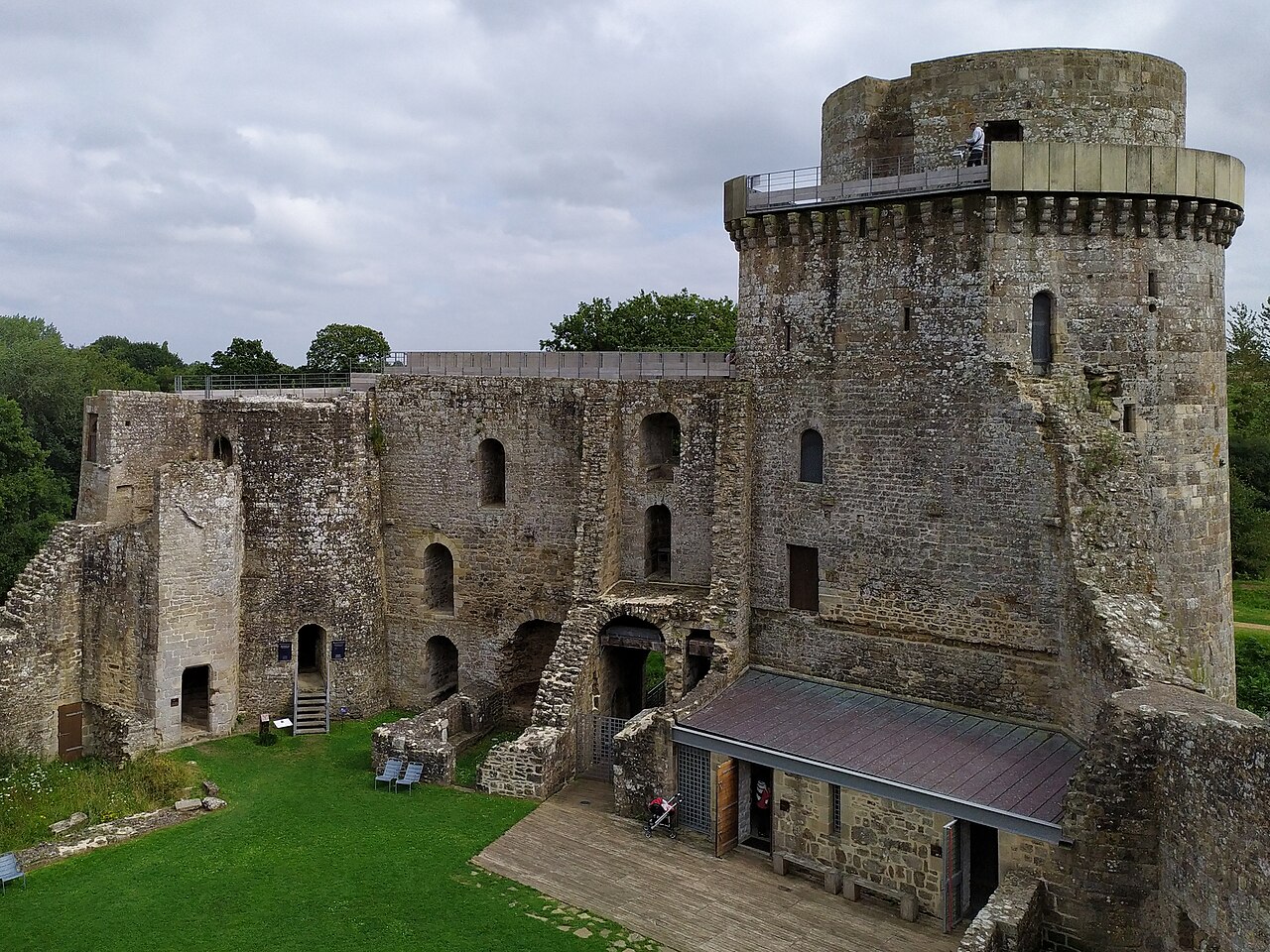
Château de La Guyomarais
Château de La Guyomarais is a notable example of a Renaissance château located in Saint-Denoual, France. Although the château was constructed in the 16th century, the estate itself was under the ownership of the Guyomarais family since the 15th century. This long-standing familial association highlights the château's deep historical roots in the region.
Historical background and ownership
The estate of La Guyomarais was part of the local noble holdings well before the château's construction. The Guyomarais family, influential in the region, established their presence here during the late Medieval period. The decision to build the château in the 16th century coincided with the broader wave of Renaissance architectural developments in France, reflecting the family's status and the period's stylistic influences.
Architectural features and style
The château exemplifies the Renaissance architectural style that became prominent in France during the 16th century. Characteristic features likely include symmetrical layouts, classical proportions, and ornamental stonework, which were hallmarks of Renaissance design. Although detailed architectural plans and descriptions are limited due to its private ownership, the château's construction period suggests the incorporation of typical Renaissance elements such as decorative façades, large mullioned windows, and possibly steeply pitched roofs common in the region.
Structural components
The château would traditionally include a main residential building surrounded by defensive walls or gardens, reflecting the transition from fortified medieval castles to more comfortable noble residences during the Renaissance. Features such as courtyards, , and possibly a moat or water features could be part of the estate, although specific details are scarce given the private status of the property.
Current status and preservation
Today, Château de La Guyomarais remains a private property, which limits public access and detailed study. Its preservation state is not widely documented, but the château's survival since the 16th century indicates a level of maintenance and care by its owners. The private ownership often means that the château retains much of its original character without extensive public restoration projects.
Cultural and regional significance
Located in Saint-Denoual, the château contributes to the architectural heritage of the Brittany region. It represents the transition from medieval fortifications to Renaissance noble residences, mirroring broader historical and cultural shifts in France during the 16th century. The estate's long association with the Guyomarais family adds a layer of genealogical and historical interest for the region's study.
Visiting information
As a private property, Château de La Guyomarais is generally not open to the public. Visitors interested in Renaissance architecture and French noble estates may appreciate viewing the château from public roads or nearby vantage points. For those researching regional history or architecture, local archives and historical societies in Saint-Denoual may offer additional resources.
Frequently asked questions (FAQ)
- How do I get to Château de La Guyomarais?
- Château de La Guyomarais is located in Saint-Denoual, France, easily accessible by car from nearby cities. The nearest major town is Dinan, which is about a 20-minute drive away. Public transportation options may be limited, so driving is recommended for convenience.
- What is the historical significance of Château de La Guyomarais?
- Château de La Guyomarais dates back to the 15th century and reflects the architectural style of that period. It has played a vital role in the local history, serving as a residence for nobility and a strategic point during regional conflicts. The castle is a testament to the rich heritage of Brittany and its feudal past.
- When was Château de La Guyomarais built?
- Construction of Château de La Guyomarais began in the late 15th century and was completed in the early 16th century. It showcases the transition from medieval fortifications to more refined Renaissance architecture. The castle has undergone several restorations, preserving its historical elements while maintaining its charm.
- Can I take guided tours of the castle?
- Yes, guided tours of Château de La Guyomarais are available for visitors, providing insights into its history and architecture. Tours are usually conducted by knowledgeable guides who share fascinating stories about the castle and its former inhabitants. It is advisable to check in advance for tour availability and to book your spot.
- Is Château de La Guyomarais accessible for visitors with disabilities?
- Château de La Guyomarais strives to be accessible to all visitors, but due to its historical architecture, some areas may present challenges. The castle grounds are generally accessible, but please contact the management prior to your visit to inquire about specific accommodations for those with mobility issues. They will provide guidance on navigating the site effectively.
- What are the opening hours of Château de La Guyomarais?
- Château de La Guyomarais is typically open to visitors from April to October, with varying hours depending on the season. During peak summer months, the castle may offer extended hours to accommodate more visitors. It is recommended to check the official website for the most up-to-date information on opening hours before planning your visit.
- What is the ticket price for visiting the castle?
- Ticket prices for Château de La Guyomarais vary depending on the visitor's age and the type of tour selected. Generally, adult tickets range from €8 to €12, while discounts may be available for students and children. Group rates and family passes may also be offered, so it's worth checking ahead for any promotions.
- When is the best time to visit Château de La Guyomarais?
- The best time to visit Château de La Guyomarais is during the spring and early autumn months when the weather is pleasant and the gardens are in full bloom. Visiting during weekdays may also help you avoid larger crowds, allowing for a more tranquil experience. Special events and festivals may also take place, providing unique opportunities to explore the castle.
- Are there any nearby attractions to visit while at Château de La Guyomarais?
- Yes, there are several nearby attractions worth visiting, including the medieval town of Dinan and the beautiful Rance River. Visitors can also explore the stunning landscapes of Brittany, including nearby hiking trails and picturesque villages. A day trip can easily include a mix of history, culture, and nature, enhancing your experience in the region.
Loading map...
Visitor reviews
No reviews yet. Been here? Write the first review and help other travelers!
Write the first reviewVisited this castle? Share your experience
Your review helps other travelers and adds first-hand knowledge to our encyclopedia.