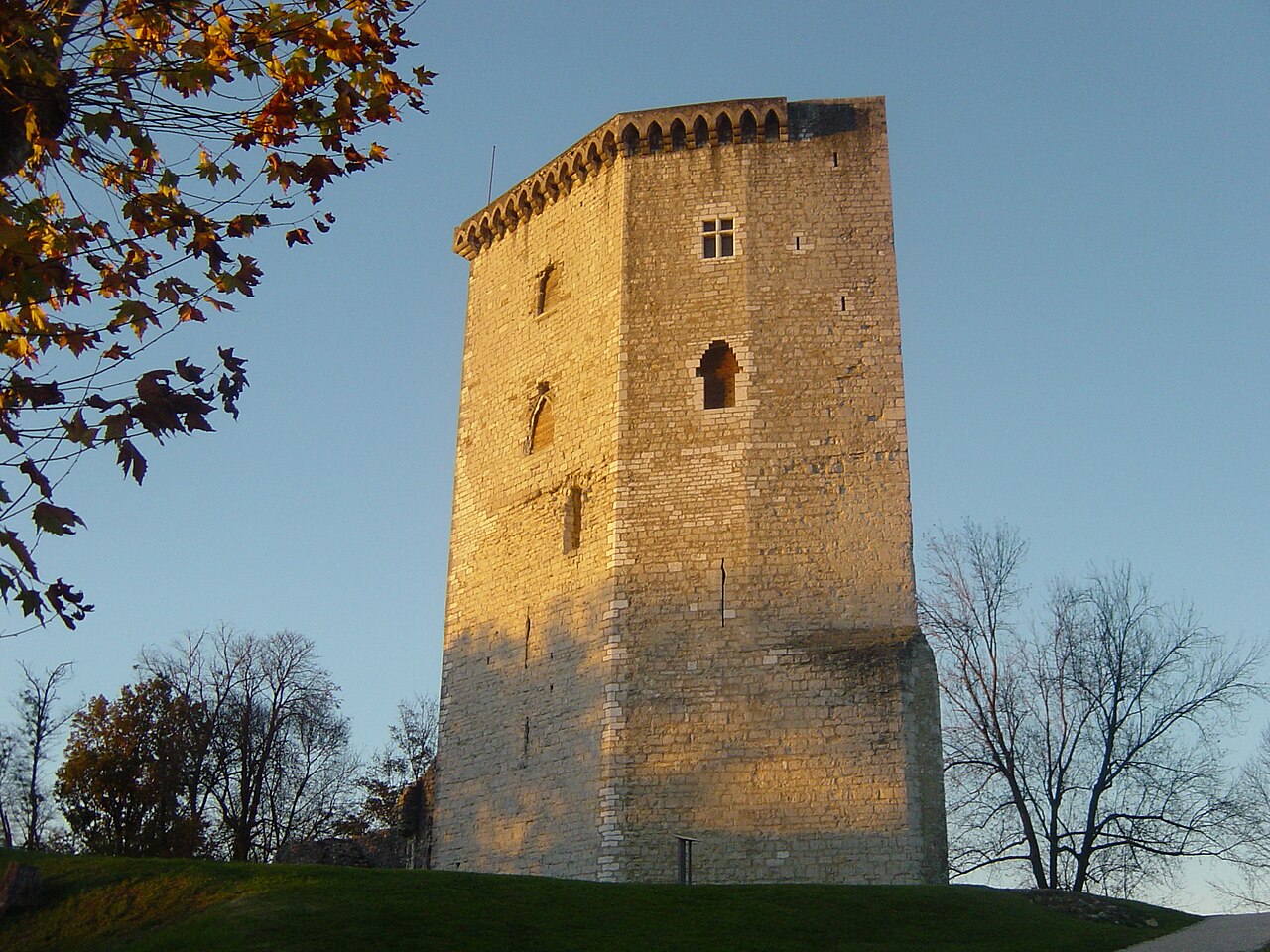
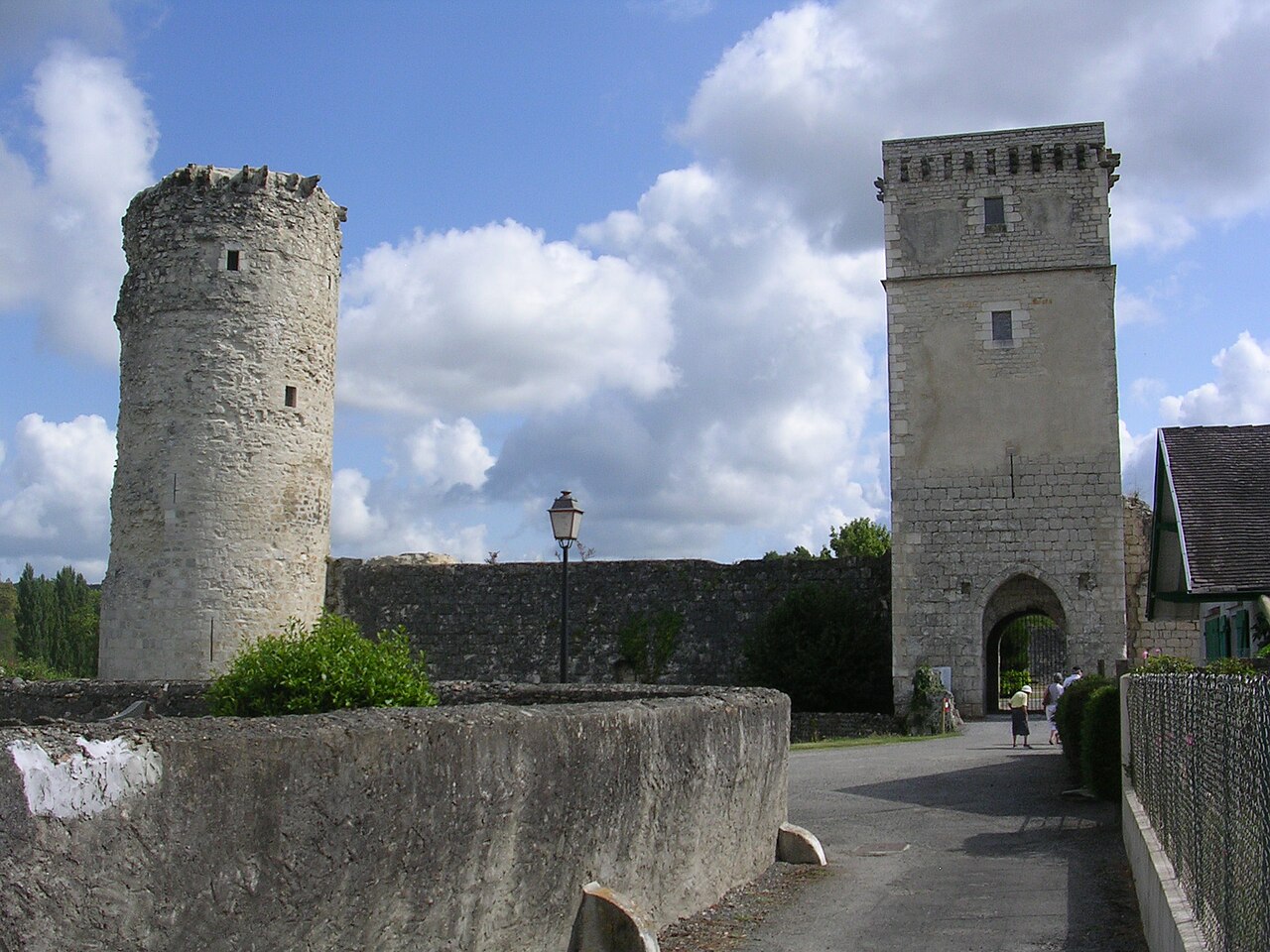
Château de Gaujacq
Château de Gaujacq is a distinguished example of 17th-century Italian Renaissance architecture located in the commune of Gaujacq, within the historic province of Gascogne in southwestern France. Built in 1686 under the direction of François de Sourdis, a lieutenant general serving King Louis XIV, the château reflects the refined tastes and political context of its era. The château is notable for its symbolic design, classical influences, and its integration with a carefully planned Renaissance garden.
Historical background and site significance
The site of Château de Gaujacq has a long history of occupation, dating back to protohistoric times and later to the Gallo-Roman period. Archaeological evidence indicates that the location was once home to a fortified camp, which underscores its strategic importance. During the medieval period, the site hosted a fortress controlled by the Caupenne family, local lords who established their dominion in the region. This medieval fortress was destroyed during the Fronde civil wars in the mid-17th century, leaving only fragments of walls that hint at its former defensive role.
The current château replaced the medieval stronghold, commissioned by François de Sourdis, a descendant of the noble family d’Escoubleau de Sourdis. He engaged Jules Hardouin-Mansart, the renowned royal architect famous for his work on the Palace of Versailles, to design the château. Mansart's design drew inspiration from ancient Greek and Italian Renaissance architectural principles, blending classical motifs with the political realities of the time.
Architectural design and symbolic elements
The château is a single-story building arranged around a central courtyard, emphasizing horizontality rather than verticality. This low profile was a deliberate architectural choice, influenced by political restrictions in the Gascogne region that limited the height of noble residences. The building's square layout is aligned symbolically with the sun and the classical elements, a feature that distinguishes Château de Gaujacq from many other contemporary French châteaux.
Each side of the château is marked by sculptural representations of the four classical elements: Athena’s head above the northwest entrance symbolizes wind and rain, the Gorgon Medusa on the southwest side represents earth, Apollo on the southeast embodies fire, and Hercules on the northeast stands for air. These sculptures serve as symbolic guardians and thematic markers, integrating mythology and natural philosophy into the château’s design.
The Italian Renaissance garden and cloister-like gallery
Surrounding the central courtyard is an Italian Renaissance-style garden known as the "garden of delights". This garden is enclosed by a cloister-like gallery, which despite its monastic appearance, was intended for leisure and aesthetic enjoyment rather than religious purposes. The garden features a carefully curated collection of botanical specimens, including magnolia trees over two centuries old, a rare persimmon tree (plaqueminier), and a photinia serrulata, one of the earliest exotic trees introduced into France.
Interior features and furnishings
Inside the château, visitors can explore furnished apartments dating from the 17th and 18th centuries. These rooms are decorated with wood paneling and painted panels that reflect the refined tastes of the French nobility during the reign of Louis XIV. The interiors maintain a restrained elegance consistent with the château’s overall architectural style, emphasizing harmony and classical proportions.
Location and views
Château de Gaujacq is situated in the Landes department, part of the Nouvelle-Aquitaine region, not Hauts-de-France as sometimes misattributed. The château offers scenic views of the Pyrenees mountains, visible from the elevated 17th-century pleasure garden. This setting underscores the château's connection to the broader landscape of southwestern France and its historical provinces.
Preservation and cultural significance
The château has been classified as a Monument historique since 2002, with further inscription in 2019, recognizing its architectural and historical importance. Since 1960, it has been owned and maintained by the Casedevant family, who have developed the gardens further to emphasize plants adapted to the local climate and environment. This stewardship has helped preserve the château’s unique character and ensured its accessibility to visitors interested in French Renaissance architecture and history.
Frequently asked questions (FAQ)
- How do I get to Château de Gaujacq?
- Château de Gaujacq is located in the charming village of Gaujacq, France. You can reach it by car or public transport from nearby towns like Dax and Bayonne. The nearest major airport is Biarritz Pays Basque Airport, which is about 50 kilometers away.
- What is the historical significance of Château de Gaujacq?
- Château de Gaujacq dates back to the 17th century and is known for its rich history tied to the local aristocracy. It has been preserved to showcase the architectural style of the period and serves as a testament to the region's cultural heritage. The castle has hosted numerous historical events and figures, making it a significant landmark in the area.
- When was Château de Gaujacq built?
- Construction of Château de Gaujacq began in the early 17th century, with its completion occurring in the latter part of the century. The castle reflects the design trends of the time, combining both functionality and aesthetics. Over the years, it has undergone various renovations to maintain its historical integrity.
- Can I visit Château de Gaujacq year-round?
- Yes, Château de Gaujacq is open to visitors throughout the year, although specific opening hours may vary by season. It's best to check the official website or contact the castle directly for the most current information regarding visiting hours. Guided tours are available to enhance your experience.
- Why is the architecture of Château de Gaujacq noteworthy?
- The architecture of Château de Gaujacq is noteworthy due to its elegant blend of classical and regional styles, featuring striking facades and beautifully landscaped gardens. The castle showcases intricate detailing and craftsmanship that reflect the aesthetics of the 17th century. Visitors often admire the harmonious integration of the building with its natural surroundings.
- Is it possible to host events at Château de Gaujacq?
- Yes, Château de Gaujacq offers facilities for hosting various events, including weddings, corporate gatherings, and private celebrations. The picturesque setting and historical ambiance make it an ideal venue. Interested parties should contact the castle management for more information on availability and services.
- What are the ticket prices for visiting Château de Gaujacq?
- Ticket prices for Château de Gaujacq are generally affordable, with discounts available for students and seniors. Children under a certain age may enter for free. It's advisable to check the castle's official website for the latest pricing and any special offers that may be available.
- What are the best times to visit Château de Gaujacq?
- The best times to visit Château de Gaujacq are during the spring and early autumn when the weather is mild and the gardens are in full bloom. These seasons offer a picturesque backdrop for exploring the castle and its grounds. Additionally, visiting during weekdays can help avoid larger crowds.
- Are there any nearby attractions to explore after visiting Château de Gaujacq?
- Yes, there are several nearby attractions to explore, including the beautiful forests of the Landes region and the charming town of Dax, known for its thermal springs. Also, the stunning beaches of the Atlantic coast are just a short drive away, providing a perfect complement to your visit to the castle. Consider planning a day trip to fully enjoy the area.
Information
Website
Visit websiteSources & official resources
Verify the information above using these authoritative references.
Loading map...
Visitor reviews
No reviews yet. Been here? Write the first review and help other travelers!
Write the first reviewVisited this castle? Share your experience
Your review helps other travelers and adds first-hand knowledge to our encyclopedia.