Château de Chaussins
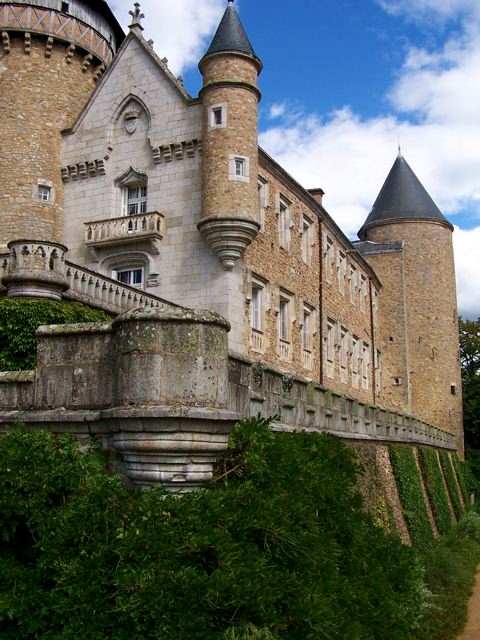
The Château de Chaussins is a notable example of a medieval hill castle located in the Hauts-de-France region of northern France. Its origins trace back to the 14th century, when the initial construction began, establishing the core of what would become a complex fortified residence. The castle's strategic position on elevated terrain allowed for effective defense, a characteristic feature of hill castles from this period.
Early construction and architectural evolution
The castle's earliest phase centered around the erection of the logis, the main residential building, which was built in an l-shaped layout typical of the era. This structure forms the oldest part of the château and was complemented by the construction of a hexagonal donjon or keep. The donjon is architecturally distinctive, with a hexagonal exterior and a circular interior, illustrating advanced medieval defensive design aimed at resisting siege engines and providing a secure refuge.
Throughout the 14th to 16th centuries, the château underwent significant expansion. In the 16th century, additional buildings were added around the original courtyard, enclosing it to form a more defensible and private residential complex. This expansion reflects the transition from purely military fortifications to more comfortable noble residences, blending defense with domesticity.
Defensive features and modifications
The castle is surrounded by moats, which remain a prominent defensive feature to this day. These water-filled ditches would have hindered attackers and protected the castle's walls from undermining. The presence of battlements (crenellations) on the southwest tower, added in the 19th century, shows continued interest in the castle's defensive appearance, even as its military function diminished.
During the 18th century, alterations were made to the castle's openings, enlarging windows and doors to improve light and accessibility, signaling a shift toward residential comfort over fortification. However, the castle's main living quarters suffered damage in 1573, when the roof was lost following the assassination of one of its owners, marking a turbulent period in its history.
Interior architectural elements and decoration
Inside, the château retains several significant architectural features that highlight its historical and stylistic evolution. A notable vaulted room with ogive arches exemplifies the Gothic architectural influence, characterized by pointed arches that were both structurally effective and aesthetically striking.
The castle also contains several chimneys that blend Gothic and Renaissance styles, illustrating the transition in architectural tastes during the Renaissance period. Wall paintings on the first floor have survived, providing valuable insight into the decorative preferences of the castle's inhabitants and the artistic trends of the time.
Historical ownership and significance
The Talaru family owned the château for many generations, with the last noble owner being Louis Justin Marie, Marquis de Talaru, who held the estate until 1794. The upheaval of the French Revolution forced his emigration, leading to the sale of the property to seven local residents of Abrest for 44,000 livres. This transfer marked the end of aristocratic ownership and the beginning of a new chapter in the castle's history.
Since August 5, 1980, the Château de Chaussins has been officially recognized as a protected historic monument. Its moats and decorated interior spaces are particularly noted for their cultural and architectural importance, ensuring conservation efforts to preserve these elements for future generations.
Layout and current condition
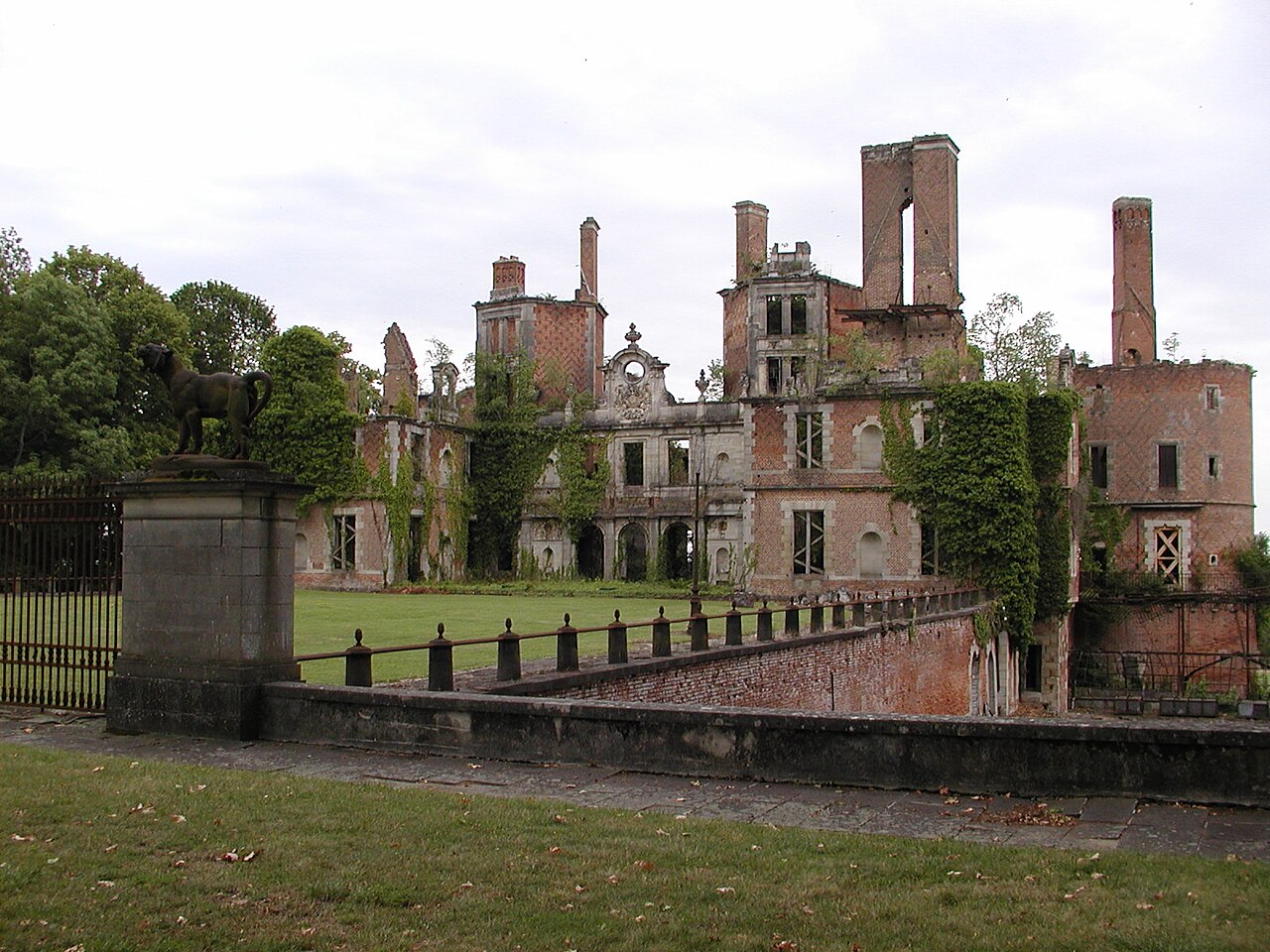
The château's layout revolves around a central courtyard, enclosed by buildings from different periods reflecting its long history. The main residential building with its l-shaped plan and the attached fortified donjon remain the focal points of the complex. Despite the loss of the roof over the main living quarters in the 16th century, many structural elements have endured, allowing visitors to appreciate the castle's medieval character.
The surrounding moats and the later-added battlements contribute to the castle's imposing silhouette. The preservation of architectural details such as the vaulted Gothic arches, Renaissance chimneys, and surviving wall paintings make the Château de Chaussins a valuable site for understanding the evolution of French castle architecture from the Middle Ages through the Renaissance.
Frequently asked questions (FAQ)
- How do I get to Château de Chaussins?
- Château de Chaussins is located in the picturesque region of France, accessible by car or public transport. The nearest major city is Tours, where you can find train services and rental cars to reach the castle. Make sure to check local transport schedules for the best routes.
- What is the historical significance of Château de Chaussins?
- Château de Chaussins dates back to the 15th century and is a remarkable example of medieval architecture in France. It has been a witness to numerous historical events and has served various noble families throughout its history. Today, it stands as a symbol of the region's rich heritage and cultural history.
- When was Château de Chaussins built?
- The construction of Château de Chaussins began in the late 15th century, with significant expansions taking place over the following decades. Its architecture reflects the transition from medieval to Renaissance styles, showcasing intricate details and design elements. The castle has been preserved to offer visitors a glimpse into its storied past.
- Can I visit Château de Chaussins year-round?
- Yes, Château de Chaussins is open to visitors year-round, although certain areas may be restricted during off-peak seasons. It's advisable to check the official website for specific opening hours and any seasonal events. Visiting during the spring and summer months often provides a more vibrant experience with surrounding gardens in full bloom.
- Why is the architecture of Château de Chaussins unique?
- The architecture of Château de Chaussins is unique due to its blend of medieval fortifications and Renaissance elegance. Features such as tall towers, intricate stonework, and expansive courtyards highlight the castle's historical significance and aesthetic appeal. This combination makes it a fascinating subject for architecture enthusiasts and history buffs alike.
- Is it possible to take guided tours of Château de Chaussins?
- Yes, guided tours are available at Château de Chaussins, providing visitors with in-depth knowledge of its history and architecture. These tours are led by knowledgeable guides who share captivating stories and insights about the castle’s past. It's recommended to book tours in advance, especially during peak tourist seasons.
- What are the ticket prices for Château de Chaussins?
- Ticket prices for Château de Chaussins vary depending on the season and age group. Typically, adult tickets are priced around €10, while discounts may be available for students and children. Check the official website for the most current pricing and any special promotions.
- What are the opening hours for Château de Chaussins?
- Château de Chaussins generally opens daily from 10 AM to 6 PM, with extended hours during the summer months. It's best to confirm the exact hours before your visit, as they may vary on holidays or special occasions. Early arrival is recommended to fully enjoy the grounds and avoid crowds.
- What nearby attractions can I visit while at Château de Chaussins?
- While visiting Château de Chaussins, you can explore several nearby attractions, including the beautiful gardens of Villandry and the historic city of Amboise. The Loire Valley is also renowned for its stunning châteaux, making it a perfect day trip destination. Each location offers unique insights into French culture and history.
Information
Loading map...
Visitor reviews
No reviews yet. Been here? Write the first review and help other travelers!
Write the first reviewVisited this castle? Share your experience
Your review helps other travelers and adds first-hand knowledge to our encyclopedia.