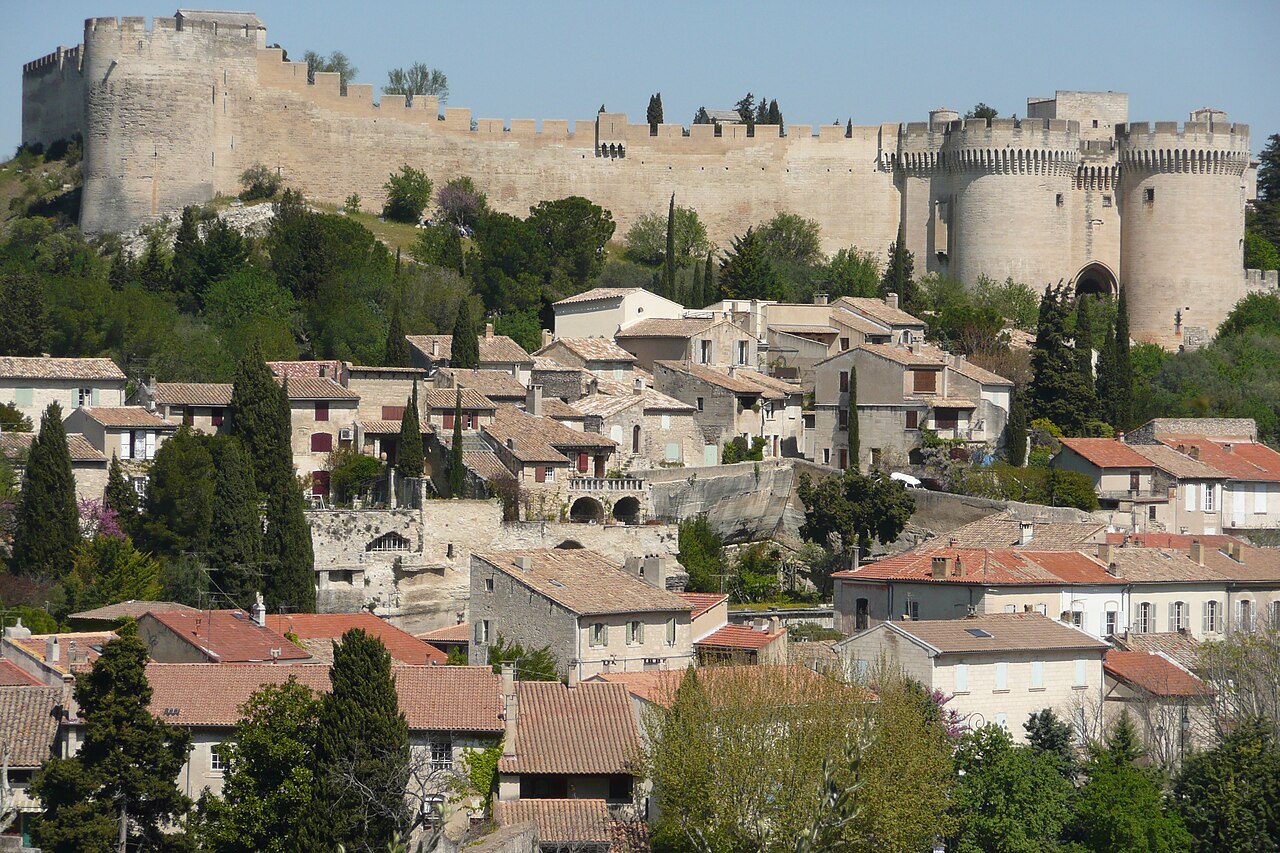
Château de Châteaurenard
The Château de Châteaurenard stands as a remarkable example of medieval military architecture in the Hauts-de-France region of northern France. Founded originally in 961 and later reconstructed in the 12th and 13th centuries, this hill castle embodies centuries of strategic importance, architectural evolution, and turbulent history. Its extensive fortifications, including a massive keep and sixteen named towers, reflect the defensive needs and feudal power struggles of the High medieval period.
Located in the town of Châteaurenard, the castle was initially established as the château de Renard by the medieval French nobility. The earliest fortress was repeatedly demolished by royal order in the early 12th century, notably by King Louis VI, who twice commanded its destruction due to unauthorized rebuilding efforts. This early history sets the stage for the castle's significance as a contested stronghold.
Medieval origins and early reconstructions
The initial fortress, dating from 961, was a strategic site that faced multiple destructions during the early medieval period. Following the royal demolitions, the castle was rebuilt under the auspices of the powerful noble family of Milon de Courtenay. His sons participated in the Second Crusade, with Guillaume dying in Palestine in 1148 and Renaud returning to inherit the family estate.
Between 1232 and 1241, the castle underwent significant reconstruction led by Gaucher II de Châteaurenard, count de Joigny. With permission from Blanche de Castille, regent for the young King Saint Louis, Gaucher II rebuilt the fortress, establishing much of the layout still visible today. This included the construction of sixteen towers and the imposing central keep known as la Grant Tour. The towers were individually named by the 14th century, reflecting their strategic and symbolic importance.
Ownership and military significance in the late medieval and renaissance periods
In 1531, the castle passed to the Coligny family, notable figures in French history. During the Wars of Religion in the 16th century, the Château de Châteaurenard served as a Protestant bastion. It was attacked and partially destroyed in 1568 but subsequently repaired and reinforced by Gaspard II de Coligny. He added a second defensive wall (enceinte) by 1570, enhancing the castle's fortifications.
Ownership later transferred through Louise de Coligny to the children of William of Orange, intertwining the castle's history with broader European religious and political conflicts. In the early 17th century, under the governance of Gédéon de Vaufin, the castle maintained a Protestant garrison and excluded Catholics from the local church, escalating tensions that culminated in 1622 when the townspeople seized the fortress. Following this, King Louis XIII ordered the destruction of the smaller inner castle, the chastellet, as a measure to reduce its military threat.
Architectural features and defensive design
The Château de Châteaurenard was originally surrounded by a moat approximately six meters wide, emphasizing its defensive purpose. The fortress's layout was compact yet formidable, featuring a massive keep and sixteen towers connected by robust curtain walls. Among the five gates, the Porte Rouge (Red Door) remains the principal entrance, historically accessed via a drawbridge over the moat.
The Porte Rouge was flanked by two now-dismantled round towers, which played a critical role in defending the entrance. Above the gate, hunting trophies were displayed, symbolizing the lord's power and prestige. The towers, each with individual names documented from the 14th century, include the tour de la Citerne, tour Ronde, tour Rouge, tour feu Louis de Girolles, tour de Perrichoy, tour de Gastelier (also called du Chastellet), tour de la Fausse Porte, la Grant Tour (the central keep), tour Clément, tour Sesneau, tour au Breton, an unnamed turret behind the priory, tour au Marichaut, and tour au Portier.
Over the centuries, much of the castle's dressed stone was removed and repurposed for local construction, contributing to its current ruined state. Nevertheless, the remaining walls and layout provide valuable insight into its original scale and sophisticated defensive design, characteristic of 13th-century military architecture.
Decline, destruction, and restoration
The castle's decline began in the late 16th century when Henry IV of France ordered its demolition in 1596, reflecting the shifting political and military landscape of France. Further damage occurred during the French Revolution in 1790, a period marked by widespread destruction of feudal symbols.
Despite these setbacks, the 20th century saw efforts to restore and preserve the Château de Châteaurenard. Recognized as a historic monument since 1911 by the French Ministry of Culture, the castle now hosts a museum dedicated to local history, allowing visitors to explore its rich heritage and architectural remains.
Cultural and historical significance
The Château de Châteaurenard is a testament to the layered history of medieval France, illustrating the evolution of fortification techniques and the complex socio-political dynamics of the region. Its association with prominent historical figures, including crusaders, French kings, and Protestant leaders, underscores its importance.
Today, the castle serves not only as a monument to medieval military architecture but also as a cultural hub, housing exhibitions that celebrate the local heritage of Châteaurenard and its surroundings. Its ruins attract historians, architects, and tourists interested in the tangible legacy of France's feudal past.
Visiting the château
Visitors to the Château de Châteaurenard can explore the ruins and the museum, which offers insights into the castle's history and the broader medieval context of the region. The site provides a unique opportunity to witness the remains of a high medieval fortress, including the moat, gate structures, and tower foundations.
The castle's location on a hill affords scenic views of the surrounding landscape, enhancing the visitor experience. While much of the original stonework has been lost, the preserved elements and interpretive displays help convey the castle's former grandeur and defensive capabilities.
Frequently asked questions (FAQ)
- How do I get to Château de Châteaurenard?
- Château de Châteaurenard is conveniently located in the town of Châteaurenard, France. You can reach the castle by car, with parking available nearby, or by public transport from Avignon, which is only a short distance away.
- What is the historical significance of Château de Châteaurenard?
- Château de Châteaurenard dates back to the 12th century and played a crucial role in the defense of the region during its tumultuous history. This castle is a testament to the feudal architecture of the time and showcases the strategic importance of the location in controlling the surrounding areas.
- When was Château de Châteaurenard built?
- Construction of Château de Châteaurenard began in the 12th century and continued into the 14th century. Its architecture reflects the medieval styles prevalent in southern France during that period, making it an interesting site for history enthusiasts.
- Can I take guided tours of Château de Châteaurenard?
- Yes, guided tours are available at Château de Châteaurenard, which provide visitors with a deeper understanding of the castle's history and architecture. Tours are typically offered in multiple languages, and it's recommended to book in advance during peak tourist seasons.
- Why is the architecture of Château de Châteaurenard noteworthy?
- The architecture of Château de Châteaurenard is noteworthy due to its impressive defensive structures, including tall towers and thick walls that were designed to withstand sieges. Its blend of Romanesque and Gothic elements makes it a fascinating study for architecture lovers.
- Is it possible to visit Château de Châteaurenard with children?
- Absolutely! Château de Châteaurenard is family-friendly and offers various activities that engage children, including treasure hunts and interactive exhibits. The castle grounds also provide ample space for kids to explore safely.
- What are the opening hours for Château de Châteaurenard?
- Château de Châteaurenard is open to visitors from 10 AM to 6 PM daily, with longer hours during the summer months. It is advisable to check the official website for any seasonal changes or special closures before your visit.
- What are the ticket prices for Château de Châteaurenard?
- Ticket prices for Château de Châteaurenard vary, with discounts available for students, seniors, and children. As of the latest updates, general admission is approximately €8, while children under 12 can enter for free.
- When is the best time to visit Château de Châteaurenard?
- The best time to visit Château de Châteaurenard is during the spring and early fall when the weather is pleasant and the crowds are smaller. Visiting during these seasons allows for a more enjoyable experience while exploring the castle and its beautiful surroundings.
- What nearby attractions should I visit while at Château de Châteaurenard?
- While visiting Château de Châteaurenard, you should also explore the charming town of Châteaurenard itself, known for its quaint streets and local markets. Additionally, the nearby city of Avignon, with its famous Palais des Papes and the historic bridge, makes for a perfect day trip.
Information
Loading map...
Visitor reviews
No reviews yet. Been here? Write the first review and help other travelers!
Write the first reviewVisited this castle? Share your experience
Your review helps other travelers and adds first-hand knowledge to our encyclopedia.