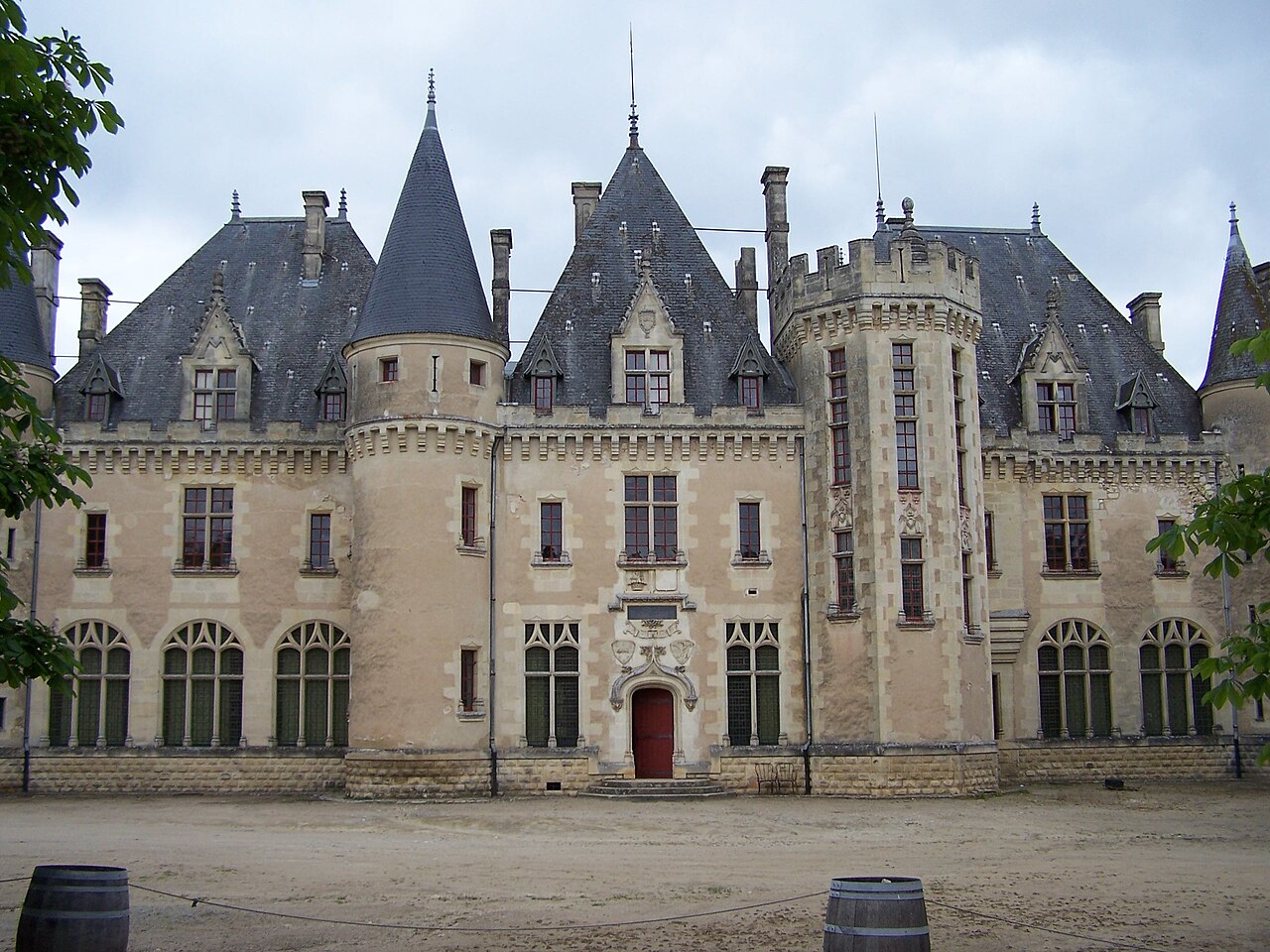
Château de Castegens
The Château de Castegens stands as a remarkable example of a medieval hill castle located in the Hauts-de-France region of northern France. Its history and architecture reflect a layered evolution spanning several centuries, from its origins in the 14th century through modifications in the 15th and 16th centuries, to its 19th-century transformation related to viticulture. This castle not only embodies the defensive and residential needs of medieval nobility but also illustrates the adaptation of historic estates to agricultural production, particularly winemaking.
Originally constructed during the High to Late Medieval period, the château’s core is its main residential building (logis), built by local craftsmen in the 1300s. This structure served as a noble dwelling, designed to balance comfort with security. Its enduring stone masonry and layout reflect typical medieval construction techniques aimed at establishing a defensible yet habitable residence. The castle’s elevated position as a hill castle provided strategic advantages, commanding views over the surrounding landscape and enhancing its defensive capabilities.
Medieval origins and architectural evolution
The 14th century marked the initial phase of Château de Castegens’ construction, focusing on establishing a fortified noble residence. The surviving elements of the original logis demonstrate the use of thick stone walls and narrow windows, typical of medieval defensive architecture designed to withstand sieges and attacks. The castle’s layout likely included a courtyard and ancillary buildings, although detailed plans are scarce.
15th-century alterations
During the 15th century, the château underwent significant structural modifications. These changes were probably motivated by evolving domestic requirements and the influence of emerging architectural styles. Improvements may have included enlarging living spaces, adding windows for better lighting, and upgrading internal arrangements to increase comfort. This period coincides with the late medieval era, a time when castles began to shift from purely military fortresses to more comfortable noble residences.
16th-century fortifications
The 16th century brought a renewed emphasis on defense, reflecting the turbulent political climate of the time, including the French Wars of Religion. Château de Castegens was reinforced with masonry fortifications designed to resist artillery and other contemporary weaponry. These defensive upgrades likely included thicker walls, bastions, and possibly fortified gates or towers. The integration of these elements illustrates the castle’s adaptation to changing military technologies and threats.
19th-century transformation and viticultural heritage
In the 19th century, between 1863 and 1868, the château’s function expanded beyond a noble residence to include agricultural production, particularly winemaking. Under the direction of Simard de Pitray, the estate saw the construction of specialized facilities such as cuviers (large fermentation vats) and chais (wine storage cellars). These additions highlight the château’s integration into the regional economy of viticulture, a vital industry in this part of France.
The coexistence of medieval architecture with 19th-century agricultural buildings creates a unique historical complex that illustrates the estate’s continuous occupation and functional evolution. The wine production facilities were designed to complement the existing structures, demonstrating thoughtful adaptation rather than wholesale replacement.
Historical significance and cultural heritage
The Château de Castegens holds a special place in French history, partly due to its proximity to the site of the Battle of Castillon in 1453. This battle was a decisive event that ended the Hundred Years’ War between France and England, marking the restoration of French sovereignty over its territories. Every year, a medieval reenactment event is held on a seven-hectare field below the château, commemorating this pivotal moment and celebrating the region’s rich historical heritage.
Since April 19, 1996, the château has been officially recognized as a historic monument, reflecting its architectural and cultural importance. This status ensures protection and preservation efforts, allowing visitors to appreciate the castle’s layered history and enduring presence in the landscape.
Architectural features and current condition
The château’s architectural composition is characterized by its main residential block from the 14th century, which remains the oldest and most prominent feature. This core structure is complemented by additions and fortifications from the 15th and 16th centuries, creating a complex that illustrates the evolution of medieval defensive architecture. The masonry work from these periods demonstrates traditional techniques adapted to changing military needs.
The 19th-century agricultural buildings, including the cuviers and chais, are integrated within the estate, preserving the site’s historical narrative of noble residence and viticulture. Photographic evidence shows the château’s exterior structures largely intact, though detailed information on interior decoration and inscriptions is limited.
Today, the château is classified as well preserved enough to convey its historical phases through visible architectural elements. Its status as a protected historic monument helps maintain its physical integrity and promotes public awareness of its significance.
Visiting château de castegens
Visitors to Château de Castegens can explore its exterior architecture and enjoy the scenic views afforded by its hilltop location. The annual medieval reenactment event offers a unique opportunity to experience the castle’s historical context through live performances and educational activities. While interior access details are limited, the site’s preservation allows for appreciation of its architectural evolution and cultural importance.
Its location in the Hauts-de-France region makes it accessible for travelers interested in medieval history, castle architecture, and French heritage. The château’s blend of medieval and 19th-century features provides a compelling narrative of adaptation and continuity over centuries.
Frequently asked questions (FAQ)
- When was Château de Castegens originally built?
- Château de Castegens was originally constructed in the 14th century, serving as a fortified noble residence.
- What historical event is commemorated near Château de Castegens?
- The Battle of Castillon in 1453, which ended the Hundred Years’ War, is commemorated annually near the château with medieval reenactments.
- What architectural features reflect the castle’s medieval defensive purpose?
- The château’s thick stone walls, narrow windows, and 16th-century masonry fortifications highlight its medieval defensive architecture.
- Can visitors tour the interior of Château de Castegens?
- Details on interior tours are limited, but visitors can explore the exterior and attend annual reenactment events for historical context.
- How did the château’s function change in the 19th century?
- In the 19th century, the château incorporated winemaking facilities such as fermentation vats and storage cellars, reflecting its role in viticulture.
Information
Loading map...
Visitor reviews
No reviews yet. Been here? Write the first review and help other travelers!
Write the first reviewVisited this castle? Share your experience
Your review helps other travelers and adds first-hand knowledge to our encyclopedia.