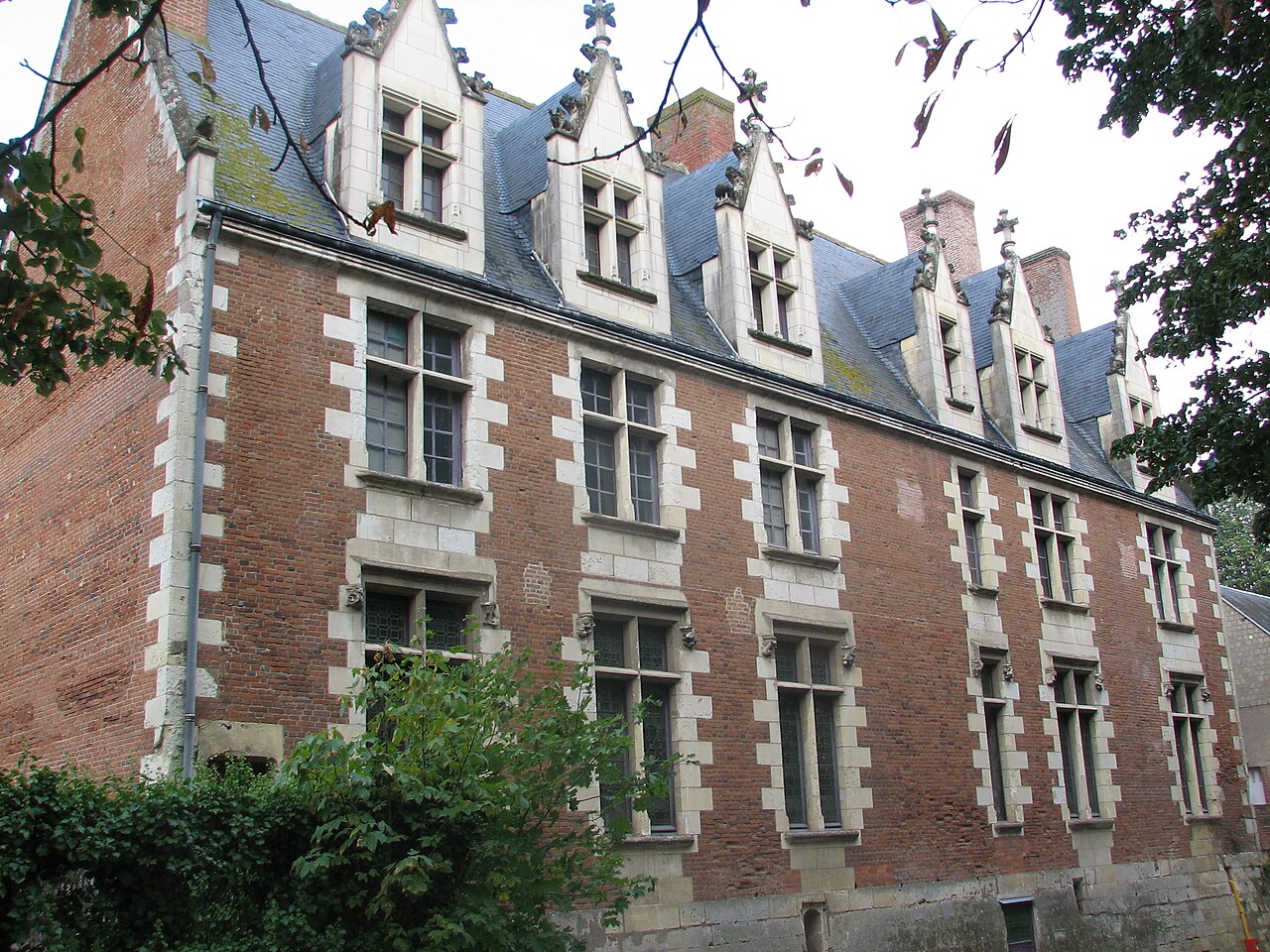
Château de Candé
Château de Candé is a historically significant castle located in Monts, France, with origins tracing back to the late medieval period. The castle's earliest known lord was Macé de Larçay in 1313, marking its roots as a medieval fortress. However, the structure seen today largely reflects the architectural transformations that began at the turn of the 16th century.
The renaissance transformation of château de Candé
In 1499, François Briçonnet, the mayor of Tours and state treasurer, acquired the fief of Candé and initiated the construction of a Renaissance house on the site of the old medieval fortress. This marked a significant architectural shift from the defensive medieval stronghold to a more residential and stylistically refined castle. Unfortunately, Briçonnet died before its completion, and the building was finished in 1508 by his daughter, Jeanne Briçonnet.
The Renaissance phase introduced elements typical of the period, including more elegant windows, refined stonework, and a layout designed for comfort and status rather than purely defense. The castle's structure from this time reflects the transition in castle architecture from fortress to stately home.
Later architectural developments and neo-gothic additions
For several centuries, the castle passed through various owners, none of whom made major architectural changes until the mid-19th century. In 1853, Santiago Drake del Castillo, heir to a wealthy plantation owner, purchased the castle and undertook significant expansions. He added a northern wing in the neo-gothic style, which notably tripled the castle's living space. This addition included characteristic neo-gothic features such as pointed arches, decorative battlements, and ornate stonework that contrasted with the earlier Renaissance elements.
Modernization in the early 20th century
In 1927, the castle was acquired by Charles Bedaux, a Franco-American industrial millionaire, along with his wife Fern and Jean Drake del Castillo, the grandson of Santiago. They carried out extensive modernization efforts to bring the castle up to contemporary standards. These included installing a comprehensive plumbing system, upgrading the electrical wiring, and fitting central heating throughout the building with an elaborate network of 60 tons of pipes.
The castle was outfitted with eight bedrooms, each featuring a bathroom decorated in the art déco style. Each bathroom had an advanced American system that allowed bathtubs to be filled and emptied in under a minute. Indoor toilets were also installed, a modern convenience at the time. Additionally, Bedaux installed a telephone system that connected directly to the exchange in Tours, requiring an operator to be present on-site—a unique feature for a French residence of that era.
To complement the luxurious living standards, recreational facilities were built on the grounds, including an 18-hole golf course, a tennis court, a gymnasium, and a solarium. These additions reflected the lifestyle of the wealthy owners during the early 20th century and transformed the castle into a modern country estate.
Historical significance and notable events
Château de Candé is also known for its role in 20th-century history as the venue for the 1937 marriage of the Duke of Windsor (formerly King Edward VIII) and Wallis Warfield Simpson. This event attracted international attention, as Edward VIII had abdicated the British throne to marry Simpson. The famous photographer Cecil Beaton took their wedding photographs at the castle, adding to its cultural significance.
Current status and preservation
After Fern Bedaux's death in 1972, the castle was bequeathed to the French State. In 1974, management was transferred to the council of Indre-et-Loire, which has since overseen its preservation. The castle remains a well-preserved example of a late medieval fortress transformed through Renaissance and neo-gothic architectural styles, with modern amenities from the early 20th century.
Visitors today can appreciate the castle's layered history, from its medieval origins through its Renaissance reconstruction and neo-gothic expansions, to its 20th-century modernization and historical events. The castle's combination of architectural styles and its connection to notable historical figures make it a unique heritage site in the Loire Valley region.
Frequently asked questions (FAQ)
- How do I get to Château de Candé?
- Château de Candé is located in Monts, France, easily accessible by car or public transport. If you're traveling by train, the nearest station is in Tours, from where you can take a taxi or local bus to the castle.
- What is the historical significance of Château de Candé?
- Château de Candé is known for its rich history, particularly as a wedding venue for the famous American writer, John Steinbeck. The castle showcases the elegance of French Renaissance architecture and has been a site of notable events throughout its history.
- When was Château de Candé built?
- Construction of Château de Candé began in the 15th century and was completed in the 17th century. The castle has undergone various renovations, retaining its historical charm while adapting to modern preservation standards.
- Can I take guided tours of Château de Candé?
- Yes, guided tours are available at Château de Candé, providing visitors with in-depth insights into its history and architecture. It's recommended to check the official website for tour schedules and to book in advance for a more personalized experience.
- Why is the architecture of Château de Candé noteworthy?
- The architecture of Château de Candé is a remarkable blend of Renaissance and classical styles, featuring intricate facades and beautifully designed interiors. Its unique design reflects the artistic trends of its time and offers a glimpse into the lifestyle of the French nobility.
- Is it possible to host events at Château de Candé?
- Yes, Château de Candé is available for private events, including weddings and corporate gatherings. The picturesque setting and elegant facilities make it a popular choice for special occasions.
- What are the opening hours for Château de Candé?
- Château de Candé is typically open to visitors from Tuesday to Sunday, with varying hours depending on the season. It's advisable to check the official website for the most current information on opening times before your visit.
- What are the ticket prices for Château de Candé?
- Ticket prices for Château de Candé vary based on age and type of tour selected. Discounts are often available for students and groups, so be sure to check the official site for the latest pricing details.
- When is the best time to visit Château de Candé?
- The best time to visit Château de Candé is during the spring and early autumn when the weather is pleasant, and the gardens are in full bloom. Additionally, visiting during weekdays can help you avoid larger crowds and enjoy a more tranquil experience.
- Are there any nearby attractions to visit when I go to Château de Candé?
- Yes, there are several nearby attractions, including the beautiful Château de Chenonceau and the historic city of Tours. These sites complement your visit to Château de Candé, offering a glimpse into the rich heritage and stunning landscapes of the Loire Valley.
Information
Website
Visit websiteSources & official resources
Verify the information above using these authoritative references.
Loading map...
Visitor reviews
No reviews yet. Been here? Write the first review and help other travelers!
Write the first reviewVisited this castle? Share your experience
Your review helps other travelers and adds first-hand knowledge to our encyclopedia.