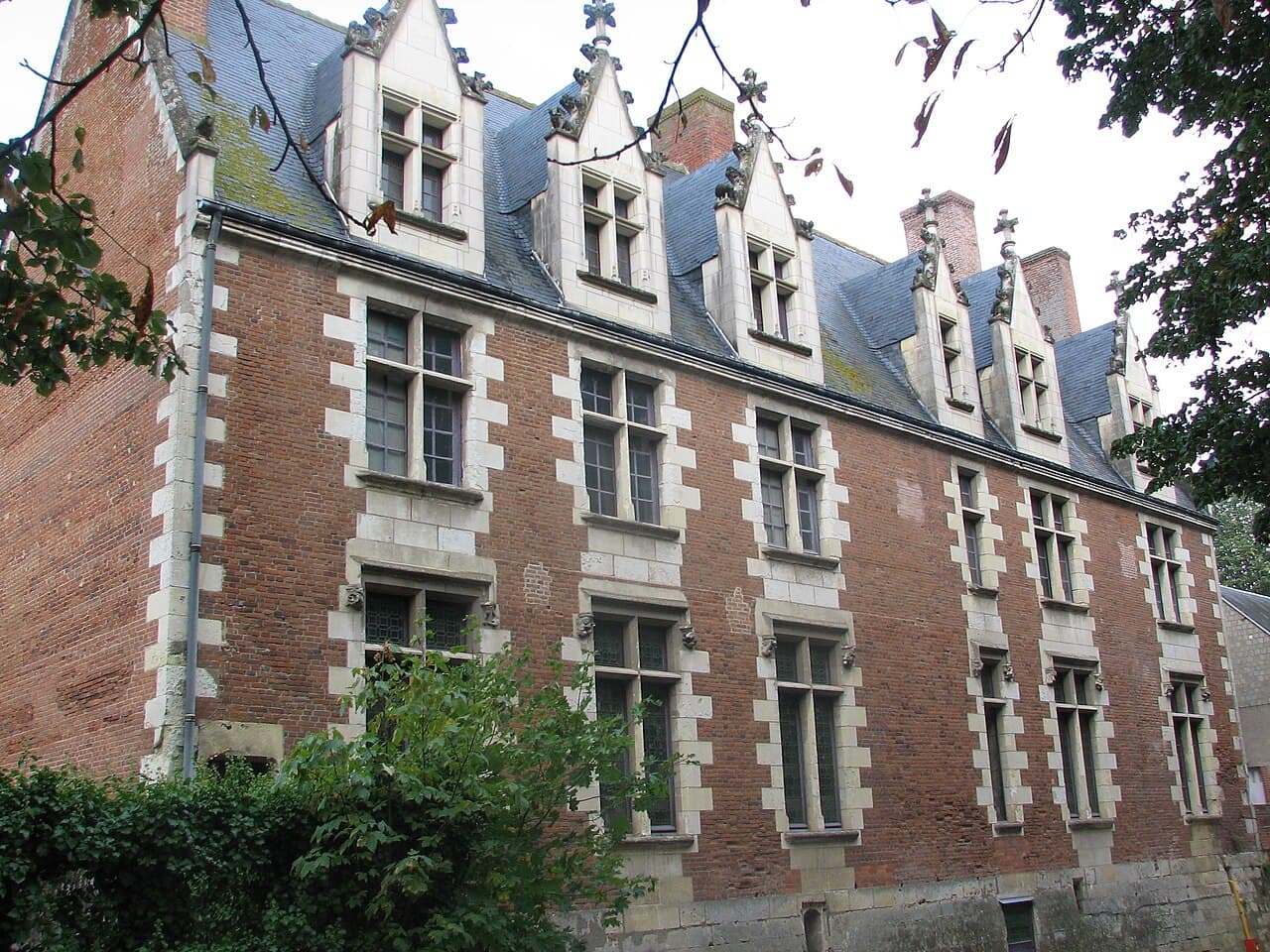
Château de Plessis-lez-Tours
The Château de Plessis-lez-Tours is a significant historic site located in the town of La Riche, within the Loire Valley of France. This château, originally constructed in the 15th century, served as the favored royal residence of King Louis XI of France, a monarch known for his political acumen and efforts to strengthen the French crown. The château is notable for its late Gothic architectural style and its role in French royal history, including the death of Louis XI there in 1483 and a pivotal meeting between King Henry III and the future King Henry IV in 1589.
Historical significance and royal connections
The château was built during the late medieval period, with construction beginning in 1463 under the direction of King Louis XI. It was designed as a fortified residence combining defensive features with the comforts expected by a monarch. The château's historical importance is heightened by its association with significant events in French history. Louis XI died within its walls on 30 August 1483, marking the end of an era characterized by consolidation of royal power. Later, in 1589, the château hosted a crucial meeting between King Henry III and the future Henry IV, which led to their alliance against the Catholic League during the French Wars of Religion.
Architectural layout and features
The original château was constructed in a U-shaped plan consisting of three wings enclosing a central courtyard. This layout was typical of late medieval royal residences, balancing defensive needs with residential functionality. Today, only a small portion of the original structure remains intact, as much of it was destroyed during the French Revolution in 1796. The surviving wing has served various uses over the centuries, including as a dairy farm and a buckshot factory, before being recognized for its cultural value.
Interior details and notable rooms
Visitors can explore the room where King Louis XI died, which retains its original 15th-century wooden linenfold panelling, a decorative style resembling folded napkins that was popular during the period. The first floor features paintings and sculptures dedicated to St. Francis of Paola, a saint whom Louis XI invited to reside nearby until his death. This reflects the king's religious devotion and the château's role as a spiritual as well as political center.
Prison cages and displays
One of the château's darker historical features is a collection of iron cages that were suspended from the ceiling and used to imprison detainees. These cages were deliberately small, preventing prisoners from standing, illustrating the harsh conditions of incarceration during the late medieval period. This grim aspect adds to the château's historical narrative and attracts visitors interested in medieval justice and punishment practices.
Destruction and preservation
During the upheavals of the French Revolution, approximately three-quarters of the château were demolished in 1796 as part of the widespread destruction of royal properties. The remaining wing, which survived these events, has been protected as a monument historique since 1927 by the French Ministry of Culture. This designation has helped preserve the château's remaining architectural elements and ensured its maintenance as a site of cultural heritage.
Current condition and visitor experience
Today, the Château de Plessis-lez-Tours exists as ruins with only a portion of the original late medieval structure standing. The site offers visitors a tangible connection to France's royal past and the architectural styles of the period. The preserved interiors, including the death chamber of Louis XI and the displays of iron cages, provide a unique glimpse into the life and times of the late 15th century. The château's location in the Loire Valley places it among a region renowned for its historic castles and rich cultural landscape.
Architectural and cultural context
The château exemplifies the transition in French castle architecture from purely defensive fortresses to residences that combined fortification with comfort and status. Its late Gothic style is characterized by pointed arches, intricate stonework, and large windows, reflecting the evolving tastes of the French monarchy in the late medieval era. The château's association with prominent historical figures and events enhances its cultural significance within the Loire Valley, a region celebrated for its concentration of royal and noble residences.
Legacy and historical importance
The Château de Plessis-lez-Tours remains an important monument for understanding the reign of Louis XI and the political dynamics of late medieval France. Its partial survival allows historians and visitors alike to study the architectural and social history of the period. The château's role in key historical meetings and its preservation as a monument historique underscore its enduring legacy in French heritage.
Frequently asked questions (FAQ)
- What is the historical significance of Château de Plessis-lez-Tours?
- Château de Plessis-lez-Tours is a notable Renaissance castle that served as a residence for several French kings, most famously King Francis I. Its historical importance lies in its role during the Valois dynasty and its connection to significant events in French history.
- When was Château de Plessis-lez-Tours built?
- Construction of Château de Plessis-lez-Tours began in the early 16th century, specifically around 1515. The castle was completed in subsequent years and became a favored retreat for the French monarchy.
- What are the opening hours for visiting Château de Plessis-lez-Tours?
- Château de Plessis-lez-Tours is typically open to visitors from Tuesday to Sunday, with hours varying by season. It’s advisable to check the official website for the most current hours before your visit, as they may change during holidays or special events.
- Can I purchase tickets online for Château de Plessis-lez-Tours?
- Yes, tickets for Château de Plessis-lez-Tours can be purchased online through the official website. Buying tickets in advance is recommended to avoid long lines and ensure availability, especially during peak tourist seasons.
- Is Château de Plessis-lez-Tours accessible for visitors with mobility challenges?
- Château de Plessis-lez-Tours strives to accommodate all visitors, including those with mobility challenges. Accessible routes and facilities are available, but it’s best to contact the castle in advance to confirm specific arrangements.
- What is the best time to visit Château de Plessis-lez-Tours?
- The best time to visit Château de Plessis-lez-Tours is during spring and early autumn when the weather is pleasant and the gardens are in full bloom. Additionally, visiting during weekdays can help you avoid the larger crowds typically present on weekends.
- Are there any nearby attractions to explore after visiting Château de Plessis-lez-Tours?
- Yes, there are several attractions near Château de Plessis-lez-Tours including the historic town of Tours, known for its stunning architecture and vibrant culture. Visitors can also explore the beautiful Loire Valley, famous for its picturesque châteaux and vineyards.
- Why is the architecture of Château de Plessis-lez-Tours considered unique?
- The architecture of Château de Plessis-lez-Tours is a blend of Renaissance and medieval styles, which reflects the transition in French architecture during the 16th century. Its intricate stonework, elegant towers, and fortified walls showcase the artistic influences of the time, making it a significant example of its era.
Photo gallery

Information
Loading map...
Visitor reviews
No reviews yet. Been here? Write the first review and help other travelers!
Write the first reviewVisited this castle? Share your experience
Your review helps other travelers and adds first-hand knowledge to our encyclopedia.


