Château d'Artigny
The Château d'Artigny in Montbazon, France, is a striking example of early 20th-century architecture that harmoniously integrates a rich historical legacy dating back to the medieval period. Constructed between 1912 and 1928, the château was originally built as a luxurious residence for the renowned perfumer François Coty. This grand estate today functions as a hotel, offering guests a unique experience steeped in history and refined elegance.
The medieval origins and strategic significance
The site of Château d'Artigny has a long-standing military and defensive history. Initially constructed as a fortress centered around the keep of Montbazon, it served as an advanced bastion during the Hundred Years' War. This fortress was an integral part of the defensive line along the river Indre, protecting the region from invasions and conflicts that marked the turbulent medieval period in France.
The castle's early military role is closely linked to Jean d’Artannes, the captain governor of Montbazon in the 15th century. The nearby village named after him reflects his influence and the importance of the fortress in regional governance and defense. Over time, the name d’Artannes evolved into d’Artigny, marking the transformation of the site from a purely military installation to a noble residence.
Architectural evolution through the Renaissance and beyond
During the 18th century, the château underwent significant alterations in the Renaissance style, reflecting the changing tastes and social functions of such estates. This period saw the fortress transition from a defensive stronghold to a more comfortable and elegant residence, with architectural elements emphasizing symmetry, proportion, and classical motifs typical of Renaissance design.
In the 19th century, the château passed into the hands of Joseph Testard de Bouranis, the king's treasurer. He commissioned a new construction on the site, which remarkably survived the French Revolution. This phase introduced Neo-Renaissance style modifications, blending historical architectural vocabulary with contemporary 19th-century aesthetics. The château's structure thus embodies layers of history, from medieval fortifications to Renaissance elegance and 19th-century revivalism.
The modern reconstruction by François Coty
The most defining transformation of Château d'Artigny occurred in the early 20th century when François Coty, a pioneer in the perfume industry, acquired the property. Between 1912 and 1928, Coty commissioned the construction of the current château, designed to serve as his private residence. This modern incarnation of the château incorporated luxurious materials and sophisticated architectural details, reflecting Coty's refined taste and status.
The design of the château during this period embraced a grand and eclectic style, combining elements from its historical past with modern comforts and innovations. The extensive construction took place over sixteen years, resulting in a residence that is both a monument to early 20th-century luxury and a homage to the site's layered history.
Architectural features and layout
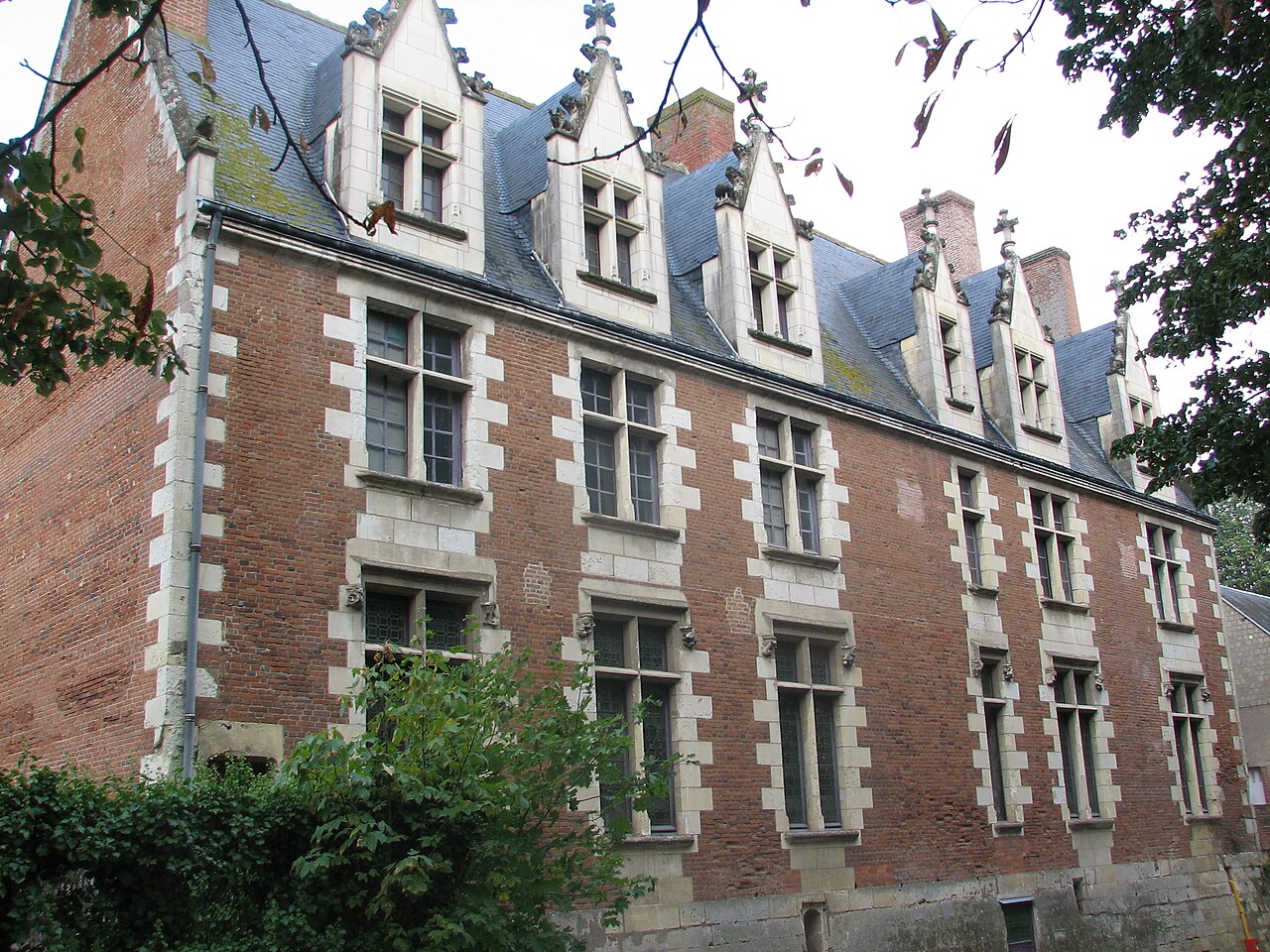
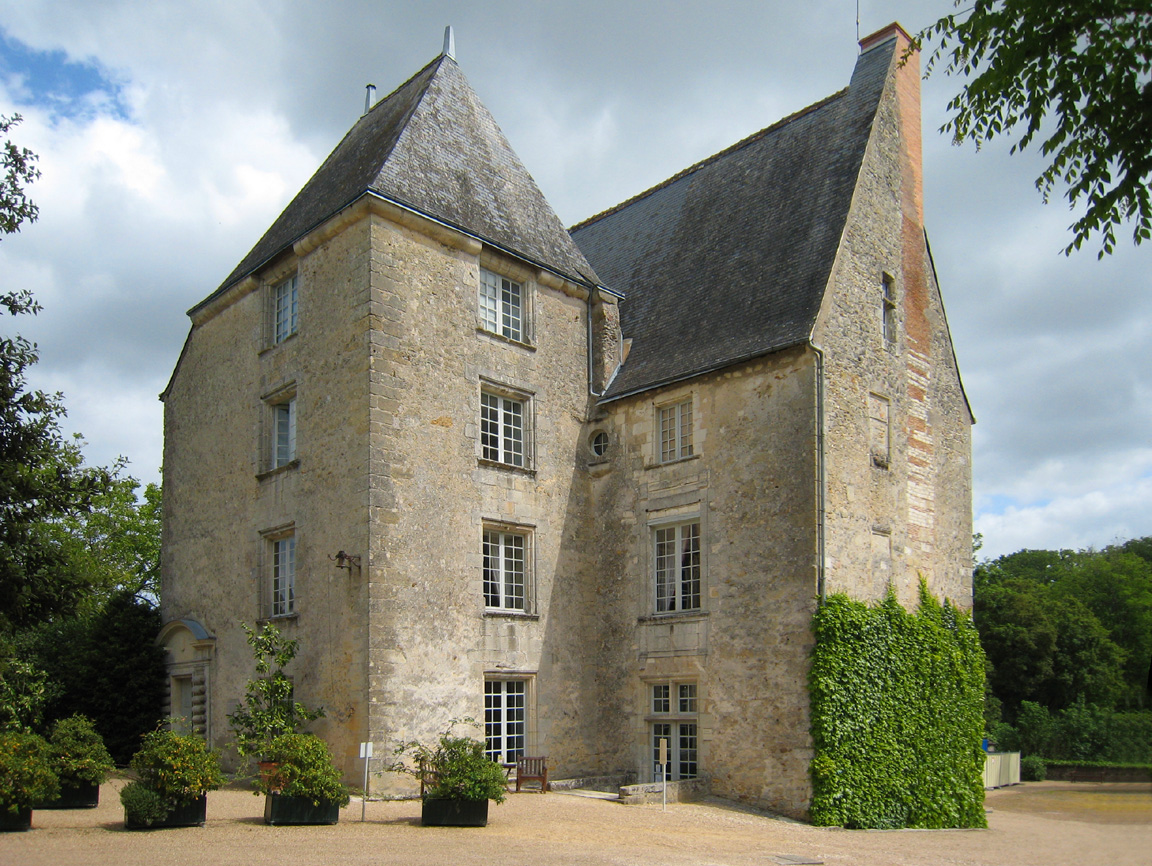
The château's architecture showcases a blend of styles, with a strong emphasis on Renaissance and Neo-Renaissance elements visible in its facades, ornamental details, and interior decorations. The building features imposing towers, intricately designed stonework, and expansive courtyards that recall the grandeur of French noble residences.
Inside, the château boasts richly decorated halls and chambers that combine traditional craftsmanship with modern amenities of the early 20th century. The layout was designed to accommodate both private living spaces and areas for entertaining guests, reflecting the social functions of the château as a residence of a prominent industrialist.
Post-World War II conversion and current use
Since the late 1950s, Château d'Artigny has been converted into a hotel, allowing visitors to experience its historical ambiance and architectural splendor firsthand. The conversion preserved much of the château's original character while adapting it to contemporary hospitality standards.
Today, the château remains a significant cultural landmark in the region of Indre-et-Loire, attracting tourists interested in French history, architecture, and luxury accommodations. Its combination of medieval origins, Renaissance transformations, and modern luxury makes it a unique destination that illustrates the evolution of French château architecture over several centuries.
Legacy and cultural significance
Château d'Artigny stands as a remarkable example of how historical sites can evolve while preserving their heritage. The château's layered history—from a medieval fortress through Renaissance and Neo-Renaissance phases to a modern luxury residence—reflects broader trends in French architectural and social history.
Its association with notable figures such as Jean d’Artannes and François Coty further enriches its story, linking military, political, and industrial narratives. The château's preservation and adaptive reuse as a hotel demonstrate a successful model of maintaining historical integrity while providing contemporary function.
Frequently asked questions (FAQ)
- What are the opening hours for Château d'Artigny?
- Château d'Artigny is open to visitors from 10:00 AM to 6:00 PM daily. However, it is recommended to check their official website for any seasonal changes or special events that may affect these hours.
- How do I get to Château d'Artigny?
- Château d'Artigny is located in Montbazon, France, approximately 10 kilometers from Tours. The easiest way to reach the castle is by car, with parking facilities available on-site, or you can take public transport to Montbazon and walk to the castle.
- When was Château d'Artigny built?
- Château d'Artigny was constructed between 1912 and 1920. Designed by the architect Marcel Pagnon, this stunning castle reflects the Renaissance style and was commissioned by the wealthy industrialist Pierre de La Roche.
- What is the historical significance of Château d'Artigny?
- Château d'Artigny is significant as a representation of early 20th-century architecture and the lifestyle of the French elite during that period. It also serves as a cultural landmark in the region, showcasing the art and decor typical of the time.
- Can I take guided tours of Château d'Artigny?
- Yes, guided tours are available at Château d'Artigny, providing an in-depth look at its history and architecture. Visitors can also explore the beautiful gardens surrounding the castle, which are often included in the tour experience.
- Is Château d'Artigny accessible for visitors with disabilities?
- Château d'Artigny strives to be accessible to all visitors. The main areas of the castle and its gardens are equipped with facilities to accommodate those with mobility challenges.
- What is the best time to visit Château d'Artigny?
- The best time to visit Château d'Artigny is during the spring and early autumn when the weather is pleasant and the gardens are in full bloom. Additionally, visiting during weekdays can help you avoid larger crowds.
- Are there any nearby attractions to visit after Château d'Artigny?
- Yes, after visiting Château d'Artigny, you can explore nearby attractions such as the historic city of Tours, the beautiful Château de Villandry, and the stunning gardens surrounding it. These sites offer a rich experience of French history and culture.
- What are the ticket prices for visiting Château d'Artigny?
- Ticket prices for Château d'Artigny vary based on age and type of tour chosen. Generally, adult tickets are around €10, while discounts may apply for students and seniors, so it's best to check the official site for the most current pricing.
Information
Loading map...
Visitor reviews
No reviews yet. Been here? Write the first review and help other travelers!
Write the first reviewVisited this castle? Share your experience
Your review helps other travelers and adds first-hand knowledge to our encyclopedia.